

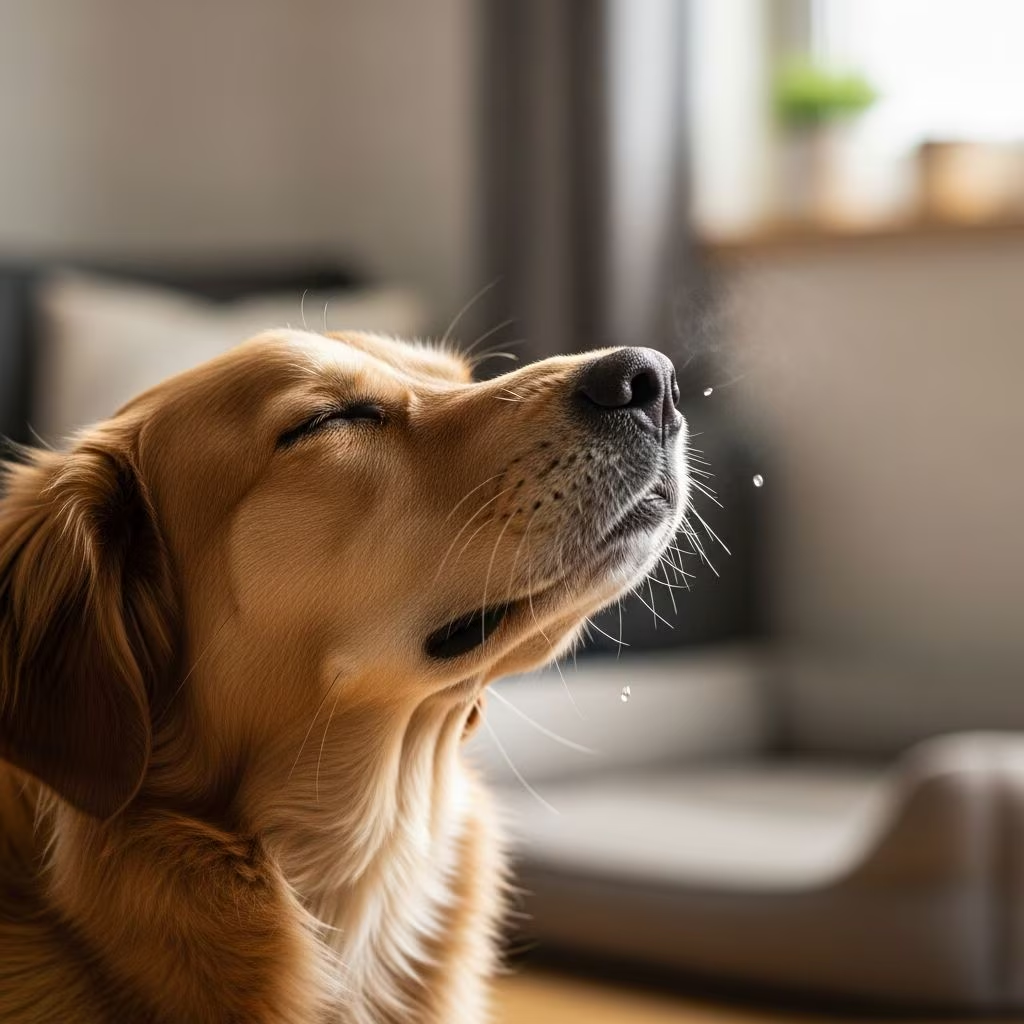
Dogs sneeze for a variety of reasons, much like humans. While occasional sneezing is often harmless and related to clearing irritants from their nasal passages, persistent or excessive sneezing can signal underlying health issues. Understanding the causes helps dog owners determine when it’s normal playfulness and when veterinary attention is needed.
Is Dog Sneezing Normal?
Yes, dog sneezing is frequently normal. Dogs have highly sensitive noses with over 300 million olfactory receptors, making them prone to sneezing from minor irritants like dust or excitement during play. A single sneeze or short bursts during fun activities typically resolve quickly without concern. However, if sneezing lasts more than a day, accompanies discharge, or worsens, it warrants monitoring.
Play sneezing, characterized by quick, repetitive snuffles, often occurs during zoomies or interactions, serving as a canine communication signal meaning “all good fun!” This backward sneeze variant is common in breeds like Boxers and Bulldogs.
10 Reasons Why Dogs Sneeze
Here are the most common causes of sneezing in dogs, ranging from benign to serious. Recognizing patterns and accompanying symptoms is key to appropriate action.
1. Allergies
Allergies top the list of sneeze triggers. Environmental allergens like pollen, dust mites, mold, and grass cause seasonal or year-round sneezing, often with itchy skin, red eyes, or paw licking. Food allergies to proteins in beef, chicken, or grains can also provoke nasal reactions. Antihistamines or allergy testing via a vet can manage these.
2. Environmental Irritants
Household items such as smoke, perfumes, cleaning products, dust, or strong odors irritate a dog’s nose, prompting sneezes to expel particles. Moving to fresh air or ventilating the area usually stops it quickly. Keep your home pet-safe by avoiding scented candles and aerosol sprays.
3. Nasal Foreign Bodies
Foxtails, grass seeds, dirt, or small toys frequently lodge in nasal passages during outdoor play, causing violent, one-sided sneezing. You might see pawing at the nose or bloody discharge. Vets use rhinoscopy or flushing to remove them; don’t probe yourself to avoid pushing it deeper.
4. Nasal Mites
Pneumonyssoides caninum mites infest nasal cavities, leading to sneezing, nosebleeds, and facial rubbing. Common in kennel dogs, diagnosis involves nasal scoping, treated with ivermectin or milbemycin. Prevention includes avoiding high-risk environments.
5. Upper Respiratory Infections
Viral or bacterial infections like kennel cough cause sneezing with coughing, green/yellow discharge, and lethargy. Highly contagious in group settings, they often resolve in 1-2 weeks but may need antibiotics if bacterial. Vaccines help prevent some strains.
6. Canine Influenza (Dog Flu)
This contagious H3N8 or H3N2 virus spreads in dog parks or boarding, causing sneezing, cough, fever, and eye discharge. Supportive care like rest and fluids aids recovery; antivirals are rare. Vaccination is recommended for at-risk dogs.
7. Dental Disease
Upper tooth root abscesses or gum infections drain into nasal passages due to anatomical proximity, causing foul breath, facial swelling, sneezing, and eating pain. Professional cleaning under anesthesia and antibiotics treat this common issue in older dogs.
8. Nasal Tumors
Rare but serious, nasal tumors (adenocarcinomas in older dogs) cause chronic, progressive sneezing, bloody discharge, and breathing difficulty. CT scans diagnose; treatments include surgery, radiation, or chemo. Prognosis varies with early detection.
9. Reverse Sneezing
Not true sneezing, reverse sneezing involves rapid inhalations due to throat irritation from allergies, excitement, or mites. Episodes last seconds to minutes; gently massaging the throat or covering nostrils helps. Frequent cases need vet evaluation.
10. Trauma or Injury
Nose bumps from play or fights cause short-term sneezing and swelling. Monitor for worsening; severe trauma requires x-rays to check for fractures.
Symptoms to Watch For
Benign sneezing is isolated and brief. Concerning signs include:
- Persistent sneezing over 24-48 hours
- Bloody, green, or pus-like nasal discharge
- Coughing, wheezing, or labored breathing
- Lethargy, fever, or appetite loss
- Facial swelling, pawing at nose, or bad breath
- One-sided sneezing or nosebleeds
These suggest infections, foreign bodies, or tumors needing prompt vet care.
When to See a Vet for Dog Sneezing
Consult a vet if sneezing persists beyond a day, includes alarming symptoms, or recurs frequently. Puppies, seniors, or brachycephalic breeds (e.g., Pugs) are higher risk. Expect exams, bloodwork, imaging, or scoping.
How Vets Diagnose Sneezing Causes
Diagnosis starts with history and physical exam, including oral/dental checks. Tools include:
- Rhinoscopy: Camera views nasal passages
- X-rays/CT: Detect tumors, fluid, foreign objects
- Biopsies: Sample abnormal tissue
- Cytology: Analyze discharge for infection/parasites
- Dental radiographs: Spot root issues
Tailored to symptoms for accurate treatment.
Treatment for Dog Sneezing
| Cause | Treatment |
|---|---|
| Allergies/Irritants | Remove triggers, antihistamines, hypoallergenic diet |
| Foreign Body | Sedated removal, flushing |
| Infections | Antibiotics, antivirals, supportive care |
| Dental | Cleaning, extraction, antibiotics |
| Tumors | Surgery, radiation, chemo |
| Mites | Ivermectin, milbemycin |
Treatments vary; follow vet guidance.
How to Help a Sneezing Dog
- Humidify: Steam from showers loosens mucus.
- Clean gently: Saline nasal rinses if vet-approved.
- Boost immunity: Probiotics, omega-3s.
- Rest: Isolate from other dogs if infectious.
- Monitor: Track symptoms daily.
Avoid OTC meds without advice.
Preventing Sneezing in Dogs
- Vaccinate against flu/kennel cough.
- Regular dental care.
- Use air purifiers, hypoallergenic bedding.
- Supervise play, check noses post-outdoors.
- Annual vet check-ups.
Proactive steps reduce risks.
Frequently Asked Questions (FAQs)
Why is my dog sneezing and coughing?
Often kennel cough, flu, or infections. See vet if persistent.
Is reverse sneezing dangerous?
No, but frequent episodes need checking for irritants.
Can allergies cause dog sneezing?
Yes, environmental or food allergies commonly do.
When is sneezing an emergency?
With breathing difficulty, swelling, or bloody discharge.
Do dental problems cause sneezing?
Yes, upper abscesses drain into noses.
References
- Is Your Dog Sneezing? Here Are 6 Possible Causes — LA CVets. 2023. https://lacvets.com/blog/is-your-dog-sneezing/
- Why is My Dog Sneezing a Lot? – 9 Reasons & What to Do — Sploot Vets. 2024. https://www.splootvets.com/post/why-is-my-dog-sneezing-a-lot-reasons-what-to-do
- Why Is My Dog Sneezing a Lot? — PetMD. 2025-01-10. https://www.petmd.com/dog/symptoms/why-my-dog-sneezing-a-lot
- Dog Sneezing: When to Worry and What to Do — Animal Family Veterinary Care. 2024. https://animalfamilyveterinarycare.com/blog/dog-sneezing/
- Causes of Excessive Sneezing in Pets — Fetch Vets. 2023. https://fetchvets.com/blog/excessive-sneezing-in-pets/
- Why is My Dog Sneezing? 5 Reasons Why — Veterinary Village. 2024. https://plymouth.thevillagevets.com/blog/dog-sneezing/



