
Why Do Dogs Sleep So Much? A Complete Guide
Understanding your dog's sleep needs: From puppies to seniors, discover why dogs sleep so much.
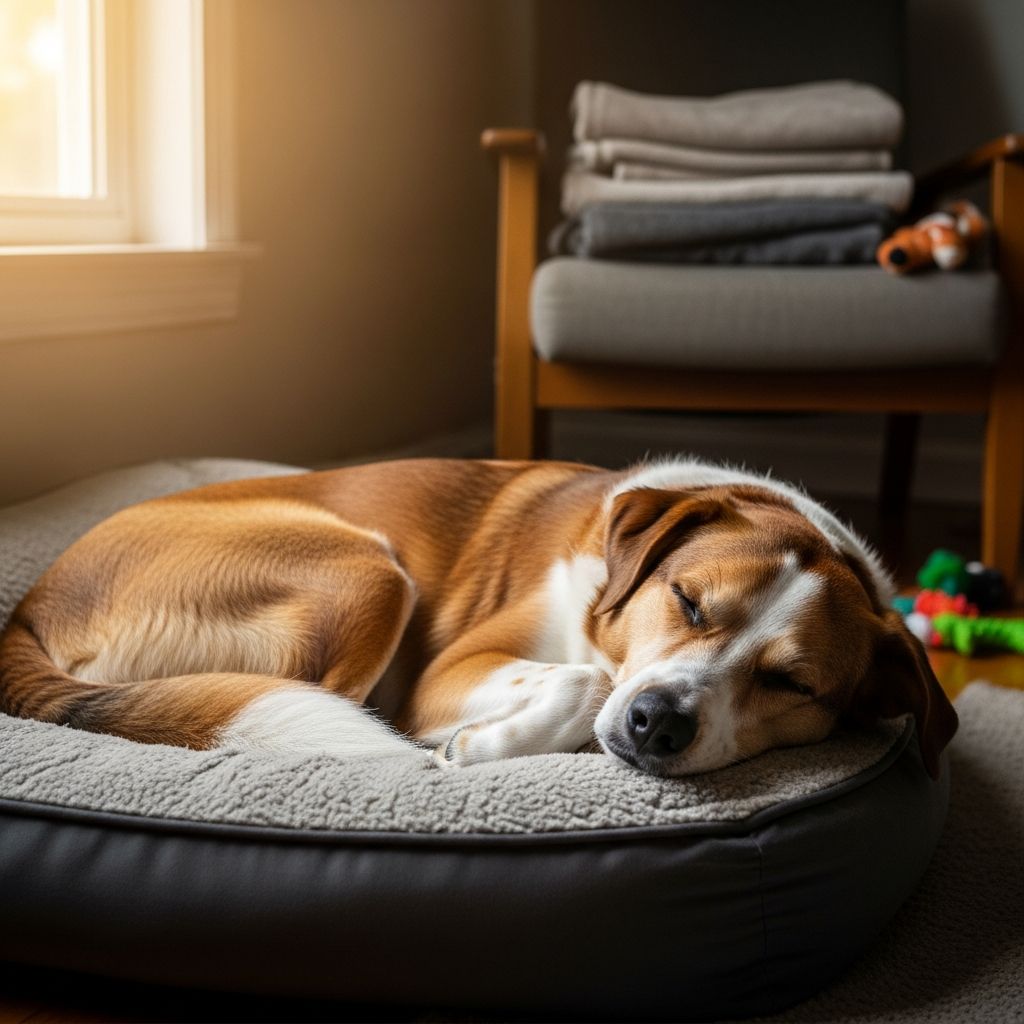
How Long Do Dogs Sleep Each Day?
Dogs are notorious for their sleeping habits, and if you’ve ever wondered why your furry friend seems to spend half the day napping, you’re not alone. The amount of time a dog sleeps each day hinges on several factors, including the dog’s age, breed, and home life. Understanding these patterns can help you ensure your pet is getting the rest they need for optimal health and happiness.
Most adult dogs get six to eight hours of sleep overnight while their owners sleep, and then they nap four to eight hours throughout the day. So, in total, dogs can sleep up to 16 hours every day. This might seem excessive compared to humans, but it’s completely normal for our canine companions. The average dog spends about half of their day asleep, according to the American Kennel Club (AKC). This extensive rest period is essential for maintaining their physical and mental well-being.
Sleep Requirements by Age
Sleep needs vary significantly depending on your dog’s life stage. Let’s explore how sleep requirements change as dogs grow and age.
Puppies and Their Sleep Needs
While puppies don’t seem to have an “off” switch and want to play at all times, that drive is balanced by an equal need for napping. Puppies can sleep up to 20 hours per day during critical growth cycles. A great deal of brain and body development happens while pups are at rest, which is why young puppies require such extensive sleep. This excessive sleeping helps them mature, grow, and process the variety of information they have learned.
Just like human babies, puppies need an adequate amount of sleep so they can develop and grow properly. Puppies tend to sleep a lot more than adult dogs during the day, often taking power naps several times throughout the day. Some puppies may even sleep every hour, falling asleep in the oddest places and even in the middle of a training or play session. When you first bring your pup home, you may notice that they’re very restless at night, getting up to go to the bathroom, get water, or eat several times. After a few months, this should normalize, and you will notice your pup getting around 10 full hours of sleep at night.
To make sure your pup is getting enough sleep, it’s important for them to stick to a consistent sleep schedule. The AKC recommends leaving puppies undisturbed during sleep and refraining from cuddling them when they are taking a nap. Additionally, it’s important to encourage your puppy to wind down after playtime and try to plan their day according to their internal clock, as most puppies need a quick nap every hour or so.
Adult Dogs
Adult dogs typically sleep 12 to 14 hours a day. However, just like humans, these numbers can vary based on your dog, their age, activity level, and personality. Most adult dogs get six to eight hours overnight while we sleep, and then they nap four to eight hours throughout the day. Working dogs tend to stay awake longer than other dogs, while larger breeds require even more sleep due to the energy they expend.
According to veterinarian Dr. Joanna Woodnutt, dogs sleep the most between 9:00 p.m. and 6:00 a.m., although they usually have afternoon naps. These naps can happen several times a day depending on your dog. Additionally, you will likely find that your pooch sleeps more on days they have been most active. Unlike other animals, dogs are not diurnal or nocturnal. Your furry friend will most likely imitate your behavior and go to bed when you do. If you’re a night owl, your dog may stay up late too.
Senior Dogs
Senior dogs often have less energy and sleep more during the day. On the higher end of the scale, a senior dog can sleep up to 18 to 20 hours a day, with the lower end probably around 14 to 15 hours per day. Sleep requirements increase with age, though dogs age at different rates, meaning that a seven-year-old Bichon Frise is likely to be more active than a Great Dane of the same age.
As a pet parent, it’s important to monitor your dog’s sleeping habits and take note of any changes that may occur. For example, your senior dog may take a one-hour long nap, go out for a walk or greet their human family, and then fall asleep again. This pattern of fragmented sleep throughout the day is completely normal for older dogs.
Factors That Influence How Much Dogs Sleep
Several variables impact how much sleep your individual dog needs. Understanding these factors can help you determine what’s normal for your pet.
Breed Size and Type
Larger breeds, such as the Bernese Mountain Dog, expend a lot of energy, so they require more shuteye than smaller breeds like Chihuahuas or poodles. According to research, American Staffordshire Terriers sleep the longest of any dog breed at 8.71 hours, with some sources citing Staffordshire Terriers needing as much as 12 to 14 hours of sleep a day. Other large breeds also tend to need more sleep, including American Bulldogs, Great Pyrenees, Doberman Pinschers, and Great Danes.
Smaller or more active breeds, such as Miniature Australian Shepherds, German Shepherds, Yorkshire Terriers, Australian Cattle Dogs, and Miniature Pinschers, tend to sleep less. Breed, however, is just one of the many factors influencing sleep duration. You also need to consider your dog’s overall health and daily routine, as well as their sleep environment.
Activity Level
A dog’s activity level plays a crucial role in determining sleep needs. Working dogs tend to stay awake longer, while indoor dogs with sedentary lifestyles may sleep more. For example, if your Rottweiler spends most of their time indoors and has a sedentary lifestyle, they’ll likely sleep more than a working dog of the same breed.
Health and Environmental Factors
Overall health and the sleep environment significantly impact how much a dog sleeps. Dogs that are unwell, stressed, or living in uncomfortable conditions may experience disrupted sleep patterns. Additionally, obesity can affect sleep quality and duration, particularly for breeds prone to sleep apnea, such as Boston Terriers, Pugs, and English Bulldogs.
Why Dogs Sleep So Much
Understanding why dogs need so much sleep is essential for appreciating their natural behavior. Dogs have evolved to be efficient sleepers, and their sleep patterns serve important biological purposes.
During sleep, dogs experience significant brain and body development, particularly during puppyhood. Sleep allows their immune system to strengthen, muscles to develop, and bones to grow properly. Additionally, sleep helps dogs process information and consolidate memories from their daily experiences and training.
Dogs also use sleep as a way to conserve energy. In the wild, animals often sleep to preserve resources and maintain energy for hunting and survival. While domesticated dogs don’t need to hunt for food, this instinct remains deeply ingrained in their behavior. Power napping throughout the day allows dogs to rest when they’re not actively engaged or stimulated.
Sleep Patterns: Daytime and Nighttime Habits
Dogs have unique sleep patterns that differ from humans. Rather than sleeping for one long period, dogs typically take multiple short naps throughout the day and night.
During the daytime, dogs may sleep intermittently between activities, meals, and play sessions. These power naps are completely normal and allow dogs to rest between periods of activity. Nighttime sleeping habits vary depending on your individual dog. While some dogs sleep through the night like their owners, others may wake periodically to check on their surroundings or attend to their needs.
Research has shown that 86% of dogs aged four to 12 months chose to be around people at night, suggesting that puppies in particular enjoy being close to their human parents during sleep hours. Most puppies slept 10 to 11 hours over a 24-hour period, though this varies considerably among individuals.
When to Be Concerned About Your Dog’s Sleep
While dogs naturally sleep a lot, sudden changes in sleeping patterns can indicate health issues that warrant veterinary attention. If you notice any of the following changes, it may be time to call your vet:
- A sudden shift in sleeping patterns or your dog sleeping significantly more than normal
- Lack of appetite or your normally hungry dog skipping meals
- Self-isolation where your dog chooses to nap in a remote space rather than hang out with you
- Depression or disinterest in your usual fun and games
- Restlessness where your dog wants to sleep but can’t get comfortable
- Lethargy or unusually low energy levels
Pay attention to your individual dog’s sleep patterns. Since there are no official guidelines when it comes to how many hours a pet should sleep, observing your dog’s regular sleeping patterns is key. If you notice any sudden changes in sleep behavior, it might be time to call a vet. However, it’s important to remember that sleep needs are individual, and what’s normal for one dog may not be normal for another.
Sleep Disorders in Dogs
While excessive sleeping is normal for dogs, certain conditions can disrupt their sleep quality. Sleep apnea is more likely to affect obese dogs and dogs with flat faces, such as Boston Terriers, Pugs, and English Bulldogs. If you suspect your dog has a sleep disorder, consult with your veterinarian for proper diagnosis and treatment.
Weight management is particularly important for preventing sleep-related issues. Losing weight can help reduce the risk of sleep apnea and improve overall sleep quality in susceptible breeds.
Sleep Recommendations Summary
Here’s a quick reference guide for how much sleep your dog should be getting:
| Dog Age/Life Stage | Recommended Sleep Duration | Notes |
|---|---|---|
| Puppies | 18-20 hours per day | Essential for brain and body development |
| Adult Dogs | 12-14 hours per day | Varies based on activity level and breed |
| Senior Dogs | 14-20 hours per day | Increased rest needs with age |
Frequently Asked Questions
Q: Do dogs sleep too much?
A: No, dogs naturally sleep much more than humans. Puppies and senior dogs sleep around 18 to 20 hours per day, while adult dogs sleep for 8 to 14 hours per day, which is completely normal and healthy.
Q: Why does my dog sleep so much during the day?
A: Dogs are opportunistic sleepers and take advantage of quiet time to rest. They sleep more during the day to conserve energy and because they lack the driving need for constant stimulation that humans have.
Q: Should I be worried if my senior dog sleeps all day?
A: Senior dogs naturally sleep more as they age, often sleeping 14 to 20 hours per day. However, if you notice a sudden change in sleep patterns or other concerning symptoms, consult your veterinarian.
Q: How can I help my puppy establish a good sleep schedule?
A: Establish consistent feeding times, play sessions, and nap periods. Puppies typically need a nap every hour or so, so plan your day around their natural sleep cycles. Avoid disturbing them during sleep, as this is when critical development occurs.
Q: Do different dog breeds have different sleep needs?
A: Yes, larger breeds and more active breeds may have different sleep requirements. Larger dogs like Great Danes often need more sleep, while highly active breeds may need slightly less, though the differences are generally minimal.
Q: What should I do if my dog won’t sleep at night?
A: Ensure your dog gets adequate exercise and mental stimulation during the day. Establish a consistent bedtime routine, provide a comfortable sleeping space, and consider whether your dog needs bathroom breaks or has any health issues affecting their sleep.
Q: Is it normal for my dog to sleep in different positions?
A: Yes, dogs adopt various sleeping positions throughout the day. These positions often indicate comfort levels and trust. For example, a dog sleeping on their back with legs in the air may do so to keep cool or to show they’re completely comfortable and trust their environment.
References
- How Long Do Dogs Sleep Each Day? — American Kennel Club (AKC). Official breed and care standards. https://www.akc.org
- Why Do Dogs Sleep So Much? — PetMD Editorial. 2024. https://www.petmd.com/dog/general-health/how-many-hours-does-dog-sleep-day
- Should You Worry If Your Older Dog Sleeps All Day? — PetMD Editorial. 2024. https://www.petmd.com/dog/should-you-worry-if-your-older-dog-sleeps-all-day
- Dog Sleeping Positions and What They Mean — PetMD Editorial. 2024. https://www.petmd.com/dog/general-health/dog-sleeping-positions-and-what-they-mean
- Puppy and Dog Sleep Study — Animals Journal. 2020. Academic research on dog sleep behavior and socialization patterns. https://www.mdpi.com/journal/animals
- Does Your Dog Have a Sleep Disorder? — Uptown Veterinary Hospital. Veterinary information on sleep apnea in dogs. https://uptownvethospital.org
- How Much Do Dogs Sleep and Why Is It Important? — NapLab. 2024. Comprehensive guide on dog sleep requirements by breed and age. https://naplab.com/guides/how-much-do-dogs-sleep/
Similar Articles








Read full bio of Sneha Tete




