

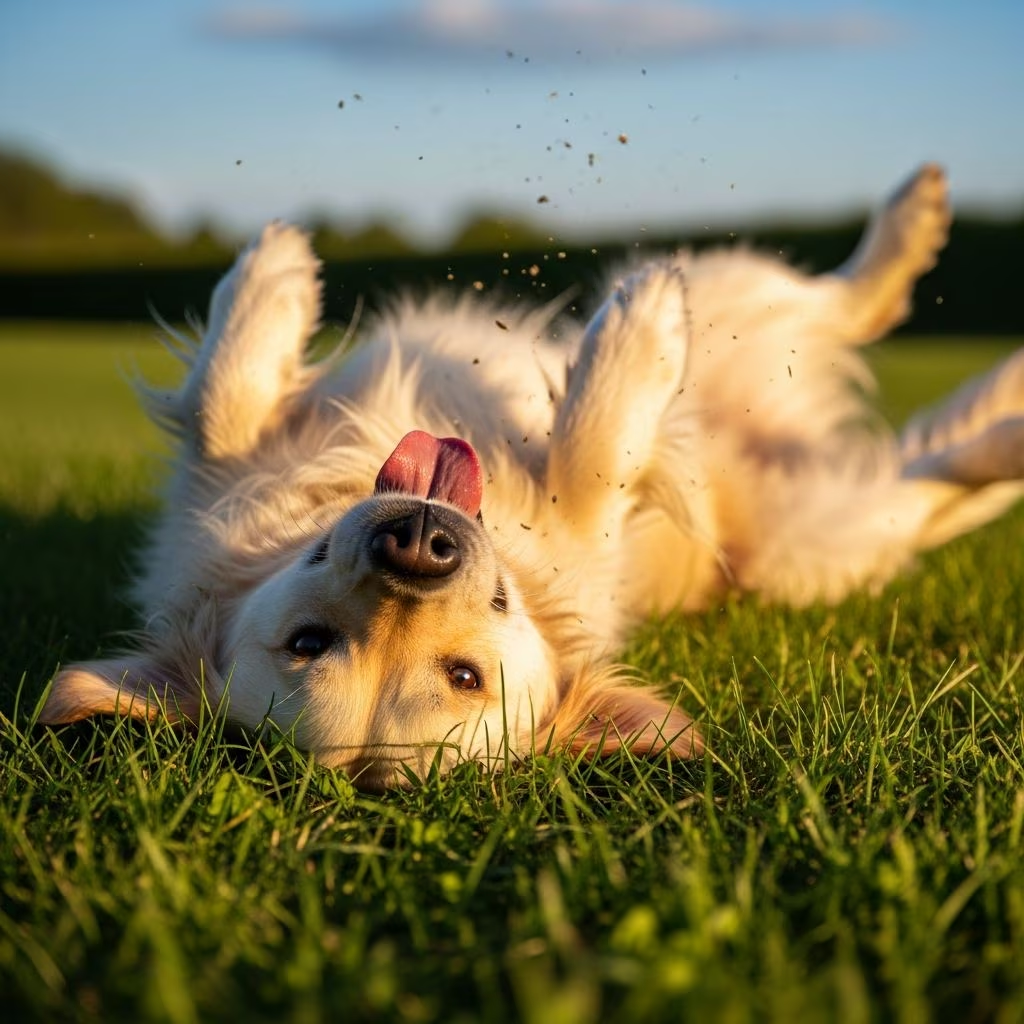
Why Do Dogs Roll in the Grass? A Complete Guide for Dog Owners
If you’ve ever wondered why your furry companion loves rolling around in the grass, you’re not alone. This common canine behavior can range from adorable to downright disgusting, especially when your dog decides to roll in something questionable. But what’s driving this seemingly strange habit? Understanding the reasons behind grass-rolling can help you better comprehend your dog’s natural instincts and behavior patterns.
Dogs roll in grass for various reasons, and most of them are completely normal. Whether your pup is acting on ancient predatory instincts, seeking relief from discomfort, or simply having a good time, this behavior is typically nothing to worry about. However, there are situations where excessive rolling might indicate an underlying issue worth investigating.
Is It Normal for Dogs to Roll in Grass?
The short answer is yes—rolling in grass is entirely normal canine behavior. This instinctive action is part of your dog’s natural repertoire and shouldn’t cause concern in most situations. Many dogs engage in this behavior regularly, and it’s as common as other typical dog activities like digging or sniffing.
You might observe your dog scratching at the grass before rolling, or they may dig a small hole to create the perfect rolling spot. Some dogs even roll in less-than-pleasant substances they discover in the yard. This natural behavior is a remnant of their evolutionary history and demonstrates that your dog is simply being a dog.
Seven Reasons Why Dogs Roll in Grass
Understanding the motivations behind grass-rolling can help you appreciate this quirky behavior. Here are the primary reasons your dog might be engaging in this activity:
1. Disguising Their Scent
The most widely accepted theory among animal behaviorists is that dogs roll in grass to mask their own scent. This behavior stems from their ancestors’ hunting strategies. Wolves and wild canines would roll in different scents from their environment to disguise their presence from prey animals. By covering themselves with environmental odors, they became less detectable, allowing them to approach prey more successfully.
While your domesticated dog doesn’t need to sneak up on dinner, this ancient instinct remains deeply embedded in their DNA. Even though they’re far removed from their wild ancestors, this predatory behavior can still emerge during playtime or outdoor exploration. Your dog may be tapping into millions of years of evolutionary programming when they roll in the grass.
2. Attraction to Interesting Scents
Dogs possess an extraordinarily sensitive sense of smell—far superior to human olfactory capabilities. When they encounter grass with interesting scents on it, rolling becomes irresistible. This might include the urine or feces of other animals that have passed through your yard. To your dog, these scents smell absolutely divine, and they want to wear them like expensive perfume.
Fox feces is particularly attractive to many dogs, though any animal waste can trigger this response. While this behavior seems revolting to humans, to your dog, it’s a delightful sensory experience. Understanding that your dog isn’t being deliberately disgusting can help you approach this behavior with patience rather than frustration.
3. Self-Massage and Skin Care
Rolling in grass provides your dog with a natural massage treatment. The texture of grass against their skin offers gentle exfoliation and stimulation that feels wonderful. This action increases blood flow to the skin, promoting a healthier, shinier coat. Think of it as your dog’s version of a spa day—they’re pampering themselves while improving their skin and fur quality.
The physical sensation of rolling combined with the coolness of the grass creates a soothing experience that many dogs find deeply satisfying. This is particularly true for dogs with longer coats or those who enjoy outdoor activities.
4. Post-Grooming Reset
After visiting the groomer or taking a bath, many dogs feel compelled to roll in grass. This behavior often reflects their discomfort with the strong fragrances used in grooming products. Your dog prefers their natural scent and wants to return to smelling like themselves rather than flowery shampoo or perfumed conditioner.
By rolling in grass, your dog is essentially undoing the groomer’s work and restoring their preferred scent profile. This is perfectly normal behavior and shows that your dog has strong preferences about how they want to smell—a trait they share with many humans who dislike artificial fragrances.
5. Cooling Down on Hot Days
During warm weather, grass provides an effective cooling mechanism for dogs. When your dog rolls in grass, the moisture from the grass releases onto their skin, creating a cooling effect. Since dogs only sweat through their tongue and paw pads, they must find alternative ways to regulate body temperature. Rolling in grass is a natural thermoregulation strategy that helps them stay comfortable during hot weather.
If you notice your dog rolling more frequently during summer months, this is likely the reason. Providing access to shaded grassy areas helps your dog stay cool while satisfying this natural cooling behavior.
6. Scratching an Itch
When your dog has itchy skin or can’t quite reach a particular spot to scratch, grass becomes their preferred back scratcher. Dogs with allergies, parasites like fleas, or general skin sensitivity often roll to find relief. The texture of the grass helps them reach itchy areas they can’t access with their paws or teeth.
If you notice your dog rolling excessively and showing signs of discomfort, this might indicate an underlying skin condition requiring veterinary attention. Excessive scratching combined with rolling could signal allergies, flea infestation, or dermatological issues that need professional treatment.
7. Pure Fun and Enjoyment
Sometimes, the simplest explanation is the correct one: your dog rolls in grass because it’s fun. Like many animals, dogs enjoy engaging in activities that feel good and bring them joy. Rolling around in a sunny meadow or grassy yard is an enjoyable experience that requires no deeper motivation than pure happiness and relaxation.
This playful behavior demonstrates that your dog is comfortable in their environment and feeling content. When you see your dog rolling with enthusiasm and a happy expression, they’re simply enjoying life and engaging in activities that bring them pleasure.
Additional Behavioral Reasons for Rolling
Marking Territory
Dogs have scent glands located on their faces, necks, and bodies. By rolling on the grass, they leave their scent behind and mark territory. This communication method tells other animals, “I was here.” While this behavior is often associated with urine marking, rolling provides an additional way for dogs to establish territorial boundaries and communicate with other canines in the area.
Social Imitation
If you have multiple dogs, you may notice that one dog’s rolling behavior inspires others to join in. Dogs are natural mimics and enjoy copying behaviors they see other dogs performing, especially when those behaviors appear enjoyable. This social imitation strengthens bonds between dogs and transforms rolling from an individual activity into a shared experience.
When Should You Be Concerned About Grass Rolling?
While most grass-rolling is harmless and natural, certain situations warrant closer attention. Understanding when this behavior might indicate a problem helps you protect your dog’s health and well-being.
Excessive Rolling and Skin Irritation
If your dog rolls excessively or seems obsessed with rolling, this could indicate underlying skin problems. Allergies, flea infestations, fungal infections, or dermatological conditions can cause chronic itchiness that drives dogs to roll more than usual. Watch for accompanying symptoms such as:
- Excessive scratching or biting at the skin
- Red, inflamed, or irritated skin patches
- Bumps, rashes, or unusual skin lesions
- Hair loss or bald spots
- Persistent licking of certain areas
If you notice these signs, consult your veterinarian to rule out medical issues and determine appropriate treatment.
Chemical Exposure Concerns
Consider whether your grass may have been treated with herbicides, pesticides, or fertilizers. Chemical exposure through grass rolling can be harmful to your dog’s health. If you treat your lawn with chemicals, supervise outdoor time and rinse your dog after they’ve been in the yard to minimize chemical exposure.
Unsanitary Substances
While rolling in grass itself is harmless, rolling in dead animals or feces is unsanitary and should be discouraged. These substances can harbor harmful bacteria and parasites that your dog might ingest while grooming. If your dog seeks out these substances repeatedly, intervention becomes necessary to protect their health.
Monitoring Your Dog’s Rolling Behavior
The key to determining whether your dog’s grass-rolling is normal is observing their overall body language and behavior patterns. Happy, healthy dogs rolling in grass should display:
- Relaxed body posture
- Wagging tail
- Playful facial expressions
- Normal energy levels
- No signs of distress or discomfort
If your dog exhibits these positive signs while rolling, you can confidently assume they’re engaging in normal, healthy behavior. However, if rolling is accompanied by signs of distress, excessive scratching, or other concerning symptoms, professional evaluation is warranted.
Preventive Health Measures
To keep your dog safe while allowing them to enjoy grass-rolling, implement these preventive strategies:
- Maintain effective flea and tick prevention year-round
- Avoid chemical treatments on areas where your dog plays
- Schedule regular veterinary check-ups to catch skin issues early
- Monitor your dog’s rolling frequency and intensity
- Rinse your dog after playing in treated lawns
- Consider natural lawn care alternatives
Frequently Asked Questions
Q: Why does my dog roll in grass immediately after a bath?
A: Your dog rolls in grass after bathing because they dislike the strong fragrances from grooming products and want to restore their natural scent. This is completely normal behavior and shows your dog’s preference for smelling like themselves rather than artificial shampoos.
Q: Is it normal for dogs to roll in poop?
A: While this behavior is driven by natural instincts, it should be discouraged because it’s unsanitary and can expose your dog to harmful bacteria and parasites. Supervise outdoor time and redirect your dog away from feces when possible.
Q: How can I stop my dog from rolling in grass?
A: Since rolling is natural behavior, complete prevention isn’t realistic or beneficial. Instead, focus on supervision, regular grooming, flea and tick prevention, and training commands like “leave it” to control when rolling occurs around particularly undesirable substances.
Q: Could excessive grass rolling indicate a medical problem?
A: Yes, excessive rolling combined with scratching, redness, hair loss, or other skin symptoms may indicate allergies, fleas, or dermatological conditions. Consult your veterinarian if you notice significant changes in your dog’s rolling behavior or signs of skin distress.
Q: Is there any danger in my dog rolling in chemically treated grass?
A: Yes, pesticides and herbicides can be harmful if ingested through grooming or absorbed through the skin. Avoid treating areas where your dog plays with chemicals, or rinse your dog thoroughly after outdoor time if chemical treatment is unavoidable.
Q: Why do multiple dogs roll together in grass?
A: Dogs mimic behaviors they see other dogs enjoying, and rolling together strengthens social bonds. This group behavior is normal and demonstrates that your dogs are comfortable with each other and enjoying shared playtime.
References
- Why Do Dogs Roll in Grass? Here’s Reasons Why — Zigzag. 2024. https://zigzag.dog/en-us/blog/puppy-behavior/understanding-your-puppy/why-do-dogs-roll-in-grass/
- Why Do Dogs Roll in the Grass? — Broad Ripple Animal Clinic. 2024. https://bracpet.com/blog/dogs-roll-in-the-grass/
- Why Do Dogs Roll in the Grass? — PetMD, Dr. Hanie Elfenbein, DVM. 2024. https://www.petmd.com/dog/behavior/why-do-dogs-roll-grass



