

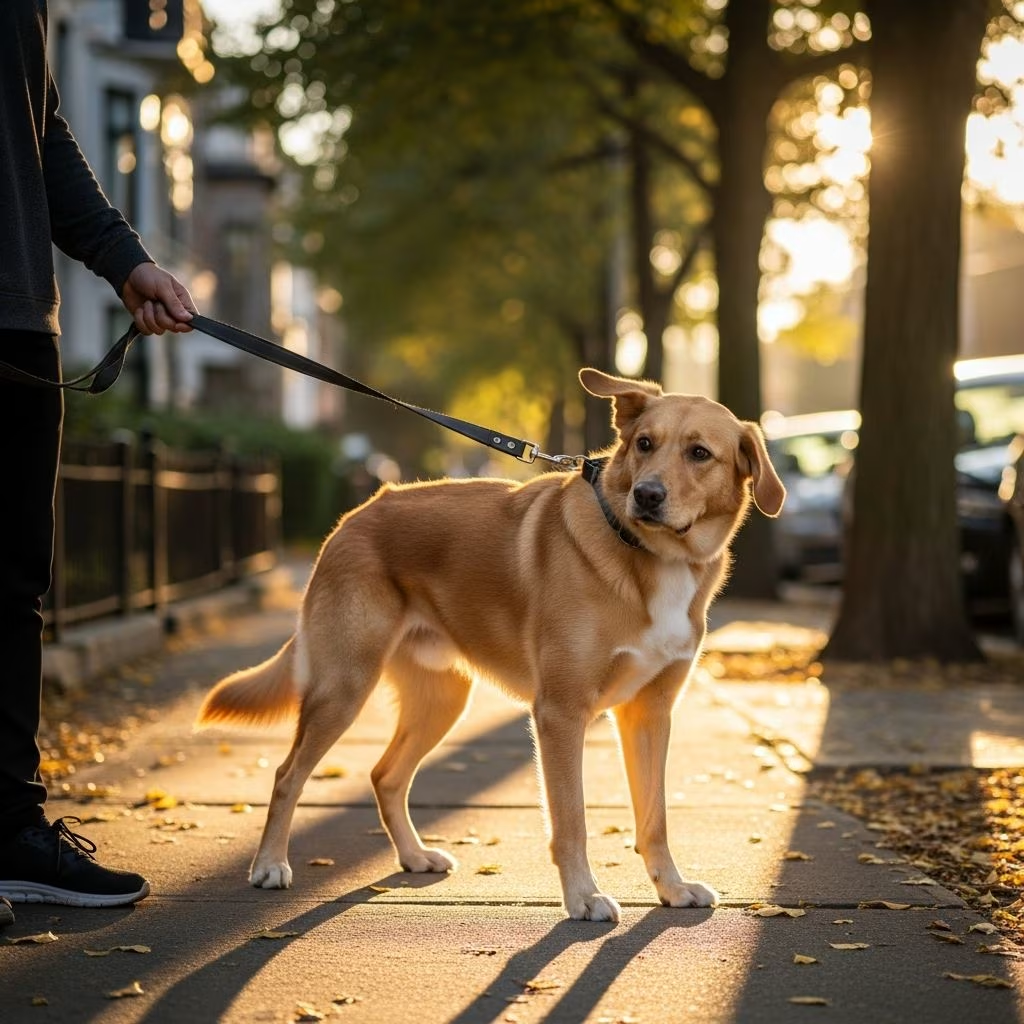
Every pet parent has faced the frustration of a joyful walk turning into a standstill as their dog plants its paws and refuses to budge. Whether it’s a tiny Yorkie or a massive Great Dane, this behavior can halt your outing in its tracks. Experts like veterinarians and certified trainers reveal that dogs aren’t being “stubborn”—they’re communicating something important through their actions. Understanding the root causes, from fear to physical discomfort, is key to resolving it effectively.
This common issue affects dogs of all breeds and sizes. Dr. Andrew Findlaytor, a veterinarian at dvm360, notes he’s seen dogs sit, lie down, or even “play dead” to avoid continuing a walk. Similarly, behaviorists emphasize reading body language to decode these signals before assuming defiance.
Is it normal for dogs to go stiff as stone and insist on staying put?
Yes, this behavior is not uncommon and often signals an underlying issue rather than rebellion. Dogs may freeze due to environmental triggers, physical pain, or learned associations. Certified trainer Yastremski shares that her dog Mena once refused to move in the park, displaying classic fear signs: ears pinned back, rapid turning to check in, and dilated pupils. It turned out Mena had detected a potential threat like a bear or coyote scent, common in her area.
Dr. Kuntz, another expert, stresses that labeling dogs as “stubborn” misses the point. Instead, observe context: Has the behavior appeared suddenly? Does it happen in specific locations? These clues help pinpoint if it’s fear, fatigue, or something else.
- Frequency: Common in puppies, seniors, and reactive dogs.
- Body Language Signs: Stiff posture, tucked tail, whale eye (whites showing), or avoidance of forward movement.
- Expert Consensus: Always rule out medical issues first with a vet visit.
Common Reasons Dogs Refuse to Move on Walks
Dogs stop for motivations ranging from self-preservation to opportunism. Here’s a breakdown of the top causes, drawn from veterinary and training insights.
1. Fear or Anxiety in the Environment
The most frequent culprit is fear of unfamiliar stimuli like loud noises, traffic, other animals, or people. Dogs may perceive threats humans miss, such as distant scents or sounds. Yastremski’s experience with Mena highlights how subtle cues like pinned ears indicate perceived danger.
Puppies are especially prone, as the world overwhelms their developing senses. Trainer tips from Dogkind Training suggest dogs balk to avoid scary directions or delay exposure to triggers.
2. Physical Discomfort or Pain
Injury, arthritis, or illness can make walking painful. Signs include limping, reluctance to rise, or sudden behavior changes. Dr. Findlaytor advises checking for:
- Slow to stand from rest.
- Good and bad mobility days.
- Objecting to previously enjoyed petting.
Seniors or overweight dogs may tire quickly, refusing to continue to avoid further strain.
3. Attention-Seeking or Treat Reinforcement
Some dogs learn that stopping earns treats, pets, or social interaction. If you lure with food every time, they associate balking with rewards. Dogkind Training warns that well-meaning parents accidentally train this behavior, as seen in cases where dogs grin expectantly for treats.
4. Fatigue or Overstimulation
Long walks in heat, after intense play, or without breaks lead to exhaustion. Dogs plop down to rest, especially in hot weather where overheating risks rise.
5. Leash or Gear Discomfort
Ill-fitting collars, tight leashes, or unfamiliar harnesses cause resistance. Puppies new to gear may freeze until conditioned positively.
6. Motivation to Stay Put or Social Gains
Dogs comfortable at home or spotting friends may refuse to leave pleasant spots. Social dogs stop near other people/dogs for greetings.
| Reason | Common Signs | Solutions |
|---|---|---|
| Fear/Anxiety | Pinned ears, dilated pupils | Desensitization, change route |
| Pain/Discomfort | Limping, slow to rise | Vet check, proper gear |
| Attention-Seeking | Relaxed posture, expectant look | Ignore, reward walking |
| Fatigue | Panting, lying flat | Shorter walks, breaks |
How to Read Your Dog’s Body Language
Mastering canine communication prevents misinterpretation. Key signals when dogs refuse to move:
- Ears: Back or flat = worry.
- Tail: Tucked or still = stress.
- Eyes: Dilated pupils or whale eye = fear.
- Posture: Stiff, low to ground = shutdown.
- Mouth: Lip licking, yawning = stress signals.
Trainer Smith emphasizes listening to these cues: Respond appropriately to build trust, even if it slows your walk.
Training Tips to Get Your Dog Moving Again
Prevention through positive reinforcement is best. Identify motivators like treats, toys, or praise, and reward walking beside you.
- Positive Association: Pair leash with high-value treats before walks.
- Short Sessions: Start with 5-minute walks, gradually increase.
- Change Environment: Avoid triggers; try new routes.
- Ignore Balking: Don’t reward stopping; wait patiently or turn around briefly.
- Use Cues: Teach “stay” then release excitedly to build momentum.
- Exercise Alternatives: Backyard play, flirt poles if walks fail.
For puppies, patience is crucial—they’re exploring a vast new world. Kinship videos suggest using excitement and short bursts to encourage movement.
Alternatives When Walks Aren’t Working
If refusal persists, pivot to engaging options:
- Sniffari walks: Let them explore at their pace.
- Indoor games: Fetch, puzzle toys.
- Mental stimulation: Training sessions, scent work.
- Professional help: Trainers for reactivity.
Frequently Asked Questions (FAQs)
Why does my puppy refuse to walk outside?
Puppies often fear the new environment. Use treats for positive associations and keep initial outings short.
What if my senior dog stops moving on walks?
Check for pain with a vet. Opt for shorter, slower walks or hydrotherapy.
How do I stop my dog from stopping for attention?
Ignore the behavior completely and only reward forward movement.
Is it okay to pick up a small dog that refuses to walk?
Occasionally, yes—but address the root cause to prevent dependency.
When should I see a vet for this behavior?
If sudden, with limping, lethargy, or appetite changes.
Long-Term Prevention Strategies
Build confidence early with socialization, proper gear fitting, and consistent routines. Regular vet checks catch issues like joint problems. Track patterns in a journal: time, location, weather. This data reveals trends, like hot pavement aversion.
Remember, walks should enrich your dog’s life, not force compliance. By empathizing with their signals, you’ll foster a happier walking partner.
References
- American Veterinary Medical Association (AVMA) – Canine Pain Recognition — AVMA. 2024-06-15. https://www.avma.org/resources-tools/pet-owners/petcare/recognizing-pain-dogs
- Journal of Veterinary Behavior – Fear and Anxiety in Dogs — Elsevier (Peer-reviewed). 2023-11-01. https://doi.org/10.1016/j.jveb.2023.10.002
- ASPCA – Understanding Dog Body Language — ASPCA. 2025-01-10. https://www.aspca.org/pet-care/dog-care/common-dog-behavior-issues/understanding-dog-body-language
- Centers for Disease Control and Prevention (CDC) – Safe Walking Practices for Pets — CDC. 2024-08-20. https://www.cdc.gov/healthypets/pets/dogs.html
- Association of Professional Dog Trainers (APDT) – Positive Reinforcement Guide — APDT. 2024-03-05. https://apdt.com/resource-center/positive-reinforcement/



