

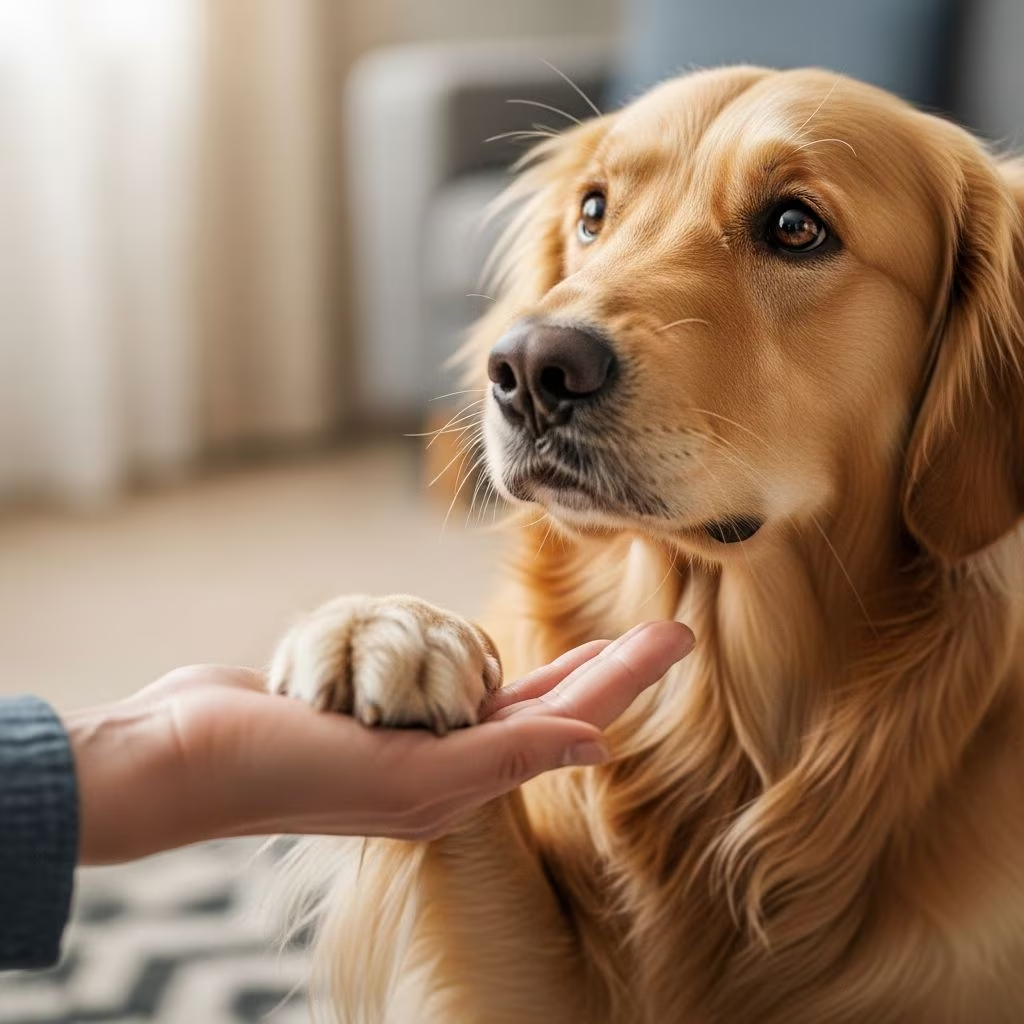
Why Do Dogs Paw at You: A Guide to Understanding Canine Communication
When your dog places a paw on your arm, sits beside you and gently taps your leg, or persistently paws at your hand, they’re engaging in one of the most common forms of canine communication. This behavior, while often endearing, can sometimes be puzzling to pet owners who wonder what their furry companions are trying to express. Dogs paw at us for a variety of reasons, each with its own meaning and context. Understanding these signals is essential for strengthening the bond between you and your pet while also managing any unwanted behaviors that may arise from excessive pawing.
The Origins of Pawing Behavior
Pawing is not a learned behavior that dogs pick up from their environment—it’s an instinctive communication tool that begins in puppyhood. Puppies naturally paw at their mothers to signal hunger and request milk, establishing pawing as a fundamental form of interaction. As dogs grow and transition into their new homes with human families, they quickly discover that this same behavior works effectively with their human caregivers. When a puppy paws at you and receives attention, food, or access to something they want, they learn that pawing is a powerful communication method. This positive reinforcement strengthens the behavior, and dogs continue using it throughout their lives as a reliable way to express their needs and desires.
Main Reasons Why Dogs Paw at You
Dogs paw at their owners for several distinct reasons. Recognizing which reason applies to your dog requires careful observation of the context and accompanying body language. Here are the primary motivations behind this behavior:
Seeking Attention
One of the most common reasons dogs paw at you is simply to get your attention. Dogs relish interaction with their owners and quickly learn that pawing is an effective way to initiate engagement. Whether your dog wants you to stop what you’re doing and focus on them, or they’re seeking petting and affection, a gentle paw on your arm or leg often triggers an immediate response. This behavior becomes reinforced each time you react to it, even if your response is negative. Interestingly, dogs may receive attention regardless of whether you respond positively or negatively—the key is that they got your attention, which is often reward enough.
Expressing Affection and Love
Beyond attention-seeking, pawing can be a genuine expression of love and affection. When dogs rest a paw on your arm while you’re petting them or place their paw on your lap while sitting beside you, they may simply be showing their affection. This behavior is connected to neurochemistry; dogs experience love similarly to humans through chemical reactions involving serotonin, oxytocin, and dopamine. When a dog feels this connection to their owner, they naturally want more contact and closeness, which they express through gentle pawing.
Indicating Physical Needs
Dogs use pawing to communicate various physical needs, and learning to decode these signals helps you respond appropriately. Common physical needs that trigger pawing include:
- Hunger: Many dogs become restless about 30 minutes before mealtime and may paw at their owners as a reminder that feeding time is approaching. If your dog is pawing persistently and their next meal is hours away, offering a long-lasting treat can help satisfy their immediate needs.
- Potty breaks: Pawing behavior often becomes the default signal for when your dog needs to go outside for a bathroom break. Dogs may also paw when they want an outdoor adventure or sniff walk.
- Bedtime reminders: When pet parents stay up past their dog’s regular bedtime, dogs notice these breaks in routine and may use pawing as a gentle reminder that it’s time to go to bed.
- Access to spaces: Whether your dog wants to go inside, outside, into a specific room, or access something they desire, pawing communicates their request for access.
Seeking Reassurance and Comfort
Dogs rely on their owners for protection and security, and when they feel uncertain or anxious, they may paw at you seeking reassurance. During stressful situations like thunderstorms, separation anxiety, or unfamiliar environments, a paw on your arm or leg is your dog’s way of asking for help and comfort. This pawing may be accompanied by other stress signals such as heavy breathing, lowered tail, tucked ears, lip licking, or yawning. Recognizing these accompanying body language cues helps you understand that your dog isn’t being demanding but rather seeking emotional support during a difficult moment.
Managing Anxiety and Stress
Beyond seeking reassurance, pawing can also be a self-soothing mechanism when dogs experience anxiety or stress. When feeling overwhelmed or anxious, dogs may paw at you as a way to cope with their emotions. Understanding this distinction helps you respond with compassion rather than frustration. Providing a calm environment, consistent routine, and positive reinforcement can help reduce stress-related pawing behaviors.
Understanding Your Dog’s Body Language
The key to accurately interpreting your dog’s pawing lies in observing their complete body language and the context in which the behavior occurs. A dog pawing for food may have their ears perked forward and their gaze focused on their food bowl or on you with an expectant expression. A dog seeking reassurance will display defensive postures such as a tucked tail, flattened ears, or a lowered body position. A dog expressing affection typically displays relaxed body language, soft eyes, and may lean into you while pawing.
Pay attention to the intensity and frequency of the pawing as well. Gentle, occasional pawing often indicates affection or a casual request, while persistent, forceful pawing may suggest growing frustration or anxiety. By tuning into these nuances, you’ll develop a clearer understanding of what your dog is trying to communicate with each paw gesture.
How Dogs Learn That Pawing Works
Dogs are remarkably intelligent and quickly learn cause-and-effect relationships. Once a dog pawing behavior results in a desired outcome—whether that’s getting fed, let outside, petted, or simply receiving attention—they understand that pawing is an effective strategy. This learning process explains why pushing a dog’s paw away may actually escalate the behavior rather than stop it; the dog becomes more insistent because they assume you didn’t understand their message the first time. Each time you respond to pawing, you’re reinforcing the behavior, teaching your dog that this method works to get what they want.
This doesn’t mean you should ignore all pawing, as some pawing indicates genuine needs that require your attention. Rather, it means being intentional about which pawing behaviors you reinforce and which you discourage.
Common Pawing Scenarios and What They Mean
| Pawing Scenario | Likely Meaning | Recommended Response |
|---|---|---|
| Gentle paw on your arm while petting | Affection and bonding | Continue petting and affirm the connection |
| Persistent pawing at door or gate | Needs to go outside | Let your dog outside for potty break or exercise |
| Pawing around meal time | Hunger or anticipation | Feed your dog at regular scheduled times |
| Frantic pawing with anxious body language | Stress or anxiety | Provide comfort and create a safe space |
| Repeated pawing for no apparent reason | Seeking attention | Redirect to appropriate activities or toys |
Managing Unwanted Pawing Behavior
While pawing is a natural and often endearing behavior, excessive or inappropriate pawing can become problematic. If your dog’s pawing is causing issues—such as scratching you with their nails, pawing at guests, or interrupting your activities—you may want to manage the behavior. The first step is recognizing what your dog is asking for by observing their body language and the situation. Instead of simply pushing their paw away, try asking questions: “Do you need to go outside? Are you hungry? Do you want to play?” Many dogs know these words, and their behavior will often indicate which need they’re trying to communicate.
When you successfully identify what your dog wants, you can establish a more desirable way for them to request it. For example, if your dog pawing signals they need to go outside, teach them to ring a bell at the door instead. If they’re seeking attention, establish a rule that they must sit quietly before receiving your attention. By providing alternative ways for your dog to communicate their needs, you can reduce unwanted pawing while still addressing their underlying desires.
Keeping your dog’s nails trimmed regularly can also help reduce scratches that result from pawing behavior, making the behavior less problematic from a physical standpoint.
The Role of Training and Reinforcement
Training plays a crucial role in managing pawing behavior. Since dogs learn what works through reinforcement, avoid rewarding unwanted pawing by ignoring it when possible. If you ignore a pawing behavior consistently, your dog will eventually learn that pawing doesn’t achieve the desired result and may try other behaviors instead. However, this extinction process requires patience and consistency from all family members—if even one person sometimes responds to the pawing, it will continue.
Simultaneously, you can teach your dog alternative behaviors that you do want to reinforce. For example, reward your dog with attention and affection when they sit quietly beside you rather than when they paw at you. Reward them for approaching you without pawing and waiting for you to initiate interaction. Over time, your dog will learn which behaviors effectively communicate their needs and get rewarded in your household.
Frequently Asked Questions About Dog Pawing
Q: Is pawing at me a sign that my dog doesn’t respect me?
A: No, pawing is not a dominance or disrespect issue. It’s simply a communication tool that dogs use to express needs and desires. Your dog paws at you because they’ve learned this behavior works with you, not because they’re challenging your authority.
Q: Should I always respond to my dog’s pawing?
A: Not necessarily. While you should address genuine needs like hunger or potty breaks, you don’t need to respond to every attention-seeking paw. Being selective about reinforcement helps your dog learn which pawing behaviors are effective and which aren’t.
Q: Can excessive pawing indicate a health problem?
A: If your dog suddenly starts pawing excessively or displays pawing combined with other unusual behaviors, consult your veterinarian. While behavioral issues are common, sudden changes can sometimes indicate underlying health problems or increased anxiety.
Q: How can I tell if my dog’s pawing is due to anxiety?
A: Anxious pawing is usually accompanied by other stress signals such as a tucked tail, flattened ears, heavy breathing, lip licking, or yawning. The pawing often occurs during stressful situations like storms, fireworks, or when the dog anticipates your departure.
Q: Why does my puppy paw more than my adult dog?
A: Puppies are still learning communication methods and haven’t yet refined their understanding of which behaviors work best. As dogs mature, they typically become more selective about when and how they paw, especially if you’ve taught them alternative communication strategies.
Strengthening Your Bond Through Understanding
When your dog paws at you, they’re initiating a moment of communication and connection. Rather than viewing the behavior as annoying or problematic, consider it an opportunity to understand your dog better and respond to their needs appropriately. Each time you correctly interpret a paw and respond with understanding, you deepen the bond between you and your pet. Over time, you’ll develop an intuitive understanding of what each paw gesture means, making communication with your dog more seamless and rewarding.
Remember that every dog is an individual with unique communication preferences. While some dogs are frequent pawers, others rarely use this behavior. By paying attention to your specific dog’s patterns and body language, you’ll learn to read their unique communication style and respond in ways that strengthen your relationship.
References
- Why Does My Dog Paw My Arm — Amy Shojai. Accessed January 2026. https://amyshojai.com/why-does-my-dog-paw-my-arm/
- What It Means When Dogs Paw at You — Petcube. Accessed January 2026. https://petcube.com/blog/why-do-dogs-put-their-paw-on-you/
- Why Do Dogs Give You Their Paw Without Being Asked? — Ellevetsciences. Accessed January 2026. https://www.ellevetsciences.com/pet-care/why-do-dogs-give-you-their-paw-without-being-asked/
- Why Do Dogs Put Their Paws On People? — PetMD. Accessed January 2026. https://www.petmd.com/dog/behavior/why-do-dogs-put-their-paws-on-people
- Why does my dog put their mouth and paw on me? — Dogs for Good. Accessed January 2026. https://www.dogsforgood.org/good-advice/why-does-my-dog-put-their-mouth-and-paw-on-me/
- How to Stop Your Dog from Pawing at Things — Sit Means Sit Metro Detroit. Accessed January 2026. https://sitmeanssit.com/dog-training-mu/metro-detroit-dog-training/how-to-stop-your-dog-from-pawing-at-things/



