

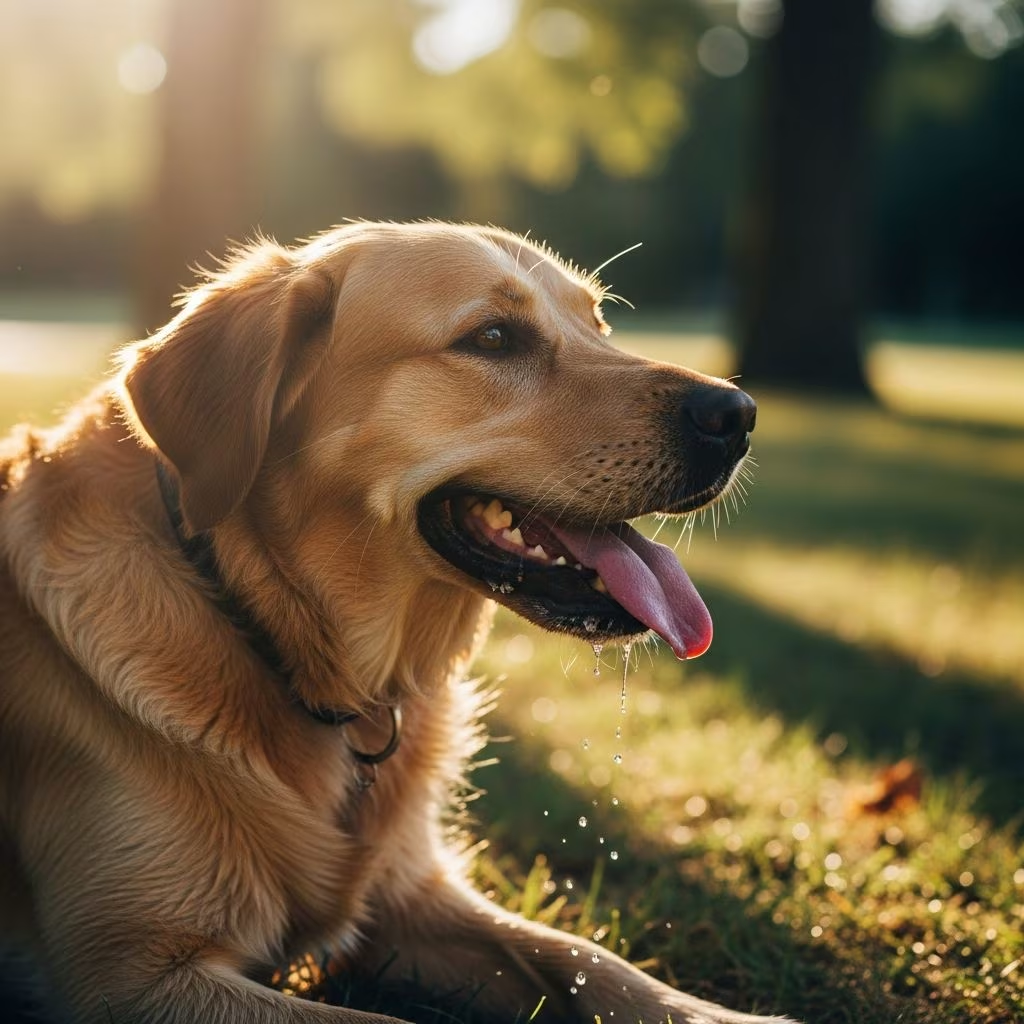
Why Do Dogs Pant? A Complete Guide to Understanding Your Dog’s Behavior
If you’ve ever wondered why your dog pants, especially during warm weather or after playtime, you’re not alone. Panting is one of the most common behaviors in dogs, and understanding the reasons behind it can help you better care for your furry companion. Unlike humans who cool down through sweating across their skin, dogs have evolved a different thermoregulation system. Panting serves as their primary cooling mechanism, and it’s a fascinating process that involves rapid breathing and evaporation.
The Primary Reason Dogs Pant: Temperature Regulation
The most common reason dogs pant is to cool themselves down. Dogs lack the ability to sweat efficiently like humans do. While humans have specialized eccrine sweat glands distributed across their bodies that allow them to perspire and cool down, dogs have only a few sweat glands located on their paw pads and nose. These limited sweat glands serve different purposes entirely—primarily providing traction and grip rather than temperature regulation.
When a dog’s body temperature rises, panting becomes their go-to cooling strategy. During panting, dogs rapidly inhale and exhale air through their mouths. This rapid breathing cycle increases the evaporation of moisture from their nasal passages, mouth, and lungs. The evaporation process pulls heat away from the dog’s body, cooling them from the inside out. This mechanism is remarkably efficient and allows dogs to maintain a healthy body temperature even in challenging conditions.
How Panting Works: The Science Behind the Behavior
Understanding the mechanics of panting reveals why it’s such an effective cooling method for dogs. When dogs pant, they employ a sophisticated pattern of breathing that maximizes evaporative cooling. Research has identified three distinct patterns of airflow that dogs utilize depending on environmental temperature and activity level.
In the first pattern, dogs breathe in and out through their noses—this typically occurs when resting in cool environments. As temperatures rise or activity increases, dogs shift to a second pattern where they inhale through their nose but exhale through both the nose and mouth. When conditions are hottest or during vigorous exercise, dogs switch to the third pattern, breathing in and out through both their nose and mouth simultaneously. This sophisticated system allows dogs to precisely modulate their cooling response based on their immediate needs.
The blood vessels near the mouth and nasal surfaces play a crucial role in this process. As air passes over these areas during panting, the evaporation process cools the blood vessels running close to these surfaces. This cooled blood then circulates throughout the cardiovascular system, gradually reducing the dog’s overall body temperature and maintaining homeostasis.
Normal Reasons for Dog Panting
While panting is primarily a cooling mechanism, dogs pant for several other completely normal reasons:
Heat Exposure
The most obvious trigger for panting is exposure to warm environments. Whether your dog is outside on a sunny day, in a warm car, or inside a heated home, panting helps maintain their body temperature at safe levels. During hot weather, you may notice your dog panting more frequently and intensely as their body works harder to stay cool.
Physical Exercise
After vigorous activity such as running, playing fetch, or hiking, dogs naturally pant as their muscles generate heat and their bodies require cooling. This type of panting is completely normal and should gradually decrease as your dog rests and their body temperature returns to normal.
Excitement and Emotional Arousal
Dogs also pant when they’re excited or emotionally stimulated. Meeting new people, anticipating a walk, receiving treats, or engaging in play can trigger excited panting. This type of panting is typically rapid and shallow, often accompanied by whining or other signs of enthusiasm. It’s a normal behavioral response that reflects your dog’s emotional state rather than a need for cooling.
Stress and Anxiety
Just like humans experience physical responses to stress, dogs do too. When anxious or fearful—such as during thunderstorms, fireworks, or visits to unfamiliar places—your dog’s sympathetic nervous system activates their fight-or-flight response. This triggers panting as their heart rate increases, breathing becomes faster and shallower, and their body prepares to respond to the perceived threat. Understanding that panting can signal stress helps you recognize when your dog needs comfort and reassurance.
When Panting Is Abnormal: Signs of Underlying Issues
While panting is usually a normal behavior, excessive or persistent panting in cool, calm environments can indicate an underlying problem. Understanding the difference between normal and abnormal panting is crucial for maintaining your dog’s health.
Excessive Panting Without Clear Cause
If your dog is panting heavily when resting in a cool environment or during sleep, this warrants veterinary attention. Normal panting should correlate with environmental temperature or physical activity. Healthy dogs typically don’t pant during rest or in cool conditions without a specific reason. Excessive panting in these situations might indicate stress, discomfort, or a medical condition requiring professional evaluation.
Pain and Discomfort
Excessive panting can be a sign that your dog is experiencing pain or discomfort. Whether from an injury, arthritis, dental problems, or other sources of pain, dogs often pant as their body responds to physical distress. If you notice your dog panting heavily and suspect pain might be the cause, have your veterinarian conduct a thorough examination to identify the source.
Stress-Related Conditions
When dogs experience prolonged stress, fear, or anxiety, their bodies increase cortisol production—a steroid hormone produced by the adrenal glands. While cortisol is helpful in managing normal amounts of stress and regulating metabolism, excessive cortisol production leads to increased metabolism and internal body temperature, resulting in excessive panting. Managing your dog’s stress through environmental modifications, behavioral training, and calming techniques can help reduce stress-related panting.
Allergic Reactions
If your dog’s excessive panting is accompanied by vomiting, lethargy, or other unusual symptoms, an allergic reaction or exposure to a toxic substance might be responsible. Allergies can trigger inflammatory responses that affect your dog’s breathing and body temperature regulation. If you suspect an allergic reaction, contact your veterinarian immediately, especially if your dog has ingested something unfamiliar or you’ve changed their food recently.
Medical Conditions Associated with Excessive Panting
Frequent episodes of heavy panting can indicate several chronic health conditions that require professional diagnosis and treatment:
Heart Disease
Heart failure and other cardiac conditions can cause excessive panting as the cardiovascular system struggles to maintain proper circulation. Dogs with heart disease may pant more at rest or during minimal activity, as their compromised heart works harder to meet the body’s oxygen demands.
Cushing’s Disease
This endocrine disorder involves excessive cortisol production, leading to multiple symptoms including excessive panting. Dogs with Cushing’s disease typically also develop a pot-bellied appearance, experience increased thirst and urination, and show changes in skin and coat quality. Early detection and treatment can help manage symptoms and improve quality of life.
Respiratory Disorders
Lung diseases, breathing difficulties, and other respiratory conditions can manifest as increased panting or rapid breathing. These conditions affect your dog’s ability to efficiently exchange oxygen and carbon dioxide, requiring increased respiratory effort and potentially abnormal panting patterns.
Metabolic Abnormalities
Various metabolic conditions can increase your dog’s respiratory rate and cause panting. These might include thyroid disorders, diabetes, or other systemic conditions affecting how your dog’s body processes energy and maintains temperature.
Age-Related Changes in Panting Patterns
As dogs age, their panting patterns often change for several physiological reasons:
Weakened Respiratory Muscles
A dog’s diaphragm and intercostal muscles, which facilitate breathing, naturally weaken with age. Older dogs may find shallow breathing and panting easier than deeper breathing patterns because it requires less muscular effort. This is a natural consequence of aging and doesn’t necessarily indicate a problem, though it’s worth monitoring.
Weight Gain and Obesity
Senior dogs are more prone to obesity, and excess weight strains the cardiovascular system significantly. Overweight dogs must work harder to cool themselves and meet their body’s oxygen needs, resulting in increased panting. Maintaining your older dog at a healthy weight through appropriate diet and exercise helps minimize this issue.
Increased Sensitivity to Stress
Older dogs tend to react more strongly to adrenaline and stress than younger dogs. Situations involving stress, fear, pain, or even excitement can trigger more pronounced panting in senior dogs. Keeping your older dog calm, comfortable, and in familiar environments helps manage stress-related panting.
When to Contact Your Veterinarian
You should seek veterinary attention for your dog’s panting if:
– Your dog pants excessively in cool, calm environments or during rest- Panting is accompanied by vomiting, lethargy, or other unusual symptoms- Your dog shows signs of distress or appears unwell- Panting patterns change suddenly without obvious cause- Your older dog shows a significant increase in panting frequency- You suspect your dog is in pain or has ingested something toxic
How to Help Your Dog Stay Cool
While panting is your dog’s natural cooling mechanism, you can support their thermoregulation efforts:
– Provide access to fresh water at all times- Create shaded areas in your yard and home- Avoid strenuous exercise during the hottest parts of the day- Never leave your dog in a parked car- Consider cooling products like dog cooling mats or vests- Maintain a healthy weight to reduce cooling demands- Keep your home at a comfortable temperature- Groom your dog regularly to prevent matted fur that traps heat
Frequently Asked Questions About Dog Panting
Q: Is it normal for my dog to pant while sleeping?
A: No, panting during sleep is generally not normal and warrants veterinary evaluation. While dreams might occasionally trigger brief panting, persistent panting during sleep could indicate a respiratory issue, pain, or other health concern.
Q: How can I tell if my dog’s panting is abnormal?
A: Normal panting correlates with environmental temperature, physical activity, or emotional arousal. Abnormal panting occurs in cool environments, during rest, or is accompanied by other symptoms like lethargy, vomiting, or behavioral changes.
Q: Can anxiety medications help reduce my dog’s stress-related panting?
A: Yes, for dogs with severe anxiety or stress disorders, veterinarians may recommend medications, behavioral training, or environmental modifications. Consult your vet to develop an appropriate treatment plan.
Q: Does breed affect how much a dog pants?
A: Yes, brachycephalic breeds (flat-faced dogs like Bulldogs and Pugs) are more prone to excessive panting and heat sensitivity due to their airway structure, making them particularly vulnerable to heat stress.
Q: Is panting efficient for cooling dogs in extreme heat?
A: While panting is dogs’ primary cooling mechanism, it becomes less efficient in extremely hot, humid conditions. This is why protecting your dog from extreme heat and ensuring adequate hydration is so important.
References
- Panting in Dogs: Paths of Air Flow in Response to Heat and Exercise — Goldberg, M. E., et al. PubMed Central. 1981. https://pubmed.ncbi.nlm.nih.gov/7280382/
- Why Do Dogs Pant? — Small Door Veterinary. 2024. https://www.smalldoorvet.com/learning-center/medical/why-do-dogs-pant
- Why Do Dogs Pant? What To Know About Dogs and Panting — PetMD. 2024. https://www.petmd.com/dog/general-health/why-do-dogs-pant
- When Panting Is Abnormal: Signs of Underlying Health Problems — Texas Veterinary Medical Foundation. 2024. https://www.tvmf.org/articles/when-panting-is-abnormal/
- How Do Dogs Keep Cool? — Science Friday. 2024. https://www.sciencefriday.com/articles/animals-keep-cool/



