

Why Do Dogs Like Belly Rubs? The Real Reasons Explained
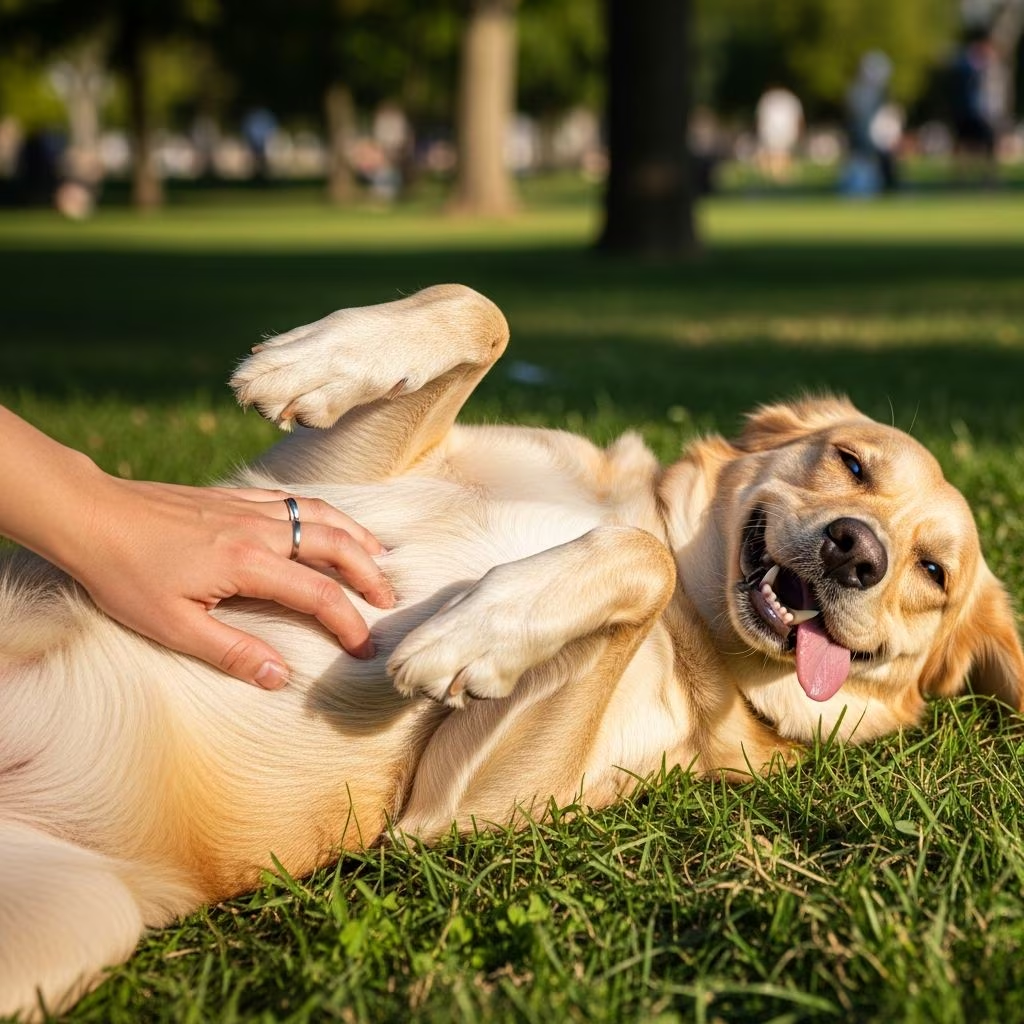
One of the most endearing behaviors dog owners witness is their furry companion flipping onto their back, inviting belly rubs with an irresistible goofy expression. This simple gesture sparks joy in both dogs and their owners, yet many people wonder: why do dogs actually love belly rubs so much? The answer involves a fascinating combination of physical sensation, emotional bonding, and trust-building behavior rooted in canine psychology.
The Physical Science Behind Belly Rubs
Belly rubs feel remarkably good to dogs for several scientifically-backed reasons. The belly is one of the most sensitive areas on a dog’s body, containing numerous nerve endings that respond to touch and stimulation. Mammals, including dogs, possess a specialized type of neuron that reacts to the stimulation of hair follicles, making petting and stroking inherently pleasurable sensations.
The soft hairs on a dog’s belly are particularly effective at triggering these pleasure-inducing neurons. When you gently rub or stroke your dog’s belly, you’re activating these sensitive nerve endings in a way that creates genuinely enjoyable physical sensations. This isn’t merely behavioral preference—it’s rooted in your dog’s neurological makeup.
The physical pleasure derived from belly rubs extends beyond surface-level comfort. These sensations can stimulate the release of oxytocin, commonly known as the “love hormone.” This powerful neurochemical plays a crucial role in promoting feelings of well-being, relaxation, and contentment in dogs. Additionally, belly rubs trigger the release of endorphins—natural mood-lifting chemicals that can even help relieve pain and discomfort in your pet.
Trust and Vulnerability: The Psychology of Belly Exposure
Understanding why dogs expose their bellies requires insight into canine psychology and pack behavior. Dogs are inherently pack animals that thrive on social connections and communication. When a dog rolls onto its back and exposes its belly, it’s displaying a profound gesture of vulnerability and trust.
In the dog world, the belly is the most vulnerable area of the body. By willingly exposing this sensitive region, your dog is essentially communicating: “I trust you completely, and I feel safe in your presence.” This behavior often indicates that your dog considers you a trusted member of its social pack. The act of belly rubbing, therefore, becomes a reinforcement of this trust relationship.
However, it’s crucial to differentiate between a dog genuinely seeking a belly rub and a dog displaying submissive or appeasement behavior. While both involve belly exposure, the underlying intentions and emotional states are quite different.
The Oxytocin Connection: Building Your Bond
One of the most remarkable aspects of belly rubs is their ability to create a powerful feedback loop of bonding through oxytocin release. When you rub your dog’s belly, oxytocin is released in both you and your pet, creating a shared neurochemical experience that enhances feelings of closeness and connection.
This isn’t unique to dogs and humans—oxytocin plays a similar role in strengthening bonds between mothers and babies, and even appears in romantic love between humans. By giving your dog belly rubs, you’re literally engaging in a chemical exchange that makes both of you feel more bonded and emotionally connected.
The more frequently you and your dog engage in positive physical contact like belly rubs, the more oxytocin you both produce. This creates an upward spiral of affection and bonding that enhances your relationship quality and strengthens the human-canine bond over time.
Belly Rubs as a Form of Attention and Affection
Beyond the neurochemistry, belly rubs function as a direct form of attention and affection that communicates love and security to your dog. Any physical contact that feels good to your dog can serve as a way to express your affection while simultaneously providing them with valued attention.
Dogs crave positive attention from their owners, and belly rubs offer a soothing, intimate form of connection. A happy dog receiving belly rubs experiences feelings of being loved, safe, and valued—all essential components of emotional well-being. This type of positive, soothing attention is particularly beneficial for dogs’ mental health and emotional development.
Do All Dogs Like Belly Rubs?
While belly rubs are beloved by many dogs, it’s important to recognize that not all dogs share this preference. Several factors influence whether a dog enjoys belly rubs:
- Individual sensitivity to touch and texture
- Past experiences with physical contact
- Breed characteristics and genetic predispositions
- Personality traits and temperament
- Current emotional or physical state
Some dogs may find belly rubs uncomfortable because the sensation doesn’t feel pleasant to them. Others may feel too vulnerable exposing their underside, regardless of trust levels. Some dogs are particularly ticklish and may react negatively to the sensation. Additionally, dogs with previous negative experiences involving belly handling may be hesitant or resistant to belly rubs.
More dominant breeds or those originally bred for guarding purposes may view belly exposure and rubbing as a sign of submission rather than a request for affection, making them less inclined to enjoy this interaction.
Reading Your Dog’s Body Language: Genuine Interest vs. Submission
A critical skill for dog owners is distinguishing between a dog genuinely seeking a belly rub and a dog displaying submissive behavior. While both involve belly exposure, the body language signals are distinctly different.
Signs Your Dog Wants a Belly Rub:
- Loose, wiggly body language
- Relaxed mouth, possibly slightly open
- Soft eyes with gentle expression
- Wagging tail, often vigorously
- Relaxed ears in normal position
Signs of Submissive or Fearful Behavior:
- Tense, stiff body posture
- Pinned-back ears
- Wide eyes showing the whites
- Tucked tail positioned low
- Potentially trembling or appearing anxious
When a dog is displaying submission as an appeasement gesture, it’s attempting to diffuse social tension and signal that it poses no threat. In these cases, your dog may not actually want a belly rub but is instead communicating anxiety or deference.
One helpful technique is the consent test: gradually stop rubbing and observe your dog’s response. If your dog seeks more contact by pawing at you, staying in place, or opening their posture wider, they’re genuinely enjoying the interaction. If they seem relieved to move away, respect their preference.
Alternatives for Dogs Who Don’t Enjoy Belly Rubs
If your dog doesn’t like belly rubs, there are numerous alternative ways to show affection and provide positive physical contact. Dogs have individual preferences regarding where they enjoy being touched, and respecting these preferences actually strengthens your bond.
Many dogs prefer having their chest, ears, or hindquarters as the focus of attention. Some dogs enjoy gentle head scratches, ear massages, or back rubs. Others may prefer less contact overall but enjoy other forms of interaction like playing fetch, training sessions, or simply spending quiet time together.
If your dog shies away from any physical contact, respect their feelings and interact in ways they genuinely enjoy. Just as it’s unwise to force hugs on humans who don’t want them, forcing physical contact on dogs who prefer other forms of interaction can damage your relationship and increase anxiety.
How to Give Your Dog an Excellent Belly Rub
If your dog loves belly rubs, mastering different techniques ensures they receive maximum enjoyment from this bonding activity. As individuals, dogs have varying preferences for the type and intensity of physical contact they enjoy.
Belly Rub Techniques to Experiment With:
- Long, flowing strokes from chest to hind legs
- Circular motions using your palm
- Gentle circular motions using your fingernails lightly
- Soft patting for a few seconds at a time
- Combination of techniques varying pressure and speed
The best approach is to pay close attention to how your dog responds to each technique. Try one method for several strokes, then take a brief break to observe your dog’s reaction.
Positive Response Indicators:
- Your dog relaxes into your motions
- Audible sighing or contentment sounds
- Requesting more by pawing at you
- Remaining in place without attempting to move away
- Opening their posture even wider
- Eyes closing or appearing drowsy
When you observe these signs, you’ve found a technique your dog genuinely enjoys. Continue with that approach while remaining alert to any changes in body language that might indicate discomfort or overstimulation.
Can Belly Rubs Strengthen Your Human-Dog Bond?
Absolutely. Any activity enjoyed together and by mutual consent can significantly benefit your relationship with your dog. Belly rubs, like other forms of petting, offer a remarkable opportunity for a positive feedback loop of oxytocin and bonding.
The power of petting extends far beyond simple physical contact. Research indicates that petting can lower blood pressure, reduce stress, and promote relaxation in both dogs and humans. Regular belly rubs and other positive physical interactions contribute to improved quality of life for both you and your pet.
This bonding effect is particularly powerful because belly rubs involve vulnerability, trust, and mutual enjoyment. When your dog willingly exposes their belly to you and relaxes into your touch, they’re reinforcing their trust in you. Simultaneously, you’re responding to their vulnerability with gentleness and care, deepening the emotional connection between you.
The accumulated effect of regular positive interactions like belly rubs creates a stronger, more resilient bond that benefits both dog and owner throughout the pet’s lifetime.
Frequently Asked Questions
Q: Why does my dog suddenly stop wanting belly rubs?
A: Changes in belly rub preferences can result from various factors including physical discomfort, past negative experiences, or simply changing preferences. If your dog’s behavior changes dramatically, consult your veterinarian to rule out underlying health issues or pain.
Q: Is it bad if my dog doesn’t like belly rubs?
A: Not at all. Every dog has unique preferences for physical contact. Some dogs simply don’t enjoy belly rubs and prefer other forms of affection. Respecting your dog’s preferences actually strengthens your bond and demonstrates understanding of their individual needs.
Q: How can I tell if my dog is ticklish during belly rubs?
A: Dogs who are ticklish may react with sudden movements, flinching, or trying to grab your hand with their mouth in a playful manner. If ticklishness seems to be a factor, try using firmer pressure or longer strokes instead of light, quick touches.
Q: Is it safe to belly rub a puppy?
A: Yes, belly rubs are generally safe and beneficial for puppies as they help build trust and bonding from an early age. However, be gentle with puppies as their skin is more sensitive, and always watch for signs that they want to stop.
Q: Why does my dog sigh during belly rubs?
A: Sighing during belly rubs typically indicates contentment and relaxation. It’s a positive sign that your dog is enjoying the experience and feeling comfortable and safe in your presence.
Q: Can belly rubs help calm an anxious dog?
A: For dogs who enjoy belly rubs, this activity can be soothing and help reduce anxiety through the release of calming neurochemicals. However, for anxious dogs who don’t enjoy belly rubs, forcing the interaction could increase stress.
References
- Why Do Dogs Like Belly Rubs? The Real Reasons Explained — Kinship. https://www.kinship.com/dog-behavior/do-dogs-like-belly-rubs
- The Heartwarming Truth Behind Your Dog’s Belly Rub Obsession — Greater Good. https://greatergood.com/blogs/news/dog-belly-rubs
- Why Do Dogs Like Belly Rubs — VO Vets. https://vovets.com/blog/why-do-dogs-like-belly-rubs/
- Why Exposed Bellies Mean Different Things — Spay Neuter Network. https://spayneuternet.org/pet-education/why-exposed-bellies-mean-different-things/



