

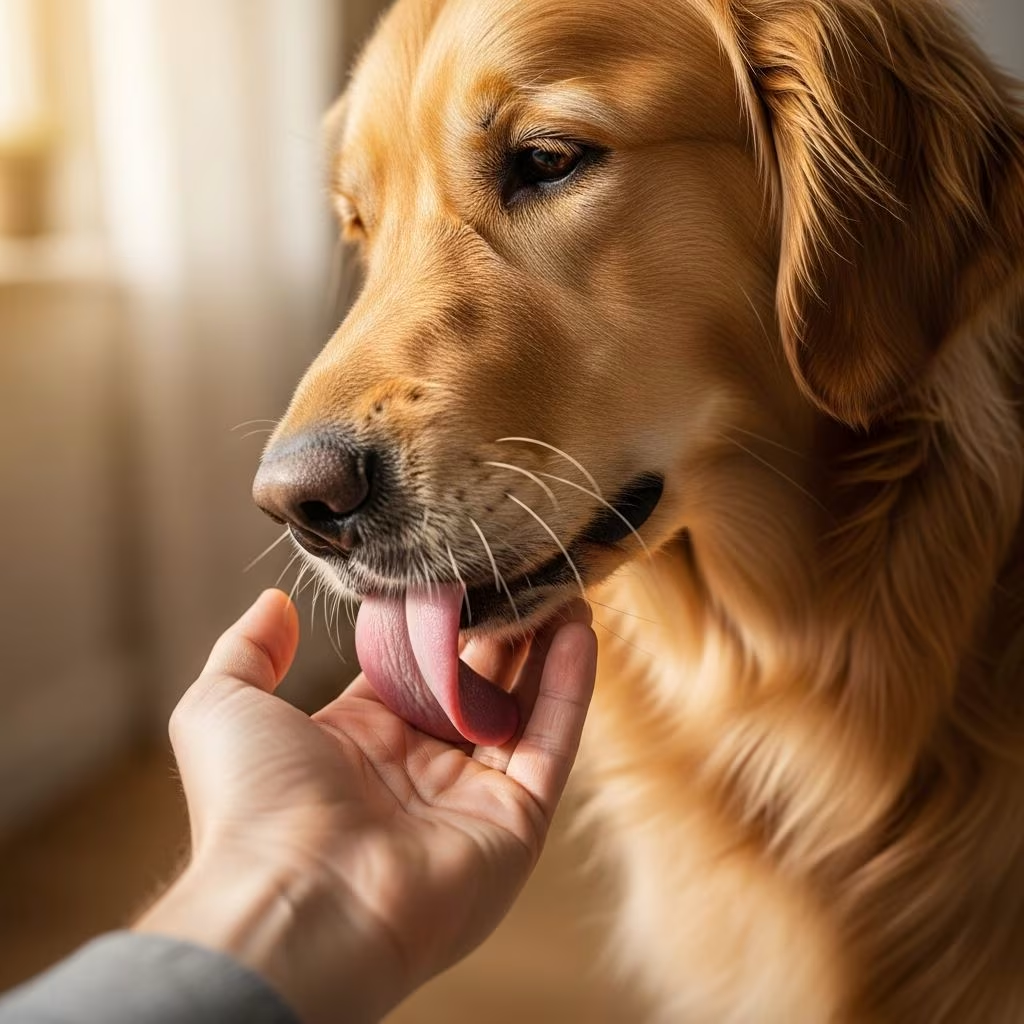
Why Do Dogs Lick You: Understanding Your Canine Companion
If you’re a dog owner, you’ve likely experienced your furry friend’s enthusiastic licking. Whether it’s a gentle lick on your hand or an energetic face lick when you come home, this behavior is one of the most common ways dogs interact with their humans. But have you ever wondered what your dog is actually trying to communicate through all those licks? Understanding why your dog licks you can strengthen your bond and help you better interpret your pet’s needs and emotions.
Licking is a natural instinct for dogs that begins from the moment they’re born. When puppies arrive, their mother licks them to clean and stimulate them, and during their first few weeks of life, mother dogs use licking to encourage their puppies to urinate and defecate. This early experience shapes how dogs communicate throughout their lives, making licking a fundamental part of canine behavior. As your dog grows, this instinctive behavior evolves into a complex form of communication that can mean many different things depending on the context and frequency.
The science behind dog licking is fascinating. When dogs lick, their brains release endorphins—neurotransmitters that create feelings of calm and relaxation. This release of endorphins is followed by dopamine, another neurotransmitter associated with pleasure and motivation. This means that when your dog licks you, they’re not just trying to communicate; they’re also experiencing a pleasant sensation that reinforces the behavior. Understanding these seven common reasons why dogs lick will help you decode your pet’s behavior and respond appropriately to their needs.
1. Affection and Bonding
The most common reason dogs lick people is to show affection. Licking is your dog’s way of expressing love and reinforcing their emotional bond with you, much like how humans hug or kiss their loved ones. When your dog licks you, they’re essentially saying, “I care about you,” and they’re releasing those feel-good endorphins we mentioned earlier.
This affectionate licking is especially noticeable when you return home after being away. Your dog’s excited licks are their enthusiastic greeting, their way of expressing that they missed you and are thrilled to have you back. The repetitive nature of this behavior creates a positive feedback loop—your happy response to their licking encourages them to repeat it in the future. If you smile, talk excitedly, or pet your dog when they lick you, you’re reinforcing this affectionate behavior and making it more likely to happen again.
It’s important to recognize that this form of affection is deeply rooted in your dog’s evolutionary history. Dogs are descended from wolves, and when wolves in a pack reunite after a hunt, other pack members swarm around and lick the returning wolves’ faces. This ancestral behavior translates to your dog’s modern-day greeting when you come home from work or a day out.
2. Communication and Attention-Seeking
Beyond simple affection, dogs use licking as a sophisticated communication tool. When your dog licks you persistently, they might be trying to tell you something specific about their needs or desires. This could range from signaling hunger or thirst to simply wanting to play, cuddle, or go for a walk. Your dog has learned through experience that licking elicits a response from you—whether that’s petting, talking, or giving them a treat.
Dogs are intelligent animals that quickly learn cause-and-effect relationships. If licking has resulted in positive attention in the past, your dog will continue to use this behavior as a primary way to get your attention. This is particularly true if you live a busy lifestyle and might not always notice other, subtler signals your dog is trying to send. In essence, your dog has learned that licking is an effective way to get you to focus on them and their needs.
In some cases, licking can also indicate submission or deference. By licking, a dog may be showing respect and acknowledging you as their leader or protector in the household hierarchy. This submissive licking is a way for your dog to communicate that they trust you and recognize your role as the authority figure in their life.
3. Exploration and Sensory Experience
Dogs explore their world through their senses in ways that are fundamentally different from humans. A dog’s tongue is an incredibly sensitive tool that can detect tastes, textures, and even chemical signals from your skin. This sensory exploration is a crucial part of how dogs understand and interact with their environment and their human companions.
Your dog may lick specific areas of your body because those areas provide interesting sensory information. For example, if you’ve been sweating, your dog might lick your hands, face, or arms to taste the salt on your skin and explore the scents present there. Your hands, in particular, carry a wealth of information—they come into contact with food, other animals, and countless objects throughout the day, all of which leave traces that your dog finds fascinating.
Your face is another area dogs frequently lick for sensory reasons. Your face contains both eccrine glands on your cheeks and forehead, which leave a salty flavor, and apocrine glands in your eyelids and nostrils, which produce distinctive odors. Additionally, after you eat, your lips and mouth contain all sorts of attractive smells and tastes for your dog, which may explain why some dogs really want to plant a slobbery kiss right on your lips. This is why your dog might intensify their licking behavior around mealtime or after you’ve eaten.
4. Stress Relief and Self-Soothing
For some dogs, licking serves as a coping mechanism to deal with stress, anxiety, or discomfort. Similar to how humans might bite their nails, tap their fingers, or fidget when nervous, dogs may lick themselves or their owners to calm down and self-soothe. The repetitive motion of licking has a soothing effect on a dog’s nervous system, helping them feel more relaxed and in control when they’re experiencing anxiety.
If you notice that your dog’s licking seems excessive or compulsive—particularly if it’s focused on one area of their own body—it might be worth consulting a veterinarian or a certified animal behaviorist. Excessive licking can sometimes indicate underlying anxiety, stress disorders, or other behavioral issues that may benefit from professional intervention. Dogs experiencing separation anxiety, thunderstorm phobias, or other stressful situations may resort to compulsive licking as a way to self-regulate.
Understanding this aspect of your dog’s behavior is important because it helps you recognize when your pet might be struggling emotionally. Rather than simply discouraging the licking, you might address the underlying stress or anxiety that’s causing the behavior in the first place.
5. Health-Related Reasons
In some cases, a dog’s licking behavior could be directly related to their physical health. Dogs lick wounds or sores naturally because their saliva contains enzymes that can aid in cleaning and healing minor injuries. However, this instinctive behavior can sometimes cause more problems than it solves, as excessive licking can lead to irritation or infection.
If your dog focuses on licking a particular area of your body repeatedly, it’s worth investigating that area for any cuts, scrapes, or skin irritations you might not have noticed. Your dog’s sensitive nose might have detected something through scent that warrants your attention. Additionally, excessive licking of your dog’s own skin could indicate allergies, dry skin, or dental problems. If your dog’s licking behavior is accompanied by other symptoms such as redness, hair loss, irritation, or a foul odor, it’s essential to consult a veterinarian to rule out underlying health issues.
6. Exploration of Their Environment
Dogs experience the world differently than humans, relying heavily on their sense of smell and taste rather than sight alone. When dogs lick you, they’re not just seeking affection or attention—they’re also trying to learn more about you as an individual. Your skin carries a wealth of information that tells your dog’s brain stories about where you’ve been, what you’ve eaten, and whom you’ve been around.
Puppies, in particular, use their mouths to explore their surroundings, and licking is a natural and necessary extension of this exploratory behavior. Even as dogs mature into adulthood, they continue to use licking as a primary way to gather sensory information about their environment and the people in it. This is especially true for puppies in their first months of life, when their sense of smell and taste are still developing and they’re learning to navigate the world around them.
7. Because It’s a Learned Behavior
Over time, your dog may have learned that licking gets a positive and rewarding reaction from you. Whether it’s a laugh, a pat on the head, verbal reassurance, or a treat, your response reinforces the behavior and makes it more likely to occur in the future. This learned association can make licking a habitual way for your dog to interact with you and get what they want.
For example, if you’ve rewarded your dog with treats or enthusiastic attention when they lick you, they’re likely to repeat the action because they’ve learned it leads to positive outcomes. This doesn’t mean you should discourage all licking, but understanding its learned nature can help you manage the behavior more effectively if it becomes excessive or occurs at inappropriate times. By being mindful of how you respond to your dog’s licking, you can shape this behavior in ways that work for both you and your pet.
Managing Your Dog’s Licking Behavior
While dog licking is generally a normal and healthy behavior, there are times when you might want to discourage it or redirect it. If your dog’s licking becomes excessive or happens at inappropriate times, you can employ several training techniques to manage the behavior.
One effective approach is to redirect your dog’s attention when they start licking excessively. Offer them a toy, suggest a walk, or engage them in playtime. By providing an alternative activity, you’re teaching your dog a more acceptable way to interact with you and get your attention. Another technique is to remain calm and ignore the licking if it’s attention-seeking behavior—dogs are less likely to continue a behavior that doesn’t get them the attention they’re seeking.
If your dog’s licking seems compulsive or is accompanied by other concerning symptoms, consult with your veterinarian or a certified animal behaviorist. They can help you determine whether there’s an underlying medical or behavioral issue that needs to be addressed.
Frequently Asked Questions
Q: Is it safe to let my dog lick my face?
A: While dogs’ saliva does have some antibacterial properties, allowing your dog to lick your face does carry some hygiene risks. Dogs explore the world with their mouths and may carry bacteria. If you’re concerned, you can gently redirect your dog’s licks to other areas like your hands or arms, or teach them to lick on command only.
Q: Why do dogs lick their own wounds?
A: Dogs instinctively lick their wounds because their saliva contains enzymes that may help clean and heal minor injuries. However, excessive licking can lead to irritation or infection, so it’s essential to monitor the behavior and consider using an Elizabethan collar if your dog won’t stop licking an injury.
Q: Can excessive licking be a sign of anxiety in dogs?
A: Yes, dogs may lick excessively as a coping mechanism when they are stressed or anxious. If you notice compulsive licking behavior, consult your veterinarian or a certified animal behaviorist to address the underlying anxiety.
Q: Do dogs lick you because they like your taste?
A: Sometimes! Dogs may lick you because your skin tastes salty or because they enjoy the flavor of lotions, food residues, or other products on your skin. Your hands and face, in particular, carry interesting tastes and smells that naturally attract your dog’s attention.
Q: How can I stop my dog from licking me if it bothers me?
A: You can redirect your dog’s attention to toys or activities, ignore attention-seeking licking, or teach them a “no lick” command with consistent positive reinforcement. Working with a professional dog trainer can also help you develop effective strategies tailored to your specific situation.
Q: What does it mean when my dog licks other dogs?
A: When dogs lick each other, it’s typically a form of social bonding, mutual grooming, or communication of affection. Dogs may also lick other dogs’ faces to show appeasement or establish peaceful interactions within their social group.
References
- Why Do Dogs Lick You? 7 Common Reasons — Dogsee. Accessed November 28, 2025. https://www.dogseechew.in/blog/why-do-dogs-lick-you-7-common-reasons
- Why Do Dogs Lick People — Science Focus. Accessed November 28, 2025. https://www.sciencefocus.com/nature/why-do-dogs-lick-people
- Why Do Dogs Lick You? — PetMD. Accessed November 28, 2025. https://www.petmd.com/dog/behavior/why-do-dogs-lick-you
- Why Does My Dog Lick Me? — WebMD Pets. Accessed November 28, 2025. https://www.webmd.com/pets/dogs/why-does-my-dog-lick-me
- Expert Explains Why Dogs Lick You — CBS News. Accessed November 28, 2025. https://www.cbsnews.com/news/why-dogs-lick-you-expert-explains/
- Why Does My Dog Lick Me? — American Kennel Club. Accessed November 28, 2025. https://www.akc.org/expert-advice/advice/why-is-my-dog-licking-me/



