

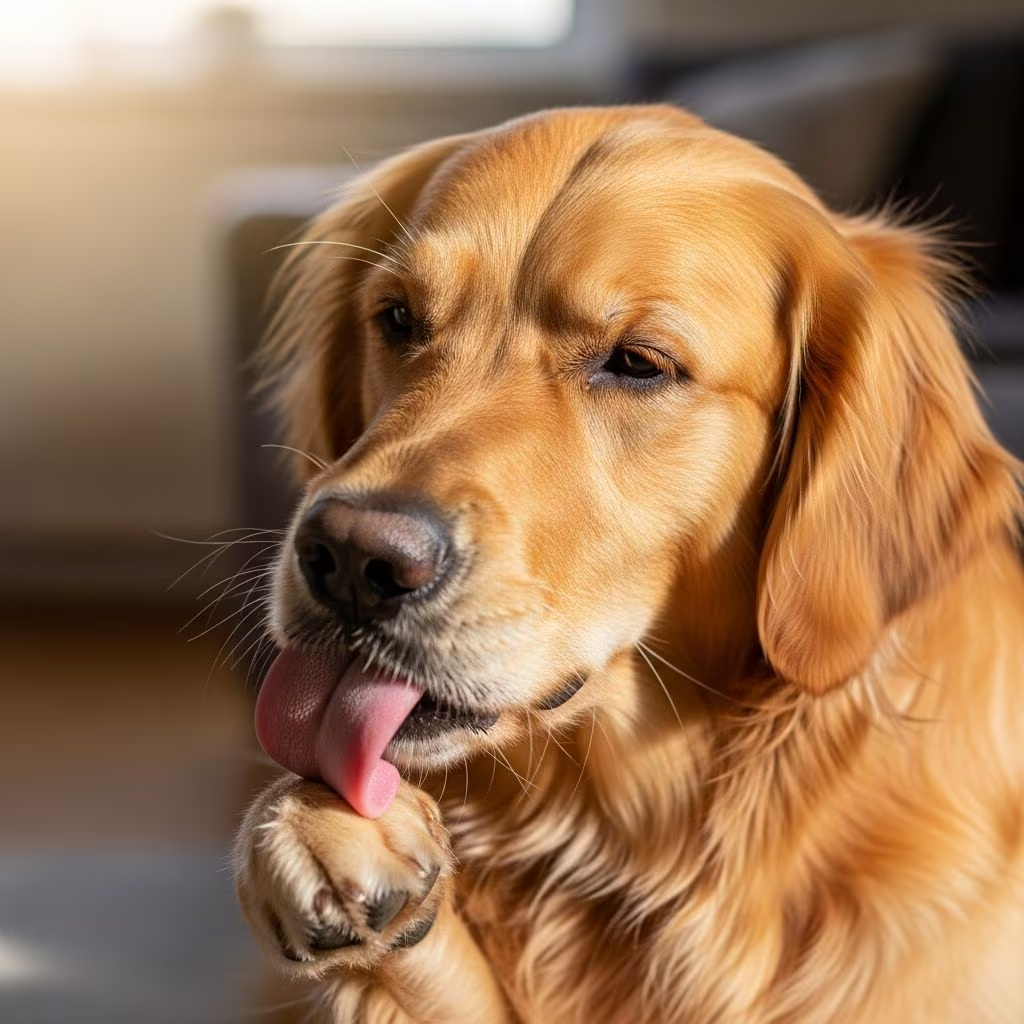
Dogs licking themselves is a common sight for pet owners, but understanding the motivations behind this behavior can reveal much about your dog’s health and well-being. While moderate self-licking is a natural grooming instinct, excessive licking may indicate underlying issues ranging from stress to medical conditions. This comprehensive guide breaks down the reasons dogs lick themselves, when to be concerned, and practical steps to help your pup.
The Natural Instinct of Licking in Dogs
Licking is an innate behavior for dogs, rooted in their earliest experiences. Puppies lick their mother’s face and body to stimulate milk flow and receive comfort, establishing licking as a soothing activity from birth. As adults, dogs retain this instinct, using their rough tongues—covered in papillae that act like tiny brushes—to groom themselves, explore their environment, and maintain hygiene. This self-grooming helps remove dirt, distribute natural oils across the coat, and even cool down the body through evaporation.
Normal licking occurs after meals, potty breaks, or play sessions to clean up. It’s focused, brief, and doesn’t lead to bald spots, redness, or irritation. However, when licking becomes obsessive or targets one area persistently, it shifts from instinctual to problematic.
Normal vs. Excessive Licking: How to Tell the Difference
Distinguishing healthy grooming from excessive licking is crucial for timely intervention. Normal licking is occasional, widespread, and doesn’t cause skin damage. Your dog might lick paws after a walk or the belly after eating—these are hygiene-driven and stop naturally.
Excessive licking, on the other hand, is relentless, often localized (paws, flanks, genitals, or joints), and results in visible signs like hair loss, red inflamed skin, hot spots, or lick granulomas (thickened, ulcerated skin from constant moisture). It may occur at night or when alone, interrupting sleep or daily activities. Triggers include circling the affected area, whining, or restlessness. If licking exceeds 30 minutes daily or causes wounds, consult a vet promptly.
- Normal signs: Brief sessions post-activity, clean coat, no skin changes.
- Excessive signs: Constant focus on one spot, bald patches, odor, infection risk from saliva buildup.
Behavioral Reasons Dogs Lick Themselves
Behavioral causes often stem from emotional or environmental factors. Dogs lick to self-soothe, releasing endorphins and dopamine for calm, much like humans bite nails under stress.
Boredom and Understimulation
Bored dogs lick themselves as an outlet for pent-up energy. Lack of exercise, mental toys, or social interaction leads to repetitive behaviors. Breeds like Labs or Border Collies, needing high stimulation, are prone. Solution: Increase daily walks (30-60 minutes), puzzle toys, and training sessions.
Anxiety and Stress
Separation anxiety, loud noises (thunder, fireworks), routine changes, or new pets trigger stress-licking. Dogs lick paws or flanks to cope, reducing cortisol while boosting feel-good chemicals. Observe if licking worsens when alone. Management includes calming aids, desensitization training, and vet-prescribed anxiety meds if severe.
Attention-Seeking
Some dogs learn licking garners owner attention—even scolding reinforces it. They may lick excessively when ignored, stopping once noticed. Break the cycle by ignoring the behavior and rewarding calm moments with praise or play.
Compulsive Disorders
Rarely, licking escalates to canine OCD, with genetic links in breeds like Dobermans or Great Danes. It becomes ritualistic, unaffected by distraction. Professional behaviorists use fluoxetine-like meds and behavior modification.
Medical Causes of Excessive Licking
Up to 60% of excessive licking cases tie to health issues, per veterinary studies. Rule out medical causes first via vet exam, skin scrapes, bloodwork, or allergy tests.
Allergies and Skin Irritations
The top culprit: Allergies cause itchy skin, prompting nonstop licking. Types include:
- Environmental: Pollen, dust, molds—seasonal, affecting paws, belly.
- Food: Proteins like beef/chicken—year-round itching.
- Flea Allergy Dermatitis: Single bite triggers severe reaction.
- Contact: Grass, shampoos irritate paws.
Symptoms: Red, scabby skin; secondary infections from licking. Treatments: Antihistamines, hypoallergenic diets, flea preventives, medicated baths.
Infections
Bacterial (pyoderma), yeast (Malassezia), or fungal infections thrive in moist licked areas, worsening the cycle. Parasites like mites (Demodex) or fleas cause itch. Vets diagnose via cytology; antibiotics, antifungals, or topicals resolve most.
Pain and Injuries
Dogs lick sore spots—joints (arthritis), wounds, surgical sites—for endorphin relief. Check for limping, swelling. Pain meds or joint supplements help.
Gastrointestinal Issues
Nausea, reflux, or upset stomach prompts air/floor licking or lip-smacking. Accompanied by vomiting, diarrhea, appetite loss. Diet trials or anti-nausea meds address it.
Dental Problems
Tooth decay, gingivitis, or foreign objects cause mouth licking/pawing. Bad breath, drooling signal need for dental cleaning.
Endocrine Disorders
Cushing’s disease (hyperadrenocorticism) or hypothyroidism leads to thin skin, itching. Blood tests confirm; hormone therapy manages.
Anal Gland and Genital Issues
Impacted glands or UTIs cause hind-end licking. Scooting, bloody urine warrants vet expression or antibiotics.
| Condition | Common Sites | Symptoms | Treatment |
|---|---|---|---|
| Allergies | Paws, belly | Itch, redness | Diet change, meds |
| Infections | Any moist area | Odor, pus | Antibiotics |
| Pain | Joints, wounds | Limping | Pain relief |
| GI Upset | Air, lips | Vomiting | Anti-nausea |
When to See a Vet for Excessive Licking
Seek professional help if licking persists >1-2 weeks, causes skin damage, or pairs with lethargy, weight loss, or behavioral changes. Vets perform physical exams, diagnostics (skin scrapes, biopsies, ultrasounds), and rule out systemic diseases. Early intervention prevents complications like chronic infections or acral lick dermatitis.
How to Stop Excessive Licking in Dogs
Treatment combines vet care and home strategies:
- Environmental enrichment: More exercise, toys, rotation of activities.
- Barrier methods: Elizabethan collar (cone), socks, bitter sprays (non-toxic).
- Training: Redirect with commands like “leave it”; positive reinforcement.
- Medications: Anti-anxiety (e.g., trazodone), allergy shots.
- Dietary changes: Hydrolyzed protein foods for allergies.
- Professional help: Behaviorists for OCD-like cases.
Monitor progress; track licking duration/sites in a journal for vet visits.
Frequently Asked Questions (FAQs)
Is it normal for dogs to lick their paws?
Occasional paw licking cleans debris, but constant licking signals allergies, anxiety, or injuries. Check for redness.
Why does my dog lick their private areas so much?
Often anal gland issues, UTIs, or allergies. Excessive genital licking needs vet evaluation to rule out infections.
Can stress cause a dog to lick excessively?
Yes, stress releases calming endorphins via licking. Address triggers like separation with exercise and calming aids.
How do I prevent lick granulomas?
Interrupt early with cones, treat underlying causes (allergies/pain), and enrich environment to curb boredom.
Are certain breeds more prone to excessive licking?
High-energy breeds (Labs, Shepherds) from boredom; OCD-prone like Dobermans. Genetics play a role.
References
- The Science Behind the Slurp: Why Dogs Engage in Excessive Licking — Rearoad Animal Hospital. 2023. https://www.rearoadanimalhospital.com/the-science-behind-the-slurp-why-dogs-engage-in-excessive-licking/
- Excessive Self-Licking or Chewing — Loving Pets Products. 2024. https://lovingpetsproducts.com/blog/excessive-selflicking-or-chewing/
- Dog Licking Excessively? 12 Reasons & When to See a Vet — Caring Hands Vet. 2023. https://caringhandsvet.com/12-reasons-dogs-lick-excessively-and-when-to-be-concerned/
- Why Dogs Lick Their Privates — VCA Animal Hospitals. 2025. https://vcahospitals.com/know-your-pet/why-dogs-lick-their-privates
- Excessive Licking, Chewing, and Grooming in Dogs — PetMD. 2024. https://www.petmd.com/dog/general-health/excessive-licking-chewing-and-grooming-dogs



