

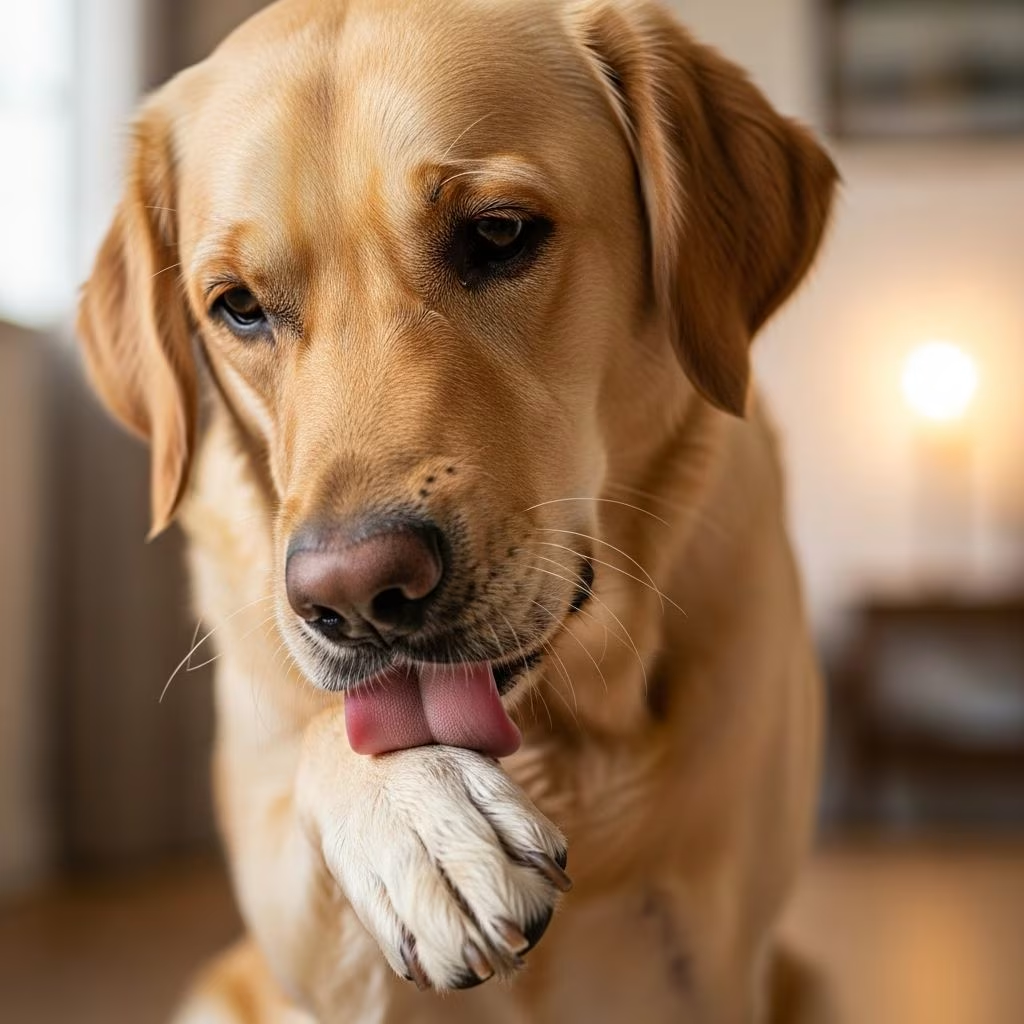
Why Do Dogs Lick Their Paws?
Paw licking is one of the most common behaviors dog owners observe in their pets, yet it can be confusing to determine whether your dog is engaging in normal grooming or if excessive licking signals an underlying problem. While occasional paw licking is completely normal and healthy—a sign that your furry friend is maintaining cleanliness—excessive or obsessive licking can indicate various physical or behavioral concerns that warrant attention.
Understanding the reasons behind your dog’s paw licking behavior is essential for maintaining their health and well-being. From minor irritations to serious medical conditions, the causes of excessive paw licking vary widely. By learning to recognize the signs and understanding the potential triggers, you can take appropriate action to help your dog feel more comfortable and prevent complications.
Normal Grooming vs. Excessive Licking
Dogs naturally lick their legs, paws, and tails to remove debris and keep themselves clean. This is a normal, healthy behavior and a sign that your furry friend wants to maintain personal hygiene. However, when paw licking becomes excessive or obsessive, it may indicate that something is wrong.
Excessive paw licking typically involves your dog focusing on one or more paws repeatedly throughout the day, often to the point of causing visible damage to the skin or fur. If you notice your dog constantly licking their paws, limping, or showing signs of irritation, it’s time to investigate the underlying cause and seek veterinary guidance if necessary.
Common Causes of Excessive Paw Licking
Allergies and Skin Sensitivities
Allergies are among the most common culprits behind excessive paw licking in dogs. Dogs can develop three main types of allergies that affect their paws: environmental allergies, food allergies, and contact allergies.
Environmental allergies occur when dogs react to substances in their surroundings. Common environmental allergens include grass, pollen, mold spores, dust mites, and household cleaners. These allergens trigger an inflammatory chronic skin disease known as atopic dermatitis, which causes itching and irritation on the paws and other parts of the body.
Food allergies can also manifest as itchy paws. Dogs may experience allergic reactions to specific ingredients in their food, such as dairy, wheat, soy, beef, or chicken. If your pup displays paw licking behavior following mealtimes or after eating certain foods, food allergies may be the culprit.
The seasonal nature of many allergies can help you identify environmental triggers. If your dog’s licking intensifies during specific times of the year or after walks outside, allergies are likely contributing to the behavior. Additional symptoms of allergies may include sneezing, swollen eyes, or a runny nose.
Parasites
Parasites such as fleas, ticks, lice, and mites are significant contributors to excessive paw licking. Since dogs explore the world on four legs, their paws are naturally the first spot where many parasitic critters settle. These parasites irritate your dog’s skin and cause intense itching that prompts constant licking and scratching.
Certain parasites can carry additional health risks. Specific ticks may transmit diseases, while particular mites can carry mange—a serious skin disease that requires veterinary treatment. If you suspect your dog has parasites, a veterinarian can recommend appropriate treatments to eliminate these pests and relieve the associated itching.
Injuries and Foreign Objects
Minor injuries and foreign objects lodged in the paw are common localized causes of excessive licking. Dogs may step on sharp objects, hot pavement, or encounter thorns and insect bites that cause discomfort. Small irritants such as grass seeds, splinters, burrs, or tiny cuts can all prompt paw licking as your dog attempts to clean the area themselves, which can sometimes make things worse.
When injury or foreign object irritation is the cause, your dog typically focuses on a specific paw more than others. You may also notice limping or visible signs of injury. Always inspect between toes and paw pads for signs of injury, swelling, bleeding, or embedded objects.
Skin Infections
Continuous moisture from constant licking creates an ideal environment for bacterial or yeast infections to develop. These infections can occur as a secondary consequence of other underlying conditions such as allergies, environmental factors, or repeated paw licking. Malassezia yeast and bacterial pyoderma are common types of infections that develop in dogs’ paws.
Skin infections typically cause a musty smell, visible redness, swelling, and sometimes pus or scabbing. The infection itself becomes itchy, which prompts even more licking and chewing, creating a frustrating cycle of discomfort. Professional veterinary treatment is essential to break this cycle and prevent further complications.
Pain and Arthritis
Pain from various sources can prompt dogs to lick their paws as a self-soothing mechanism. Older dogs, in particular, may lick their feet due to arthritis or joint pain. Any discomfort in the paw area—whether from acute injury or chronic conditions—can lead to excessive licking as your dog attempts to manage their discomfort.
Anxiety, Stress, and Boredom
Sometimes paw licking isn’t physical—it’s emotional. Dogs may develop compulsive licking when they’re anxious, stressed, or under-stimulated. This behavior functions as a coping mechanism, similar to humans biting their fingernails or pulling at hair when nervous.
Dogs left alone for extended periods or experiencing changes at home may resort to obsessive paw licking to self-soothe. In these cases, the licking behavior often leads to what’s called a lick granuloma, or acral lick dermatitis, where the dog obsessively licks a specific paw or nearby area until a large, hairless, inflamed area develops.
Signs That Warrant Veterinary Attention
While occasional paw licking is normal, certain signs indicate you should schedule a veterinary appointment:
- Persistent, aggressive, or obsessive paw-licking that doesn’t improve with home care
- Visible signs of injury, such as cuts, swelling, or bleeding
- Redness, irritation, or discharge in the paw area
- Foul odor or unusual changes in the appearance of the paws
- Changes in your dog’s overall behavior, appetite, or energy levels
- Limping or difficulty walking
- Hair loss or bald patches on the paws
- Signs of infection or secondary skin problems developing
Your veterinarian will examine your dog, conduct necessary tests or diagnostics, and provide a proper diagnosis. They can determine the underlying cause of excessive paw licking and recommend appropriate treatment options tailored to your pet’s specific situation.
Solutions and Treatment Options
Managing Allergies
If allergies are causing your dog’s paw licking, your veterinarian may recommend several approaches. Keeping your dog clean and washing their paws regularly can help alleviate environmental allergy-related symptoms. For food allergies, your vet may suggest a special diet or systematic elimination of certain ingredients to identify the problematic components.
Environmental management is also crucial. During high pollen seasons, consider limiting outdoor time or wiping your dog’s paws after walks to remove allergens. Using air purifiers and maintaining a clean living space can reduce exposure to dust mites and mold spores.
Parasite Prevention and Treatment
Regular parasite prevention is essential for reducing excessive paw licking caused by fleas, ticks, and mites. Your veterinarian can recommend appropriate preventative treatments and medications based on your dog’s age, weight, and health status. If your dog already has parasites, prompt treatment will help eliminate the infestation and relieve the associated itching.
Treating Skin Infections
When bacterial or yeast infections develop, professional veterinary treatment is necessary. Your vet may prescribe antibiotics for bacterial infections or antifungal medications for yeast infections. Keeping the affected area clean and dry is important during treatment. Additionally, addressing the underlying cause of the excessive licking—whether allergies, parasites, or stress—is crucial to prevent the infection from recurring.
Injury and Foreign Object Removal
For injuries or embedded foreign objects, carefully examine the paw and remove any visible debris if possible. Small splinters or grass seeds can often be removed with tweezers. However, if you cannot easily remove an object or if the injury is severe, seek veterinary care. Your vet can clean the wound properly and prescribe pain relief or antibiotics if needed to prevent infection.
Addressing Behavioral Causes
When anxiety, stress, or boredom causes excessive paw licking, addressing the underlying emotional issue is key. Increasing your dog’s physical exercise and mental stimulation through daily walks, interactive play, and puzzle toys can reduce boredom-related licking. For anxious dogs, creating a calm environment, using calming supplements or anxiety medications prescribed by your vet, and practicing positive reinforcement training techniques can help.
In cases of chronic anxiety or severe compulsive licking, your veterinarian may recommend professional help from a certified animal behaviorist who can develop a customized behavior modification plan.
Home Care and Prevention
Several home care strategies can help reduce paw licking and prevent related problems:
- Regular paw inspections: Check your dog’s paws daily for signs of injury, irritation, or foreign objects
- Keep paws clean and dry: Wash paws after outdoor activities and dry them thoroughly to prevent moisture buildup
- Maintain proper grooming: Regular bathing and grooming can help remove allergens and keep skin healthy
- Use protective gear: Consider booties or paw balms to protect against harsh surfaces and environmental irritants
- Provide mental stimulation: Engage your dog with interactive toys, training sessions, and regular play to combat boredom
- Establish a routine: Predictable daily schedules can reduce anxiety in some dogs
Frequently Asked Questions
Q: Is it normal for dogs to lick their paws?
A: Yes, occasional paw licking is completely normal as dogs use this behavior to maintain cleanliness. However, excessive or obsessive licking may indicate an underlying problem that requires attention.
Q: How often should I check my dog’s paws?
A: It’s recommended to inspect your dog’s paws daily, especially if they spend time outdoors. This allows you to catch potential issues early before they develop into more serious problems.
Q: Can food allergies cause paw licking?
A: Yes, food allergies are a common cause of paw licking in dogs. Common trigger ingredients include dairy, wheat, soy, beef, and chicken. If you suspect food allergies, consult your veterinarian about an elimination diet.
Q: What should I do if my dog develops a lick granuloma?
A: A lick granuloma requires veterinary attention. Your vet will examine the area and may recommend addressing the underlying cause (anxiety, allergies, or pain) while treating the inflamed tissue. Elizabethan collars may be used to prevent further licking.
Q: How can I reduce my dog’s anxiety-related paw licking?
A: Increasing exercise, providing mental stimulation, creating a calm environment, and using anxiety-reducing techniques can help. In some cases, your veterinarian may recommend calming supplements or medications.
Q: When should I take my dog to the veterinarian for paw licking?
A: Seek veterinary care if paw licking is persistent, accompanied by visible injury or infection, causes limping, produces foul odors, or is accompanied by behavioral changes or appetite loss.
References
- Why Is My Dog Licking His Paws So Much? Causes and Remedies — Best Friends Animal Society. 2025. https://bestfriends.org/pet-care-resources/why-my-dog-licking-his-paws-so-much-causes-and-remedies
- Dog Licking Paws – Common Causes and When to See a Vet — Bright Veterinary. 2025. https://www.bright.vet/a/why-is-my-dog-licking-their-paws
- Why Do Dogs Lick Their Paws? 6 Causes Explained — Four Paws. 2025. https://www.fourpaws.com/pets-101/health-and-wellness/why-do-dogs-lick-their-paws
- Why Does My Dog Lick Their Paws? Understanding the Behavior and Potential Causes — Earthborn Holistic Pet Food. 2025. https://www.earthbornholisticpetfood.com/blog/training-behavioral/why-do-dogs-lick-their-paws-understanding-the-behavior-and-potential-causes/
- Why Do Dogs Lick and Chew Their Paws? — PetMD. 2025. https://www.petmd.com/dog/general-health/why-do-dogs-lick-chew-paws
- Why Does My Dog Lick Their Paws? — American Kennel Club — AKC. 2025. https://www.akc.org/expert-advice/health/why-does-my-dog-lick-chew-paws/
- Understanding Dog Paw Licking: Causes, Concerns, and Solutions — Lavengel. 2025. https://lavengel.com/blogs/canine-care/understanding-dog-paw-licking



