

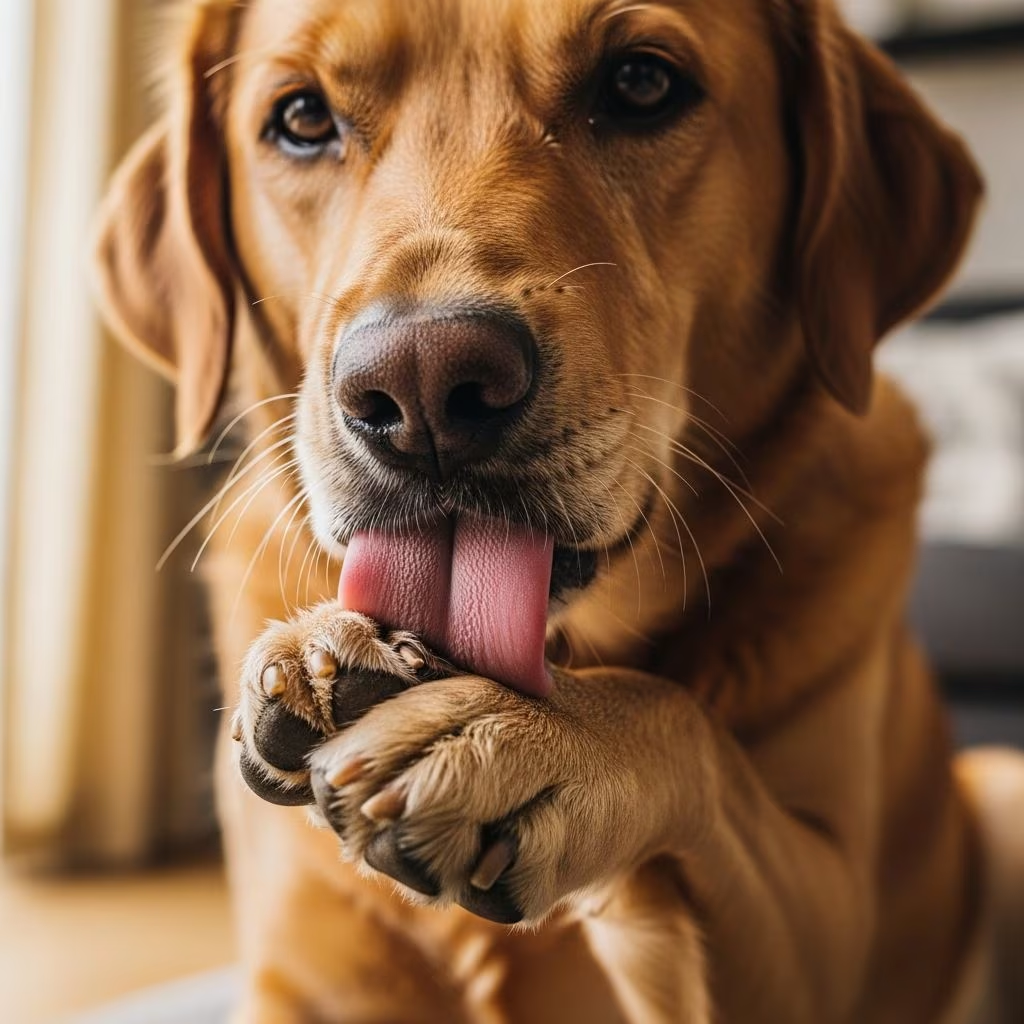
Why Do Dogs Lick and Chew Their Paws?
Dogs naturally lick and chew their paws as part of normal grooming behavior. However, when this behavior becomes excessive or obsessive, it can signal an underlying health or behavioral problem that requires attention. Understanding the difference between normal paw maintenance and problematic licking is essential for every dog owner. This comprehensive guide explores the various reasons why dogs engage in paw licking and chewing, helping you determine when professional veterinary care is necessary.
Is Paw Licking Normal?
Occasional paw licking is completely normal and healthy behavior for dogs. Dogs use their tongues to clean their paws, remove dirt and debris, and maintain proper grooming. This self-grooming behavior is similar to how cats clean themselves and is an instinctive part of canine hygiene. A dog might spend a few minutes each day licking their paws without any cause for concern.
The key distinction lies in frequency and intensity. If your dog is constantly licking, chewing, or gnawing at their paws throughout the day, or if the behavior has recently intensified, this could indicate an underlying issue. Excessive paw licking often results in visible damage, such as hair loss, raw patches, or skin inflammation. When your dog seems unable to stop despite your attempts to redirect them, or if the behavior interferes with their daily activities and sleep, it’s time to investigate further.
Common Causes of Excessive Paw Licking and Chewing
Allergies
Allergies are among the most common reasons dogs develop excessive paw licking habits. Dogs can suffer from three primary types of allergies that affect their paws: seasonal allergies, environmental allergies, and food allergies.
Seasonal and Environmental Allergies: If you notice your dog’s paw chewing worsens during spring or fall, seasonal allergies are likely the culprit. These allergies can flare up during specific times of year when pollen counts increase. Environmental allergies to substances like mold or mildew are also common, particularly if you live in areas with high moisture. Dogs exposed to these allergens experience itchy paws that drive them to lick and chew for relief.
Food Allergies: While less common than environmental allergies, food allergies can significantly irritate a dog’s paws. Common food allergens for dogs include chicken, beef, wheat, and dairy. Diagnosing a food allergy often requires an elimination diet lasting approximately 12 weeks to identify the specific trigger.
Contact Allergies: Sometimes dogs react to household products suddenly introduced into their environment. New laundry detergents, floor cleaners, carpet treatments, or other chemical products can trigger allergic reactions in sensitive dogs. If your dog’s paw licking began suddenly after you changed cleaning products, this could be the cause.
Clinical Signs of Allergies: Beyond paw licking, allergy symptoms include skin redness and inflammation, recurrent ear infections, intense itching on other body parts, and digestive issues such as diarrhea and vomiting. Your veterinarian can help identify the specific allergen and recommend appropriate management strategies.
Parasites
Parasitic infections represent another major cause of excessive paw licking in dogs. The warm, dark spaces between your dog’s toes create an ideal environment for parasites to hide and thrive.
Fleas and Ticks: These parasites are attracted to the paw area and can cause significant itching. When parasites infest your dog’s paws, they experience intense discomfort that drives obsessive licking and chewing. Fleas are particularly problematic because they reproduce rapidly and can lead to anemia and disease transmission if left untreated.
Mites: Mites, including those causing demodicosis or scabies, are nearly impossible to see with the naked eye but can cause severe itching. Unlike fleas and ticks, mites require microscopic examination for proper diagnosis. Various mite species affect dogs differently, and your veterinarian will recommend the most appropriate treatment based on the specific type.
Health Risks: Beyond the discomfort of parasitic infections, these pests can carry serious illnesses. Some parasites transmit life-threatening diseases, making prompt veterinary attention crucial. Never assume paw itching is merely an annoyance—parasitic infections warrant professional evaluation and treatment.
Injuries and Foreign Objects
When your dog focuses licking and chewing on just one paw rather than multiple paws, an injury or foreign object is often responsible. Unlike allergies and parasites that typically affect multiple paws, localized paw problems tend to result in single-paw focus.
Common Injuries: Dogs can injure their paws in numerous ways. Sharp objects like thorns, burs, small stones, or splinters can lodge between toes or embed in paw pads. Bee stings from running through grass, cuts from sharp surfaces, and torn or cracked nails all cause pain that prompts licking. Even minor injuries can escalate if your dog licks the wound raw, leading to secondary infections.
Nail Problems: Overgrown nails are a frequent culprit behind paw chewing. When nails grow too long, they can curl into the paw pad, creating constant pressure and discomfort. Cracked, broken, or ingrown nails expose sensitive tissue underneath, causing significant pain. Dogs attempt to relieve this discomfort through persistent licking and chewing.
Burn Injuries: Dogs’ paw pads are surprisingly sensitive to heat. Hot pavement, sand, or other heated surfaces can cause burns during summer walks. Similarly, winter salt and ice melt chemicals can burn sensitive paw pads. If your dog begins excessive paw licking after outdoor activities, check for swelling, blisters, or bleeding. Mild burns respond well to paw pad balm and cold compresses, while severe burns require veterinary treatment to prevent infection and scarring.
Inspection and Care: When you suspect an injury, carefully examine each paw pad and between the toes for visible damage. Look for swelling, discoloration, bad odors, or discharge. If you discover burns or blisters, apply a paw pad balm and use cold compresses to manage pain and swelling. Paw pads that smell unpleasant may indicate infection from a previously unnoticed injury, requiring immediate veterinary attention.
Infections
Paw infections develop when bacteria or fungus colonize the skin, often following an injury or in chronically moist environments. These infections cause significant discomfort and require professional treatment.
Yeast Infections: Yeast thrives in warm, moist areas, making the spaces between paw pads particularly susceptible. Affected areas appear red, swollen, and may emit a distinctive odor. Your dog licks and chews to relieve the itching associated with yeast growth.
Bacterial Infections: Bacteria can enter through small cuts or wounds, establishing infections that worsen without treatment. Bacterial paw infections produce similar symptoms to yeast infections and may develop secondary to initial injuries or parasitic infestations.
Pododermatitis: This condition involves inflammation of the paw skin that can progress to infection. Dogs with pododermatitis experience persistent paw licking and chewing, and the condition can severely impact their quality of life if untreated. Pododermatitis often results from underlying allergies, parasites, or repeated trauma from excessive licking.
Behavioral and Emotional Issues
Beyond physical causes, psychological factors significantly contribute to excessive paw licking in many dogs. These behavioral causes often manifest as obsessive or compulsive disorders.
Anxiety and Stress: Dogs experiencing anxiety, particularly separation anxiety, may lick their paws as a self-soothing mechanism. This behavior provides temporary emotional relief, similar to how some humans engage in repetitive behaviors when stressed. Over time, the self-soothing behavior can become compulsive and habitual, even when anxiety triggers aren’t present.
Boredom and Lack of Stimulation: Dogs require adequate mental and physical exercise. When insufficiently stimulated, some dogs redirect this pent-up energy into obsessive paw licking. This behavior provides something to do and may offer mild sensory stimulation.
Lick Granulomas: Anxious or stressed dogs who engage in excessive paw licking often develop lick granulomas—painful wounds on their paws caused by constant, obsessive licking and chewing. These lesions can become infected and create a vicious cycle where pain drives further licking.
Compulsive Disorders: While less common in dogs than in humans, compulsive disorders involving paw licking do occur. These conditions often require behavioral modification and sometimes medication to manage effectively. Your veterinarian or a veterinary behaviorist can assess whether your dog’s behavior qualifies as compulsive.
Signs That Warrant Veterinary Attention
Certain indicators suggest your dog’s paw licking has become excessive and requires professional evaluation. The following signs should prompt a call to your veterinarian:
- Difficulty distracting your dog from paw licking through normal interruption methods
- Hair loss or bald patches on the paws or surrounding areas
- Visible skin redness, inflammation, or open sores
- Bleeding, discharge, or oozing from the paws
- Swelling or deformity of the paws or toes
- Bad odor emanating from the paws, indicating possible infection
- Limping or reluctance to bear weight on affected paws
- Whimpering, whining, or other signs of pain
- Behavioral changes such as altered sleep patterns, loss of appetite, or decreased activity
- Licking focused on a single paw that persists despite your investigation
- Recent onset of excessive paw licking without obvious cause
When to See Your Veterinarian
If you cannot identify an obvious cause for your dog’s paw licking, or if the behavior continues after you’ve addressed potential environmental factors, scheduling a veterinary appointment is essential. Your veterinarian can perform a thorough examination, potentially including diagnostic tests such as skin scrapings to check for mites, fungal cultures to identify yeast or bacterial infections, and allergy testing to pinpoint allergens.
Be prepared to provide your veterinarian with detailed information about when the licking began, whether it affects one or multiple paws, seasonal patterns, recent changes in your home environment, your dog’s diet, and any other symptoms you’ve observed. This information helps your veterinarian narrow down potential causes and develop an appropriate treatment plan.
Treatment Approaches
Treatment for excessive paw licking depends entirely on the underlying cause. Your veterinarian will recommend specific interventions based on their diagnosis.
For Allergies: Management may include antihistamines, corticosteroids, or specialized allergy medications. Dietary changes address food allergies, while environmental modifications reduce exposure to seasonal or environmental allergens. Some dogs benefit from omega-3 supplements to support skin health.
For Parasites: Your veterinarian will prescribe appropriate antiparasitic treatments based on the specific parasite identified. Regular flea and tick prevention helps prevent future infestations.
For Injuries: Minor wounds may heal with topical treatments and paw pad balm, while more serious injuries require professional wound care. Nail problems are addressed through trimming, antibiotics if infection is present, or surgical intervention for severe cases.
For Infections: Bacterial infections require antibiotics, while yeast infections are treated with antifungal medications. Your veterinarian may recommend medicated shampoos or soaks to support treatment.
For Behavioral Issues: Management includes increased exercise and mental stimulation, anxiety-reducing medications if appropriate, and sometimes referral to a veterinary behaviorist. Behavior modification techniques help break compulsive licking patterns.
Prevention Strategies
While not all causes of paw licking can be prevented, several proactive measures reduce risk:
- Maintain regular grooming, including nail trims, to prevent overgrown or cracked nails
- Use year-round flea and tick prevention as recommended by your veterinarian
- Provide adequate daily exercise and mental stimulation appropriate to your dog’s age and breed
- Rinse paws after walks to remove potential irritants like salt, chemicals, or pollen
- Protect paws during hot weather by limiting outdoor time during peak heat hours
- Maintain clean, dry paw pads to reduce yeast and bacterial growth
- Use pet-safe cleaning products in your home
- Consider allergy testing if your dog experiences seasonal paw issues
Frequently Asked Questions
Q: Is it normal for dogs to lick their paws?
A: Yes, occasional paw licking is normal grooming behavior. However, excessive, constant licking that results in visible damage or hair loss indicates an underlying problem requiring veterinary evaluation.
Q: How can I tell if my dog’s paw licking is excessive?
A: Excessive paw licking is difficult to interrupt, occurs frequently throughout the day, results in hair loss or skin damage, and may be accompanied by other behavioral or physical changes.
Q: Can allergies cause paw licking in dogs?
A: Yes, seasonal, environmental, and food allergies are common causes of excessive paw licking. Allergies typically affect multiple paws and may be accompanied by other symptoms like ear infections or skin inflammation.
Q: What should I do if my dog has a foreign object in their paw?
A: Carefully examine the paw to locate the object. If you can safely remove it without causing further injury, do so gently. If the object is embedded deeply or your dog is in pain, contact your veterinarian for removal.
Q: How long does it take to diagnose the cause of excessive paw licking?
A: Diagnosis timeframe varies depending on the cause. Some issues like injuries are immediately apparent, while others like food allergies may require weeks or months of elimination diet to identify.
Q: Can anxiety cause paw licking in dogs?
A: Yes, anxiety and stress can trigger excessive paw licking as a self-soothing behavior. Dogs with separation anxiety or other anxiety disorders frequently develop this habit, which can become compulsive over time.
Q: What is a lick granuloma?
A: A lick granuloma is a painful wound that develops on a dog’s paw from constant, obsessive licking. These lesions can become infected and create a cycle where pain drives further licking.
Q: How can I prevent paw licking in my dog?
A: Prevention includes maintaining regular grooming and nail care, using year-round flea and tick prevention, providing adequate exercise and mental stimulation, protecting paws from extreme temperatures, and using pet-safe cleaning products.
References
- Excessive Licking, Chewing, and Grooming in Dogs — PetMD. 2024. https://www.petmd.com/dog/general-health/excessive-licking-chewing-and-grooming-dogs
- Pododermatitis in Dogs — PetMD. 2024. https://www.petmd.com/dog/conditions/skin/pododermatitis-dogs
- Why Does My Dog Lick Their Paws? — American Kennel Club. 2024. https://www.akc.org/expert-advice/health/why-does-my-dog-lick-chew-paws/
- Why Do Dogs Chew and Lick Their Paws? — Zoetis Petcare. 2024. https://www.zoetispetcare.com/blog/article/dogs-licking-chewing-paws
- Dog Licking and Chewing Paws: What Does It Mean? — Veterinary Formula. 2024. https://www.veterinaryformula.com/blogs/news/dog-licking-and-chewing-paws-what-does-it-mean



