

Why Do Dogs Kick the Ground After They Poop? Is This Normal?
If you’ve ever watched your dog vigorously kick and scratch at the ground immediately after defecating, you might have wondered what’s going on. Is your pup trying to clean up the mess? Are they upset about something? Rest assured, this behavior is completely normal. In fact, dogs engage in this ground-scratching behavior for several perfectly logical reasons, ranging from scent marking to territory communication. Understanding why your dog does this can help you appreciate their instinctive behaviors and know when to intervene, if necessary.
Ground-scratching is a natural canine behavior that’s been observed not only in domestic dogs but also in wild canids such as wolves and coyotes. This behavior serves multiple important functions in a dog’s social communication system and survival instincts. Whether your dog is a small Chihuahua or a large German Shepherd, this behavior is equally common across all breeds and both genders.
Understanding the Ground-Scratching Motion
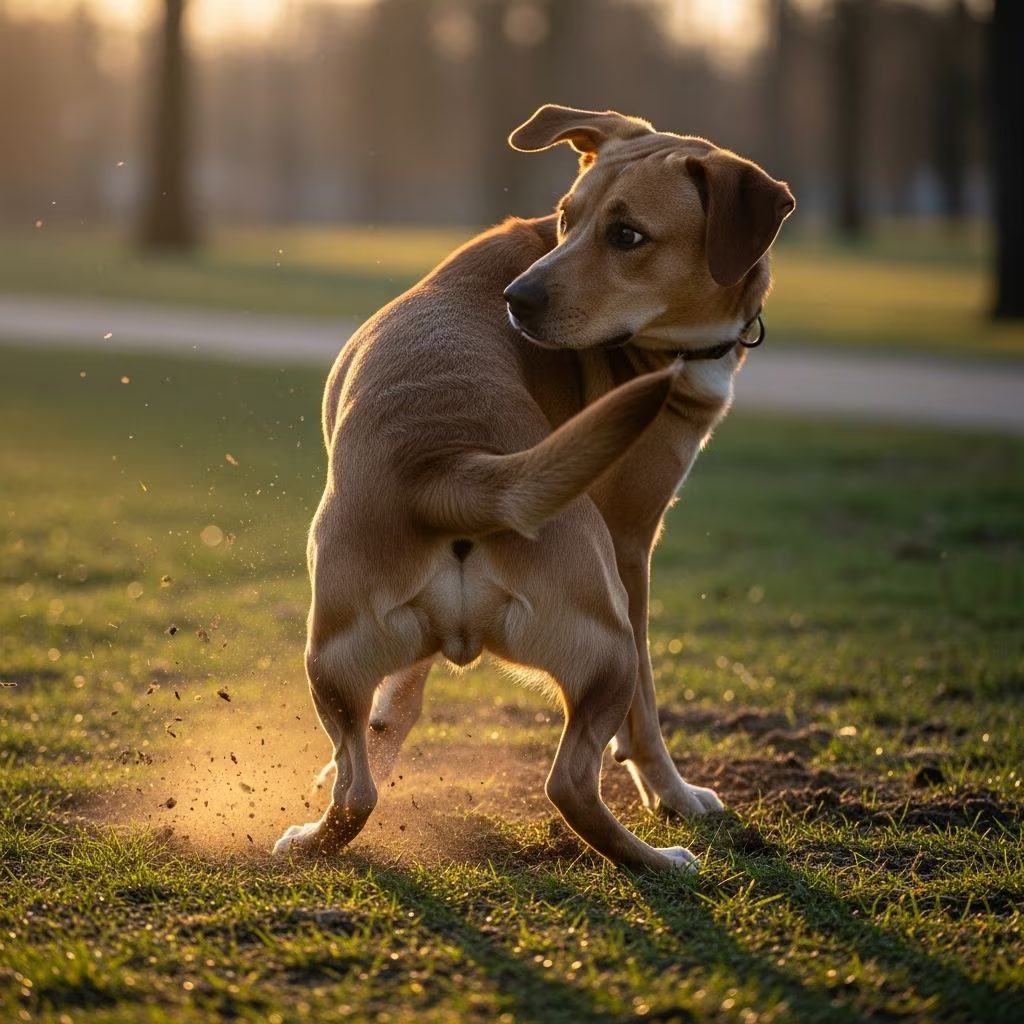
When dogs engage in this behavior, it typically involves a distinct physical motion that’s easy to recognize once you know what to look for. The ground-scratching behavior usually involves the use of both front and hind legs, creating what appears to be a rhythmic kicking or scratching motion. Your dog may use their hind legs more prominently, kicking backward and scraping the ground or grass with force.
This motion is performed immediately after a dog defecates, and the intensity can vary from dog to dog. Some dogs may do it gently and briefly, while others engage in more vigorous scratching that might kick up grass, dirt, or sand around the area. The behavior typically lasts only a few seconds to about a minute, so it’s not a prolonged activity. However, some dogs may continue longer if they feel particularly motivated to communicate their presence.
Duration and Frequency of the Behavior
The length of time your dog spends kicking and scratching the ground after pooping can vary considerably depending on the individual dog. Most dogs engage in this behavior for a relatively short period—typically ranging from just a few seconds to about one minute. Some factors that influence duration include the dog’s age, personality, and how many other dogs are in the vicinity.
It’s worth noting that this behavior doesn’t happen consistently after every bowel movement. Sometimes your dog might kick the ground enthusiastically after one poop and not do it at all after the next. This variability is completely normal and depends on various environmental and social factors.
Do Dogs Kick After Urination Too?
While ground-scratching is most commonly associated with defecation, some dogs also exhibit similar behavior after urinating. However, this is less common and typically not as pronounced as the post-defecation version. When dogs do scratch the ground after peeing, the motion may be less vigorous and less distinct than what you see after they poop.
Research has shown that dogs are more likely to engage in ground-scratching behavior overall when other dogs are physically present in the area. The presence of rival or unfamiliar canines seems to trigger this communicative display more frequently, suggesting that the behavior serves an important social function.
Gender Differences in Ground-Scratching Behavior
One common question dog owners ask is whether male and female dogs exhibit this behavior differently. The answer is straightforward: both male and female dogs engage in ground-scratching after defecation, and there’s no significant difference between the genders. Research studies have shown that approximately 9% of both male and female dogs in various populations exhibit this behavior regularly.
The behavior crosses all breed lines and size categories as well. Whether you have a tiny toy breed or a large working dog, ground-scratching is equally likely to occur. Age can be a factor, however, with some research suggesting that senior dogs in shelters show ground-scratching behavior more frequently than adult and juvenile dogs.
The Science Behind Ground-Scratching Behavior
Scent Marking and Territory Communication
One of the primary reasons dogs kick the ground after pooping is to mark their territory with scent. Dogs possess specialized scent glands located in their paw pads that secrete pheromones—chemical compounds that carry important information to other dogs. When your dog kicks and scratches the ground, they’re actively spreading their unique scent across the area, essentially claiming it as their own.
Ground-scratching functions as what scientists call a “composite signal” that combines both visual and chemical components of communication. The visual scratches left in the dirt or grass serve as longer-lasting markers that indicate your dog’s presence in the area. Since the scent from urine and feces can fade relatively quickly, these visual marks help extend the communicative message to other canines.
Research has found that ground-scratching behavior occurs more frequently along territorial boundaries in free-ranging dogs. For pet dogs living in homes, owners often notice this behavior happening more in their own yards, in front of their houses, or on grounds near their homes. Urban dogs may be more likely to exhibit this behavior in front of their apartment building, on their block, or at a local park they frequent regularly.
Covering Up Waste and Instinctive Behavior
Another significant reason your dog engages in ground-scratching after pooping relates to an ancient survival instinct inherited from their wild ancestors. Instinctually, dogs may attempt to cover their feces as a way to hide their presence from potential predators or rivals. In the wild, wolves and other canids kick dirt or leaves over their waste to conceal it from predators and competitors.
This instinct remains present in domestic dogs even though they no longer face the same predatory threats. The behavior represents a deep-rooted survival mechanism that’s been passed down through generations. While it might seem counterintuitive that dogs would spread their scent while trying to cover their waste, the hiding of the poop takes priority in their instinctive hierarchy. Dogs essentially accept that they’ll leave a scent if they’re going to eliminate in an area, and the benefit of concealing the waste outweighs the drawback of spreading their scent.
Paw Cleaning and Hygiene
A simpler explanation for ground-scratching behavior is that some dogs are simply trying to clean their paws after going to the bathroom. Just as humans might wipe their hands after using the restroom, dogs may kick and scratch the ground to wipe off their paws. This is particularly likely on soft surfaces like grass or soil where debris might stick to their paw pads.
If your dog struggles to clean their paws effectively through ground-scratching alone, you can assist them with pet cleaning wipes or by rinsing their paws with water. This is especially helpful if your dog has longer fur around their paws that might trap dirt and moisture.
Communication and Social Signaling
Beyond the individual reasons for ground-scratching, this behavior plays an important role in canine social communication. When other dogs are present, ground-scratching serves as a visual display that communicates information about territory, status, and dominance. Studies have shown that dogs are more likely to engage in ground-scratching when other dogs are physically present in their environment.
The behavior appears to function partly as an intimidation display toward other dogs. The scratches left in the ground serve as visual markers that communicate “This is my territory, and I’m confident enough to mark it.” Other dogs observing these signs tend to avoid confrontation with dogs that are actively marking territory, making it an effective way to establish boundaries without direct conflict.
When Ground-Scratching Becomes a Concern
In most cases, ground-scratching after defecation is harmless and natural behavior that doesn’t require intervention. Dogs should be allowed to engage in this normal instinctive activity without interruption. Attempting to stop them during this behavior may lead to frustration or anxiety for your pet.
Signs That Warrant Veterinary Attention
While ground-scratching is typically benign, there are specific circumstances where you should consult with your veterinarian:
- Excessive scratching or discomfort: If your dog appears to be in pain or scratches excessively for prolonged periods, contact your vet. This could indicate underlying issues such as anal gland problems or skin irritation that require professional evaluation.
- Paw or toenail damage: Monitor your dog’s paws and toenails carefully, especially if they’re scratching on hard surfaces like sidewalks and concrete. If you notice bleeding, limping, or visible injury to their paws or nails, have your vet examine them.
- Extreme behavior: If your dog engages in ground-scratching so vigorously that they’re causing damage to the environment—such as digging up plants, tearing up grass, or damaging surfaces—this excessive behavior may need to be redirected or addressed with your veterinarian.
Managing Excessive Ground-Scratching
If your dog’s ground-scratching behavior is causing property damage or seems excessively vigorous, you can take steps to redirect and manage it. Keep an eye on where your dog is during and after bathroom breaks to intervene if necessary. When excessive scratching occurs, gently redirect your dog’s attention to another activity or area.
It’s important to approach redirection calmly and positively. Never punish your dog for engaging in this natural behavior, as this can create anxiety or stress. Instead, use positive reinforcement techniques to encourage them to move on to other activities after they’ve finished eliminating.
Frequently Asked Questions
Q: Is ground-scratching after pooping a sign that my dog is anxious or stressed?
A: No, ground-scratching is a normal, instinctive behavior and is not typically a sign of anxiety or stress. However, if accompanied by other signs of anxiety, such as excessive panting, whining, or trembling, consult your veterinarian.
Q: Should I try to stop my dog from kicking the ground after pooping?
A: In most cases, you should allow your dog to engage in this natural behavior. Only intervene if the behavior is causing property damage or if your dog appears to be injuring themselves in the process.
Q: Why does my dog kick more in some locations than others?
A: Dogs are more likely to engage in territorial ground-scratching in areas they consider important to mark—typically their own yard, neighborhood park, or walking routes. They’re also more likely to do it when other dogs are present.
Q: Can I help my dog clean their paws instead of letting them scratch?
A: Yes, you can assist by using pet cleaning wipes, a towel, or rinsing their paws with water. However, allowing them to engage in some ground-scratching is natural and beneficial for their instinctive behaviors.
Q: Do all dogs exhibit ground-scratching behavior?
A: Not all dogs engage in obvious ground-scratching, but research suggests it’s fairly common. Some dogs may do it subtly or infrequently, while others are more enthusiastic and consistent with the behavior.
Conclusion
Ground-scratching after pooping is a normal, healthy behavior that serves multiple important functions in your dog’s life. From marking territory and communicating with other dogs to covering waste and cleaning their paws, this seemingly simple action is actually quite complex and purposeful. Understanding the reasons behind this behavior helps you appreciate your dog’s instinctive drives and natural communication methods.
Unless your dog’s ground-scratching is causing injury to themselves or significant environmental damage, there’s no need to discourage the behavior. In fact, allowing your dog to engage in these natural instincts contributes to their overall well-being and mental health. By recognizing ground-scratching as normal canine behavior, you can relax and enjoy watching your furry friend communicate with the world around them.
References
- Why Do Dogs Kick the Ground After They Poop? Is This Normal? — Chewy. 2025. https://www.chewy.com/education/dog/training-and-behavior/why-do-dogs-kick-the-ground-after-they-poop
- Why Do Dogs Kick After Pooping? — PetMD. 2025. https://www.petmd.com/dog/behavior/dog-behavior-why-do-dogs-kick-their-feet-after-pooping
- Outside/Inbox: Why do dogs kick and scratch the ground after pooping? — New Hampshire Public Radio (NHPR). 2022-06-24. https://www.nhpr.org/environment/2022-06-24/outside-inbox-why-do-dogs-kick-and-scratch-the-ground-after-pooping
- Why Does My Dog Kick the Grass After Pooping? — American Kennel Club (AKC). 2025. https://www.akc.org/expert-advice/advice/dog-kicks-poop-behavior/
- Ground-Scratching Behavior in Dogs — Bekoff, M. (1979). Studies on free-ranging dog behavior documenting ground-scratching as communication. Animal Behavior Research. 2025-11-28.



