

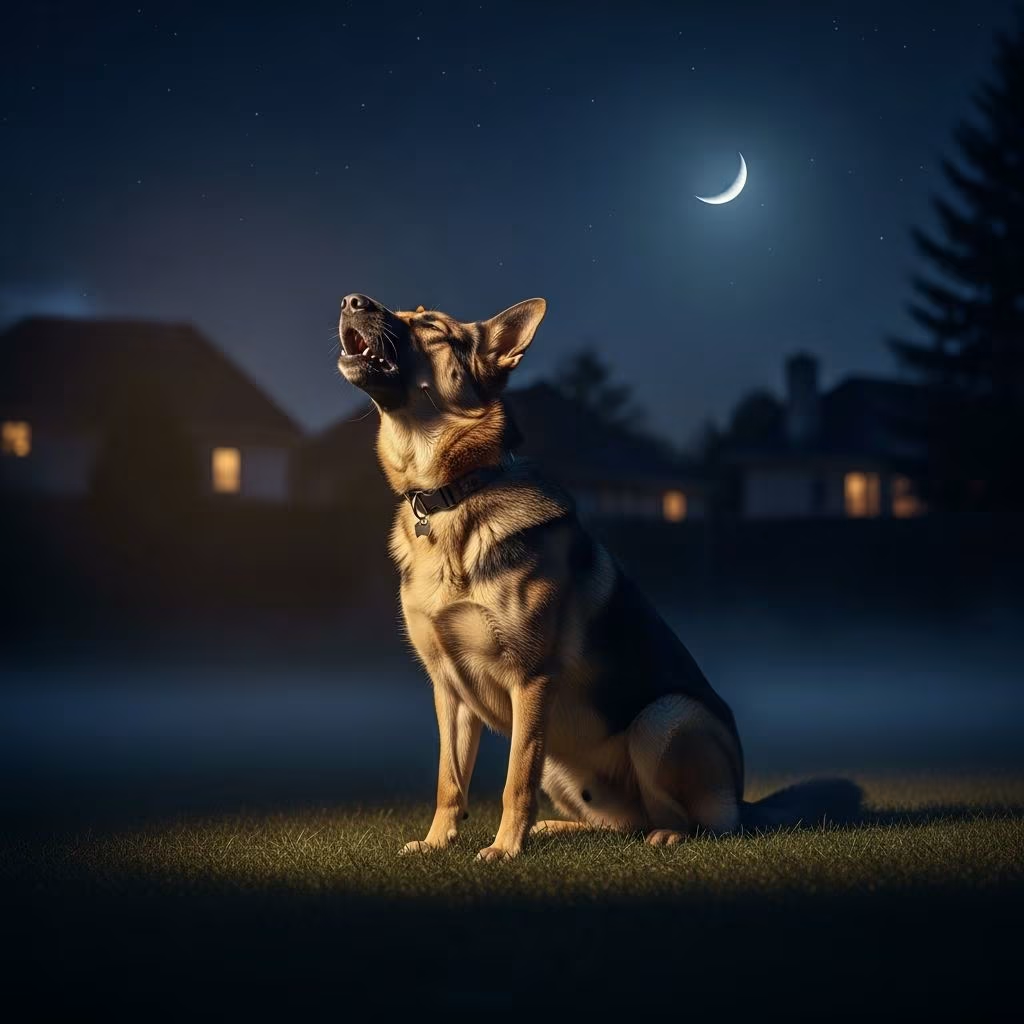
Dogs howling at night can turn your peaceful evenings into unexpected concerts. This vocalization, echoing through the quiet hours, often leaves owners puzzled and sleep-deprived. But it’s rarely random—your dog’s midnight howls carry specific messages rooted in instinct, emotion, or physical needs. Understanding these can help you respond effectively, restoring harmony to your home.
Dr. Carling Metajka, a veterinarian from Calgary, Alberta, explains, “There’s usually a message when dogs are howling in the middle of the night. It could be something emotional, physical, or just communication, but it’s rarely random.” Whether your dog howls in a crate, while sleeping, or suddenly without apparent reason, pinpointing the cause is key to addressing it.
Why do dogs howl at night for no reason?
It might seem like your dog is howling at night for no reason, but there’s almost always an underlying trigger. What appears random to us—silent nights—can be filled with stimuli for dogs’ superior senses. Common culprits include anxiety, pain, reactions to wildlife, or even dreams during REM sleep. Ignoring it risks escalation, as howling is your dog’s way of communicating unmet needs.
For instance, if howling starts abruptly, observe patterns: Does it coincide with distant sounds, your bedtime routine, or physical restlessness? These insights reveal whether it’s behavioral or medical, guiding you toward solutions like training or veterinary care.
Territorial marking
Domestic dogs inherit howling from their wolf ancestors, who use it to mark territory and ward off intruders. At night, when visibility is low, a howl acts as an audible “no trespassing” sign. Your dog might respond to a neighbor’s pet, a passerby, or urban wildlife like coyotes with a protective serenade.
Breeds with strong guarding or herding instincts—German Shepherds, Huskies, Australian Shepherds—are prone to this. Even tiny breeds like Chihuahuas join in, amplifying their presence vocally. To curb territorial howling, reinforce boundaries with consistent training and reduce triggers, such as closing blinds or using white noise machines.
Attention-seeking
Dogs are social pack animals, and nighttime isolation can feel like rejection. If howling gets a reaction—even scolding—your dog learns it’s effective. Negative attention still reinforces the behavior, turning your bedroom into an unwitting audience.
Boredom exacerbates this, especially for high-energy breeds. Understimulated dogs turn to vocalizations when humans wind down. Break the cycle by ignoring howls completely (stay silent and still) while rewarding quiet moments with praise or treats during the day. Establish a consistent pre-bed routine: exercise, play, and calm cuddles to meet their social needs upfront.
Distress
Separation anxiety peaks at night when the house quiets and you’re unavailable. Dogs in crates or separate rooms may howl from panic, feeling abandoned. Accompanying signs include pacing, destructiveness, or escape attempts—clear distress signals.
Puppies and rescues are especially vulnerable, associating night with solitude after days of constant companionship. Mitigate with gradual desensitization: practice short separations during the day, use comforting items like your worn shirt in their space, and consider anxiety wraps or pheromone diffusers for calming effects.
Environmental stimuli
Dogs’ acute hearing picks up sirens, fireworks, distant barks, or even humming appliances we ignore. Night amplifies these, as background noise drops. Hound breeds like Beagles or Bloodhounds, bred for scent and sound tracking, are howling hotspots.
Observe timing: Does howling align with predictable noises like garbage trucks? Block them with soundproofing, fans, or calming music playlists designed for dogs. Desensitization training—playing low-level triggers during playtime—helps them habituate without alarm.
Pain
Often overlooked, physical discomfort prompts nighttime vocalizations. Arthritis flares when settling, dental issues throb quietly, injuries ache during rest, or tummy troubles build pressure. Older dogs suffer joint pain most, shifting positions disruptively.
Monitor for limping, reluctance to jump, appetite changes, or whining during touch. A vet exam rules out issues like UTIs or gastrointestinal problems. Pain management might involve meds, orthopedic beds, or supplements like glucosamine, improving comfort and silencing howls.
Aging
Senior dogs face canine cognitive dysfunction (CDS), akin to human Alzheimer’s. Symptoms include disorientation, sleep reversal, and confusion, triggering nocturnal howling. They pace, stare blankly, or vocalize in bewilderment, mistaking night for day.
CDS affects memory, house-training, and social cues. Prevalence rises with age: up to 28% in 11-12-year-olds, per veterinary studies. Vet-prescribed diets, antioxidants like SAM-e, and enriched environments (puzzle toys) slow progression. Routine keeps them grounded, reducing disoriented outbursts.
Needing to go outside
Simple biology: full bladders demand relief. Puppies lack control, seniors weaken sphincter muscles, and recent eaters/drinkers face urgency. Howling serves as a polite (if loud) potty alarm, especially post-bedtime snacks.
Prevent by scheduling last potty breaks 2-3 hours before bed, limiting water evenings, and using crate training for bladder control. For medical causes like UTIs, antibiotics resolve frequent urges swiftly.
Loneliness or separation anxiety
As solo pets, dogs crave companionship. Night’s stillness amplifies loneliness, with shadows, wind, or critters fueling paranoia. It’s like a solo horror flick—cue the soundtrack.
- Signs: Howling when alone, following you room-to-room, destructive anxiety outlets.
- Solutions: Companionship via doggy daycare, puzzle feeders for mental engagement, or a second pet if compatible.
Thundershirts or CBD treats (vet-approved) soothe nerves. Long-term, counter-conditioning builds independence.
How to stop your dog from howling at night
Stopping nighttime howls requires targeted strategies. Start with observation: Log episodes for patterns.
| Cause | Symptoms | Solutions |
|---|---|---|
| Territorial | Triggered by external sounds/people | White noise, blinds closed, boundary training |
| Attention | Stops when you respond | Ignore + daytime rewards |
| Anxiety | Pacing, destruction | Desensitization, calming aids |
| Pain/Medical | Limping, age-related | Vet visit, pain relief |
General tips:
- Daily exercise: 60+ minutes vigorous activity tires them out.
- Consistent routine: Predictability reduces stress.
- Enrich environment: Kongs, chews prevent boredom.
- Vet check: Rule out health issues first.
Patience yields results—most howls diminish in 1-2 weeks with consistency.
Frequently Asked Questions (FAQs)
Q: Why does my dog howl at night in his crate?
A: Crate confinement can trigger separation distress or potty needs. Ensure proper sizing, comforting bedding, and pre-bed potty. Gradual acclimation helps.
Q: Is nighttime howling a sign of pain?
A: Yes, especially in seniors. Accompanied by restlessness or mobility issues, it warrants a vet exam for arthritis, dental, or internal problems.
Q: Do certain breeds howl more at night?
A: Vocal breeds like Huskies, Hounds, and herders do, due to wolf-like instincts or keen hearing.
Q: How long to ignore howling before intervening?
A: 5-10 minutes if safe; if escalating or with distress signs, check gently without rewarding.
Q: Can CDS cause howling while sleeping?
A: Absolutely—disrupted sleep cycles and confusion lead to dream-induced or disoriented vocalizations.
References
- Why Do Dogs Howl in Their Sleep: A Guide to Nighttime Whimpers — Noble Vet Clinic. 2023-10-15. https://noblevetclinic.com/blog/why-do-dogs-howl-in-their-sleep
- Dog Behaviour Explained: Why Do Dogs Howl in Their Sleep? — Bronte Glen Vets. 2024-05-20. https://www.bronteglen.co.uk/blog/why-do-dogs-howl-in-their-sleep/
- 10 Reasons Why Dogs Howl, Especially At Sirens — Rover.com. 2023-11-08. https://www.rover.com/blog/why-do-dogs-howl/
- Why Does Your Dog Howl at Night? — Kinship. 2024-02-12. https://www.kinship.com/dog-behavior/why-do-dogs-howl-at-night



