

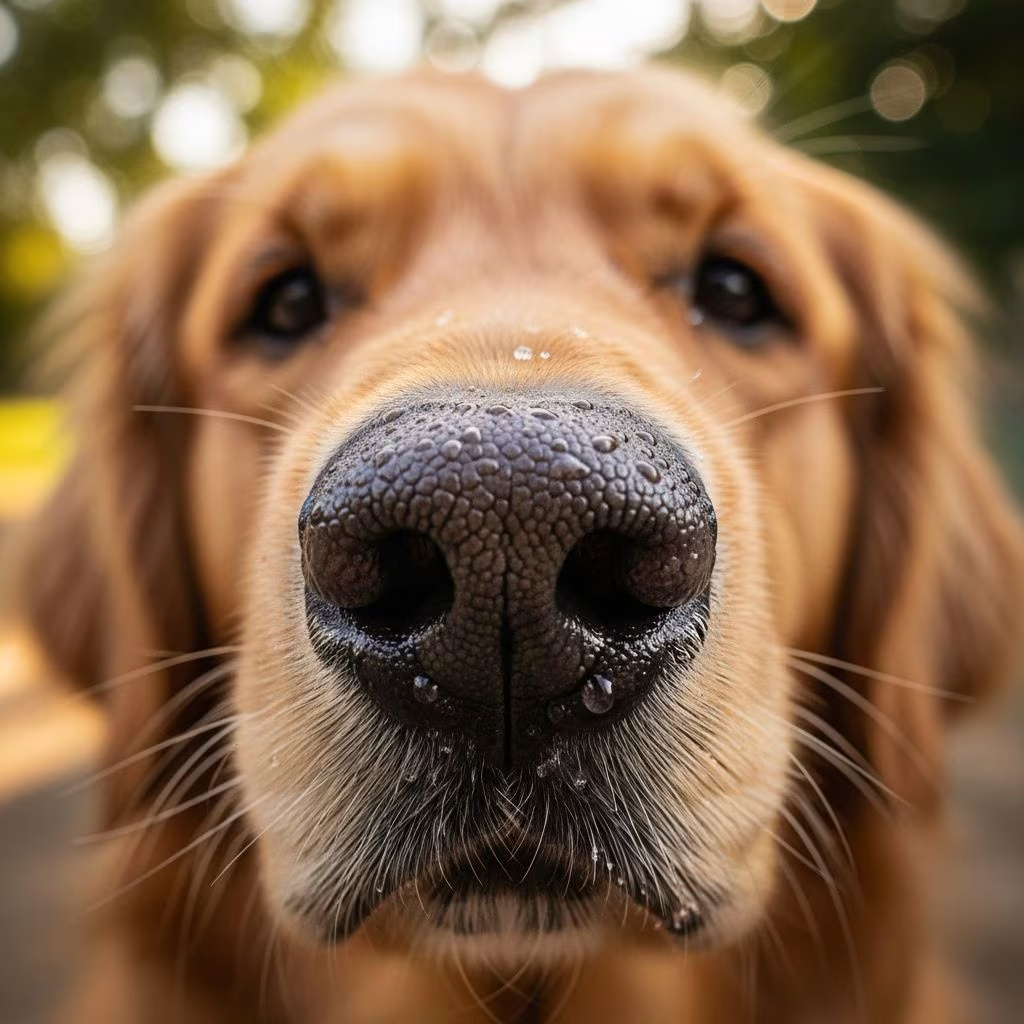
Why Do Dogs Have Wet Noses?
If you’ve ever touched your dog’s nose, you’ve probably noticed it’s wet and cool. This is a perfectly normal and healthy characteristic of most dogs. But have you ever wondered why? The answer involves a fascinating combination of biology, physiology, and evolutionary advantage. A dog’s wet nose serves multiple important functions that contribute to their overall health, comfort, and ability to navigate the world around them. Understanding these reasons can give you valuable insight into your pet’s wellbeing and help you recognize when something might be amiss.
The Anatomy of a Dog’s Nose
Before we explore why dogs have wet noses, it’s important to understand the structure that makes this possible. A dog’s nose is far more complex than it appears on the surface. The nasal cavity contains numerous anatomical features specifically designed to support their exceptional olfactory abilities.
Dogs possess special glands within their noses that produce mucus, which is the primary source of moisture on their nasal surface. This secretion is essential for maintaining the moisture that keeps the nose supple and functioning optimally. Additionally, the nasal passage contains structures called turbinates or nasal conchae—complex bony structures that protrude from the side walls of the nasal cavity. These turbinates are covered in a mucous membrane and serve to increase the surface area available for olfaction. Between 5 and 15 percent of air inhaled by dogs is redirected to these structures, allowing for better filtration, humidification, and warming of the air before it reaches the lungs.
Another remarkable feature is the philtrum—the vertical groove between a dog’s nose and upper lip. This groove plays a functional role by retaining a small amount of saliva after the dog licks their lips, which is pulled upward by capillary action and directed toward the smell receptors of the nose. This natural mechanism helps keep the dog’s nose damp and ready to capture scent particles from the air.
The Primary Reasons Why Dogs Have Wet Noses
Enhanced Sense of Smell
The most significant reason dogs have wet noses is directly related to their extraordinary sense of smell. The moisture on a dog’s nose is absolutely vital to their olfactory capabilities. When scent particles come into contact with the wet surface of the nose, they dissolve in the moisture, making it easier for the olfactory receptors to detect and differentiate between various odors. This process essentially allows the moisture to act as a natural amplifier for scent detection.
The wet surface traps scent molecules in the air and holds them in place, allowing dogs to pick up scents far more effectively than humans with our dry noses. This enhanced ability enables dogs to track scents over long distances and identify different smells with remarkable accuracy. The moisture captures and concentrates odorant molecules, making them more available to the millions of olfactory receptors lining the nasal cavity. When a dog’s nose becomes dry, it can temporarily reduce their scenting ability, highlighting just how crucial this moisture is to their sensory function.
Temperature Regulation
Dogs don’t sweat like humans do; instead, they rely on alternative cooling mechanisms to regulate body temperature. The nose pad and the footpads are the only places where dogs are able to sweat. The wet surface of the nose plays a crucial role in this cooling process. When dogs lick their noses, the moisture that coats the surface evaporates, and this evaporation helps cool them down. This process is particularly important in hot weather and works in conjunction with panting to keep the dog’s body temperature at a safe level.
The thin, watery material secreted by the glands inside the dog’s nose wicks out to the surface, where it evaporates and helps to dissipate heat. Think of this wet nose as a natural air conditioning system that allows dogs to cool themselves efficiently without the need for traditional sweating. The nasal turbinates also contribute to this function by providing a large surface area where air can interact with the mucous membrane, allowing for both warming and humidification of inhaled air.
Moisture and Protection
Beyond smell enhancement and temperature regulation, the moisture on a dog’s nose serves important protective functions. The wet surface acts as a moisturizer, preventing the sensitive nasal tissues from drying out, especially in dry or arid environments. This is particularly important for maintaining the health and integrity of the nasal tissue, which can be delicate and susceptible to damage if it becomes too dry.
Additionally, the mucus can trap dust, debris, and even bacteria, essentially acting as a filter of sorts. When dogs lick their noses frequently—which they do quite often—they help keep their noses clean and hygienic. This self-grooming behavior is a natural way for dogs to maintain their nasal health. The moisture on the nose also helps humidify the air as it moves into the dog’s nasal cavity, which keeps it from drying out the respiratory tract and may even help prevent respiratory infections.
How Dogs Maintain Wet Noses
Dogs actively participate in keeping their noses wet through frequent licking. While it may seem like a simple grooming habit, this behavior plays an important role in maintaining nasal moisture. Each time a dog licks their nose, they transfer moisture from their tongue to the nose, helping to keep it well-hydrated. This self-moistening through licking is a natural behavior that complements the work done by the nasal glands.
It’s also worth noting that environmental conditions can affect how wet a dog’s nose appears. Dogs may have wetter noses in more humid conditions, while dry air might result in less visible moisture. However, this doesn’t necessarily indicate a problem—it’s simply a natural response to environmental factors. Environmental humidity, temperature, and even a dog’s activity level can all influence how noticeably wet their nose appears at any given time.
The Jacobson’s Organ: An Additional Sensory Marvel
Beyond the standard olfactory system, dogs possess a specialized sensory structure called the Jacobson’s organ, also known as the vomeronasal organ. This organ is hidden deep within the nose and is responsible for detecting pheromones—chemical signals from other animals that communicate important information about potential mates, emotional states, and other dogs’ identities.
The Jacobson’s organ helps dogs pick up on scents that are often undetectable and basically odorless to humans. Located on the roof of their mouths within the nasal cavity, this structure allows dogs to detect pheromones and plays a crucial role in their social interactions and reproductive behavior. The vomeronasal organ projects to a separate bulb called the accessory olfactory bulb, and from there to the hypothalamus via the vomeronasal amygdala, creating a dedicated neural pathway for processing pheromone information. This organ’s interaction with the nerves is fascinating and truly plays a vital role in canine social behavior.
Nose Characteristics and Uniqueness
The surface of a dog’s nose is covered in tiny ridges and creases that serve a function similar to human fingerprints, making each dog’s nose unique. These ridges help trap scent molecules more efficiently, enhancing their ability to track and recognize scents. The pattern of these ridges is so distinctive that some organizations use dog nose prints for identification purposes, much like humans are identified by fingerprints.
Additionally, dogs have distinctive nasal slits that work in tandem with their breathing pattern. As a dog exhales, new odors enter the nose through these slits, keeping a steady stream of odors flowing and allowing for continuous scent monitoring. This sophisticated design allows dogs to maintain awareness of their environment constantly through their sense of smell.
When to Be Concerned About Your Dog’s Nose
While a wet nose is normal and healthy, it’s important to understand that a dry nose doesn’t automatically indicate a health problem. However, a persistently dry nose, especially if accompanied by other symptoms, might warrant attention from a veterinarian. Certain health conditions, environmental factors, or even breed tendencies can affect nose moisture.
That said, a dog’s overall health is better assessed through multiple indicators rather than nose wetness alone. If your dog has a dry nose but is otherwise acting normally, eating well, and showing no other signs of illness, there may be no cause for concern. However, if a dry nose is accompanied by lethargy, loss of appetite, discharge, or other unusual symptoms, it would be wise to consult with your veterinarian to rule out any underlying health issues.
The Science Behind the Cold Sensation
Many dog owners notice that their dog’s nose isn’t just wet but also cool to the touch. This coolness is partly due to the evaporation process of the mucus on the surface and partly due to the blood vessel networks in the nasal tissue that help with temperature regulation. The venous networks contained within the nasal turbinates contribute to this cooling effect. This cold, wet nose has become something of a cultural indicator of canine health, though as mentioned, wetness alone isn’t always a reliable health indicator.
How Dogs’ Noses Compare to Humans
The key difference between a dog’s nose and a human’s nose comes down to function and design. While humans’ noses are dry on the surface, a dog’s moist nasal surface makes them exponentially better at detecting odors. Dogs can detect certain odors at concentrations nearly 100 million times lower than humans can detect them. This incredible olfactory ability is largely dependent on the wet surface of their nose, which captures and concentrates scent molecules. The nasal passage structure is also quite different; the dog’s nasal passage is relatively long and convoluted with complex bony structures that increase surface area for olfaction.
Practical Implications for Dog Owners
Understanding why dogs have wet noses can help you better care for your pet. This knowledge helps explain why your dog’s sense of smell is so much more acute than yours and why they can perform tasks like tracking, detection work, and search and rescue operations so effectively. It also underscores the importance of keeping your dog cool in hot weather and ensuring they have access to fresh water and shaded areas where they can rest and allow their nose to function optimally for temperature regulation.
Frequently Asked Questions
Q: Is a wet nose always a sign of a healthy dog?
A: While a wet nose is typically normal and healthy, a wet nose alone is not a definitive indicator of good health. Dogs can be healthy with slightly drier noses depending on environmental conditions, breed, and individual variation. Conversely, some health issues don’t directly affect nose wetness. Overall health is best assessed through multiple indicators including behavior, appetite, energy levels, and veterinary examination.
Q: Why is my dog’s nose dry?
A: A dog’s nose can appear drier due to environmental factors such as low humidity, warm weather, or heating systems in the home. Additionally, some dogs naturally have less pronounced nasal moisture than others. If your dog’s nose is persistently dry and accompanied by other symptoms like nasal discharge, sneezing, or lethargy, consult your veterinarian.
Q: Do all dogs have wet noses?
A: Most healthy dogs have wet noses, but the degree of wetness can vary based on breed, individual factors, and environmental conditions. Some dogs may naturally have less noticeable moisture than others, which is typically not a cause for concern unless accompanied by other symptoms.
Q: Can I help keep my dog’s nose wet and healthy?
A: You can support your dog’s nasal health by ensuring they have adequate hydration, protecting them from extreme heat, maintaining appropriate humidity levels in your home, and avoiding exposure to irritants like smoke. Regular veterinary check-ups also help ensure your dog’s overall health, including nasal and respiratory function.
Q: What does the philtrum do on a dog’s nose?
A: The philtrum is the vertical groove between a dog’s nose and upper lip. It retains saliva from licking, which is drawn upward by capillary action and directed toward the nose’s smell receptors. This helps maintain nasal moisture and supports the dog’s olfactory function.
Conclusion
Your dog’s wet nose is far more than just a quirky characteristic—it’s an essential feature that supports their remarkable sense of smell, helps them regulate body temperature, and protects their sensitive nasal tissues. The moisture is maintained through specialized nasal glands, frequent licking, and the unique anatomy of the canine nose. This wet nose, combined with sophisticated structures like the turbinates and the Jacobson’s organ, makes dogs incredibly efficient at detecting and interpreting scents in ways that humans can barely comprehend. By understanding the science behind your dog’s wet nose, you gain greater appreciation for your pet’s extraordinary biology and can better support their health and wellbeing.
References
- Dog Nose Anatomy: Structure, Function, and Fascinating Facts — BasePaws. Accessed November 2025. https://basepaws.com/dog-insider/dog-nose-anatomy
- The Scoop on Wet and Cold Dog Noses: Unveiling the Secrets — tailZ. Accessed November 2025. https://www.tailz.in/post/why-are-dog-noses-wet-and-cold
- Why Are Dogs Noses Wet? — A Pup Above. Accessed November 2025. https://apupabove.com/blogs/all/why-are-dogs-noses-wet
- Why Are Dog Noses Wet? — PetMD. Accessed November 2025. https://www.petmd.com/dog/general-health/why-do-dogs-have-wet-noses
- Wet, Dry, Cracked; 3 Nose Condition Myths and Truths — 30A Dog Trainers. Accessed November 2025. https://30adogtrainers.com/8072-2-3-nose-condition-myths-and-truths/
- Why’s a Dog’s Nose so Special? — The Andys Veterinary Clinic. Accessed November 2025. https://www.andysvetclinic.net/post/why-s-a-dog-s-nose-so-special
- How Your Dog’s Nose Works And How To Take Care Of It — The Farmer’s Dog. Accessed November 2025. https://www.thefarmersdog.com/digest/how-your-dogs-nose-works-and-how-to-take-care-of-it/



