

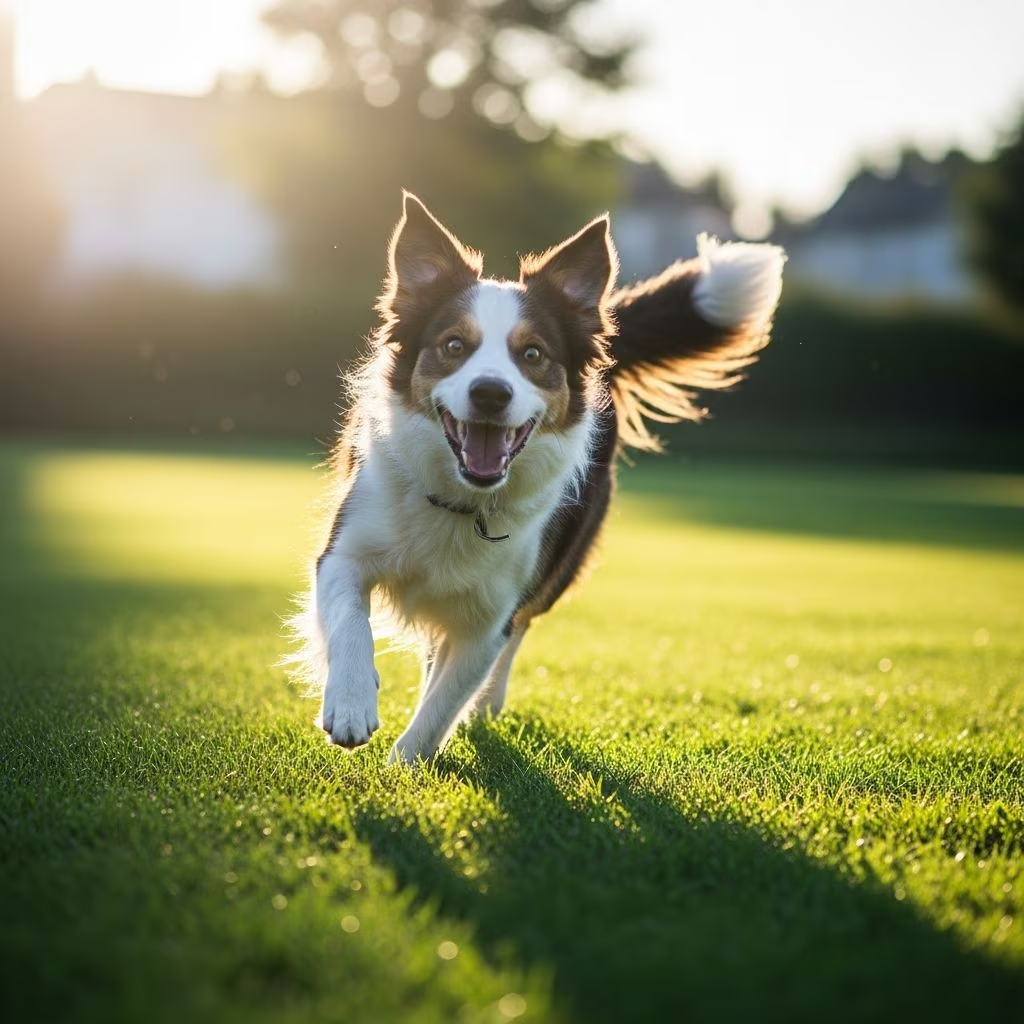
Why Do Dogs Get the Zoomies? Understanding Frenetic Random Activity Periods
If you’ve ever witnessed your dog suddenly sprint through your house or yard in wild, frantic circles, you’ve observed what pet owners commonly call “the zoomies.” This energetic phenomenon has a more scientific name: Frenetic Random Activity Periods, or FRAPs. While these bursts of explosive energy can seem chaotic and amusing, they’re actually a completely normal and healthy expression of canine behavior. Understanding what causes the zoomies and how to respond appropriately can help you better care for your furry companion and ensure their physical and mental well-being.
What Exactly Are Dog Zoomies?
Dog zoomies represent a sudden, intense burst of activity that typically involves running in large circles or back-and-forth patterns throughout your home or yard. During a zoomie episode, your dog may exhibit several characteristic behaviors including rapid sprinting, often in a hunched position for maximum speed and agility. Many dogs also incorporate spins, play bows—where their elbows are down and their rear end is elevated—and other exuberant movements. These sessions are usually brief, rarely lasting more than a few minutes, though they can be quite impressive to witness.
The intensity of zoomies can vary depending on your dog’s age, energy level, and the underlying trigger. Puppies and young adult dogs typically display the most dramatic zoomie episodes, though dogs of any age, including senior dogs, can experience them. The physical characteristics of a zooming dog often include wide eyes, panting, and an overall appearance of unbridled excitement or urgency.
Understanding the Science Behind Dog Zoomies
While the exact neurological mechanisms behind FRAPs aren’t completely understood by veterinary behaviorists, research and professional observation suggest that zoomies serve as an important outlet for dogs to release accumulated energy, emotions, and stress. The general consensus among veterinary professionals is that zoomies function as a rapid, instinctive way for dogs to expend excess physical energy, manage emotional excitement, process stress, or discharge nervous tension.
Dr. Pamela J. Perry from Cornell University’s College of Veterinary Medicine notes that while there’s no single known cause of FRAPs, they appear to function as a coping mechanism for energy regulation and stress relief. Dogs who have been confined indoors for extended periods, felt anxious about their environment, or simply accumulated too much untapped energy throughout the day may resort to zooming as an instinctive solution.
Common Triggers and Causes of Dog Zoomies
Several specific situations and circumstances commonly trigger zoomie episodes in dogs. Recognizing these triggers can help you understand your dog’s behavior and potentially manage their energy more effectively.
Age and Development Stage
Puppies are the most frequent zoomer enthusiasts. During their developmental years, puppies experience significant physical growth and neurological changes that generate enormous amounts of energy. Much like human children, puppies possess seemingly inexhaustible reserves of energy, and zoomies represent one natural outlet for draining this excess vitality. Many puppies consistently experience zoomies at night, right before bedtime, as they expend their remaining daily energy reserves before crashing for sleep. However, zoomies aren’t exclusively a puppy phenomenon—many adult and senior dogs continue to enjoy these spirited bursts well into their later years.
Post-Bath Exhilaration
One of the most commonly reported zoomie triggers is the post-bath period. Many dogs experience a sudden surge of energy immediately after being bathed and dried. This phenomenon likely results from a combination of factors: the sensory experience of being wet and the relief associated with the bath finally being over, along with the physical warmth and sensation of being dried. Dogs often celebrate their bath completion by racing around frantically and rubbing themselves on furniture or carpets.
Excitement and Anticipation
Dogs frequently experience zoomies when something exciting is about to happen. The arrival of their owner after an absence, the prospect of a walk, playtime with another dog, or a visit from a favorite person can all trigger enthusiastic FRAP episodes. When your dog realizes something wonderful is imminent, the anticipatory excitement can literally cause them to burst into activity. This type of zooming is typically a positive expression of joy and emotional engagement.
Stress and Tension Release
Not all zoomies stem from happiness and excitement. Dogs sometimes resort to zooming as a coping mechanism for stress, anxiety, or overstimulation. A stressful grooming session, a visit to the veterinary clinic, exposure to loud noises, being in an unfamiliar environment, or significant changes to their daily routine can all trigger stress-related zoomies. In these cases, the frantic activity helps your dog discharge the nervous energy and tension accumulated during the stressful experience. Understanding that your dog’s post-vet zooming represents a healthy stress-relief response can help you view the behavior more sympathetically.
Insufficient Physical and Mental Exercise
One of the most significant contributing factors to frequent zoomies is inadequate exercise and mental stimulation. All dogs require consistent opportunities for both physical activity and cognitive engagement. When dogs don’t receive sufficient exercise, they accumulate excess energy with no appropriate outlet. This pent-up energy inevitably seeks release, and zoomies become one of the primary ways dogs expend this frustration. Dogs who lack adequate exercise often exhibit not only frequent zoomies but also other undesirable behaviors including excessive barking, destructive chewing, and nipping.
Emerging from Rest and Sleep
Just as humans often stretch and feel energized after a good nap, dogs can experience zoomies when waking from sleep or extended rest periods. When your dog has been napping for several hours and suddenly realizes it’s time for activity, the combination of rested muscles and accumulated energy can trigger a spontaneous zooming session. This is particularly common in puppies and young dogs who have high baseline energy levels.
Post-Walk Realization
Interestingly, trainers have observed that dogs frequently experience zoomies immediately after walks, not just before them. This counterintuitive pattern often reflects your dog’s realization that the walk is ending and they must now settle down, even though they still feel pent-up energy or desire for additional activity. Your dog’s internal thought process might be something like: “That’s all the exercise we’re getting? But I’m still full of energy!” This trigger highlights how important consistent, adequately-lengthy exercise sessions are for preventing energy buildup.
When Zoomies Might Signal Underlying Issues
While zoomies are generally healthy and normal, excessive or frequent zooming episodes can occasionally indicate underlying problems that warrant attention. Understanding the difference between normal zoomies and problematic zooming helps you determine whether your dog simply needs more exercise or whether a veterinary or behavioral consultation might be beneficial.
Excessive and Frequent Zoomies
If your dog experiences multiple intense zoomie sessions every single day, this pattern might indicate insufficient physical exercise or mental stimulation. While occasional FRAPs are completely normal, constant excessive zooming suggests unmet activity needs. High-energy dog breeds in particular require substantial daily exercise—both physical and cognitive—to maintain balanced behavior.
Stress-Related Behavioral Changes
When zoomies occur frequently in response to anxiety triggers, or when they’re accompanied by other stress indicators like excessive panting, trembling, or avoidance behaviors, they may signal anxiety that could benefit from professional behavioral intervention. Some dogs develop a pattern of stress-related zooming that, while not dangerous in itself, indicates underlying anxiety that deserves attention.
Medical Considerations
Certain medical conditions can trigger unusual behavior patterns resembling zoomies. Cushing’s disease, which involves excessive cortisol production, can alter sleep patterns and trigger unusual behaviors. Additionally, arthritis pain, parasitic infestations like fleas and ticks, organ dysfunction involving the kidneys or liver, toxin exposure, and even neurological issues can manifest as behavioral changes that include excessive or inappropriate activity. If your dog suddenly develops new zooming patterns or if zoomies seem accompanied by other health concerns, a veterinary evaluation is appropriate.
Managing Your Dog’s Zoomies Effectively
For most dog owners, zoomies are simply an amusing and harmless expression of canine enthusiasm. However, if your dog’s zooming seems excessive or if you want to reduce the frequency, several management strategies can help:
- Provide adequate daily exercise: Ensure your dog receives sufficient physical activity appropriate to their age, breed, and health status. Most adult dogs benefit from at least 30-60 minutes of exercise daily, while puppies often need multiple shorter sessions throughout the day.
- Incorporate mental stimulation: Beyond physical exercise, dogs need cognitive challenges through puzzle toys, training sessions, scent work, and interactive games that engage their problem-solving abilities.
- Establish consistent routines: Dogs thrive with predictable schedules for meals, exercise, playtime, and rest. Consistent routines help manage energy levels and reduce stress-related behaviors.
- Create safe zooming spaces: If your dog zooms indoors, ensure they have a safely cleared area free from hazards, breakable objects, or other dogs that might interfere.
- Practice relaxation training: Teaching your dog to settle, lie down, and remain calm through positive reinforcement can help balance high-energy episodes with periods of controlled calm.
- Monitor environmental triggers: If specific situations consistently trigger zoomies, work to manage or desensitize your dog to those triggers when possible.
The Positive Side of Zoomies
It’s important to recognize that for most dogs, zoomies represent a completely healthy and positive behavioral expression. Zooming behavior often reflects your dog engaging their natural predatory instincts—the stalking, pouncing, and pursuing behaviors that are hardwired into canine psychology. These play periods and energy-release sessions actually serve important functions in your dog’s physical and psychological well-being. A dog experiencing regular zoomies is typically a happy, energetic dog finding appropriate outlets for natural behavioral drives.
The good news for dog owners is that zoomies won’t hurt your dog and are actually a sign of a healthy, emotionally engaged pup. These bursts of activity don’t require intervention unless they become so excessive or poorly-timed that they represent a genuine management concern or signal of a deeper issue.
Frequently Asked Questions About Dog Zoomies
Q: Are dog zoomies dangerous?
A: For most dogs in safe environments, zoomies are not dangerous. However, ensure your dog has adequate space free from hazards, sharp objects, or other pets that could cause injury during an enthusiastic zooming session.
Q: Why do dogs get the zoomies at night?
A: Puppies and young dogs frequently experience nighttime zoomies as they expend their final reserves of daily energy before settling down to sleep. This is a normal developmental pattern and usually resolves as dogs mature.
Q: Can adult dogs get zoomies?
A: Yes, absolutely. While puppies are more frequent zoomers, adult and even senior dogs can and do experience zoomie episodes throughout their lives, especially when excited or after stress relief.
Q: How long do zoomies typically last?
A: Most zoomie episodes last only a few minutes. As dogs age, the frequency and duration of zoomies typically decrease, though even older dogs can experience occasional bursts of energy.
Q: Should I be concerned if my dog zooms excessively?
A: If your dog experiences constant, excessive zoomies multiple times daily, this might indicate insufficient exercise, pent-up energy, anxiety, or potentially an underlying medical condition. Consult with your veterinarian or a certified dog trainer to assess whether intervention is needed.
Q: Can zoomies indicate health problems?
A: While normal zoomies are not a health concern, sudden changes in zooming behavior or excessively frequent episodes could potentially indicate medical issues like Cushing’s disease, parasites, pain from arthritis, or other conditions. A veterinary evaluation can rule out health concerns if you notice concerning changes.
References
- What are zoomies? — Cornell University College of Veterinary Medicine. Accessed November 2025. https://www.vet.cornell.edu/departments-centers-and-institutes/riney-canine-health-center/canine-health-information/what-are-zoomies
- Why Do Dogs Get the Zoomies? — PetMD. Accessed November 2025. https://www.petmd.com/dog/behavior/why-do-dogs-get-the-zoomies
- Dog Zoomies Explained: Healthy Play or Hidden Anxiety? — Maven Pet. Accessed November 2025. https://maven.pet/all-about-pets/pet-health/dog-behaviors/dog-zoomies-explained/
- Dog zoomies: what are they and why do they happen? — Fetch Pet. Accessed November 2025. https://www.fetchpet.com/the-dig/dog-zoomies
- Dog Zoomies Explained: Why is My Dog Running in Circles? — Holiday Barn. Accessed November 2025. https://holidaybarn.com/blog/dog-zoomies/



