

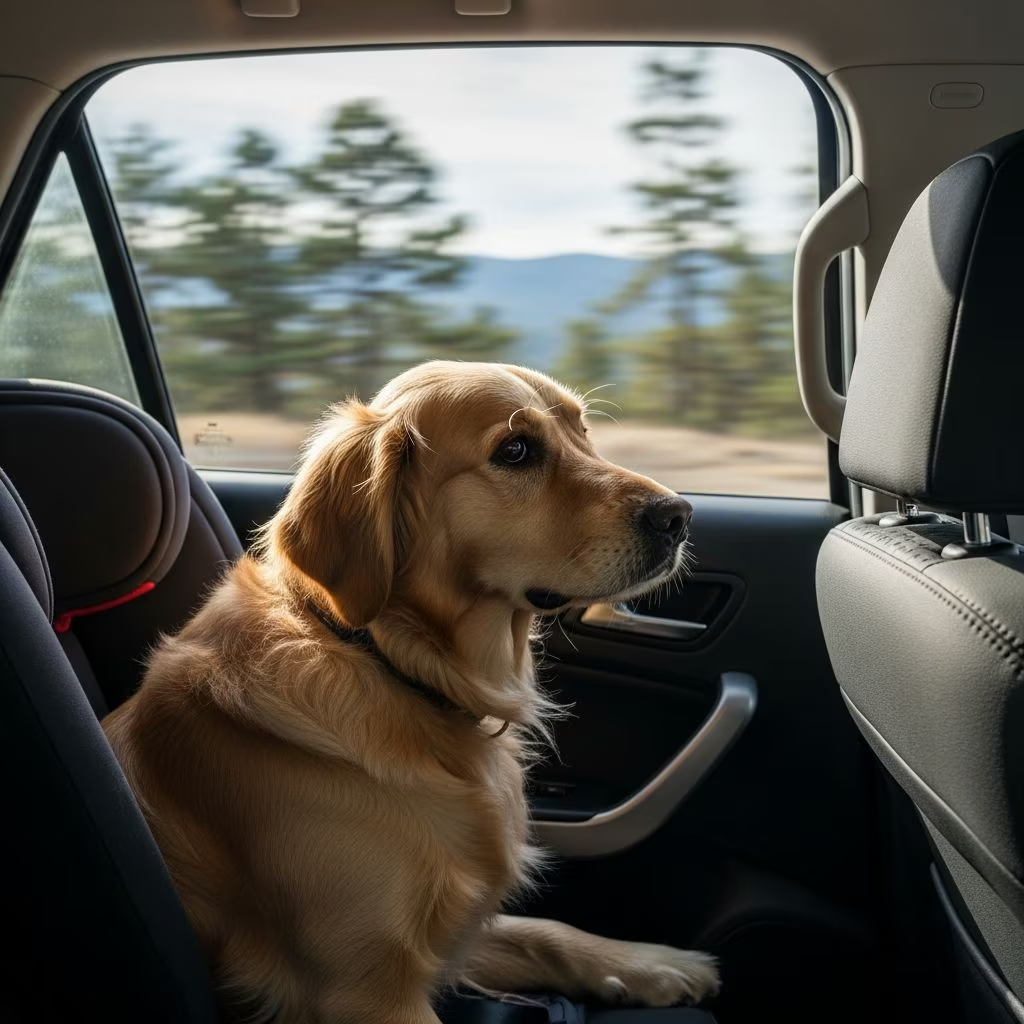
Why Do Dogs Get Car Sick? Understanding Causes and Solutions
Car sickness in dogs is a common concern for pet owners, affecting many canines during travel. Unlike humans who can rationalize the sensation of movement, dogs experience genuine physical discomfort that manifests as nausea, vomiting, and anxiety. Understanding the underlying causes of car sickness is the first step toward helping your furry companion travel more comfortably. Whether your dog experiences occasional queasiness or severe motion sickness, multiple evidence-based solutions exist to make car journeys more pleasant for both you and your pet.
Understanding the Causes of Car Sickness in Dogs
Dog car sickness stems from both physical and psychological factors. The primary cause relates to the vestibular system, which is located in the inner ear and controls balance. When a dog travels in a car, their inner ear senses motion while their eyes observe the environment moving past them. This disconnect between what the sensory organs perceive creates confusion in the brain, triggering signals to the nausea and vomiting centers.
Beyond the physical mechanisms, anxiety plays a significant role in car sickness. Dogs that have experienced negative or traumatic car rides may develop anticipatory anxiety before travel. This psychological stress can actually trigger real physical symptoms of motion sickness, creating a challenging cycle. Puppies that have frightening first experiences with cars often associate future travel with that stressful event, making them more susceptible to nausea and vomiting.
Several additional factors can predispose dogs to car sickness. Medical conditions such as middle or inner ear infections, vestibular disease, or certain medications that cause gastrointestinal upset may contribute to motion sensitivity. Genetics also play a role—some dogs are naturally more prone to car sickness than others due to their inherited sensitivity to motion.
Recognizing the Symptoms of Car Sickness
Car sickness in dogs manifests through various observable symptoms. The most common signs include excessive drooling, nausea, vomiting, and general restlessness during car rides. Some dogs may also experience loss of appetite for several hours following travel. In anxious dogs, you may notice panting, whining, pacing in the vehicle, or attempts to hide.
If your dog suddenly develops car sickness later in life when previously tolerating travel well, this warrants attention from your veterinarian. Such changes may indicate underlying medical conditions that require professional evaluation.
Practical Tips to Reduce Car Sickness
Strategic Feeding Before Travel
One of the simplest yet most effective preventive measures involves timing your dog’s meals carefully. Avoid feeding your dog a large meal immediately before a car ride, as a full stomach increases the likelihood of vomiting. Instead, offer a light meal two to three hours before travel. This approach provides adequate nutrition without overwhelming the digestive system during motion.
Proper Vehicle Positioning
Where your dog sits in the vehicle significantly impacts their comfort and nausea levels. Positioning your dog to face forward in a crate or with a secure harness helps align their visual and vestibular senses. Avoid keeping dogs in the trunk or cargo area where they cannot see the road ahead, as this misalignment between motion and visual input worsens nausea.
Securing your dog with an approved seat belt harness serves dual purposes: safety and reduced anxiety. A properly restrained dog experiences less stress and maintains better balance during acceleration, braking, and turns.
Environmental Modifications
The car environment itself influences your dog’s comfort during travel. Consider these modifications to reduce motion sickness symptoms:
- Lower car windows a couple of inches to balance air pressure inside and outside the vehicle
- Keep the car cool and well-ventilated, as hot or stuffy conditions worsen nausea
- Play soft, calming music such as classical compositions to reduce stress
- Bring a familiar blanket or toy to provide comfort and security
- Maintain a quiet car environment to minimize auditory stressors
Frequent Breaks and Distraction Techniques
Taking breaks every 20 to 30 minutes during longer journeys allows your dog to stretch their legs, relieve themselves, and experience fresh air. These breaks interrupt the constant motion stimulus and provide psychological relief from the stress of confinement.
Distraction techniques can also help manage car sickness. Offering your dog a favorite toy, a long-lasting chew, or a puzzle toy provides mental stimulation and focuses their attention away from physical discomfort.
Medical Solutions for Car Sickness
Anti-Nausea Medications
For dogs experiencing persistent car sickness despite preventive measures, veterinarians often prescribe anti-nausea medications. Maropitant citrate, marketed as Cerenia, is an FDA-approved medication specifically designed to prevent motion sickness and vomiting in dogs. According to veterinary experts, this medication is safe and effective for puppies over 8 weeks of age. Typically administered 2 hours before travel with food, Cerenia provides reliable relief from nausea symptoms.
Antihistamine Medications
Over-the-counter antihistamines can provide relief from mild to moderate car sickness. Common options include Benadryl (diphenhydramine) and Dramamine (dimenhydrinate). These medications work by reducing the sensitivity of the inner ear to motion signals. Antihistamines should be given 30 minutes to 1 hour before travel, and their effects typically last 3 to 6 hours.
However, antihistamines may cause drowsiness, dry mouth, and difficulty with complete urination in some dogs. Always consult your veterinarian before administering any over-the-counter medication, as they can determine the appropriate dosage for your dog’s weight and health status.
Anxiety Medications
When car sickness is primarily driven by anxiety rather than motion sensitivity, anti-anxiety medications become valuable tools. Veterinarians may prescribe medications such as Xanax (alprazolam) or the antidepressant trazodone for dogs whose motion sickness stems from psychological stress. These situation-specific medications help calm your dog’s nervous system, allowing them to travel with less distress.
Sedative Medications
For severe cases, sedative medications may be recommended. Common options include acepromazine and chlorpromazine, both requiring veterinary prescription. Acepromazine helps ease fear and anxiety, while chlorpromazine helps prevent vomiting. Both medications cause extended drowsiness, potentially allowing your dog to sleep through the entire journey.
One consideration with sedative medications is that they may cause your dog’s urine to turn pink or reddish-brown, which is a harmless but startling side effect.
Natural Remedies and Pheromone Products
Some pet owners find success with natural remedies such as ginger supplements or calming herbal products designed specifically for dogs. However, before trying any new supplement, consult your veterinarian to ensure safety and appropriate dosing.
Synthetic pheromone sprays can create a calming environment within your vehicle. These products mimic natural calming pheromones that dogs produce naturally. Experts recommend spraying the car with 8 to 10 pumps approximately 20 minutes before travel, repeating every 4 hours for optimal effectiveness. Pheromone products can also be sprayed inside your dog’s carrier or crate.
Behavioral Modification and Desensitization
For dogs whose car sickness is rooted in anxiety and negative associations, behavioral modification techniques offer long-term solutions. These approaches work by gradually changing your dog’s emotional response to car travel.
Counter-Conditioning Strategy
Counter-conditioning involves pairing the car with positive experiences. Begin by placing treats and favorite toys near the parked car. Progress to feeding your dog inside the stationary vehicle without the engine running. Gradually advance to short driving sessions in familiar areas. This sequential approach helps your dog develop positive associations with the vehicle and travel itself.
Desensitization Process
Desensitization involves slowly introducing your dog to the car environment in manageable increments. Start by having your dog sit in the parked car for brief periods. Gradually increase the duration of these sessions. When your dog becomes comfortable, introduce short drives around the neighborhood before progressing to longer journeys.
Breaking Negative Associations
If your dog has developed strong negative associations with car travel, consider these additional strategies:
- Take a one to two-week break from car trips to reset the anxiety cycle
- Switch to a different vehicle if possible to avoid triggering previous unpleasant associations
- Begin with short trips to enjoyable destinations, such as parks, rather than trips to the veterinarian
- Build tolerance gradually before attempting longer journeys
When to Consult Your Veterinarian
While many cases of dog car sickness respond well to practical measures and over-the-counter solutions, certain situations warrant professional veterinary evaluation. Schedule an appointment with your veterinarian if:
- Your dog suddenly develops car sickness after previously tolerating travel without difficulty
- Car sickness is severe or significantly impacts your dog’s quality of life
- Your dog has underlying health conditions or takes medications that might contribute to motion sensitivity
- Practical remedies and behavioral modification techniques prove insufficient
- You suspect an ear infection or vestibular disease may be underlying factors
Your veterinarian can rule out medical conditions, recommend appropriate medications, and provide personalized treatment plans based on your dog’s specific needs.
Frequently Asked Questions About Dog Car Sickness
Q: At what age do puppies typically outgrow car sickness?
A: There is no guaranteed age at which puppies outgrow car sickness. Some dogs naturally become less sensitive to motion as they mature, while others remain susceptible throughout their lives. Early positive exposure to car travel can help prevent car sickness from developing in puppies.
Q: Can car sickness be completely prevented?
A: Motion sickness is not always completely preventable, especially if your dog has a genetic predisposition or underlying medical condition. However, through a combination of practical measures, behavioral modification, and medication when needed, you can significantly reduce symptoms and improve your dog’s travel experience.
Q: How long before a car ride should I give my dog anti-nausea medication?
A: Most anti-nausea medications should be given 2 hours before travel with food. Antihistamines typically require 30 minutes to 1 hour before departure. Always follow your veterinarian’s specific instructions regarding timing and administration.
Q: Is it safe to use human motion sickness medication for dogs?
A: Some human medications can be used for dogs under veterinary guidance, such as Dramamine and Benadryl. However, dosages must be carefully calculated based on your dog’s weight. Never administer human medication without first consulting your veterinarian.
Q: Can anxiety medications completely solve car sickness?
A: Anxiety medications effectively address car sickness caused primarily by psychological stress. However, if motion sensitivity also contributes to your dog’s symptoms, a combination of anxiety medication and anti-nausea medication may be more effective.
References
- Is There Anything to Help Dogs with Car Sickness? — Pure Paws Veterinary. Accessed January 2026. https://www.purepawsvet.com/the-car-sick-canine-chronicles-tips-tricks/
- 10 Ways to Prevent Dog Car (Motion) Sickness — GoodRx Pet Health. Accessed January 2026. https://www.goodrx.com/pet-health/dog/dog-car-motion-sickness
- Causes and Treatment of Motion Sickness in Dogs — Today’s Veterinary Practice. 2019. https://todaysveterinarypractice.com/wp-content/uploads/sites/4/2019/07/Causes-and-Treatment-of-Motion-Sickness-in-Dogs.pdf
- Motion Sickness in Dogs – Dog Owners — Merck Veterinary Manual. 2026. https://www.merckvetmanual.com/dog-owners/brain-spinal-cord-and-nerve-disorders-of-dogs/motion-sickness-in-dogs
- Motion Sickness in Dogs — VCA Animal Hospitals. Accessed January 2026. https://vcahospitals.com/know-your-pet/motion-sickness-in-dogs
- Dogs and Motion Sickness — WebMD Pets. Accessed January 2026. https://www.webmd.com/pets/dogs/dogs-and-motion-sickness



