

Why Do Dogs’ Feet Smell Like Fritos? Understanding the Corn Chip Phenomenon
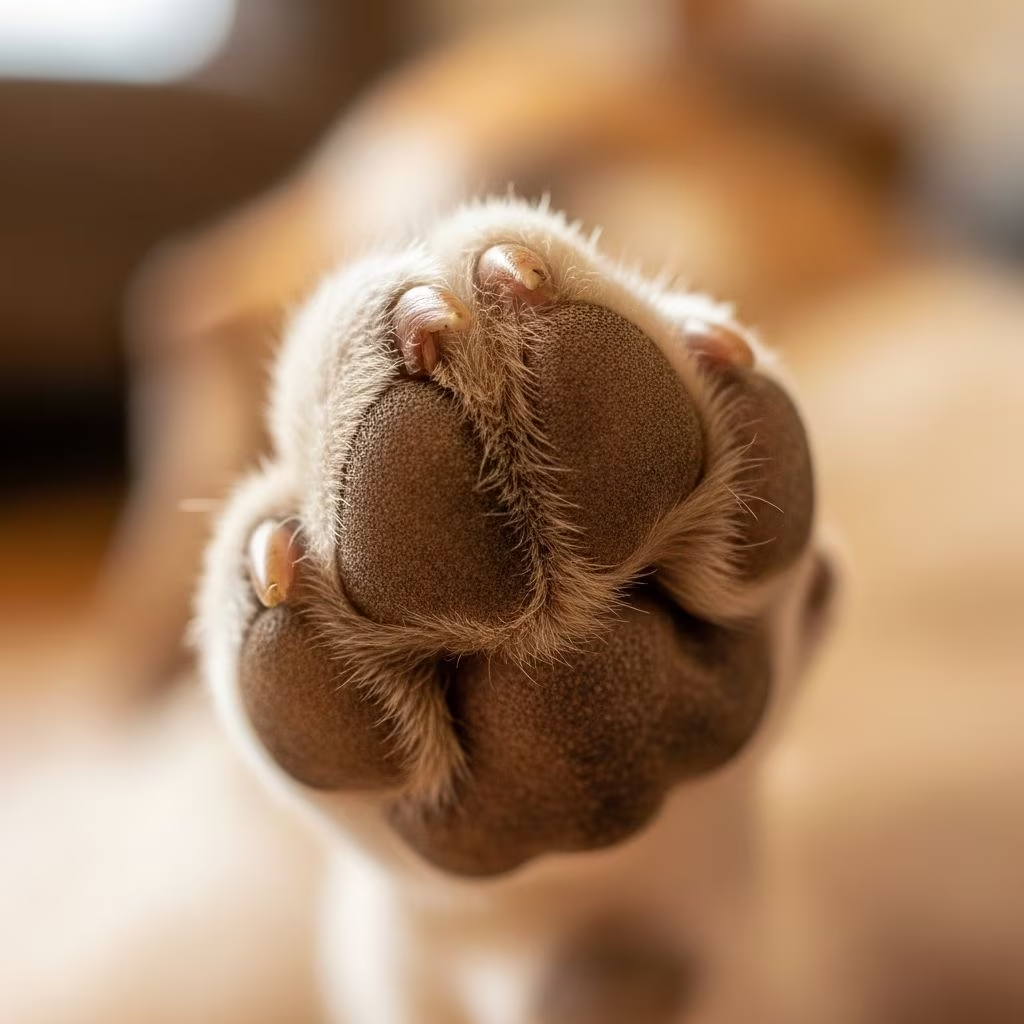
If you’ve ever noticed your beloved canine companion’s paws emitting a distinctive corn chip or Fritos-like odor, you’re not alone. This phenomenon, commonly referred to as “Frito feet,” is a widespread occurrence among dog owners and has become somewhat of a quirky talking point in pet parenting circles. While the smell might seem peculiar or even concerning at first, veterinarians confirm that this is typically a normal and harmless condition. The corn chip aroma emanating from your dog’s feet is primarily caused by naturally occurring microorganisms that colonize your pet’s skin and paws.
Understanding the science behind Frito feet helps pet owners distinguish between normal, healthy paw odor and signs of infection that may require veterinary attention. This guide explores the causes of this distinctive smell, why it occurs, and what you can do to manage it effectively while maintaining your dog’s paw health.
The Science Behind Frito Feet: What’s Causing the Smell?
Natural Bacteria on Dog Skin
The primary culprit behind the corn chip smell is naturally occurring bacteria that live on your dog’s skin. Two specific bacterial species are particularly responsible for this distinctive odor: Pseudomonas and Proteus. These bacteria are normal inhabitants of your dog’s skin microbiome and serve essential functions in maintaining skin health. The presence of these bacteria alone is not cause for concern; in fact, they’re a normal part of your dog’s natural skin flora.
These bacteria thrive in the warm, moist environment created between your dog’s toes and paw pads. The bacteria produce organic compounds as metabolic byproducts, and these compounds are responsible for that characteristic corn chip aroma. The smell is most noticeable after your dog has been active, has been outside in warm weather, or has been resting in a warm spot indoors.
Yeast as a Contributing Factor
In addition to bacteria, yeast microorganisms also contribute significantly to the Frito feet phenomenon. Yeast, like bacteria, naturally resides on your dog’s skin and is part of their normal microbial ecosystem. Yeast thrives particularly well in warm, moist environments, making the spaces between your dog’s paw pads an ideal habitat. The combination of bacteria and yeast working together produces that unmistakable corn chip scent that dog owners have come to recognize and even find endearing.
While some yeast presence is completely normal and necessary for skin health, an overgrowth of yeast can lead to more noticeable odors and potentially cause discomfort. The key distinction is between normal levels of yeast that contribute to the mild Frito smell and excessive yeast growth that indicates a problem.
The Role of Sweat and Moisture
An important factor that enables and intensifies the Frito feet smell is moisture. Dogs have a unique sweating pattern compared to humans—they only possess sweat glands in their nose and paws. When a dog’s paws become sweaty or their sweat glands become more active due to heat, stress, or physical activity, excess moisture gets trapped between the paw pads. This creates an ideal breeding ground for bacteria and yeast to flourish and produce their characteristic odor.
As one veterinary expert explains, when the dog’s feet are sweaty or the sweat glands are more active—whether due to hot weather or stress—you create a combination of a dark, warm, and moist environment. This perfect storm of conditions allows bacteria and yeast to thrive and multiply, intensifying the corn chip smell. The lack of air circulation between the paw pads further exacerbates this situation, allowing moisture to persist and microorganisms to flourish.
Is Frito Feet Normal? When to Be Concerned
Normal Frito Smell vs. Signs of Infection
The mild, pleasant corn chip smell coming from your dog’s paws is entirely normal and typically nothing to worry about. This baseline Frito feet odor is simply a result of the natural bacteria and yeast living on your dog’s skin. However, it’s important to recognize when the smell transitions from normal to problematic.
You should be concerned and consult your veterinarian if you notice:
- A significantly stronger, more pungent odor that’s noticeably different from the typical corn chip smell
- Redness or inflammation of the paw pads or skin between the toes
- Excessive licking or chewing at the paws, indicating discomfort or itching
- Hair loss around the paw pads or between the toes
- Swelling, discharge, or visible signs of infection
- A sour or unpleasant smell rather than the familiar Frito-like aroma
These symptoms may indicate a bacterial or yeast overgrowth, an infection, or an underlying health issue that requires professional veterinary attention. An overpowering odor combined with other symptoms suggests that the balance of microorganisms on your dog’s skin has been disrupted, potentially due to allergies, poor diet, injury, or excessive licking.
Understanding the Microbiome Balance
Your dog’s skin maintains a delicate balance of microorganisms that work together to keep the skin healthy and protect against harmful pathogens. When this balance is maintained, you get the normal, mild Frito feet smell. When the balance is disrupted, problems can develop.
It’s crucial not to over-treat normal Frito feet by aggressively washing or using harsh products on your dog’s paws. Disrupting this natural balance by excessively cleansing or applying products that alter the skin’s pH can actually create problems where none existed before. When you disturb the balance and create an overgrowth of one type of bacteria, that’s when issues begin to develop. Strategic intervention should only occur when there are clear signs of infection or discomfort.
Dog Frito-Feet Treatment and Management
When Treatment Is Necessary
In most cases, normal Frito feet requires no treatment whatsoever. If the corn chip smell is not bothering you and your dog shows no signs of infection or discomfort, simply enjoy this quirky aspect of dog ownership. The goal of any intervention should only be to address the smell if it’s offensive to the owner or to treat an underlying infection if present.
When treatment is indicated, the focus should be on gentle management rather than aggressive elimination of the smell. Some regular grooming might help mask the smell slightly, but the primary goal is to maintain paw health without disrupting the natural skin balance.
Regular Bathing and Grooming
If you choose to address mild Frito feet or if your dog has symptoms of infection, regular baths can be helpful. However, bathing frequency should be tailored to your individual dog’s needs. Talk to your veterinarian about the appropriate bathing schedule for your pet, which can range from once or twice a week for dogs with allergies or skin conditions to once every few weeks for healthy dogs with normal skin.
When bathing your dog, use soothing, moisturizing products specifically formulated for dogs. Over-the-counter oatmeal-based shampoos are excellent choices for healthy dogs, as they cleanse while maintaining skin moisture and reducing irritation. Always ensure thorough rinsing and drying, paying special attention to the spaces between the paw pads where moisture can linger and promote bacterial growth.
Treating Infected Paws
If your dog’s paws are infected or showing signs of bacterial or yeast overgrowth, your veterinarian may recommend more targeted treatment. This might include regular foot rinsing after daily walks, combined with medicated shampoos such as MiconaHex+Triz® Shampoo for Dogs & Cats. These specialized products are designed to gently reduce harmful overgrowth of bacteria and yeast while maintaining skin health.
Medicated foot baths can be particularly effective for addressing infections. These baths allow the healing solution to contact the affected areas thoroughly while the soak softens the skin and opens pores, allowing the medication to penetrate effectively. Your veterinarian can recommend the appropriate medicated solution and soak duration for your dog’s specific condition.
Daily Paw Maintenance
Regardless of whether your dog has normal Frito feet or shows signs of infection, establishing a daily paw maintenance routine is beneficial. After walks or outdoor playtime, wipe your dog’s paws with alcohol-free, unscented baby wipes to remove dirt and debris without disrupting the healthy bacterial balance. This simple step helps prevent excessive dirt accumulation that can harbor bacteria and contributes to paw odor.
Thoroughly dry your dog’s paws after baths, walks, or playtime in wet conditions. Moisture is a key factor in bacterial and yeast growth, so keeping paws as dry as possible is essential for paw health. Pay special attention to the spaces between the toes where moisture tends to linger longest.
Professional Grooming Considerations
Regular professional grooming or at-home grooming that includes trimming excess fur between the toes and around the paw pads can help maintain paw health. Excess fur traps moisture and dirt, creating an environment where bacteria and yeast thrive. Trimming this fur improves air circulation and reduces the conditions favorable for microbial overgrowth.
When grooming your dog’s paws, be gentle and avoid irritating the delicate skin. Spread your dog’s toes while cleaning and bathing to ensure you reach all areas where bacteria and yeast might accumulate. If you’re uncomfortable trimming your dog’s paws or nails yourself, professional groomers have the skills and experience to do this safely and effectively.
Prevention Strategies for Healthy Paws
The best approach to managing Frito feet is prevention. By maintaining your dog’s paw health, you can minimize excessive odor and reduce the risk of infection:
- Keep paws dry: Dry your dog’s paws thoroughly after walks, playtime, or baths, especially between the toes
- Routine inspection: Regularly examine your dog’s paws for signs of redness, swelling, or unusual odors
- Maintain proper nutrition: Feed your dog high-quality food appropriate for their age and health status, as poor diet can weaken skin barriers
- Regular nail trimming: Keep nails trimmed to prevent dirt buildup and discomfort
- Post-walk hygiene: Wipe paws clean after outdoor activities to remove dirt and reduce bacteria accumulation
- Monitor licking behavior: Excessive licking can damage the skin and create conditions favorable for infection
When to Consult Your Veterinarian
While normal Frito feet is harmless, several situations warrant professional veterinary evaluation. If your dog shows any signs of paw infection, discomfort, or if you’re uncertain whether the odor or symptoms are normal, contact your veterinarian. They can examine your dog’s paws, take samples if necessary, and recommend appropriate treatment if indicated.
Persistent symptoms despite home care efforts also warrant veterinary attention. Your veterinarian can prescribe prescription-strength antifungal treatments or antibiotics if bacterial or yeast infections are confirmed. Additionally, if your dog is excessively licking their paws or showing signs of allergies, your veterinarian can help identify underlying causes and recommend appropriate management strategies.
Frequently Asked Questions About Frito Feet
Q: Is the corn chip smell from my dog’s paws a sign of a health problem?
A: No, the mild corn chip or Frito-like smell is typically normal and caused by naturally occurring bacteria and yeast on your dog’s skin. It only becomes concerning if accompanied by redness, swelling, excessive licking, or a significantly stronger, unpleasant odor.
Q: Can I eliminate my dog’s Frito feet smell completely?
A: While you can’t completely eliminate the smell—nor should you want to, as it indicates healthy bacteria—regular grooming and paw maintenance may help reduce it slightly. Aggressive treatment could actually disrupt the healthy skin balance and create problems.
Q: Why do some dogs have more noticeable Frito feet than others?
A: Factors such as breed, individual bacterial colonization, activity level, climate, and diet can affect the intensity of the smell. Dogs in hot climates, active dogs, and certain breeds may have more noticeable odor due to increased sweat and moisture.
Q: How often should I bathe my dog to manage paw odor?
A: Bathing frequency depends on your individual dog’s needs. Healthy dogs typically need bathing once every few weeks, while dogs with allergies or skin conditions may need more frequent baths. Consult your veterinarian for recommendations specific to your dog.
Q: What should I use to clean my dog’s paws?
A: Use gentle, dog-safe products such as oatmeal-based shampoos for regular cleaning. For daily maintenance, alcohol-free, unscented baby wipes are excellent. Always prioritize thorough drying after cleaning.
Q: Could poor diet cause stronger paw odor?
A: Yes, poor-quality diet can weaken your dog’s skin barrier, making them more susceptible to bacterial and yeast overgrowth. High-quality, species-appropriate nutrition supports overall skin health and may help reduce excessive paw odor.
Q: Is it safe to use medicated shampoos on healthy paws with normal Frito smell?
A: No, medicated shampoos should only be used when recommended by your veterinarian for treating infections or significant overgrowth. Using them on healthy paws could disrupt the natural bacterial balance and create problems.
References
- Why Do My Dog’s Feet Smell Like Fritos? Is This Normal? — Chewy Education. 2024. https://www.chewy.com/education/dog/health-and-wellness/why-do-dogs-feet-smell-like-fritos
- Why Do My Dog’s Feet Smell Like Fritos or Corn Chips? — American Kennel Club. 2024. https://www.akc.org/expert-advice/health/why-do-my-dogs-feet-smell-like-fritos/
- Why Do Dog Paws Smell? — Zymox Pet Health. 2024. https://zymox.com/why-do-dog-paws-smell/
- Why Do My Dog’s Paws Smell Like Fritos? — Precious Petcare. 2024. https://www.preciouspetcaresd.com/news/why-do-my-dogs-paws-smell-like-fritos/
- Smelly Paws? The Truth About Canine “Frito Feet” — Marketplace Veterinary. 2024. https://www.marketplaceveterinary.com/blog/smelly-paws-the-truth-about-canine-frito-feet/
- 6 Reasons Your Dog Smells Bad — PetMD. 2024. https://www.petmd.com/dog/slideshows/6-reasons-your-dog-smells-bad



