

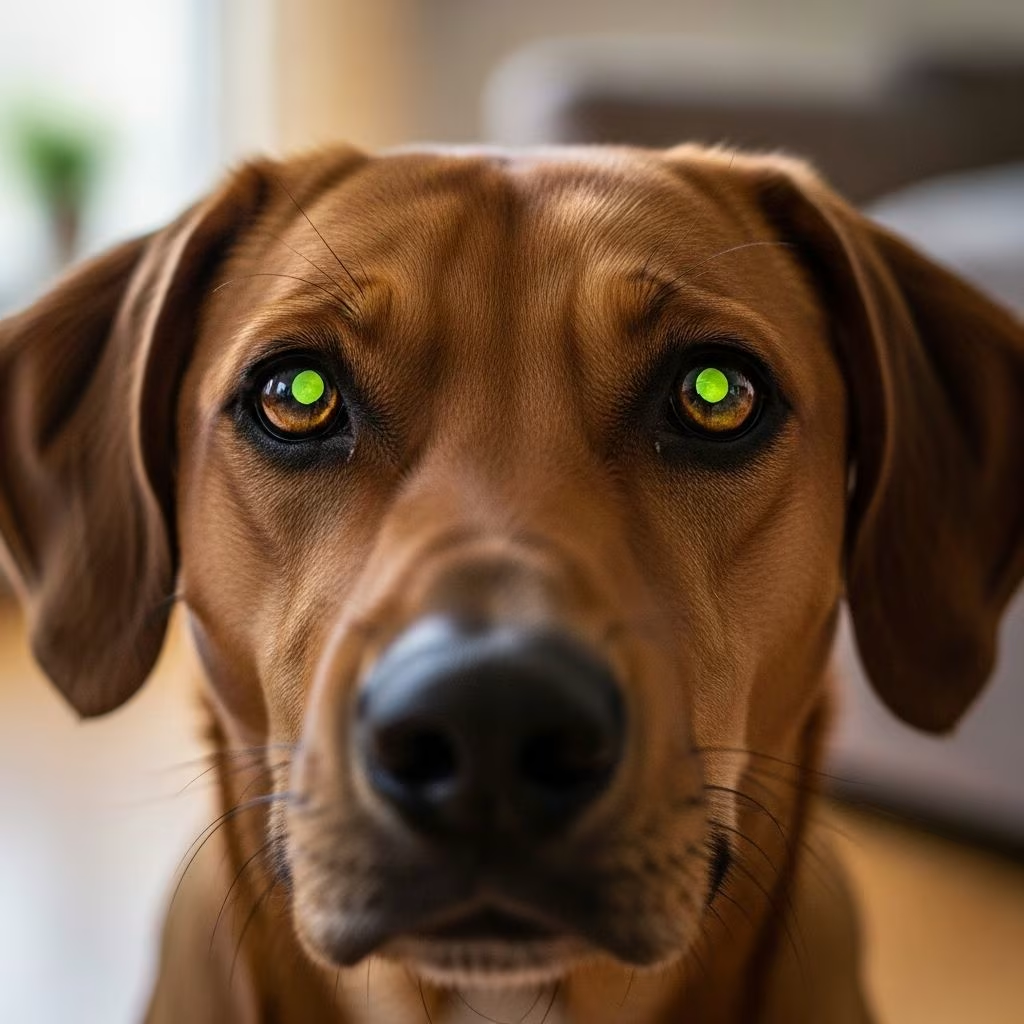
Why Do My Dog’s Eyes Look Weird in Photos? Understanding the Science Behind the Glow
If you’ve ever taken a photo of your beloved canine companion and noticed their eyes glowing an eerie green or amber color, you’re not alone. Many dog owners find this phenomenon puzzling and sometimes even concerning. However, this common occurrence is completely normal and rooted in fascinating biology. The mysterious glow you capture in your photos is actually a testament to your dog’s remarkable ability to see in the dark. Understanding what causes this effect will not only put your mind at ease but also help you appreciate the unique adaptations that make dogs such incredible creatures.
The spooky glow you see in photos is actually a cool piece of biology. It’s caused by a reflective layer behind the retina called the tapetum lucidum, which acts like a mirror. This specialized structure helps dogs see in low-light conditions and is responsible for that distinctive eye shine when light from your camera flash bounces off it.
What is the Tapetum Lucidum?
The tapetum lucidum is a fascinating anatomical feature found in many animals, including dogs, cats, and deer. This specialized tissue layer sits directly behind the retina in the back of the eye and functions as a natural reflector. The name itself comes from Latin, meaning “bright tapestry,” which perfectly describes its reflective properties.
How Does It Work?
The tapetum lucidum works by reflecting light that passes through the retina back onto the photoreceptor cells. This essentially gives light two opportunities to stimulate the light-sensitive cells in your dog’s eye, rather than just one. Think of it as nature’s way of amplifying vision in dim conditions. This reflective mechanism is particularly beneficial for dogs because their ancestors were crepuscular hunters, meaning they were most active during dawn and dusk when light levels are low.
The color of the eye glow can vary depending on the specific composition of the tapetum lucidum and the breed of your dog. Some dogs may display a bright green glow, while others show yellow, amber, or even a blue-green hue. This variation in color is entirely normal and doesn’t indicate any problem with your dog’s vision or eye health.
Why Is It Important for Dogs?
The tapetum lucidum provides dogs with significantly superior night vision compared to humans. While humans rely on rod cells in the retina for low-light vision, dogs benefit from both their rod cells and the amplifying effect of the tapetum lucidum. This adaptation allows dogs to see in lighting conditions that would appear completely dark to human eyes, giving them an evolutionary advantage in hunting and navigation.
Is This Normal? Should I Be Concerned?
Yes, it’s totally normal for your dog’s eyes to glow in photos. This is a completely natural and harmless phenomenon that occurs in most dogs. The presence of eye glow in photos actually indicates that your dog has a healthy, functioning tapetum lucidum. However, there are some situations where you might want to pay closer attention to your dog’s eyes.
When the Glow Might Indicate a Problem
While the typical glow is harmless, certain changes in your dog’s eye appearance warrant veterinary attention:
- If the glow appears unusually bright or significantly different in color than usual
- If one eye glows differently than the other
- If you notice cloudiness in your dog’s eyes in person, not just in photos
- If your dog shows signs of discomfort, such as squinting or pawing at their eyes
- If there’s a noticeable change in your dog’s vision or behavior
- If you observe excessive discharge from the eyes
These changes could potentially indicate issues such as cataracts, nuclear sclerosis, glaucoma, or other eye conditions that require professional evaluation.
How Does This Differ From Red-Eye in Humans?
While the glow in dogs’ eyes may superficially resemble red-eye in human photographs, the causes are fundamentally different, and understanding this distinction is important.
Red-Eye in Humans
Red-eye in human photos occurs when someone looks directly at the camera flash with healthy, unobstructed retinas. The camera flash reflects off the blood vessels at the back of the eye, specifically the capillaries in the choroid layer beneath the retina. This reflection of blood vessels is what creates the distinctive red appearance in photographs. The red color is literally the color of the blood vessels being illuminated and reflected back to the camera.
Green-Eye or Glow in Dogs
In contrast, the glow in dogs’ eyes results from an entirely different mechanism. Dogs possess the tapetum lucidum, a reflective tissue layer that humans don’t have. When light from a camera flash hits a dog’s eye, it passes through the retina, bounces off the tapetum lucidum, and reflects back toward the camera. The color of this reflection depends on the composition and pigmentation of the tapetum lucidum, which is why different dogs may have different colored eye glows.
This fundamental difference explains why red-eye reduction techniques used for human photography don’t work the same way for dogs. In fact, some red-eye reduction modes on cameras can actually make the dog eye glow more pronounced because these settings work by emitting pre-flashes to constrict the pupil, which can paradoxically increase the reflective effect of the tapetum lucidum.
Factors That Affect Eye Glow in Photos
Pupil Dilation and Emotional State
If your dog is excited or stressed, their eyes may dilate more, allowing for more of this glow to show in photos. When a dog’s pupils are dilated, more light can enter the eye and reflect off the tapetum lucidum, resulting in a more pronounced glow. This is why you might notice more dramatic eye glow in action shots or photos taken during exciting moments, such as playtime or outdoor adventures.
Lighting Conditions
The brightness of your environment and the intensity of the flash significantly influence how visible the eye glow is in your photos. In bright daylight, the tapetum lucidum’s reflection is less noticeable because ambient light already provides adequate illumination, and your dog’s pupils are likely constricted. Conversely, in low-light conditions or when using a flash indoors, the effect becomes much more pronounced.
Camera Angle and Distance
The angle at which you photograph your dog and the distance from which you’re shooting can affect how much eye glow appears. When your dog is looking directly at the camera, the light path is most direct, resulting in maximum reflection. If your dog is looking slightly away from the camera, the angle of reflection changes, potentially reducing the visible glow.
Dog Breed and Eye Characteristics
Different breeds may display varying degrees of eye glow, and some dogs may not show any glow at all. Dogs with lighter-colored eyes or less pigmentation in their tapetum lucidum might display a brighter, more visible glow. Additionally, dogs with deeper-set eyes or darker eye coloration might show less prominent reflection.
Tips for Reducing Eye Glow in Dog Photos
If you’re frustrated with the glowing eyes appearing in your dog photos, here are several practical strategies to minimize this effect:
Photography Techniques
- Avoid direct flash: Try using natural lighting whenever possible. Take photos near windows or outdoors during daytime hours when natural light is abundant.
- Use diffused lighting: If you must use flash, consider using a diffuser or softbox to spread the light more evenly and reduce the intense reflection.
- Change your angle: Position yourself so your dog isn’t looking directly at the camera. Even a slight angle can significantly reduce the tapetum lucidum’s reflection.
- Try off-camera flash: If using flash, position it to the side rather than directly above or in front of the camera.
- Use a camera mode designed for pet photography: Many modern cameras and smartphones have pet-specific photography modes that can help minimize eye glow.
Timing and Conditions
- Photograph your dog during daylight hours when possible
- Take photos outdoors or in well-lit rooms
- Avoid photographing in low-light conditions if eye glow is a concern
- Take photos when your dog appears calm and relaxed, as this can result in less pupil dilation
Post-Processing Options
If you’ve already captured photos with obvious eye glow, many photo editing applications offer tools to reduce or eliminate the effect in post-processing. These tools work similarly to red-eye reduction features but are calibrated for the green or amber tones of dog eye glow.
Understanding Eye Health vs. Cosmetic Appearance
It’s important to distinguish between cosmetic concerns about eye appearance in photos and actual eye health issues. The presence of eye glow in photos is a sign of a healthy, functioning tapetum lucidum and doesn’t indicate any medical problem.
However, if you notice persistent cloudiness in your dog’s eyes during normal viewing (not just in photos), excessive tearing, redness, discharge, or changes in your dog’s vision or behavior, these warrant a veterinary examination. Conditions such as cataracts, nuclear sclerosis, glaucoma, and other eye diseases can cause genuine cloudiness that differs from the normal reflective glow.
Frequently Asked Questions (FAQs)
Q: Is the eye glow in dog photos always normal?
A: Yes, the reflective glow caused by the tapetum lucidum is completely normal and indicates a healthy eye. However, if you notice other changes in your dog’s eyes or vision in person, consult your veterinarian.
Q: Why don’t all dogs have visible eye glow in photos?
A: Not all dogs have equally visible eye glow due to variations in the tapetum lucidum’s composition, pigmentation, and eye structure. Some breeds naturally display more pronounced glow than others.
Q: Can I get rid of the eye glow completely?
A: While you can significantly reduce eye glow by avoiding direct flash, using natural lighting, and adjusting your camera angle, completely eliminating it may be difficult. Post-processing editing can help minimize or remove the effect.
Q: Does eye glow mean my dog has better night vision?
A: The presence of the tapetum lucidum (which causes the glow) does enable dogs to see significantly better in low-light conditions than humans. The glow itself is just the reflection of light off this layer.
Q: Should I be worried if my dog’s eye glow is different from another dog’s?
A: Not necessarily. Different dogs have different colored eye glows due to variations in their tapetum lucidum. However, if one of your dog’s eyes suddenly shows a very different glow than the other, or if you notice other changes, have a vet check it.
Q: Can I use red-eye reduction to fix dog eye glow?
A: Red-eye reduction features work on a different principle than dog eye glow and may not be effective. In fact, these settings might sometimes make the glow more pronounced. Using natural lighting or adjusting your camera angle is more effective.
References
- Why Do My Dog’s Eyes Look Weird in Photos? — Chewy Education. 2025. https://www.chewy.com/education/dog/health-and-wellness/why-do-my-dogs-eyes-look-weird-in-photos
- Cloudy Eyes in Dogs: 7 Common Reasons — Toe Grips. 2025. https://toegrips.com/cloudy-eyes-in-dogs/
- Cloudy Eyes in Dogs: Why Are My Dog’s Eyes Cloudy? — PetMD. 2025. https://www.petmd.com/dog/symptoms/cloudy-eyes-in-dogs



