

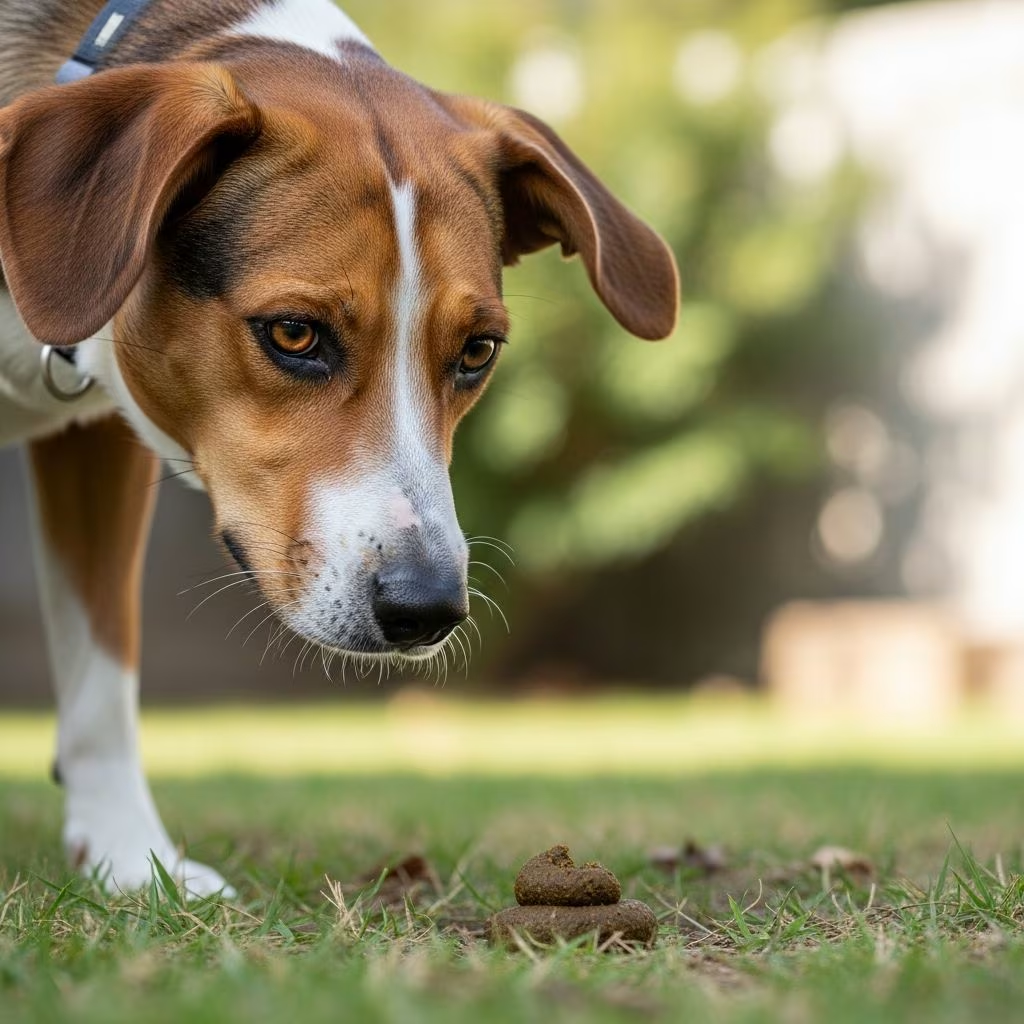
Why Do Dogs Eat Poop: Understanding This Unusual Behavior
Coprophagia, the technical term for eating feces, is one of the most unpleasant behaviors dog owners encounter. While the behavior seems revolting to humans, dogs engage in this activity for various biological, medical, and behavioral reasons. Understanding why your dog eats poop is the first step toward addressing the problem and ensuring your pet’s health and well-being. This comprehensive guide explores the causes behind this behavior and provides practical solutions.
What Is Coprophagia?
Coprophagia refers to the consumption of fecal matter by animals, including dogs. This behavior is more common than many dog owners realize. Research indicates that approximately 24% of dogs engage in poop eating at least occasionally, while 16% are classified as “serious” poop eaters who engage in this behavior five or more times. The behavior can manifest as dogs eating their own feces (autocoprophagia), feces from other dogs (allocoprophagia), or feces from other animals like cats or livestock.
Natural and Instinctual Reasons for Coprophagia
Maternal Instinct and Puppy Development
One of the primary reasons dogs eat poop is rooted in maternal and ancestral behavior. Mother dogs naturally eat their puppies’ feces during the first three weeks after birth as part of den sanitation behavior. This instinctual cleanliness helps keep the den clean and prevents parasitic infections from spreading to vulnerable young dogs. The mother dog’s behavior serves a protective function, as parasite eggs present in feces require days or weeks to become infectious, and by consuming fresh feces, the mother prevents these parasites from establishing themselves in the den environment.
Puppies often mimic their mother’s behavior and may engage in poop eating themselves, even after they no longer require maternal care. This learned behavior can persist into adulthood, particularly if the dog hasn’t been trained to eliminate the habit. Young dogs may also confuse their mother’s scent with poop on her breath, leading to accidental ingestion of feces.
Evolutionary Origins
From an evolutionary perspective, coprophagia likely served important survival functions for wild canines and wolves. In nature, food scarcity meant that early canines had to maximize the nutritional value of available resources. Consuming feces, particularly from herbivorous animals like deer or elk, provided additional nutrients that weren’t fully absorbed during the first digestive process. This evolutionary adaptation may persist in modern domestic dogs as a genetic predisposition, even though contemporary dogs have consistent access to adequate nutrition.
Nutritional and Digestive Reasons
Nutrient Deficiencies
One of the most compelling explanations for coprophagia involves nutritional deficiencies. Dogs that lack sufficient nutrients in their diet are significantly more likely to eat poop as a way to supplement their nutrition. Vitamin B deficiency has been particularly implicated in this behavior, with scientific research dating back to 1981 demonstrating that fecal microbial activity synthesizes B vitamins that dogs may be seeking.
Specific nutrient deficiencies can drive dogs to consume feces from other animals. Dogs may particularly seek out ungulate feces—feces from hoofed herbivorous animals like horses and hippopotamuses—because these contain valuable antioxidants and nutrients not found in their regular diet. Additionally, fiber deficiencies can prompt dogs to seek supplementation from fecal matter. Low-quality or nutritionally incomplete dog foods may not provide all the essential vitamins, minerals, and enzymes your dog requires.
Bacterial Imbalances and Gut Health
Another significant nutritional factor involves the bacterial composition of a dog’s digestive system. Beneficial bacteria in the gut play a crucial role not only in absorbing nutrients from food but also in synthesizing certain nutrients the dog’s body requires. When these beneficial bacteria become depleted or imbalanced, dogs may instinctively consume feces to introduce more “good” bacteria back into their intestines.
This phenomenon, known as bacteria-related nutrient malabsorption, occurs when specific gut bacteria essential for nutrient production and absorption are missing. Without these bacteria, dogs cannot obtain certain nutrients from their standard diet, creating a nutritional drive to consume feces. This represents the dog’s instinctive attempt to restore bacterial balance and recapture lost nutrients.
Incomplete Digestion
Dogs don’t always digest their food efficiently enough to extract all available nutrients during the initial digestive process. Fecal matter contains partially digested food and microbial content that may still have nutritional value. By consuming feces, particularly from other animals, dogs can extract additional nutrients and minerals that weren’t fully processed during the first digestive cycle. This behavior may be especially pronounced in dogs with sensitive digestive systems or poor diet quality.
Medical Conditions Associated with Coprophagia
Exocrine Pancreatic Insufficiency (EPI)
While most cases of coprophagia aren’t linked to underlying medical conditions, several diseases can increase a dog’s tendency to eat poop. Exocrine Pancreatic Insufficiency (EPI) is one of the most significant medical causes. Dogs with EPI have pancreases that fail to produce adequate digestive enzymes necessary for breaking down food into absorbable nutrients.
Without proper digestive enzyme production, food passes through the digestive system largely undigested. This creates a severe nutrient deficiency and an insatiable appetite. Dogs with EPI may develop a compulsive drive to consume pre-digested material like feces, which requires less enzymatic breakdown for nutrient extraction. This behavior represents an adaptation to the dog’s compromised digestive capability.
Other Medical Conditions
Beyond EPI, other medical conditions can increase coprophagia, including hypothyroidism, diabetes, and Cushing’s disease. While the mechanisms behind these conditions aren’t completely understood in veterinary medicine, they likely involve metabolic changes that increase hunger or alter nutrient absorption. Dogs experiencing sudden increases in poop-eating behavior, particularly when combined with weight loss, should receive immediate veterinary attention to rule out underlying medical issues.
Behavioral and Psychological Factors
Attention-Seeking Behavior
Dogs are intelligent animals that learn quickly which behaviors generate owner responses. Some dogs may engage in poop eating specifically to capture their owner’s attention, particularly if they’ve noticed that this behavior produces strong reactions. Even negative attention is attention to many dogs, and if a dog receives dramatic responses to poop eating, the behavior may be inadvertently reinforced.
Boredom and Stress
Boredom, stress, and psychological distress can all contribute to coprophagia. Dogs lacking adequate mental stimulation or physical exercise may engage in this behavior as a way to occupy themselves or cope with anxiety. Stress responses in dogs can manifest in various behavioral issues, including poop eating. Dogs experiencing environmental changes, separation anxiety, or other stressors may develop or escalate this habit.
Sensory Exploration
Dogs are fundamentally sensory-driven creatures whose primary means of exploring their world is through their nose and mouth. Fecal matter has a strong, distinctive scent that naturally attracts canine investigation. What begins as sensory curiosity may progress to consumption, particularly in young or easily excitable dogs. Additionally, some dogs may find certain types of feces more appealing than others based on scent and texture preferences.
Genetic Predisposition in Dog Breeds
Like many behavioral traits and health conditions, the propensity for coprophagia varies significantly among dog breeds. Research has identified that certain breeds are significantly more predisposed to eating poop than others. Labrador Retrievers and Golden Retrievers are nearly twice as likely to engage in coprophagia compared to any other dog breed.
This breed predisposition is believed to relate to a common genetic mutation in retrievers that prevents them from properly “turning off” their hunger switch after eating. This genetic variation results in excessive food-motivated behaviors and an obsessive relationship with food consumption. Dogs with this genetic predisposition will eat almost anything, including feces, driven by their heightened food motivation and inability to achieve satiation.
Health Risks and Concerns
While coprophagia is rooted in instinctual or medical factors, dog owners should understand the potential health risks. Consuming fecal matter exposes dogs to parasites, bacteria, and pathogens that can cause serious infections. Dogs that eat feces from other animals face additional risks from parasites adapted to different species. Regular veterinary check-ups become essential for dogs engaging in this behavior, as early detection of parasitic infections or other complications can prevent serious health issues.
When to Seek Veterinary Help
Pet owners should consult a veterinarian if their dog exhibits sudden increases in poop-eating behavior, especially when accompanied by other symptoms like weight loss, lethargy, or digestive issues. A veterinary professional can rule out medical conditions like EPI, hypothyroidism, or parasitic infections that require specific treatment. Additionally, veterinarians can recommend dietary adjustments or supplements to address nutritional deficiencies driving the behavior.
Practical Solutions and Prevention Strategies
Dietary Management
Improving your dog’s diet is often the first step in addressing coprophagia. Ensure your dog receives high-quality, nutritionally complete food with adequate vitamins, minerals, and fiber. Consider consulting with your veterinarian about dietary supplements, particularly probiotics and prebiotics that support healthy gut bacteria balance. For dogs with identified nutritional deficiencies, targeted supplementation may eliminate the behavioral drive to eat feces.
Environmental Management
Prompt removal of feces from your yard and living spaces eliminates the opportunity for poop eating. During walks, keep your dog on a short leash and redirect their attention away from any feces encountered. This environmental control prevents the behavior while you address underlying causes.
Behavioral Training
Training your dog to respond to “leave it” commands provides an effective tool for preventing poop consumption. Redirect your dog’s attention to appropriate activities and reward them for ignoring fecal matter. Addressing boredom through increased exercise, mental stimulation, and interactive play can significantly reduce stress-related coprophagia.
Frequently Asked Questions
Q: Is it dangerous if my dog eats poop?
A: Yes, consuming fecal matter exposes dogs to parasites, bacteria, and pathogens. While occasional incidents may not cause serious problems, regular poop eating increases infection risks. Veterinary monitoring is important for dogs engaging in this behavior.
Q: Can coprophagia indicate a serious health condition?
A: While most cases aren’t medical, conditions like EPI, hypothyroidism, and diabetes can cause increased poop eating. Sudden behavioral changes warrant veterinary evaluation to rule out underlying medical issues.
Q: Will my dog outgrow coprophagia?
A: Many puppies naturally stop this behavior as they mature. However, adult dogs may continue without intervention. Addressing nutritional, medical, and behavioral factors helps eliminate the behavior.
Q: How can I prevent my dog from eating poop during walks?
A: Keep your dog on a short leash, maintain close attention, and practice “leave it” commands. Redirect their attention to toys or treats when they show interest in fecal matter.
Q: Are certain dog breeds more prone to eating poop?
A: Yes, Labrador Retrievers and Golden Retrievers are nearly twice as likely to eat poop compared to other breeds, likely due to genetic factors affecting hunger regulation.
References
- Why Do Dogs Eat Poop? — The Dish on Science, Stanford University. 2025. https://thedishonscience.stanford.edu/articles/rvuid1mxx6u1wkdlk1o6u40xv1zfga
- Feasting on Feces: Why Do Dogs Eat Poop? — Animal Biome. 2025. https://www.animalbiome.com/blogs/dog/feasting-on-feces-why-do-dogs-eat-poop
- Why Do Animals Eat Poop? (And Why It Might Be a Good Thing) — National Zoo & Conservation Biology Institute, Smithsonian. 2025. https://nationalzoo.si.edu/center-conservation-genomics/news/why-do-animals-eat-poop-and-why-it-might-be-good-thing
- Why Do Dogs Eat Poop? Unveiling the Science Behind This Peculiar Behavior — YEG Vet. 2025. https://www.yegvet.ca/why-do-dogs-eat-poop-unveiling-the-science-behind-this-peculiar-behavior/
- Why Dogs Eat Poop And How To Stop It — American Kennel Club (AKC). 2025. https://www.akc.org/expert-advice/health/why-dogs-eat-poop/



