

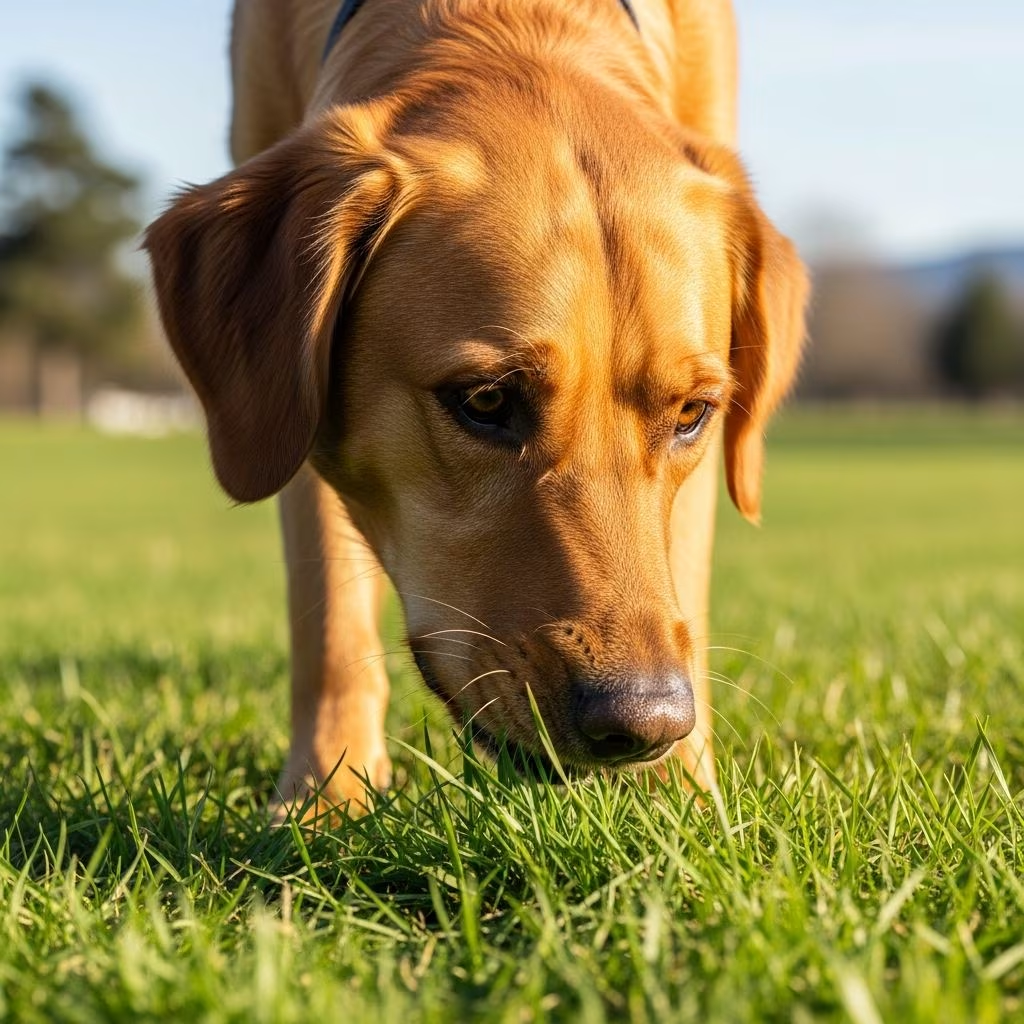
Why Do Dogs Eat Grass?
If you’ve ever watched your dog venture into the yard and start munching on grass like a tiny lawn mower, you’re not alone. Grass-eating is one of the most common behaviors dog owners encounter, and it can leave many wondering what’s going on inside their pet’s mind. While it might seem unusual or even concerning, there are several legitimate reasons why dogs engage in this quirky habit. Understanding these reasons can help you determine whether your dog’s grass consumption is normal behavior or a sign of an underlying issue that requires attention.
The Main Reasons Dogs Eat Grass
Grass-Eating Is Instinct
One of the most fascinating explanations for why dogs eat grass is rooted in their evolutionary history. Dogs are descendants of wolves and other members of the Canidae family, including jackals, foxes, and coyotes, all of which consume grass in the wild. This ancestral behavior suggests that grass-eating may simply be a natural trait encoded in your dog’s genetics.
Even if your dog has a complete and well-balanced diet, eating grass may not indicate a nutritional deficiency at all. The behavior might simply be instinct—a remnant of their long-ago wild ancestry. Over thousands of years of domestication, dogs’ digestive systems, dietary needs, and cravings have evolved to fit their lifestyle as companion animals, yet some primal instincts remain. When a wild canine consumes an entire animal, it provides an optimal diet, especially if that animal’s diet consisted of various plants. Your beloved pet may naturally crave grass as part of their genetic makeup, harking back to these ancestral feeding patterns.
Need for Fiber
Dogs require roughage—specifically fiber—in their diets to maintain healthy digestive function. Grass is an excellent natural source of fiber, and many dogs will eat grass simply because they need more of it in their daily diet. When dogs don’t get enough fiber, they may experience loose stools, constipation, or irregular bowel movements.
A lack of fiber directly affects your dog’s ability to digest food properly and pass stool comfortably. By eating grass, your dog may be instinctively addressing this nutritional gap, helping their digestive system run more smoothly and efficiently. If you suspect your dog is eating grass due to insufficient fiber intake, examine their current diet and consider supplementing with dog-safe fruits and vegetables high in fiber, or switch to a dog food formulated with higher fiber content.
Diet Deficiency and Pica
In some cases, excessive grass-eating may indicate a more serious concern: pica, a condition where dogs compulsively consume non-food items such as rocks, dirt, or fabric. While occasional grass-eating is normal, extreme or obsessive grass consumption can sometimes be caused by a dietary deficiency.
If your dog’s grass-eating habit appears extreme or compulsive, consult with your veterinarian, as they may recommend switching to a different dog food or investigating other underlying medical or behavioral conditions. Dogs fed a well-balanced, nutritionally complete diet typically don’t develop pica, so your vet can help identify whether the issue stems from nutritional gaps or other factors. One notable case involved a miniature poodle that ate grass and vomited daily for seven years; within three days of switching to a high-fiber diet, the behavior stopped entirely.
Grass Acts as an Antacid
Another compelling explanation for grass-eating relates to digestive discomfort. When a dog has an empty stomach, bile—a digestive fluid—accumulates and can become very irritating and uncomfortable. Dogs may instinctively eat grass to help release this bile and feel better, similar to how humans take antacids to ease stomach pain.
You might notice your dog frantically consuming grass first thing in the morning and then vomiting yellow foam—this yellow substance is actually bile, indicating an empty stomach. If this describes your dog’s behavior, a simple solution may help: feed your dog a small meal as soon as you wake up, allowing the bile to break down food as intended rather than irritating the stomach. Similarly, providing a small meal right before bedtime can help prevent this uncomfortable situation overnight. Discuss this feeding adjustment with your veterinarian to see if it alleviates the behavior.
Boredom
Even with access to a fenced backyard, many dogs would genuinely prefer their owner’s companionship over solitary yard time. If your dog hangs in the yard alone eating grass, boredom may be the culprit. Dogs are social animals that require mental stimulation and physical activity to stay happy and healthy.
You can combat boredom-related grass-eating through a combination of strategies: positive reward training, a consistent exercise routine, and quality time spent outdoors with your dog playing fetch or other interactive games. Providing puzzle toys, interactive feeders, and rotating toys can also keep your dog mentally engaged and less likely to resort to grass-eating for entertainment.
Tasty Treat
Sometimes, the simplest explanation is the correct one: your dog might simply enjoy the taste and texture of grass. Dogs are curious creatures, and they may eat grass as a form of exploration or because they genuinely find it delicious. This tendency is especially common during spring when new grass emerges or when your dog is thirsty.
Particularly during hot weather, always keep a bowl of fresh, cool water available in your yard to satisfy your dog’s thirst and potentially reduce grass-eating behavior. Some dogs develop a habit of eating grass regularly even without any underlying health issues, treating it much like humans might snack on certain foods they enjoy.
Is Eating Grass Bad for Dogs?
Normal Behavior with Caveats
A small but significant study conducted at the UC Davis School of Veterinary Medicine provides reassuring data about grass-eating in dogs. The researchers found that only about 22% of dogs studied frequently vomited after eating grass, and only 9% frequently showed signs of illness prior to eating grass. This research suggests that grass and plant-eating is a normal behavior of domestic dogs and not inherently dangerous.
However, the same study confirmed that some dogs do vomit shortly after eating grass, and while this can be alarming to owners, it doesn’t necessarily indicate a serious problem. The consumption of grass may simply be a sign that your dog is attempting to relieve an upset stomach through this natural behavior.
Potential Health Hazards
While grass-eating itself is generally harmless, certain circumstances can make it problematic. Grass treated with herbicides and pesticides can be toxic to dogs, posing a serious health risk. Additionally, eating grass can cause dogs to ingest intestinal parasites, such as roundworms and hookworms, left behind in animal droppings.
If your dog has access to treated grass or areas frequented by other animals, your veterinarian may want to perform assessments using fecal samples or blood tests to look for parasites and toxicity. To minimize these risks, consider using pet-safe lawn treatments or preventing your dog’s access to areas you know have been treated with chemicals.
Signs of Underlying Illness
While occasional grass-eating is normal, excessive or frequent consumption warrants veterinary attention. Be alert for potential underlying illnesses that may be causing the behavior, particularly if you notice:
– Frequent or excessive vomiting- Diarrhea- Unexplained weight loss- Decreased appetite- Bloody stools- Lethargy or lack of energy- Excessive lip licking
If your dog shows any of these symptoms alongside increased grass consumption, contact your veterinarian promptly. Conditions such as gastric reflux, inflammatory bowel disease, or pancreatitis may be responsible, and a professional evaluation is essential to rule out serious medical conditions and receive appropriate treatment.
When to Contact Your Veterinarian
Most instances of grass-eating are benign and don’t require veterinary intervention. However, several situations warrant a professional consultation:
– Your dog eats grass excessively or obsessively- Grass-eating is accompanied by vomiting, diarrhea, or other digestive symptoms- Your dog appears lethargic or shows signs of illness- The behavior is new or represents a sudden change in your dog’s habits- You suspect your dog has eaten treated grass or been exposed to pesticides- Your dog has a known history of pica or compulsive behaviors
Your veterinarian can perform a thorough examination, run any necessary tests, and recommend dietary adjustments or behavioral modifications tailored to your specific dog’s needs.
Frequently Asked Questions
Q: Is it safe for my dog to eat grass?
A: Yes, eating grass is generally safe for most dogs and is considered normal behavior. However, avoid grass treated with herbicides or pesticides, and monitor your dog for signs of parasites or toxicity.
Q: Will my dog get sick from eating grass?
A: Research shows that only about 22% of dogs frequently vomit after eating grass. While some dogs may vomit, this is usually not serious. However, if vomiting is frequent or accompanied by other symptoms, consult your veterinarian.
Q: How can I stop my dog from eating grass?
A: Address the underlying cause. If it’s boredom, increase exercise and playtime. If it’s related to an upset stomach, adjust feeding schedules. If it’s a nutritional deficiency, switch to higher-fiber food. Consult your vet for personalized recommendations.
Q: Does grass-eating indicate my dog has worms?
A: Not necessarily. While eating grass can expose dogs to parasites from animal droppings, grass-eating itself doesn’t indicate worms. If you’re concerned about parasites, ask your vet about fecal testing and appropriate preventative measures.
Q: Should I let my dog eat grass?
A: If your dog’s grass-eating is occasional and not accompanied by illness symptoms, it’s typically harmless and doesn’t require intervention. Ensure the grass is untreated and monitor for any changes in behavior or health.
References
- Why Does My Dog Eat Grass? — American Kennel Club. 2024. https://www.akc.org/expert-advice/advice/why-does-my-dog-eat-grass/
- Why Do Dogs Eat Grass? — Berthoud Animal Hospital. 2024. https://berthoudanimalhospital.com/blog/why-do-dogs-eat-grass/
- Why Dogs Eat Grass: Causes and Prevention — WebMD. 2024. https://www.webmd.com/pets/dogs/why-do-dogs-eat-grass
- Why Dogs Eat Grass — VCA Animal Hospitals. 2024. https://vcahospitals.com/know-your-pet/why-do-dogs-eat-grass
- Why do Dogs Eat Grass? — Dog Food Advisor. 2024. https://www.dogfoodadvisor.com/dog-health/why-do-dogs-eat-grass/



