

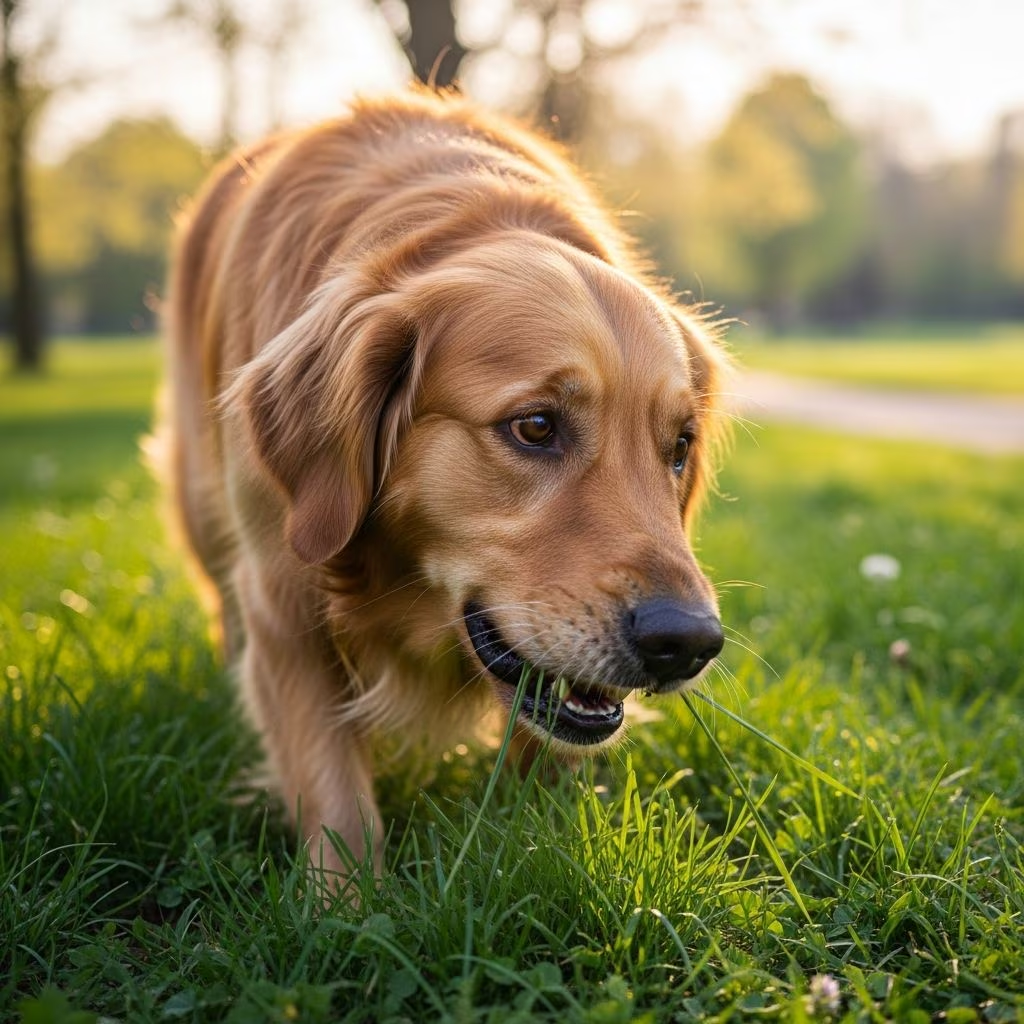
Why Do Dogs Eat Grass: Causes and Solutions
If you’ve ever watched your dog munch on grass during a walk or snack on your lawn, you’ve likely wondered what drives this seemingly odd behavior. Many dog owners find themselves asking: “Is my dog sick? Are they missing nutrients? Or are they simply bored?” The truth is, grass-eating in dogs is a surprisingly common behavior that veterinarians answer questions about regularly. While it can be concerning, in most cases, it’s entirely normal and harmless. Understanding the reasons behind this habit can help you determine whether your dog needs intervention or if the behavior is simply part of their natural instincts.
Understanding Pica in Dogs
The technical term for eating non-food items, including grass, is pica. This condition can occur in dogs for various reasons, and it’s important to recognize that pica doesn’t automatically indicate a serious problem. However, understanding what triggers pica in your dog can help you address the underlying cause effectively. While pica is sometimes associated with nutritional deficiencies, the reality is more nuanced, especially for dogs on well-balanced commercial diets.
The Nutritional Perspective: Does Your Dog Need More Fiber?
One of the most common theories about grass-eating is that dogs consume it to supplement their diet, particularly when they lack certain nutrients or fiber. Grass contains fiber, a type of carbohydrate that supports digestive health and helps regulate bowel movements. Dogs require roughage in their diets to maintain proper digestive function, and grass serves as a natural source of this essential nutrient.
However, it’s important to note that most dogs today are fed balanced commercial diets that meet their nutritional requirements. Therefore, nutritional deficiency alone is unlikely to be the sole reason for grass-eating in most pets. That said, some dogs may instinctively seek additional fiber, particularly if their current diet is lacking in this nutrient. If your dog eats grass regularly and also exhibits irregular bowel movements, consulting with your veterinarian about dietary adjustments might be beneficial. Adding fiber through specially formulated dog foods or supplements is a safer alternative to relying on lawn grazing.
The Digestive Theory: Self-Medication or Coincidence?
A widespread belief among pet owners is that dogs eat grass to induce vomiting when they have an upset stomach. Some dogs do eat grass rapidly and vomit shortly afterward, which has reinforced this theory. The theory suggests that the physical act of eating grass can stimulate the stomach lining, triggering vomiting that provides relief from discomfort. Additionally, it’s theorized that wolves consume grass to help purge their intestines of parasites.
However, scientific evidence challenges this assumption. Research shows that less than 25% of dogs vomit after eating grass, and only 10% of dogs show signs of illness before eating grass. One notable study found that while 68% of dogs regularly eat grass, only 22% of them become sick afterward. These statistics suggest that vomiting is not the primary reason dogs eat grass. The relationship between grass-eating and vomiting remains a classic “chicken versus egg” dilemma: does the grass cause the upset stomach, or does the dog eat grass because they already feel sick?
The most likely explanation is that grass-eating and vomiting are coincidental rather than causally related. Most dogs who eat grass do not subsequently vomit, indicating that self-medication is not the primary motivation for this behavior.
Behavioral and Psychological Factors
Beyond physical or nutritional reasons, behavioral and psychological factors play a significant role in grass-eating habits. Dogs, like humans, can develop repetitive behaviors in response to emotional states and environmental conditions.
Boredom and Lack of Stimulation
Dogs left alone for extended periods or lacking adequate physical and mental stimulation may turn to grass-eating as a way to pass time. Eating grass can become a self-soothing mechanism when dogs are understimulated or experiencing anxiety. If you notice that your dog eats grass primarily when left alone in the backyard or when they don’t receive enough attention, boredom may be the culprit. Increasing daily exercise, playtime, and mental enrichment activities can often reduce this behavior.
Attention-Seeking Behavior
Dogs are remarkably intelligent animals that quickly learn how to capture their owners’ attention. If grass-eating garners a response from you—whether it’s concern, laughter, or scolding—your dog may have learned that eating grass is an effective way to get noticed. This is particularly true if your dog engages in grass-eating when you’re present. By reacting less dramatically to the behavior and instead redirecting your dog’s attention to appropriate activities, you can discourage this attention-seeking habit.
Anxiety and Stress
Grass-eating may signal anxiety or stress in dogs, similar to how nervous people might bite their fingernails. Dogs experiencing separation anxiety, fear of loud noises, or other stressors may resort to grass-eating as a coping mechanism. If your dog’s grass-eating coincides with specific triggers or situations that typically cause anxiety, this could be the underlying cause.
Instinctive Behavior: A Link to Canine Ancestry
Another explanation for grass-eating lies in your dog’s evolutionary history. Dogs are not true carnivores, despite their predatory instincts. In the wild, dogs and their wolf ancestors ate entire prey animals, including meat, bones, internal organs, and the stomach contents of their prey, which often contained grass and plant material. This provided a balanced diet that naturally included fiber from vegetation.
Research shows that 11% to 47% of wolves eat grass, indicating that this behavior is deeply rooted in canine genetics. Modern dogs have not lost the scavenging instinct inherited from their wild ancestors, even though they no longer need to hunt for food. Some dogs eat grass simply because the behavior feels natural to them, reflecting their ancestral heritage. This is a normal, instinctive behavior that doesn’t necessarily require intervention.
Exploring and Natural Curiosity
Dogs explore their world primarily through their mouths, much like children do through their hands. Sniffing every lamppost, rolling in leaves, and nibbling grass are all part of your dog’s natural exploration process. Some dogs may eat grass simply because they enjoy the texture or flavor. This curiosity-driven behavior is generally harmless and may have no deeper meaning than preference or a desire to investigate their surroundings.
When to Be Concerned: Red Flags and Warning Signs
While occasional grass-eating is usually harmless, certain situations warrant veterinary attention:
- Excessive or obsessive grass-eating that occurs daily or multiple times per day
- Signs of stomach discomfort such as vomiting, diarrhea, loss of appetite, or abdominal pain
- Visible signs of illness before or after eating grass, including lethargy or behavioral changes
- Grass-eating combined with other concerning symptoms that suggest underlying medical conditions like gastric reflux, inflammatory bowel disease, or pancreatitis
- Sudden changes in the frequency or intensity of grass-eating behavior
If your dog displays any of these warning signs, contact your veterinarian to rule out serious medical conditions and receive appropriate treatment.
How to Manage Your Dog’s Grass-Eating Habit
If grass-eating becomes problematic or excessive, several strategies can help:
Dietary Adjustments
If you suspect fiber deficiency, discuss dietary options with your veterinarian. Adding fiber through high-quality dog foods or supplements specifically designed for digestive health is a safer alternative to lawn grazing.
Increase Physical Activity
Ensure your dog receives adequate daily exercise tailored to their age, size, and breed. Regular walks, playtime, and mental stimulation activities can significantly reduce boredom-driven grass-eating.
Environmental Management
If possible, supervise your dog’s outdoor time and gently redirect them when they attempt to eat grass. Provide alternative activities such as puzzle toys, chew toys, or interactive games to keep them engaged.
Behavioral Training
Work with a professional dog trainer if grass-eating is tied to attention-seeking or anxiety. Teaching alternative, appropriate behaviors can help replace the unwanted habit.
Stress Reduction
If anxiety is the culprit, create a calm environment, maintain consistent routines, and consider consulting a veterinary behaviorist for guidance on anxiety management techniques.
Frequently Asked Questions
Q: Is grass-eating always a sign that something is wrong with my dog?
A: No. Occasional grass-eating is normal behavior in most dogs and doesn’t indicate illness or serious problems. It only becomes concerning if it’s excessive, accompanied by other symptoms, or if your dog shows signs of distress.
Q: Can grass-eating cause toxins to build up in my dog’s body?
A: If the grass has been treated with pesticides or herbicides, it can be harmful. Consider using pet-safe lawn treatments or creating grass-free zones for your dog to safely explore.
Q: Should I prevent my dog from eating grass?
A: Unless there are specific health concerns or the grass has been chemically treated, occasional grass-eating doesn’t require prevention. However, if it becomes obsessive or distressing, consult your veterinarian.
Q: How can I tell if my dog’s grass-eating is behavioral rather than nutritional?
A: Observe the patterns. If your dog eats grass when bored, alone, or seeking attention, the cause is likely behavioral. If it coincides with digestive issues or poor diet quality, nutrition may be the factor.
Q: Is there a dog food that can prevent grass-eating?
A: While a high-fiber, balanced diet can address nutritional grass-eating, it won’t eliminate behavioral or instinctive grass consumption. Discuss fiber content and nutritional balance with your veterinarian.
References
- Why Do Dogs Eat Grass? — Encyclopaedia Britannica. 2025. https://www.britannica.com/science/Why-Do-Dogs-Eat-Grass
- Why Dogs Eat Grass — VCA Animal Hospitals. https://vcahospitals.com/know-your-pet/why-do-dogs-eat-grass
- Why Do Dogs Eat Grass? — Yalesville Veterinary Hospital. 2025. https://yalesvillevet.com/blog/why-do-dogs-eat-grass/
- The strange reasons your dog eats grass (and poop) — BBC Science Focus Magazine. 2025. https://www.sciencefocus.com/nature/why-do-dogs-eat-grass-and-poop



