

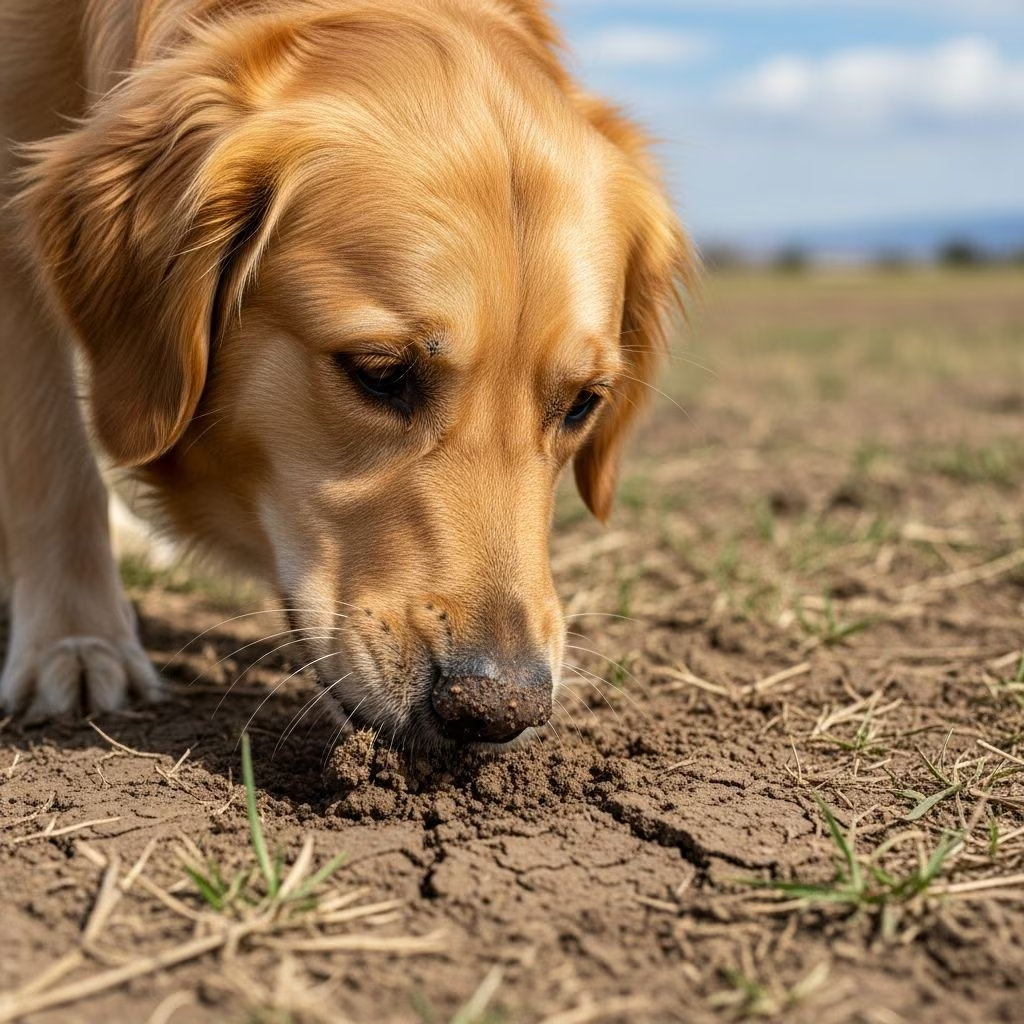
Why Do Dogs Eat Dirt? Is This Normal?
If you’ve ever caught your dog munching on dirt or mud, you’re not alone. Many dog owners have witnessed this peculiar behavior and wondered whether it’s something to worry about. Dogs eat dirt for several reasons, ranging from boredom and curiosity to underlying medical conditions. While occasional dirt eating may not be cause for alarm, frequent dirt consumption warrants investigation into the underlying cause. Understanding why your dog engages in this behavior is the first step toward addressing it effectively and ensuring your pet’s health and safety.
What Is Pica in Dogs?
Dirt eating is a form of what is termed pica, the ingestion of nonfood materials. When dogs specifically eat dirt or mud, this behavior is known as geophagia. Pica is not a disease but rather a symptom that can indicate various underlying issues, whether nutritional, behavioral, or physical. While pica itself isn’t necessarily abnormal in small amounts, especially in puppies exploring their environment, persistent dirt eating can signal problems that require attention.
Nutritional Reasons Dogs Eat Dirt
Dietary Deficiencies and Mineral Seeking
One of the most common reasons dogs eat dirt is a lack of essential nutrients in their diet. If a dog’s food is missing crucial minerals such as iron, zinc, or calcium, the animal may instinctively seek these nutrients from alternative sources, including soil. This behavior stems from an ancestral instinct—wild dogs would eat dirt to obtain vitamins and minerals that may have been missing from their natural diets.
Dogs have a remarkable ability to detect mineral deficiencies in their diet. When they lack certain nutrients, they may instinctively seek out these minerals from unconventional sources. This nutrient-seeking behavior is especially common in puppies, whose bodies are still developing and may have increased nutrient requirements. Additionally, dogs that are underfed may eat dirt and other objects due to hunger and nutritional deficiencies.
Low-Quality or Unbalanced Diets
Not all dog foods are created equally. Some diets do not contain all the nutrients that a dog needs to live a healthy lifestyle. Dogs on low-quality kibble or unbalanced homemade diets are particularly susceptible to nutritional deficiencies that may trigger dirt eating. However, if your dog is on a commercial dog food that meets the Association of American Feed Control Officials’ (AAFCO) standards for a complete and balanced diet, they should not need any additional supplementation or have nutritional deficiencies. The key is ensuring your dog receives proper nutrition from high-quality sources.
Medical Conditions That Cause Dirt Eating
Gastrointestinal Issues
Certain medical conditions can trigger a dog’s desire to eat dirt. When dogs have an upset stomach, they sometimes eat dirt and/or grass to try to make themselves vomit. Some types of soil contain clay, which has been traditionally used to help with digestive problems, parasites, and detoxification. This instinctual behavior could be your dog’s way of attempting to relieve gastrointestinal discomfort.
Inflammatory bowel disease (IBD), for example, affects the digestive tract, making it harder for dogs to absorb nutrients properly. When that happens, they may start seeking out minerals in unconventional places. Additionally, gastritis, or inflammation of the stomach, can prompt dogs to consume soil in an attempt to soothe their discomfort.
Parasitic Infections
Intestinal parasites are another significant culprit behind dirt eating behavior. Soil-dwelling parasites like roundworms, hookworms, whipworms, and giardia can infest dogs that eat contaminated dirt, causing digestive issues and malnutrition. The problem compounds itself: malnutrition can lead to even more dirt eating, creating a frustrating and dangerous cycle. Parasitic infections are common, especially in puppies and outdoor dogs, and they are typically easy to diagnose and treat with the help of your veterinarian.
Other Medical Conditions
Portosystemic shunts, also known as liver shunts, are abnormal blood vessels that allow blood to bypass a dog’s liver, resulting in inadequate blood supply and improper liver function. While rare, these shunts can be congenital in puppies or develop in adult or senior dogs, and they may trigger dirt-eating behavior as a symptom.
Behavioral and Environmental Causes
Boredom and Lack of Stimulation
Not all dirt-eating behavior is medically driven. Dogs lacking physical or mental stimulation may eat dirt out of boredom. Without enough exercise or engaging activities, dogs can develop undesirable behaviors like dirt eating. Increasing exercise, offering interactive toys, and using puzzle feeders can help reduce this habit. Mental stimulation is just as important as physical activity—dogs need activities that challenge their minds to prevent behavioral issues from developing.
Anxiety and Stress
Dogs who are anxious may display various displacement behaviors like pacing, excessive licking, chewing on inappropriate objects, or dirt eating. Stress-related eating habits might emerge during thunderstorms, after a big change in the household, or when the dog is left alone for long periods. These behaviors can become compulsive over time if the source of stress isn’t addressed. Addressing anxiety with positive reinforcement and a consistent routine may help curb the behavior.
Curiosity and Taste
Sometimes the reason behind your dog’s dirt-eating habit is simple: they might just be after something that smells or tastes good. Dogs have an incredibly keen sense of smell and can detect food particles, grease, or other enticing scents in the soil. If your dog keeps returning to a specific spot in the yard, there might be a tasty treat like bacon grease or hamburger drippings that have seeped into the ground.
Health Risks Associated with Dirt Eating
Toxin Exposure
Dirt isn’t just dirt—it can be a cocktail of harmful substances. Pesticides, herbicides, and fertilizers lurking in the soil can be toxic if ingested, leading to symptoms like vomiting, diarrhea, and even neurological issues like tremors or confusion. Chemical exposure through contaminated soil poses significant health risks to your dog.
Gastrointestinal Damage
Sharp particles in the dirt can damage the stomach and intestines, leading to infections and inflammation. Additionally, dirt and rocks may cause abrasions and inflammation to the lining of a dog’s gastrointestinal tract as they work their way down the esophagus, into the stomach, and through the intestines. These physical injuries can lead to serious complications if not addressed promptly.
Blockages and Parasitic Infections
Eating dirt frequently can be harmful, with risks including gastrointestinal blockages, toxins, and parasites. Dogs that eat dirt are also more prone to ingesting soil-dwelling parasites and fleas that are on the ground, which can transmit tapeworms. These parasitic infections can cause serious health complications requiring veterinary intervention.
How to Help Your Dirt-Eating Dog
Dietary Improvements
The first step in addressing dirt eating is ensuring your dog receives proper nutrition. Feed a healthy, well-balanced diet that meets AAFCO standards and provides all necessary vitamins and minerals. Consider switching to higher-quality dog food if your current brand lacks essential nutrients. If you prepare homemade diets for your dog, consult with a veterinary nutritionist to ensure the food is properly balanced.
Environmental Management
Remove access to dirt-eating opportunities when possible. Supervise your dog during outdoor time and redirect their attention to appropriate toys and activities. Clean up any food spills or debris in your yard that might attract your dog to specific areas.
Mental and Physical Stimulation
Providing mental stimulation and increasing exercise can help reduce dirt eating associated with boredom or anxiety. Engage your dog with interactive toys, puzzle feeders, regular walks, and play sessions. A well-exercised and mentally stimulated dog is less likely to develop destructive behaviors.
Veterinary Care
If your dog’s dirt-eating habit is becoming frequent, it’s best to intervene before things take a serious turn. Veterinary care may be necessary—if your dog’s symptoms persist, make sure to speak to your vet so they can check for underlying health issues. Your veterinarian can perform tests to rule out nutritional deficiencies, parasitic infections, and medical conditions that might be driving the behavior.
Frequently Asked Questions (FAQs)
Q: Is it normal for dogs to eat dirt?
A: Occasional dirt eating, especially in puppies exploring their environment, is relatively common. However, frequent dirt consumption may indicate nutritional deficiencies, medical issues, or behavioral problems that warrant veterinary investigation.
Q: Can eating dirt harm my dog?
A: Yes, frequent dirt eating can pose health risks including gastrointestinal blockages, parasitic infections, toxin exposure from pesticides or fertilizers, and physical damage to the digestive tract. These risks increase with frequency and volume.
Q: What should I do if my dog eats dirt?
A: Start by ensuring your dog receives proper nutrition through a balanced, high-quality diet. Provide adequate mental and physical stimulation, supervise outdoor activities, and consult your veterinarian if the behavior is frequent or accompanied by other symptoms like vomiting or weight loss.
Q: Does dirt eating indicate a nutritional deficiency?
A: While nutritional deficiencies are a common cause of dirt eating, they are not the only cause. Behavioral issues, stress, boredom, gastrointestinal problems, and parasitic infections can also trigger this behavior. A veterinary evaluation can help determine the underlying cause.
Q: How can I prevent my dog from eating dirt?
A: Prevention strategies include providing a high-quality, balanced diet; ensuring adequate exercise and mental stimulation; managing stress and anxiety; supervising outdoor time; and removing access to contaminated or toxin-laden soil areas whenever possible.
Q: When should I take my dog to the vet for dirt eating?
A: Contact your veterinarian if your dog frequently eats dirt, shows signs of gastrointestinal distress (vomiting, diarrhea, constipation), experiences weight loss, has visible abdominal distension, or if the behavior is new or sudden in onset.
Q: Can parasites from dirt eating make my dog sick?
A: Yes, parasites acquired from eating contaminated soil, such as roundworms, hookworms, whipworms, and giardia, can cause digestive issues, nutrient malabsorption, weight loss, and other health problems. Regular parasite prevention and treatment are important for dogs prone to dirt eating.
Key Takeaways
Understanding why your dog eats dirt is essential for addressing the behavior and protecting their health. Remember these important points:
Dogs eat dirt for various reasons. These include nutritional deficiencies, medical conditions, behavioral factors, and simple curiosity. The cause varies from dog to dog, requiring careful observation and evaluation.
Eating dirt frequently can be harmful. Risks include gastrointestinal blockages, toxins, parasites, physical damage to the digestive tract, and infections. The more often your dog engages in this behavior, the higher the risk of complications.
Proper nutrition and mental stimulation help. Feeding a healthy diet, providing mental stimulation, and increasing exercise can help reduce dirt eating. Addressing the underlying cause is key to long-term behavioral change.
Veterinary care may be necessary. If your dog’s dirt-eating habit persists or is accompanied by other symptoms, professional evaluation is crucial to rule out medical issues and develop an appropriate treatment plan.
References
- Why Do Dogs Eat Dirt? Causes, Health Risks, and How to Help — Earthborn Holistic Pet Food. Accessed November 2025. https://www.earthbornholisticpetfood.com/blog/training-behavioral/why-do-dogs-eat-dirt-causes-health-risks-and-how-to-help/
- Why Is My Dog Eating Dirt? — Rockdale Animal Hospital. Accessed November 2025. https://rockanimal.com/articles/dog-eating-dirt
- Why is my Dog Eating Dirt? — LePar Animal Hospital. Accessed November 2025. https://leparvet.net/blog/why-is-my-dog-eating-dirt/
- Why Do Dogs Eat Dirt? — PetMD. Accessed November 2025. https://www.petmd.com/dog/behavior/why-do-dogs-eat-dirt
- Why Do Dogs Eat Dirt? (And What To Do About It) — The Natural Dog Store. Accessed November 2025. https://thenaturaldogstore.com/blogs/health/why-do-dogs-eat-dirt
- Why Do Dogs Eat Dirt — The Grove Animal Hospital. Accessed November 2025. https://groveanimalhospital.com/blog/why-do-dogs-eat-dirt/
- Why Do Dogs Eat Dirt? Is This Normal? — Chewy. Accessed November 2025. https://www.chewy.com/education/dog/training-and-behavior/why-do-dogs-eat-dirt
- Why Does My Dog Eat Dirt? — American Kennel Club. Accessed November 2025. https://www.akc.org/expert-advice/health/why-does-my-dog-eat-dirt/



