

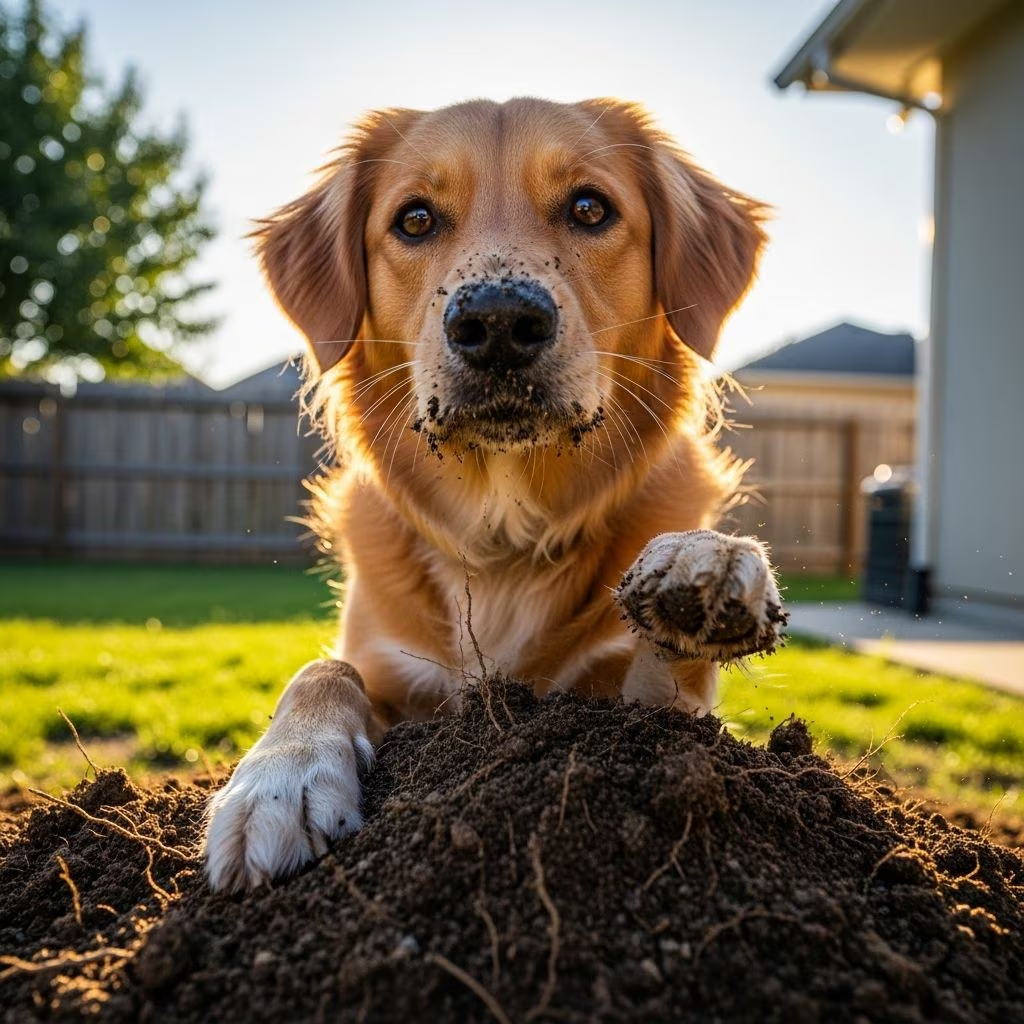
Digging is one of the most common and frustrating behaviors dog owners encounter. Whether it’s freshly turned soil in your garden, holes under the fence, or scattered mulch, a digging dog can transform a pristine yard into a moonscape overnight. But this behavior isn’t random or malicious—it’s deeply rooted in a dog’s instincts, needs, and environment. Understanding why dogs dig is the first step to addressing it effectively, without punishing your pet or stifling their natural tendencies.
From ancestral wolf behaviors to breed-specific traits, digging serves practical purposes for dogs. Northern breeds like Huskies create cool pits to beat the heat, terriers hunt underground prey, and anxious pups escape confinement. In this comprehensive guide, we’ll break down the key reasons dogs dig, how to diagnose the cause in your own dog, and proven strategies to manage it humanely. Drawing from veterinary experts and animal behavior research, you’ll learn to redirect this energy into positive outlets, keeping your yard intact and your dog happy.
Instinctual Reasons Why Dogs Dig
Dogs descend from wolves, who dug dens for shelter, cached food, and regulated temperature. Modern dogs retain these instincts, even in comfortable homes. Digging isn’t just habit—it’s survival wiring passed down through generations.
- Ancestral caching: Wolves bury surplus food to protect it from scavengers. Dogs mimic this by digging to hide bones, toys, or treats, only to “retrieve” them later when safe.
- Denning behavior: Pregnant females dig nests for whelping, creating safe, cool spaces for puppies.
- Temperature regulation: On hot days, dogs dig shallow beds where cooler soil lies just below the surface. This is especially common in thick-coated breeds like Siberian Huskies or Alaskan Malamutes.
These hardwired behaviors explain why even well-exercised indoor dogs might paw at carpets or blankets—it’s not destruction, but instinct.
Practical Reasons Dogs Dig
Beyond instincts, dogs dig to solve everyday problems. Recognizing these triggers helps pinpoint solutions tailored to your dog’s situation.
| Reason | Description | Common Signs | Affected Breeds |
|---|---|---|---|
| Cooling Off | Digs shallow pits to lie in cooler earth during heat | Holes in sunny spots, dog lies in them | Northern breeds (Huskies, Malamutes) |
| Comfortable Bed | Molds ground to fit body shape for resting | Multiple small pits following shade | All breeds, esp. outdoorsy dogs |
| Hunting Prey | Follows scents/sounds of rodents, insects | Sniffing while digging, small tracked holes | Terriers, hounds |
| Escape | Tunnels under fences to access attractions | Holes at barriers, barking at passersby | High-energy or anxious dogs |
Hot weather amplifies cooling digs, while yards with moles or voles trigger predatory ones. Dogs hear high-frequency underground sounds and smell prey from afar, making suppression futile without alternatives.
Breed-Specific Digging Tendencies
Not all dogs dig equally. Certain breeds were selectively bred for earthwork, amplifying the behavior.
- Terriers (e.g., Jack Russell, Fox Terrier): “Earthdogs” bred to flush rodents from burrows. Their digging is relentless prey pursuit.
- Northern breeds (Huskies, Malamutes): Dig cooling craters in snow or dirt, a survival trait from Arctic origins.
- Hounds and Dachshunds: Track scents underground, digging to investigate.
- Herding breeds (e.g., Border Collies): May dig from excess energy if understimulated.
If your dog is a digging breed, expect more holes. Channel it: Provide sandboxes for terriers or frozen kongs for huskies craving cool relief.
Behavioral and Emotional Reasons Dogs Dig
Digging often signals unmet needs. Ignoring these can worsen issues like chewing or barking.
- Boredom: Idle dogs self-entertain. Puppies and high-energy adults dig when unsupervised without toys.
- Anxiety/Separation: Frustrated confinement leads to escape digging. Dogs dig near doors/fences when owners leave or attractions appear.
- Play/Exploration: Young dogs dig for fun, like kids in sand. More exercise curbs this.
- Frustration: Territorial barking + digging at fences shows barrier stress.
Lonely dogs left alone for hours turn to digging for mental stimulation. It’s rewarding: dirt flies, progress shows.
How to Figure Out Why YOUR Dog Is Digging
Observe patterns to diagnose. Keep a log: time, location, weather, your absence.
- Timing: Hot afternoons? Cooling. Alone time? Boredom/anxiety.
- Location: Sunny spots (cooling), fences (escape), mole trails (hunting).
- Actions: Sniffing/snorting (prey), lying in hole (comfort), frantic paws (frustration).
- Context: New puppies (exploration), pregnant (nesting), multi-dog homes (resource guarding).
Test: Supervise yard time. Interrupt digging, redirect to toys. No recurrence? Boredom. Persists near fence? Escape motive. Vet check rules out medical issues like allergies causing itch-digging.
How to Stop or Redirect Dog Digging
Don’t punish— it increases anxiety, worsening digging. Address roots with prevention and enrichment.
General Prevention Tips
- Supervise unsupervised yard time; use baby gates or leashes.
- Exercise daily: 30-60 min walks/runs + mental games.
- Enrich environment: Puzzle toys, frozen treats mimic caching.
- Block access: Chicken wire over gardens, rocks in escape holes.
Breed/Reason-Specific Solutions
| Reason | Solutions |
|---|---|
| Cooling | Shade sails, kiddie pools, cooling mats. Digging box with water. |
| Hunting | Pest control, scavenger hunts (hide toys/food), fetch games. |
| Boredom | Rotate toys, training sessions, dog sports like agility. |
| Escape/Anxiety | Secure fencing, anti-dig barriers, desensitization training. Consult behaviorist. |
Designated Digging Zone
Create a 3×3 ft sandbox: Fill kiddie pool or frame with sand/soil. Bury toys/bones, encourage digging there. Reward use. Transition: Walk dog to box on leash when urge hits.
Professional Help
If persists, see vet/behaviorist. Anxiety may need meds/training. UC Davis notes resource guarding in multi-dog homes—feed indoors.
Frequently Asked Questions (FAQs)
Is digging ever a sign of a health problem?
Rarely, but excessive digging with limping/scratching could indicate allergies, pain, or parasites. Consult vet.
Will neutering stop digging?
No, digging is rarely hormonal. Focus on behavior.
How long does puppy digging last?
Often fades by 1-2 years with training, but breeds vary.
Can I train my dog not to dig at all?
Suppression risks issues; better to redirect. Instincts persist.
What’s the best exercise for diggers?
High-drive: Runs, flirt poles. Mental: Nosework, obedience.
Digging reflects natural drives—meet them proactively. Patient management yields a content dog and yard.
References
- Dogs and Destructive Digging — VCA Animal Hospitals. 2023. https://vcahospitals.com/know-your-pet/dogs-and-destructive-digging
- Why do dogs dig? — Pets Ahoy Animal Hospital. 2022. https://www.pets-ahoy.com/articles/dogs-and-destructive-digging
- Understanding Why Dogs Dig — Pet Assure. 2021. https://www.petassure.com/new-newsletters/understanding-why-dogs-dig/
- Why Do Dogs Dig? — American Kennel Club (AKC). 2024-05-15. https://www.akc.org/expert-advice/advice/why-is-my-dog-digging/
- Managing Digging Behavior in Dogs — Operation Kindness. 2023. https://www.operationkindness.org/managing-digging-behavior-in-dogs/
- Why Does My Dog Dig? — UC Davis School of Veterinary Medicine. 2022. https://www.vetmed.ucdavis.edu/sites/g/files/dgvnsk491/files/inline-files/Why_Does_My_Dog_Dig.pdf



