

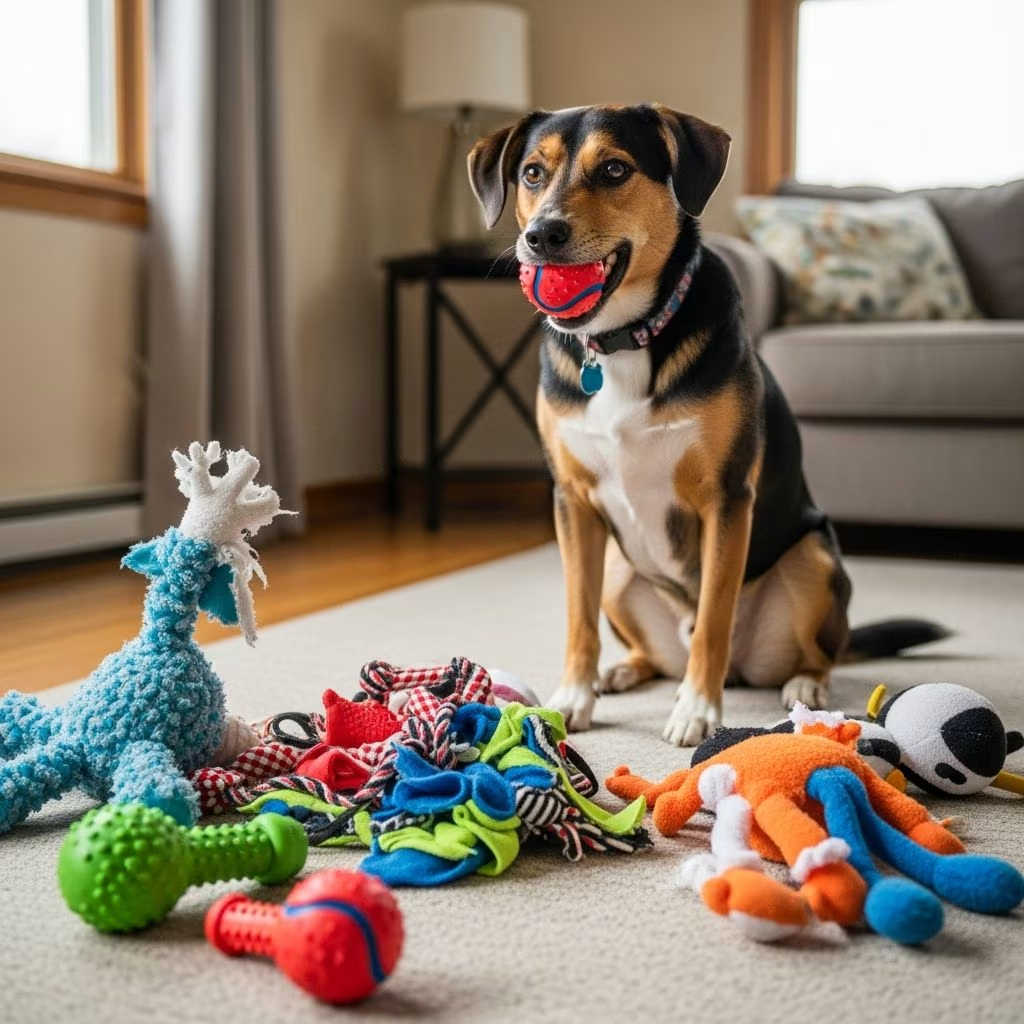
It’s a common frustration for dog owners: the expensive, carefully selected toy gets shredded in minutes, while a cheap impulse buy survives intact. This selective destruction puzzles many pet parents, but experts explain it’s driven by instinct, sensory appeal, and individual preferences rather than sentimentality. Understanding these factors can help you choose better toys, prevent messes, and keep your dog safely entertained.
The Frustrating Reality of Toy Destruction
Picture this: You spend an hour at the pet store picking out the perfect holiday gifts—a plush reindeer, a festive rope toy, and a squeaky gingerbread man. Your dog, like one-year-old Pittie mix Emma, dives in with enthusiasm, leaving stuffing scattered across the floor in under 20 minutes. Meanwhile, some dogs fiercely protect certain favorites, such as a German Shepherd who gently cradles her pink dragon plushie but annihilates everything else.
This isn’t about who gave the toy or its price tag. Certified dog trainer Erin Askeland notes that dogs often ‘baby’ toys due to attachment, comfort, or simply because they lack enticing ‘innards’ like squeakers. Veterinarian Amanda Seymour adds that scent plays a role; a toy from another home might smell familiar and safe, deterring destruction. Poor construction also factors in—thin fabrics or weak seams invite ripping.
Key Reasons Dogs Destroy Specific Toys
Dogs’ toy preferences stem from a mix of biology, environment, and personality. Here’s a breakdown of the primary culprits:
- Enticing Noises: Squeaks, grunts, or crinkles mimic distressed prey, triggering excitement. Toys without these sounds are often ignored or handled gently.
- Appealing Smells: Familiar scents from other dogs or homes can make a toy feel like a ‘companion’ rather than prey.
- Easy-to-Chew Materials: Soft cloths, thin plush, or floppy parts are prime targets. Durable rubber or thick fabrics last longer.
- Prey Drive Instincts: Breeds like Terriers view squeaky toys as rodents, fueling a stalk-chase-kill cycle inherited from wild ancestors.
- Boredom or Anxiety: Excess energy or stress leads to shredding as an outlet. Interactive toys redirect this.
Individual play styles matter too. High-energy dogs may destroy ‘less appealing’ toys simply because they’re easier to dismantle. Age, breed, and temperament influence this—puppies teethe aggressively, while working breeds need mental stimulation.
How Play Style and Interaction Influence Destruction
Your involvement shapes toy fate. Tug-of-war games wear down ropes quickly, while food-stuffed puzzles shift focus from shredding to problem-solving. Supervised play teaches appropriate use: engage in fetch or hide-and-seek to demonstrate the toy’s purpose.
Novelty excites dogs—rotate toys to maintain interest without constant replacement. Over time, this prevents boredom-driven destruction. Reinforced behaviors, like attention after shredding, can inadvertently encourage it, so intervene early.
Is Destroying Toys Dangerous for Dogs?
Most toy shredding is harmless fun, but risks arise from ingestion. Swallowed stuffing, plastic, or squeakers can cause choking, intestinal blockages, vomiting, lethargy, or abdominal pain.
| Risk Level | Toy Type | Symptoms to Watch | Prevention |
|---|---|---|---|
| High | Plush with squeakers | Choking, obstruction | Supervise, remove innards |
| Medium | Ropes, fabrics | GI upset | Choose durable materials |
| Low | Solid rubber | Minor wear | Regular inspection |
If ingestion occurs, consult a vet immediately. Opt for longer-lasting toys if your dog is a prolific destroyer. Cleaning up messes is the main downside otherwise.
How to Teach Your Dog Not to Destroy Toys
Redirecting this instinct requires patience and consistency. Follow these proven strategies from experts:
- Teach Proper Play: Demonstrate fetch, tug, or pouncing games. Store the toy post-play to associate it with fun, not solo shredding.
- Strategic Removal: Offer the toy; if shredding starts, calmly take it away. Return it for gentle tries, praising success. After 2-3 failures, confiscate for the day.
- Supervise Closely: Never leave destructible toys unsupervised. Rotate options and introduce durable Kongs or puzzle feeders.
- Address Root Causes: Increase exercise for boredom, consult vets for anxiety. Breeds with high prey drives benefit from scent work or agility training.
For persistent cases showing anxiety (barking, growling when toys are removed) or aggression, seek professional training. Puppies often outgrow extreme chewing by 2 years, but instincts persist.
Choosing the Right Toys to Minimize Destruction
Match toys to your dog’s size, strength, and style:
- Power Chewers: Thick rubber like Kong Extreme, filled with treats.
- Light Players: Soft plush without squeakers.
- Interactive: Puzzle balls or snuffle mats for mental engagement.
Test durability: Avoid thin seams. Brands with reinforced stitching extend toy life, reducing costs and frustration.
Frequently Asked Questions (FAQs)
Q: Why does my dog destroy expensive toys but keep cheap ones intact?
A: Expensive toys often have squeakers or plush that trigger prey drive, while cheap ones may lack these or have unappealing textures.
Q: Is toy destruction a sign of separation anxiety?
A: It can be, especially if worse when alone. Add interactive toys and consult a vet for underlying issues.
Q: At what age do dogs stop destroying toys?
A: Many mellow after teething (around 2 years), but high-drive adults continue unless trained.
Q: Are there safe toys for aggressive chewers?
A: Yes, heavy-duty rubber or nylon bones. Always supervise to prevent wear-related hazards.
Q: How can I stop my dog from eating toy pieces?
A: Remove destroyed toys immediately and train ‘leave it.’ Transition to indestructible options.
Long-Term Management and Breed Considerations
Breeds like Terriers, Retrievers, and Shepherds have strong prey drives, making squeaky toys irresistible. High-energy dogs need 60+ minutes daily exercise plus mental games to curb boredom. Track patterns: Does destruction spike during alone time? Journaling helps identify triggers.
Financially, frequent replacements add up—invest in quality over quantity. Emotionally, view it as normal; many owners, like Emma’s mom, find the mess amusing. Professional behaviorists offer tailored plans for extreme cases.
By blending understanding with training, you turn destruction into directed play, fostering a happier, healthier bond with your pup.
References
- Why Do Dogs Destroy Some Toys and Not Others? — Kinship. 2023. https://www.kinship.com/dog-behavior/why-do-dogs-destroy-certain-toys
- Why Do Dogs Destroy Toys and How to Prevent? — BeaRegards. 2024. https://bearegards.com/blogs/news/why-do-dogs-destroy-toys
- How to Stop Your Dog From Ripping Up Their Toys — Kinship. 2023. https://www.kinship.com/dog-behavior/how-to-teach-dog-not-to-destroy-toys



