

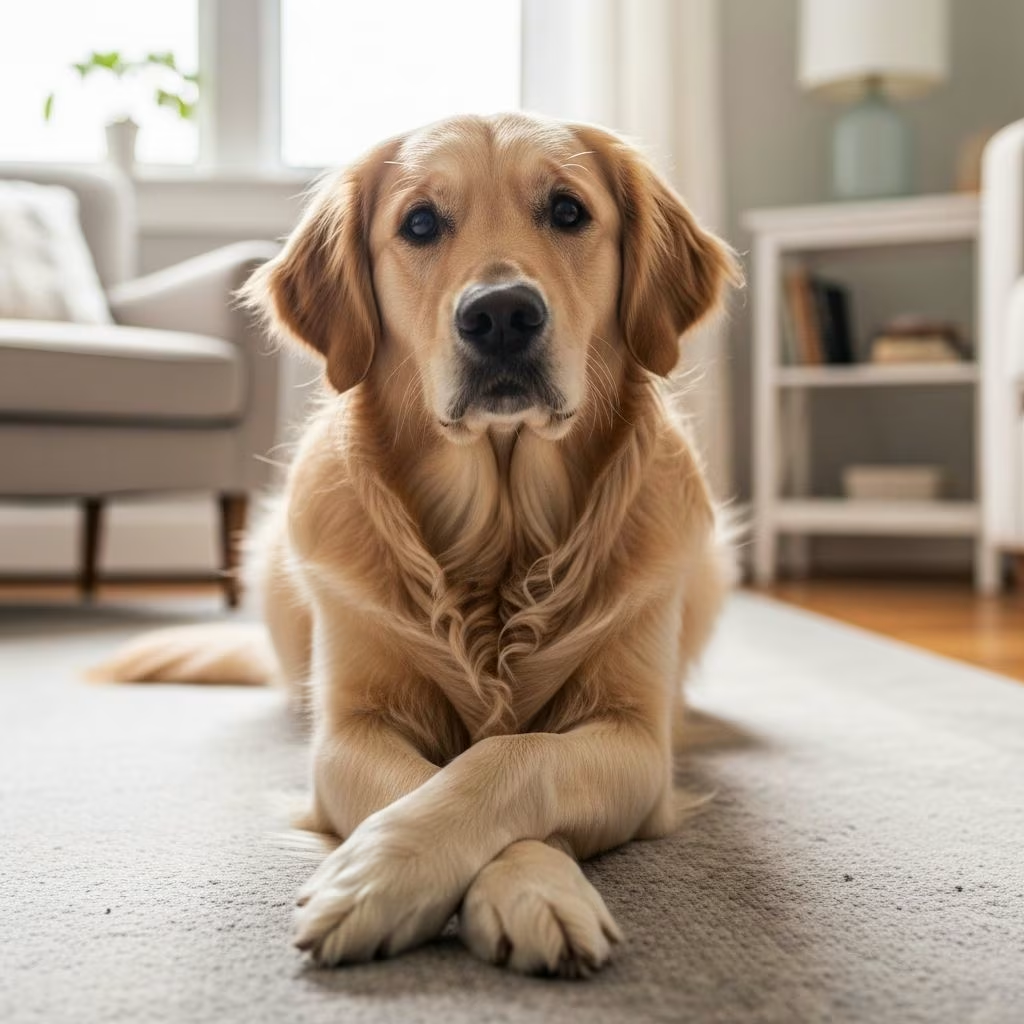
Dogs crossing their paws is a charming sight that many pet owners notice during moments of rest or relaxation. This behavior, often seen in lounging positions, serves multiple purposes rooted in comfort, physiology, and communication. While generally harmless, understanding it can reveal insights into your dog’s well-being.
Understanding the Basics of Paw-Crossing Behavior
Paw-crossing occurs when a dog overlaps one front paw over the other while sitting, lying down, or standing. It’s prevalent across breeds but more common in those with slender legs or larger frames. This posture isn’t random; it reflects a dog’s natural way of adjusting to their environment and internal state.
Observing context is key: a dog crossing paws in a calm setting likely seeks comfort, whereas persistent crossing with other signs like limping may signal discomfort. Pet owners can use this knowledge to enhance their dog’s quality of life.
Primary Reasons for Crossing Paws
Several factors explain this habit. Here’s a breakdown of the most common motivations.
Seeking Physical Comfort and Relaxation
The top reason dogs cross paws is pure comfort. This position eases pressure on joints and muscles, allowing better weight distribution during rest. Dogs with active lifestyles find it particularly soothing after play, as it promotes relaxation by offloading stress from elbows and shoulders.
Contentment plays a role too. A dog at ease with its surroundings adopts this pose to fully unwind, much like humans crossing legs while reading. You’ll often see it paired with a relaxed ear position and soft gaze, indicating all is well.
Achieving Balance and Postural Stability
Anatomy influences paw-crossing. Dogs with long, narrow legs—think Greyhounds or Whippets—cross paws instinctively for balance. Their limb structure makes overlapping paws a stable way to sit or lie without toppling.
Larger breeds like Labradors or Border Collies also exhibit this due to body proportions. It prevents splaying and maintains an upright posture, especially on uneven surfaces.
Imitation and Learned Habits
Dogs are social learners, mimicking pack members or humans. Seeing another dog or even you cross legs can prompt imitation. Positive reinforcement, like treats for the “cute” pose, solidifies it as a habit.
Puppies often pick it up from littermates, carrying the behavior into adulthood. This adaptability highlights dogs’ intelligence in adopting beneficial postures.
Emotional and Social Signals
Beyond physical needs, paw-crossing conveys emotions. In canine body language, subtle paw positions communicate feelings to owners and other dogs.
| Paw Position | Possible Meaning | Context |
|---|---|---|
| Crossed Paws | Relaxed, content | Resting at home, after play |
| Tucked Paw | Anxious, seeking comfort | New environments, storms |
| Raised Paw | Alert, attentive | Spotting movement or sounds |
| Paw Slapping | Irritated or playful | During interaction or frustration |
This table summarizes key variations. Crossed paws typically signal positivity, strengthening human-dog bonds when owners respond with affection.
Communication Attempts
Some dogs “beg” by crossing paws, associating it with attention or treats. Though not scientifically proven, anecdotal evidence suggests clever pups use it strategically, especially if rewarded previously.
Environmental and Physiological Factors
Temperature Control Mechanisms
Paws aid thermoregulation since dogs lack sweat glands elsewhere. Crossing paws insulates them against cold floors, conserving heat by tucking pads close to the body. In warmer settings, it might minimize contact with hot surfaces.
This behavior peaks in cooler weather, with dogs curling up to retain warmth. It also improves circulation, directing blood flow efficiently.
Breed-Specific Tendencies
- Sighthounds (e.g., Greyhounds): Long legs necessitate crossing for stability.
- Herding Breeds (e.g., Border Collies): Agile builds favor flexible postures.
- Large Retrievers (e.g., Labradors): Broader frames benefit from balanced resting positions.
- Smaller Toys: Less common, but seen in confident, relaxed individuals.
No formal studies confirm breed links, but owner reports align with anatomical traits.
Potential Health Concerns
While usually benign, excessive paw-crossing warrants monitoring. It might mask pain from arthritis, injuries, or allergies.
- Joint Issues: Older dogs shift weight to avoid sore areas.
- Skin Problems: Itchy paws from allergies lead to protective crossing.
- Injuries: Sprains cause favoring one paw over another.
- Neurological: Rare nerve issues alter gait and rest positions.
Watch for licking, limping, or reluctance to move. Consult a vet if changes are sudden or persistent.
How to Respond to Your Dog’s Paw-Crossing
Encourage healthy habits:
- Provide comfy bedding to support natural postures.
- Observe patterns: Note time of day, location, and accompanying behaviors.
- Reward positively without over-reinforcing if unwanted.
- Ensure regular exercise to prevent stiffness.
- Schedule vet check-ups for seniors or active pups.
Photographing instances helps track trends, aiding discussions with professionals.
Fun Facts About Canine Postures
- Dogs with crossed paws often enter deeper sleep stages due to stability.
- This pose mimics wild canids conserving energy in packs.
- Some trainers teach it as a trick, blending instinct with command.
Frequently Asked Questions (FAQs)
Is it normal for my dog to always cross their paws?
Yes, for most dogs it’s a preferred resting style, especially in relaxed breeds.
Does paw-crossing mean my dog is in pain?
Not usually, but combined with whining or chewing, it could indicate issues—see a vet.
Why do some breeds cross paws more?
Anatomical builds with longer limbs make it natural for balance.
Can I train my dog to cross paws?
Absolutely, using treats to lure into position, then naming the cue.
Should I worry if my puppy crosses paws?
No, it’s often imitation or comfort-seeking in young dogs.
Enhancing Your Bond Through Observation
Noticing paw-crossing deepens understanding of your dog’s needs. It fosters trust, as responding to subtle cues shows attentiveness. Combine with training and health care for a happier pet.
References
- 5 Possible Reasons: Why Does My Dog Cross Her Paws? — DogKis. 2023. https://dogkis.com/why-does-my-dog-cross-her-paws/
- Why Do Dogs Cross Their Paws: 6 Likely Reasons — Dogster. 2024-01-15. https://www.dogster.com/dog-behavior/why-do-dogs-cross-their-paws
- Why Do Dogs Cross Their Paws? 8 Common Reasons — Hepper. 2023-05-20. https://articles.hepper.com/why-do-dogs-cross-their-paws/
- Why Dogs Cross Their Paws Like People, According to Science — Inverse. 2018-10-10. https://www.inverse.com/article/42565-why-dogs-cross-their-paws-like-people-science-explains



