

Why Do Dogs Circle Before Lying Down?
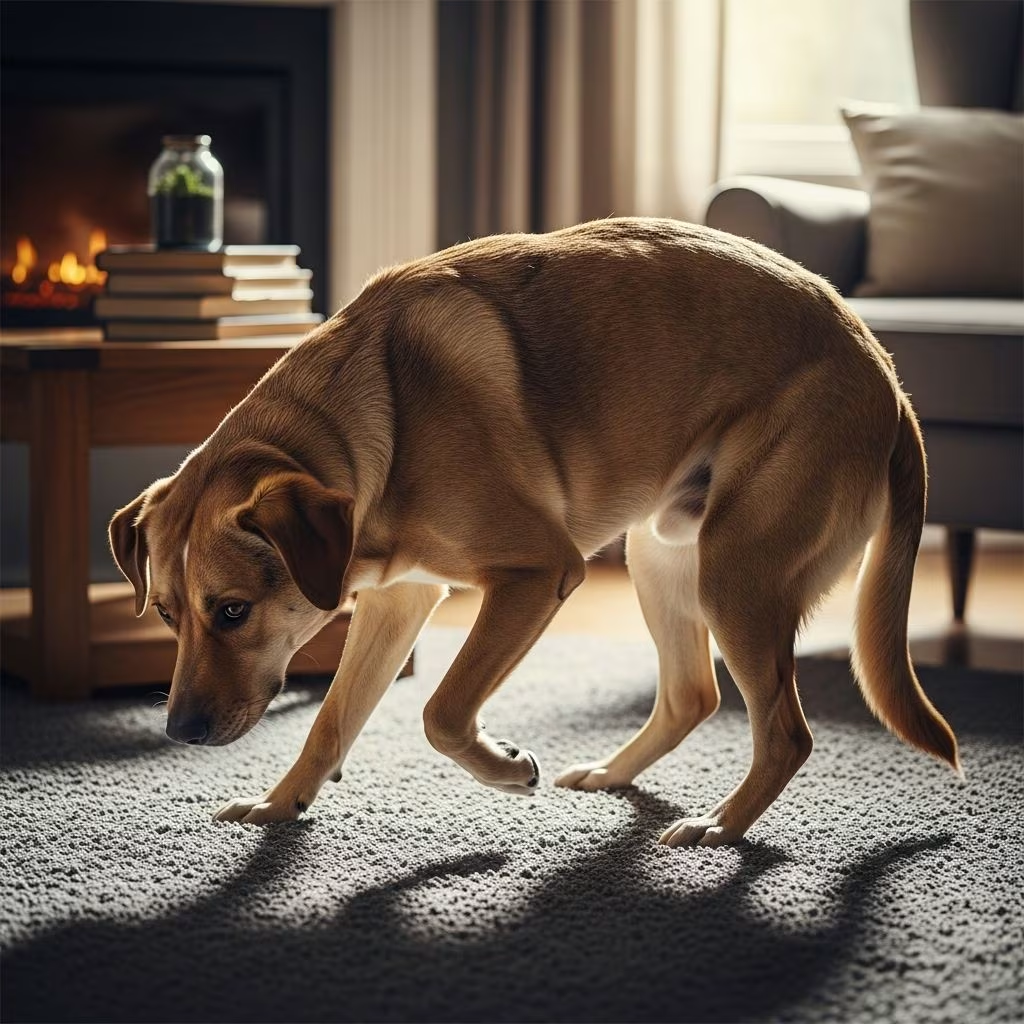
If you’ve ever watched your dog spin in circles before settling onto their bed or the floor, you’ve witnessed one of the most charming yet mysterious behaviors in the canine world. This ritual, sometimes performed multiple times before your pup finally lies down, often leaves pet owners wondering: what’s really going on? Is it just a cute quirk, or does it serve a deeper purpose? Understanding this behavior helps you connect more meaningfully with your furry companion and identify when circling might indicate something more serious.
The Ancient Origins: Survival Instinct from the Wild
Dogs’ circling behavior isn’t random or meaningless—it’s actually a deeply ingrained survival tactic passed down through generations from their wild ancestors. Long before dogs became our beloved household companions, their wolf and wild dog ancestors relied on this behavior for survival in the wilderness.
In the wild, canines would circle repeatedly before settling down to accomplish several important tasks. First, they would flatten tall grass, leaves, and undergrowth to create a comfortable sleeping nest. This action served both practical and protective purposes. By pressing down the vegetation, wild dogs removed potential hazards like sharp branches, rocks, and debris that could cause discomfort while resting. Additionally, they could inspect the area for insects, parasites, or other unwanted creatures that might disturb their sleep.
Circling also provided a crucial safety mechanism. As dogs turned in circles, they surveyed their surroundings for potential predators or threats lurking nearby. This 360-degree security check ensured they knew what dangers might be approaching before they settled into a vulnerable sleeping position. Some wildlife biologists suggest that wolves intentionally positioned themselves to sleep with their noses toward the wind, allowing them to catch threatening scents quickly. By circling, they could determine the wind direction and position themselves optimally for early detection of danger.
Even though our modern dogs enjoy the safety of our homes, air-conditioned living rooms, and cushioned pet beds, this ancient instinct remains hardwired into their DNA. The behavior has survived thousands of years of domestication because it served such a fundamental survival function.
Comfort and Nest-Building: Preparing the Perfect Resting Spot
Beyond survival tactics, wild dogs circled to actively construct more comfortable sleeping areas. Without manufactured dog beds or pillows, they had to be creative about creating cozy resting spots in nature. Circling allowed them to:
- Pat down grass and vegetation to create a softer sleeping surface
- Move or remove prickly underbrush and uncomfortable obstacles
- Root out rocks and fallen branches that might cause discomfort
- In colder climates, reposition snowbanks to create windbreaks and insulation
- Create tight, nest-like formations to conserve body heat
This innate desire for comfort continues to drive modern dogs today. When your pet circles before lying down, they’re following the same pattern their ancestors used to ensure their sleeping area was exactly right. Think of it as your dog’s version of fluffing pillows or adjusting blankets—except they need to do a complete spin to feel satisfied.
The circling behavior also served a thermoregulation purpose. In cold climates, wild dogs would circle to wind themselves into tight balls, minimizing their surface area to conserve precious body heat. Pack members would gather closely together in these circles to share warmth collectively. In hotter climates, the behavior helped them position themselves to catch cooling breezes while remaining alert to their surroundings.
Temperature Regulation and Pack Dynamics
The relationship between circling and thermoregulation reveals how sophisticated this behavior truly is. Wolves in cold environments had to be strategic about their sleeping positions to survive harsh winters. Their circling ritual wasn’t just about comfort—it was about survival.
Additionally, pack hierarchy played a role in circling behavior. Pack leaders would circle to assess the group and survey the area, maintaining their dominant position while ensuring pack members stayed close and accounted for. This behavior reinforced social structure and the established pecking order within the group. Submissive pack members might circle differently or for different durations, reflecting their place in the hierarchy.
Modern Comfort: Why Today’s Dogs Still Circle
Even though domesticated dogs have access to comfortable beds, climate control, and human protection, they continue the circling ritual. The desire for comfort is deeply ingrained in the canine psyche. Your dog circles because:
- It’s a genetic predisposition inherited from wild ancestors
- The ritual provides mental reassurance and signals the body it’s time to rest
- Repetitive actions have a calming effect, similar to how humans use repetitive motions for self-soothing
- It helps them find the perfect position within their bed or sleeping area
- The behavior provides psychological comfort through familiar routine
Essentially, your dog’s bedtime spin is a beautiful bridge between their wild heritage and their modern life as a beloved pet. It demonstrates how evolutionary behaviors persist even when the original circumstances that created them no longer exist.
Psychological and Emotional Benefits
Beyond the physical comfort, circling serves important psychological functions for dogs. The repetitive motion provides mental reassurance in much the same way that human anxieties are calmed by familiar routines. Dogs are creatures of habit and ritual, and the pre-sleep circling creates a sense of predictability and control in their environment.
For dogs with high energy levels or nervous temperaments, this ritual acts as a powerful self-soothing mechanism. The repetitive spinning helps transition their mind from activity to rest, signaling to both their body and brain that it’s time to settle down. Puppies, in particular, may circle as they learn about their environment and develop comfortable routines. This behavior helps them feel secure and establishes healthy sleep patterns.
Some experts also suggest that circling may involve scent-marking. As dogs spin, they may be distributing their scent across their sleeping area, making it feel more familiar and claiming it as their personal territory. This inherited trait from wild ancestors ensures that their resting spot smells like home and feels safe.
When Circling Becomes a Health Concern
While occasional circling before lying down is completely normal and healthy, excessive or repetitive circling can signal underlying health problems. Pet owners should pay attention to changes in their dog’s circling behavior, as it can serve as an early warning sign of various medical issues.
Common Health Issues Associated with Excessive Circling
Several medical conditions can cause dogs to circle more frequently or intensely than normal:
- Arthritis and Joint Pain: Aging dogs or those with arthritis may circle multiple times while shifting weight from one leg to another, attempting to find a position that relieves discomfort.
- Neurological Disorders: Conditions affecting the nervous system, spinal cord, or brain can cause repetitive circling, pacing, or balance issues.
- Skin Irritation and Allergies: Dogs experiencing itching, hot spots, or allergic reactions may circle excessively as they try to find relief.
- Digestive Discomfort: Gastrointestinal issues or urinary tract infections can cause restlessness and difficulty settling down.
- Vestibular Disease: This condition affects balance and coordination, causing excessive circling or loss of equilibrium.
- Anxiety and Stress: Nervous or anxious dogs may circle excessively when transitioning to rest, particularly in new or stressful situations.
If your dog circles repeatedly but struggles to settle down despite multiple attempts, or if you notice a sudden change in their circling behavior, contact your veterinarian for an evaluation. Early detection of these conditions can lead to better treatment outcomes and improved comfort for your pet.
Recognizing Normal vs. Problematic Circling
Understanding the difference between normal and concerning circling helps you advocate for your pet’s health. Normal circling typically involves:
- One to three complete rotations before settling
- Smooth, coordinated movements
- Successful settling into a resting position after circling
- Consistent behavior that occurs at predictable times
- No signs of discomfort, limping, or difficulty moving
Problematic circling may include:
- Excessive spinning (more than three to five rotations without settling)
- Repetitive, compulsive circling throughout the day
- Difficulty settling or lying down comfortably
- Signs of pain, limping, or stiffness
- Unusual urgency or intensity to the behavior
- Circling accompanied by other concerning behaviors or symptoms
Comparison: Normal Behaviors Across Different Life Stages
| Life Stage | Typical Circling Behavior | What to Watch For |
|---|---|---|
| Puppies | Frequent, playful spinning; learning routine | Excessive circling; inability to settle; signs of anxiety |
| Adult Dogs | 1-3 rotations before settling; consistent pattern | Sudden increase in circling; difficulty settling; pain signs |
| Senior Dogs | Slower circling; may show stiffness initially | Excessive circling; repeated rising and falling; limping; arthritis signs |
How to Support Your Dog’s Natural Bedtime Ritual
Since circling is a normal and healthy behavior, you can support your dog’s ritual by creating an optimal sleeping environment. Consider these recommendations:
- Provide Appropriate Bedding: Invest in a quality dog bed with good support and comfort. Memory foam or orthopedic beds are especially beneficial for older dogs.
- Create a Designated Space: Establish a specific sleeping area where your dog can perform their circling ritual undisturbed.
- Maintain Consistent Routines: Keep bedtimes predictable and consistent, allowing your dog to develop and maintain their natural sleep-wake cycle.
- Minimize Disruptions: Ensure the sleeping area is quiet, calm, and free from sudden noises or interruptions.
- Monitor Health Changes: Pay attention to any changes in your dog’s circling behavior and note any other health changes.
- Regular Exercise: Ensure your dog gets adequate daily exercise, which promotes healthy sleep and can reduce anxiety-related circling.
Frequently Asked Questions About Dog Circling
Q: Is circling before lying down normal in all dog breeds?
A: Yes, circling before lying down is a universal behavior across all dog breeds and ages. It’s an inherited instinct that all dogs share, regardless of their size, breed, or background.
Q: How many times should a dog circle before lying down?
A: Typically, dogs circle one to three times before settling. If your dog circles more than five or six times repeatedly without settling, it may indicate discomfort or another underlying issue.
Q: Can anxiety cause excessive circling?
A: Yes, anxious or nervous dogs may circle more frequently as a self-soothing mechanism. If you notice your dog circling excessively during stressful situations, anxiety reduction strategies or professional behavioral training may help.
Q: Should I discourage my dog from circling?
A: No, normal circling is healthy and should not be discouraged. It’s part of your dog’s natural behavior. However, if circling is excessive or causing distress, consult your veterinarian.
Q: Does circling mean my senior dog has arthritis?
A: Increased circling can be a sign of arthritis in senior dogs, but it’s not definitive proof. Look for other signs like stiffness, limping, or difficulty rising. Your veterinarian can perform proper diagnostics.
Q: Why does my dog circle on carpets but not on hard floors?
A: Dogs may prefer circling on certain surfaces because they provide better comfort or grip. Carpets and rugs are closer to the natural ground their ancestors prepared, triggering stronger circling instincts.
Q: Can I train my dog to stop circling?
A: Since circling is an instinctive behavior, trying to eliminate it entirely is not recommended. However, if excessive circling is a behavioral issue, a certified dog trainer or behaviorist can help address underlying anxiety.
References
- Why Dogs Circle Before Resting: A Deep Dive into Canine Behavior — Caring Hands Animal Hospital. Accessed November 28, 2025. https://caringhandsvet.com/the-reasons-dogs-circle-before-lying-down/
- Why Do Dogs Circle Before Laying Down? — St. Vital Veterinary Hospital. January 2020. https://www.stvitalveterinaryhospital.com/resources/blog/january-2020/why-do-dogs-circle-before-lying-down
- Why Dogs Turn Around Before Lying Down — VCA Animal Hospitals. Accessed November 28, 2025. https://vcahospitals.com/know-your-pet/why-dogs-turn-around-before-lying-down
- Why Your Dog Circles Before Lying Down — Loving Care Animal Hospital. Accessed November 28, 2025. https://www.lovingcareanimalhospital.net/is-your-dogs-circling-before-bed-just-a-quirk-or-something-more/
- Why Do Dogs Turn in Circles Before Lying Down? — Psychology Today. January 2016. https://www.psychologytoday.com/us/blog/canine-corner/201601/why-do-dogs-turn-in-circles-lying-down
- Why Dogs Spin Before Lying Down: Senior Pet Insights — Watson’s Friends. Accessed November 28, 2025. https://www.watsonsfriends.com/why-dogs-spin-before-lying-down/
- Why Dogs Circle Before Lying Down: Understanding Canine Behavior — HEVH. Accessed November 28, 2025. https://www.hevh.net/why-do-dogs-walk-in-circles-before-lying-down/



