

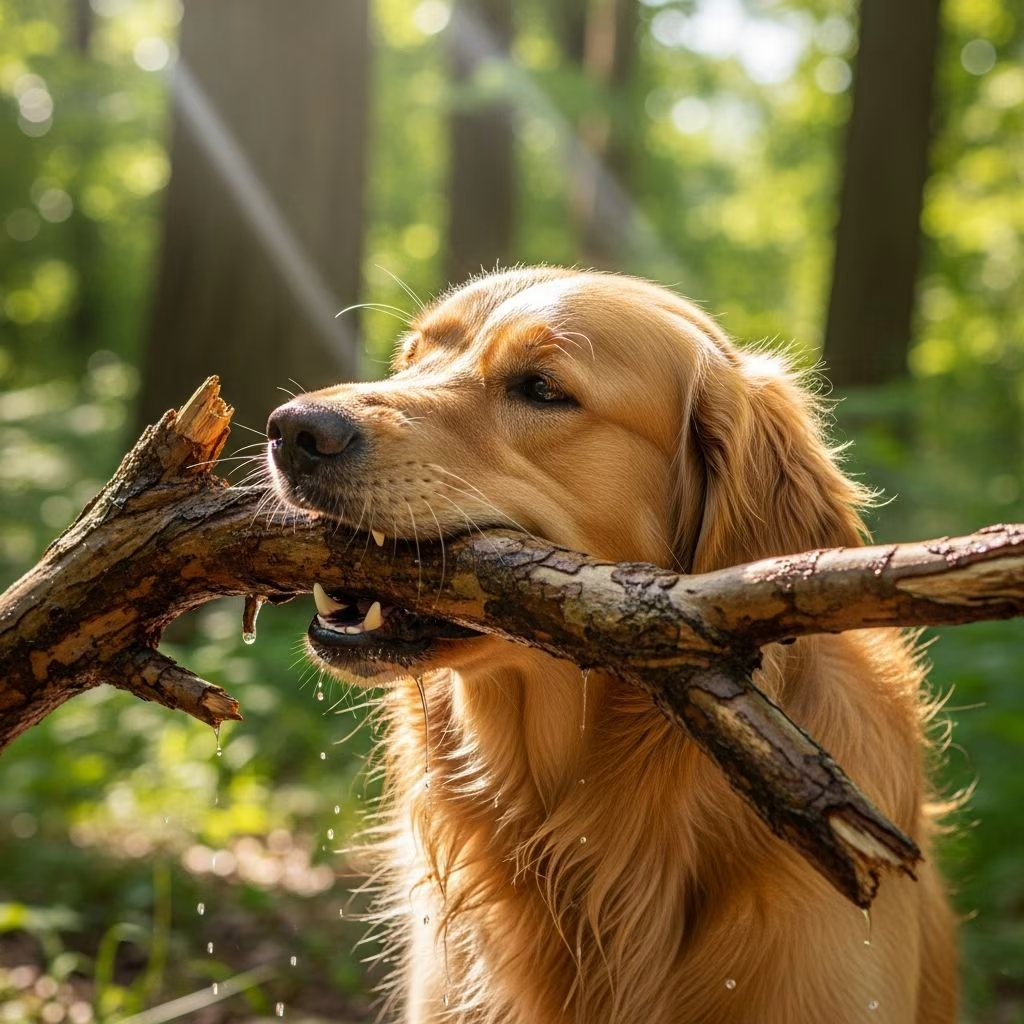
Dogs chewing on sticks is a common sight during walks or playtime in the yard. This behavior stems from deep-rooted instincts, providing mental stimulation, physical relief, and sensory exploration. While it seems harmless, understanding the reasons helps owners distinguish normal habits from potential health concerns and choose safer options.
It’s in Their DNA
Chewing sticks taps into dogs’ ancestral behaviors. Wild canines gnawed on wood and bones to access nutrients like marrow, strengthen jaws, and clean teeth by scraping off plaque and tartar. Domesticated dogs retain this instinct, even with balanced diets, as it keeps jaws strong and provides natural dental care.
Puppies especially exhibit this during teething, when new teeth emerge painfully. The textured surface of sticks massages sore gums, offering relief similar to how human babies chew teething rings. Adult dogs continue for jaw exercise, while seniors benefit from cognitive stimulation that sharpens mental functions.
Chewing for Comfort
Beyond instincts, chewing releases endorphins, reducing stress and anxiety. Repetitive gnawing soothes dogs during separation anxiety or environmental changes, acting as a calming ritual. The motion focuses their attention, lowering overall tension much like fidget toys for humans.
For bored dogs lacking exercise or mental challenges, sticks become entertaining diversions. Intelligent breeds need stimulation; without it, they turn to destructive chewing. Daily walks, fetch, or puzzle toys prevent this by meeting physical and cognitive needs.
Sensory Adventure
Dogs explore the world through their noses and mouths, boasting a sense of smell 40 times stronger than humans. Sticks carry scents from other animals, marking territories or carrying environmental data. Chewing helps process these odors and textures, satisfying curiosity.
The varied bark textures and natural flavors make sticks appealing toys. Puppies mouth everything to learn, while adults seek novel sensations. This multi-sensory engagement explains why sticks outshine plain toys—they’re free, abundant, and intriguing.
Attention-Seeking Shenanigans
Sometimes, dogs chew sticks to train their owners. If chasing or scolding follows, it rewards the behavior with interaction. Positive reinforcement techniques, like ignoring and redirecting to toys, break this cycle without escalating excitement.
When It’s More Than Fun
Occasional chewing is normal, but compulsive eating (pica) signals issues. Dogs may ingest sticks due to:
- Anxiety or stress: Self-soothing during changes like moves or new pets.
- Boredom: Insufficient play leads to random ingestion.
- Nutritional deficiencies: Malnutrition prompts non-food cravings; quality diet prevents this.
- Digestive problems: Worms, allergies, or infections impair nutrient absorption, causing pica.
- Medical conditions: Anemia, dental pain, or medications increase hunger for inedibles.
Monitor for repetition; consult a vet if accompanied by lethargy, weight loss, or odd eating.
The Dangers of Stick Chewing
Sticks pose serious risks outweighing benefits for many dogs:
- Splinters and cuts: Sharp fragments injure mouths, throats, or intestines.
- Choking hazard: Large chunks block airways, requiring emergency intervention.
- Dental damage: Hard woods crack teeth, leading to costly repairs.
- Obstructions: Swallowed pieces cause blockages, vomiting, or surgery.
- Toxicity: Woods like black walnut, cherry, yew, or oak contain harmful compounds causing poisoning.
| Risk | Symptoms | Action |
|---|---|---|
| Splinters | Bleeding gums, drooling | Remove stick, check mouth |
| Choking | Gagging, pawing at mouth | Perform dog Heimlich, call vet |
| Obstruction | Vomiting, no appetite | Immediate vet visit |
| Toxicity | Lethargy, tremors | Poison control hotline |
Safe Alternatives to Sticks
Opt for durable, digestible chew toys mimicking sticks’ appeal without risks:
- Nylabones or nylon chews: Long-lasting for heavy chewers, textured for gum relief.
- Rubber toys (e.g., Kong): Stuff with treats for mental engagement.
- Natural chews: Bully sticks, yak chews—supervise to avoid overeating.
- Frozen carrots or ice cubes: Cooling teething relief, low-calorie.
- Wood-like toys: Safe synthetic sticks from pet stores.
Rotate toys to maintain interest. Supervise all chewing, especially outdoors.
Training Tips to Curb Stick Obsession
Redirect effectively:
- Prevent access: Leash on walks, yard cleanup.
- Exchange command: Trade stick for toy with praise.
- Increase exercise: 30-60 minutes daily plus brain games.
- Use deterrents: Bitter sprays on furniture if indoors.
- Positive reinforcement: Reward toy chewing, ignore sticks.
Consistency yields results in weeks. For severe cases, consult trainers.
Frequently Asked Questions (FAQs)
Is it okay for my dog to chew on sticks occasionally?
Occasional supervised chewing from safe trees is low-risk, but regular habits invite dangers like splinters. Always provide alternatives.
Why does my puppy chew sticks more than toys?
Puppies teethe painfully; sticks soothe gums with texture. Offer chilled puppy-specific chews for relief.
What if my dog eats sticks instead of just chewing?
This may indicate pica from nutritional gaps, anxiety, or illness. Vet checkup rules out underlying issues.
Are there safe woods for dogs to chew?
Avoid toxic trees (cherry, walnut). Untreated apple or pear wood is safer, but commercial toys are best.
How can I stop my dog from picking up sticks on walks?
Use “leave it” training, carry high-value toys, and keep leashed in stick-heavy areas.
This comprehensive guide empowers owners to understand and manage stick-chewing safely, promoting healthier, happier dogs through informed choices and proactive care.
References
- Is It OK for My Dog to Chew On Sticks? — Rover.com. 2023. https://www.rover.com/blog/why-do-dogs-eat-sticks/
- Why Do Dogs Eat Sticks? Decoding Canine Behavior (Vet-Approved) — Dogster. 2024. https://www.dogster.com/dog-behavior/why-do-dogs-eat-sticks
- Why Do Dogs Chew Sticks? — PetLab Co. 2024. https://thepetlabco.com/learn/dog/behavior/why-do-dogs-chew-sticks
- Why Do Dogs Like Sticks? — A Pup Above. 2023. https://apupabove.com/blogs/all/why-do-dogs-like-sticks
- Is It Okay For Dogs To Chew On Sticks? — ElleVet Sciences. 2024. https://www.ellevetsciences.com/blog/is-it-okay-for-dogs-to-chew-on-sticks/
- Destructive Chewing — ASPCA. 2024-01-14. https://www.aspca.org/pet-care/dog-care/common-dog-behavior-issues/destructive-chewing
- Why is My Dog Eating Sticks? — WagWalking. 2024. https://wagwalking.com/symptom/why-is-my-dog-eating-sticks



