

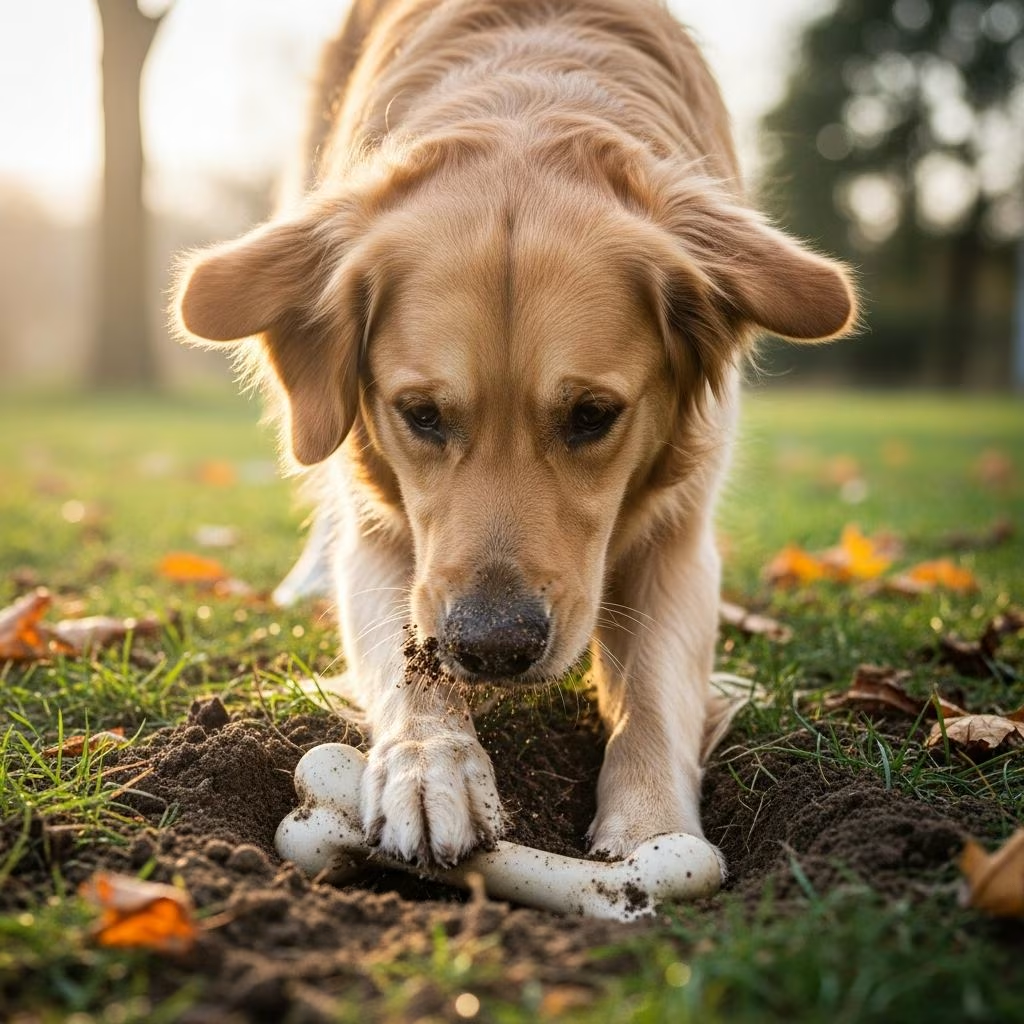
Why Do Dogs Bury Bones: Understanding Canine Behavior
If you’ve ever watched your dog dig frantically in the backyard, only to hide their favorite bone or toy underground, you’ve witnessed one of the most fascinating aspects of canine behavior. This seemingly quirky habit is far more than just entertainment—it’s a deeply rooted instinct that connects your modern family pet to their wild ancestors. Understanding why dogs bury bones can help you appreciate the complex behavioral patterns that continue to influence your dog’s actions, even after thousands of years of domestication.
The behavior of burying bones, known as “caching,” is a survival mechanism that has been hardwired into dogs’ DNA for millennia. Despite the fact that your dog receives regular meals and has no need to store food for survival, this ancient instinct remains surprisingly powerful. Dogs of all sizes and breeds may exhibit this behavior, though some are more inclined than others to engage in it.
The Evolutionary Origins of Bone Burying
To understand why your dog buries bones, it’s essential to look back at their evolutionary history. Dogs descended from wolves, and their modern behavior is heavily influenced by the survival strategies their ancestors used in the wild. In the natural world, wolves and wild canines faced unpredictable food sources. When they successfully hunted and killed prey, they didn’t always consume the entire animal at once. Instead, they would eat what they needed and bury the remaining meat for later consumption.
This caching behavior served multiple critical functions for wild canines. First, it allowed them to create a food reserve for times when hunting was unsuccessful or food was scarce. Second, burying food protected it from scavengers and competing predators who might steal their hard-earned meals. Third, underground storage naturally preserved the meat by keeping it cool and protected from insects and sunlight, acting as nature’s refrigerator.
The strategy was so effective that it became deeply encoded in canine genetics. Even though thousands of years have passed since dogs were domesticated, this survival instinct remains remarkably strong. Your dog’s brain still recognizes the value of having a hidden food reserve, even though they have no logical need for one.
Primary Reasons Why Dogs Bury Bones
Instinctual Behavior and Genetic Memory
The most fundamental reason dogs bury bones is simple: instinct. This behavior is inherited directly from their wild ancestors and remains one of the most powerful drivers of canine actions. According to veterinary behaviorists, dogs are highly instinctual creatures despite centuries of domestication and their reliance on humans for food and care. The urge to bury valuables is particularly strong in hunting and guard dog breeds, as these dogs were historically bred to possess strong protective and resource-conservation instincts.
What’s fascinating is that this instinct manifests even when dogs don’t have access to actual dirt and soil. Indoor dogs may “bury” their bones in blankets, pillows, couch cushions, or piles of laundry—essentially mimicking the burying behavior with whatever soft materials are available. This demonstrates just how powerful and ingrained this behavior truly is.
Resource Guarding and Protection
Another significant reason dogs bury bones is resource guarding—a protective behavior triggered by the fear that another animal might steal their valued possession. This instinct is particularly evident in multi-pet households where competition for resources is a real or perceived threat. When a dog buries a bone, they’re not just hiding it; they’re engaging in a territorial claiming behavior, marking the location with their scent to communicate “this is mine.”
Resource guarding can manifest in various ways beyond simple burying behavior. Some dogs may display aggression toward other animals who approach their hidden items, growl protectively, or even guard the burial site itself. While this behavior is completely natural, it’s important for dog owners to monitor it and ensure it doesn’t escalate into problematic aggression.
Entertainment and Mental Stimulation
Not every instance of bone burying is driven by survival instincts or resource guarding. Dogs are intelligent creatures that require mental and physical stimulation to stay happy and healthy. Digging and hiding behaviors are inherently stimulating sensory activities that provide entertainment value. For dogs that lack sufficient outlets for their energy or mental engagement, burying bones becomes a form of self-directed enrichment.
Dogs that are bored or don’t have adequate sources for channeling their energy may use bone burying as a way to occupy themselves. This is particularly common in dogs that spend long periods alone or have limited access to outdoor play spaces. The act of digging, searching, and hiding engages multiple senses and provides the mental stimulation their brains crave.
Breed-Specific Tendencies
Some dog breeds are significantly more inclined to bury bones than others, particularly those with strong hunting or digging backgrounds. Terrier breeds, for instance, were historically bred to dig into the ground to hunt small animals, making them natural excavators. Hound breeds and other hunting dogs also show heightened tendencies toward burying and resource conservation, as these traits were actively selected for during their breeding history.
Owners of hunting breeds frequently report witnessing bone-burying behavior more often than owners of herding or non-sporting breeds. This isn’t coincidental—it reflects the genetic programming that still influences behavior across dog populations.
Anxiety and Stress Response
In some cases, excessive bone burying can be a response to anxiety or stress. Dogs that feel anxious about environmental changes, routine disruptions, or competition from other pets may bury items as a coping mechanism. This behavior represents an attempt to create security by controlling their environment and ensuring their valued possessions remain safe from perceived threats.
If your dog has suddenly increased their bone-burying behavior following a change in their environment or routine, anxiety may be the underlying cause.
The Historical Context of Caching Behavior
Understanding the historical significance of bone burying helps explain why this behavior persists so strongly in modern dogs. In the wild, a successful hunt was cause for celebration, but it also presented a problem: how to preserve excess meat before it spoiled. Underground burial solved this problem elegantly. The cool soil temperatures slowed bacterial growth and decomposition, while the depth underground protected the meat from flies, insects, and other contaminants.
This practice meant that a wolf pack could maximize their hunting efficiency by consuming immediately what they needed and preserving the rest for future meals. The strategy was so effective that it became central to canine survival strategy. Even after domestication, when dogs no longer face food scarcity, the behavioral pattern remains hardwired into their neurological systems.
Modern Manifestations of Ancient Instincts
While the instinct to bury bones remains unchanged, the modern environment has created new contexts in which this behavior appears. Today’s dogs express this ancient drive in ways that would have baffled their wolf ancestors:
Indoor Burying Behaviors
When dogs lack access to outdoor soil and garden areas, they adapt their burying behavior to available alternatives. Many indoor dogs will attempt to bury bones or toys in soft furnishings like couch cushions, blankets, pillows, or laundry piles. This behavior is an exact replica of the traditional burying instinct, simply redirected to whatever soft materials offer the sensation and appearance of digging and covering.
Territorial Marking Through Burying
Dogs are inherently territorial animals, and burying bones serves as a form of territory marking. When a dog buries something, they leave behind their scent, which communicates ownership to other animals. In multi-dog households, this behavior intensifies as dogs compete to establish their territorial claims. Even single-dog households show this behavior, as the instinct to mark territory and claim resources remains powerful regardless of actual competition.
Selective Food Preservation
Dogs may selectively bury certain foods while leaving others exposed. They’re more likely to bury items they particularly enjoy or value, or foods they believe they won’t be allowed to have, such as table scraps. In some cases, dogs will bury perishable foods like produce or meat, which can create hygiene concerns as the buried food eventually rots.
Managing and Understanding the Behavior
When Burying Is Normal and Healthy
In most cases, bone burying is completely harmless and represents normal, healthy canine behavior. Creating a hiding spot for bones and natural dog chews indicates that your dog enjoys them and values them enough to ensure future access. This behavior typically requires no intervention from owners.
When to Monitor or Intervene
There are certain situations where excessive or problematic bone burying warrants attention:
Obsessive Burying: If your dog obsessively hides nearly every toy or treat, this could indicate underlying anxiety or possessiveness that might benefit from behavioral intervention.
Aggressive Resource Guarding: If your dog displays aggression over buried items or burial locations, this behavior problem should be addressed through training or professional help.
Food Quality Concerns: If your dog buries food that later rots or spoils, this can create hygiene issues or attract unwanted pests. In these cases, monitoring buried food and removing it after a few days may be necessary.
Destructive Digging: If your dog’s digging behavior becomes destructive, ruining your lawn or garden, providing a designated digging area can redirect this energy constructively.
Strategies for Managing Bone Burying
If you want to reduce bone-burying behavior, several strategies can be effective:
– Increase Mental Stimulation: Provide more interactive toys, puzzle feeders, training sessions, and play opportunities to satisfy your dog’s need for mental engagement- Create a Designated Digging Area: Establish a specific sandbox or garden bed where digging and burying are acceptable, redirecting the behavior to an appropriate location- Monitor Resource Scarcity: According to the American Kennel Club, you can help curb burying behavior by making resources more scarce, allowing your dog to access bones or treats for limited periods only- Provide Adequate Exercise: Ensure your dog receives sufficient physical exercise to burn energy productively- Supervise and Remove: For indoor burying in soft furnishings, supervise access to couches and beds, or remove buried items after a few days
Frequently Asked Questions About Dogs Burying Bones
Q: Is burying bones a sign that my dog isn’t getting enough food?
A: Not necessarily. Dogs bury bones due to instinct, not hunger. Even well-fed dogs with access to regular meals will exhibit this behavior. It’s a genetic trait inherited from their wild ancestors, regardless of their actual nutritional status.
Q: Why does my dog bury bones but never dig them up?
A: Some dogs are content simply having buried their valuables and feel secure knowing they’re hidden. Others do eventually retrieve and consume their buried bones, sometimes weeks later. Both behaviors are completely normal.
Q: Can I prevent my dog from burying bones altogether?
A: While you can reduce the behavior through environmental management and increased mental stimulation, completely eliminating an instinctive behavior is difficult. It’s often better to accept this as normal canine behavior and manage it appropriately rather than attempt total suppression.
Q: Are certain dog breeds more likely to bury bones?
A: Yes. Hunting breeds, terriers, and hounds typically show stronger bone-burying tendencies than other breed groups, reflecting their genetic programming for resource conservation and digging.
Q: Is it safe for my dog to bury and consume bones after they’ve been underground?
A: Generally, yes. The cool soil naturally preserves bone quality. However, if bones have been buried for extended periods and show signs of rot or contamination, they should be removed and discarded to prevent digestive issues or bacterial infections.
Conclusion
The tendency of dogs to bury bones represents one of the most direct links between our modern pets and their wild ancestors. This behavior isn’t a quirk or a sign of a problem—it’s a window into the evolutionary history that continues to influence dog behavior today. From resource guarding to territorial marking to simple entertainment, bone burying serves multiple psychological and instinctual functions.
By understanding the roots of this behavior, dog owners can better appreciate their pets’ complex nature and make informed decisions about managing it. Whether you choose to embrace this behavior as part of your dog’s natural repertoire or actively redirect it through environmental management and enrichment, recognizing bone burying as instinctive rather than problematic creates a more harmonious relationship between you and your canine companion.
References
- Why Do Dogs Bury Bones? Understanding the Behavior — Kinship. Accessed 2025. https://www.kinship.com/dog-behavior/why-do-dogs-bury-bones
- Why Do Dogs Bury Bones? — PetMD. Accessed 2025. https://www.petmd.com/dog/behavior/why-do-dogs-bury-bones
- Why Dogs Bury Bones: Instinct or Learned Behavior? — PetsCare.com. Accessed 2025. https://www.petscare.com/news/faq/do-dogs-bury-bones-because-of-instinct
- Advice & Welfare: Why Do Dogs Bury Bones? — SPCA New Zealand. Accessed 2025. https://www.spca.nz/advice-and-welfare/article/why-do-dogs-bury-bones
- The Real Reason Dogs Bury Bones (It’s More Than You Think!) — YouTube. Accessed 2025. https://www.youtube.com/watch?v=sPxiwNeGrUs
- Why Do Dogs Bury Bones? The Answer Is Surprisingly Simple — American Kennel Club. Accessed 2025. https://www.akc.org/expert-advice/training/why-do-dogs-bury-bones/
- Why Do Dogs Bury Bones? — Purina. Accessed 2025. https://www.purina.com/articles/dog/behavior/understanding-dogs/why-do-dogs-bury-bones



