

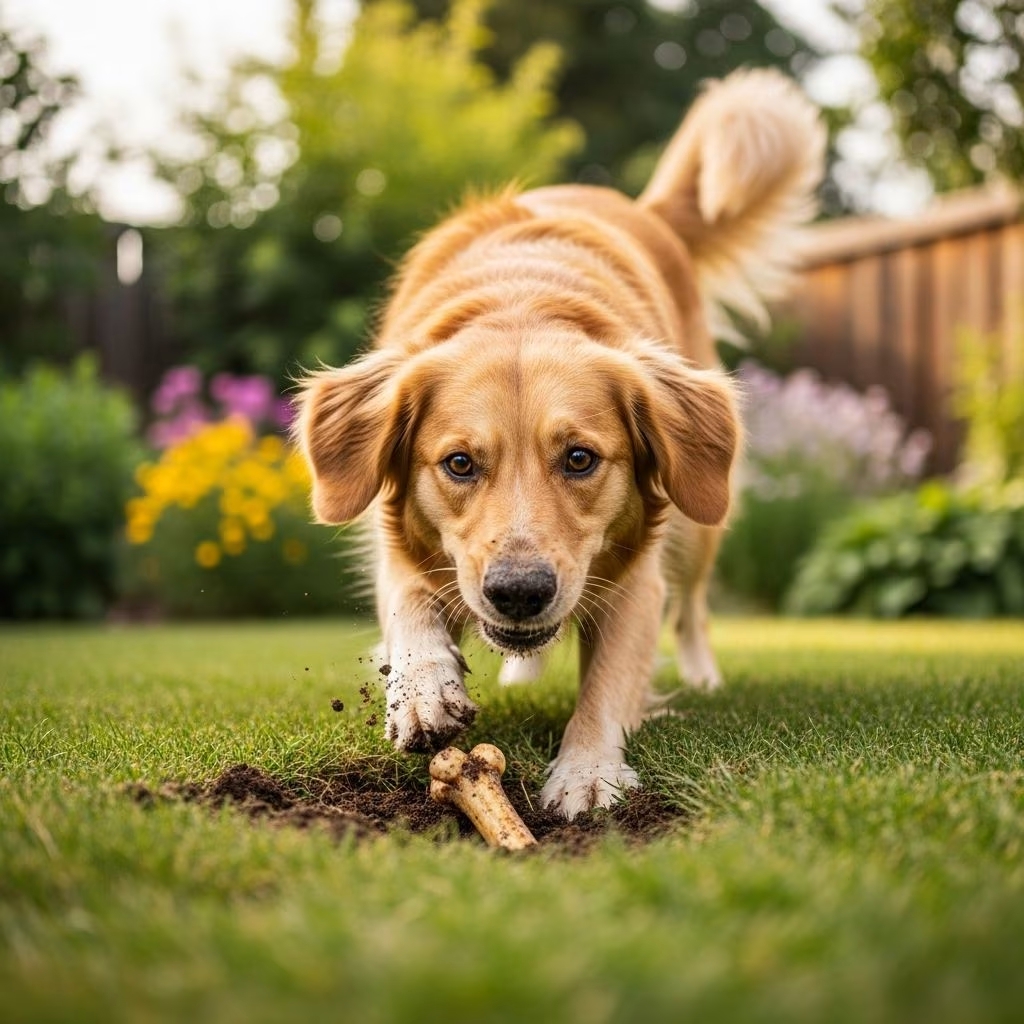
Why Do Dogs Bury Bones: Understanding Your Dog’s Natural Instincts
If you’ve ever watched your dog dig a hole in your yard or push imaginary dirt over a favorite toy, you’ve witnessed one of the most fascinating behaviors in the canine world. The tendency to bury bones and other treasured possessions is deeply rooted in your dog’s biology and evolutionary history. Understanding why dogs engage in this behavior can help you appreciate your furry companion’s connection to their wild ancestors and manage this behavior in your household.
The Evolutionary Origins of Bone Burying
The behavior of burying bones is not a learned habit or a quirk your dog picked up from their littermates. Instead, it’s an evolutionary behavior that has been passed down through generations of canines. Your dog’s ancestors, wolves, developed this behavior as a survival mechanism when food sources were unpredictable. When a wolf successfully hunted prey, it would often consume only part of the meal immediately and bury the rest to preserve it for leaner times.
This practice, known as “caching” or “scatter hoarding,” served multiple purposes in the wild. It allowed canines to stockpile food across multiple locations rather than keeping everything in one place, which reduced the risk of losing their entire food supply to scavengers. The cool dirt underground acted as a natural refrigerator, keeping food fresher longer and protecting it from insects and predators. Additionally, burying food made it harder for other animals to detect through scent, a crucial advantage in competitive wild environments where food sources were scarce and competition was fierce.
Primary Reasons Dogs Bury Bones
Modern domestic dogs display bone-burying behavior for several interconnected reasons, each rooted in their ancestral past:
Instinctual Resource Management
The most fundamental reason dogs bury bones is pure instinct. Despite thousands of years of domestication, dogs retain the genetic predisposition to protect and preserve valuable resources. When your dog receives a bone or treat, their brain activates ancient survival programming that tells them to secure this prize for future consumption. This is particularly pronounced in hunting and guard dog breeds, which have been selectively bred to maintain strong resource management instincts. Even though your dog is fed regularly and doesn’t face food scarcity, the instinct to cache remains powerful and nearly impossible to suppress.
Resource Guarding and Protection
Beyond simple food preservation, dogs bury bones as a form of resource guarding—a protective behavior triggered by the fear that another animal might steal their valuable possession. Dogs that live in multi-pet households often display stronger bone-burying behavior because they’re genuinely concerned about competition from other animals in their environment. By burying a bone, your dog removes it from plain sight, creating a sense of security and control over their prized possession.
Entertainment and Mental Stimulation
Digging and burying behavior also serves as a source of entertainment and mental enrichment for dogs. The act of digging engages multiple senses—touch, smell, and sight—and provides satisfying physical activity. For dogs that lack adequate mental stimulation or physical exercise, burying bones can become a way to occupy their time and expend energy. Some dogs enjoy the sensory experience of digging in soil, sand, or even soft furnishings so much that they continue the behavior even after domestication has removed the survival necessity.
Stress and Anxiety Management
In some cases, excessive bone burying or similar digging behaviors can indicate that your dog is experiencing stress, anxiety, or boredom. Dogs left alone for extended periods or those suffering from separation anxiety may engage in digging and burying as a coping mechanism. If you notice your dog suddenly increased their burying behavior, it may be worth evaluating their overall environment, exercise routine, and emotional well-being.
Where Dogs Bury Their Bones
The location where your dog chooses to bury bones reveals interesting insights into their behavior and living situation:
Outdoor Burying
Dogs with access to outdoor spaces typically choose soft soil, garden beds, or sandy areas for burying their bones. These locations make it easier to dig and create a secure cache for their treasures. If you’ve noticed mysterious holes throughout your yard or missing sections of your garden, your dog is likely engaging in normal caching behavior.
Indoor Hiding
For dogs without access to outdoor digging opportunities, the instinct to bury doesn’t disappear—it simply transforms. Indoor dogs may “bury” bones and toys in soft locations throughout your home, including between couch cushions, in bedding, under pillows, or within piles of laundry. This behavior demonstrates that the burying instinct is so powerful that dogs will adapt their technique to whatever environment they inhabit. Dogs have even been known to push imaginary dirt onto toys as they attempt to recreate the burying experience despite lacking actual soil.
Understanding the Connection to Breed and Hunting Instinct
Interestingly, the intensity of bone-burying behavior varies significantly among different dog breeds. Dogs bred for hunting purposes, such as terriers, retrievers, and hound breeds, tend to display stronger caching instincts than non-sporting or herding breeds. This difference reflects selective breeding practices that emphasized resource management and food preservation skills in working dogs. When you choose a hunting breed as a pet, you’re inheriting not just their physical characteristics but also their deeply ingrained behavioral tendencies, including a powerful drive to bury and protect resources.
Potential Problems Associated with Bone Burying
While bone burying is a normal, natural behavior, it can create challenges in a household setting:
Garden Damage
Extensive digging can destroy your landscaping, creating unsightly holes throughout your yard and damaging plant roots and garden structures.
Spoiled or Buried Food
Bones left buried for extended periods can rot or become contaminated, creating health hazards if your dog later retrieves and consumes them. Perishable food items left buried can develop mold or bacterial growth.
Destructive Indoor Behavior
When indoor dogs attempt to bury items in your home, they may damage furniture, bedding, and other household items through their digging efforts.
Resource Guarding Escalation
In some cases, intense resource guarding combined with bone burying can escalate to aggressive behavior if other pets or family members approach the burial site.
Managing Your Dog’s Bone-Burying Behavior
If your dog’s bone-burying behavior is becoming problematic, several strategies can help:
Reduce Resource Availability
Since the burying instinct is triggered by the presence of surplus resources, limiting the number of toys and bones your dog has access to can help reduce the behavior. Instead of leaving multiple toys available, provide just one or two at a time and rotate them weekly to maintain interest and prevent boredom.
Timing of Treats
Avoid giving your dog a bone immediately after they’ve eaten their regular meal. When their stomach is full, they’re more likely to want to bury the bone rather than consume it immediately. Offering treats when your dog hasn’t recently eaten may reduce the caching impulse.
Provide Designated Digging Areas
Consider creating a specific sandbox or designated digging area in your yard where your dog is encouraged to bury items. This channels their natural instincts into an appropriate location while protecting the rest of your garden.
Increase Mental and Physical Exercise
Dogs that receive adequate physical exercise and mental stimulation are less likely to engage in excessive digging and burying behaviors. Regular walks, training sessions, and interactive play can help expend your dog’s energy in productive ways.
Supervise and Redirect
When you catch your dog attempting to bury a bone or toy, you can redirect their attention to more appropriate activities or play. Consistent redirection over time can help modify the behavior, though completely eliminating the instinct is often unrealistic.
FAQ About Dogs Burying Bones
Q: Is it normal for dogs to bury bones?
A: Yes, bone burying is a completely normal and natural behavior inherited from their wild ancestors. It’s an evolutionary instinct that most dogs retain to some degree, though the intensity varies by breed and individual personality.
Q: Why do dogs bury bones they’ve never eaten?
A: Dogs often bury toys and other objects they value highly, not just food. This resource guarding behavior stems from the same instinct to protect valued possessions from potential theft or loss.
Q: Is bone burying a sign of aggression?
A: Bone burying itself is not aggressive, but it can be associated with resource guarding tendencies. If your dog becomes aggressive when others approach buried items, this indicates resource guarding behavior that may need professional training attention.
Q: Can indoor dogs satisfy the burying instinct?
A: Yes, indoor dogs will adapt their burying behavior to available environments, hiding items in blankets, under cushions, or in laundry piles. They may even perform the digging motions without actual soil, demonstrating how powerful the instinct is.
Q: Should I stop my dog from burying bones?
A: It depends on your situation. If the behavior isn’t causing problems, allowing it can be healthy enrichment. If it’s damaging your home or yard, management strategies like resource limitation and designated digging areas can help.
References
- Why Do Dogs Bury Bones? Understanding the Behavior — Kinship. 2025. https://www.kinship.com/dog-behavior/why-do-dogs-bury-bones
- Why Do Dogs Bury Bones? — PetMD. 2025. https://www.petmd.com/dog/behavior/why-do-dogs-bury-bones
- Why Your Dog Buries Their Bones And Favorite Toys — Rover.com. 2025. https://www.rover.com/blog/why-dogs-bury-bones/
- Why Do Dogs Bury Bones? The Answer Is Surprisingly Simple — American Kennel Club. 2025. https://www.akc.org/expert-advice/training/why-do-dogs-bury-bones/
- Why Do Dogs Bury Bones? — Purina. 2025. https://www.purina.com/articles/dog/behavior/understanding-dogs/why-do-dogs-bury-bones
- Why Do Dogs Bury Bones (And Should You Stop Them)? — Cadet Pet. 2025. https://www.cadetpet.com/dog-basics/why-dog-dogs-bury-bones



