Why Dogs Bite Themselves: Causes, Signs, And Relief Strategies
Discover the hidden reasons behind your dog's self-biting habits and learn effective ways to stop this distressing behavior for good.
Why Dogs Bite Themselves: Causes, Signs, and Solutions
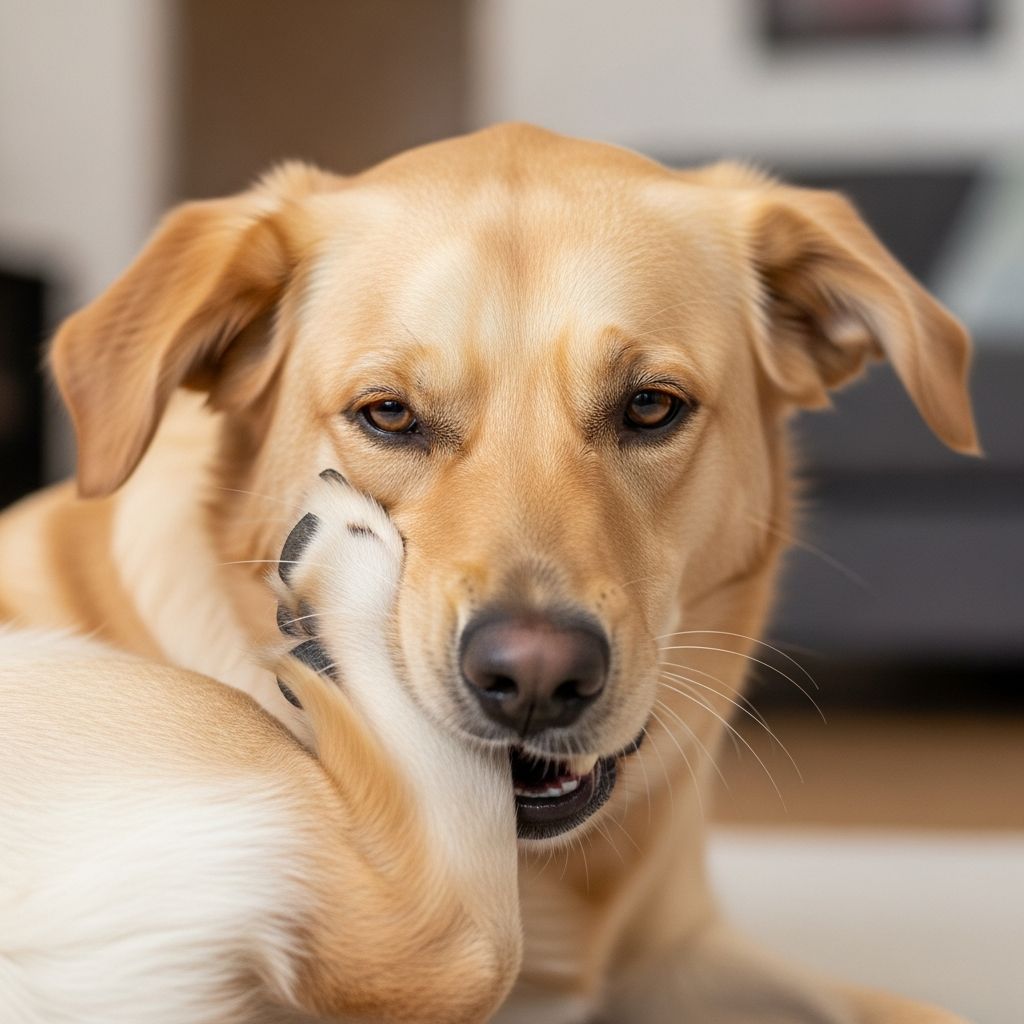
Dogs biting themselves is a frequent concern for pet owners, often signaling discomfort ranging from minor irritations to serious health issues. This behavior, which includes chewing, licking, or scratching specific body parts like paws, tails, or flanks, can lead to skin damage if ignored. Understanding the root causes helps in timely intervention to prevent escalation.
Recognizing the Signs of Self-Directed Biting
Observe your dog closely for patterns in this behavior. Common indicators include red, inflamed skin, hair loss in targeted areas, excessive salivation around the mouth during episodes, and visible wounds or scabs. Dogs may also show restlessness, whining, or limping if paws are involved. These signs often intensify at night or during stressful events, pointing to both physical and emotional triggers.
- Localized chewing: Focus on paws, tail base, or hindquarters suggests parasites or allergies.
- Generalized licking: Across the body may indicate systemic issues like hormonal imbalances.
- Compulsive patterns: Repetitive actions without apparent itch point to anxiety or boredom.
Primary Physical Causes Behind the Behavior
Physical discomfort drives most cases of self-biting. Skin conditions top the list, as they create persistent itchiness that dogs attempt to relieve through biting.
Skin Allergies and Irritants
Allergies to food proteins, pollen, dust mites, or grooming products cause intense itching, leading dogs to bite affected areas. Environmental allergens like grass or mold exacerbate this during certain seasons. Food sensitivities often manifest as paw chewing due to yeast overgrowth from gut imbalances.
Parasitic Infestations
Fleas, ticks, mites, and even intestinal parasites provoke severe itching. Flea allergy dermatitis, where even a single bite triggers a reaction, is notorious for causing raw, bitten skin. Microscopic mites like those causing mange are harder to spot but equally problematic. Regular outdoor access increases risk.
Infections and Inflammatory Conditions
Bacterial pyoderma, fungal infections, or yeast overgrowth lead to hot spots that dogs aggravate by biting. These often stem from allergies or moisture trapped in skin folds. Eczema or dry skin (xeroderma) from low humidity or poor diet worsens the cycle.
| Condition | Symptoms | Common Sites |
|---|---|---|
| Allergies | Redness, itching, ear infections | Paws, belly, ears |
| Parasites | Black specks (flea dirt), bumps | Back, tail, groin |
| Infections | Pus-filled sores, odor | Any moist area |
Underlying Medical Issues Contributing to Biting
Beyond surface irritations, internal problems can manifest as self-biting. Hormonal disorders like Cushing’s disease (hyperadrenocorticism) or hypothyroidism alter skin health, causing thinning and itchiness. Anal gland issues lead to scooting and hindquarter biting for relief.
Pain-Related Biting
Joint problems such as arthritis, hip dysplasia, or spinal issues prompt dogs to bite painful limbs. The act releases endorphins, providing temporary comfort similar to how humans rub sore muscles. Older dogs or large breeds are prone.
Nutritional and Genetic Factors
Diets deficient in omega fatty acids, zinc, or vitamins weaken skin barriers, inviting infections. Certain breeds, especially small ones, show genetic predispositions to compulsive behaviors due to anxiety traits.
Psychological and Behavioral Triggers
Not all self-biting is physical; emotional distress plays a significant role. Dogs mirror human stress responses by redirecting anxiety onto their bodies.
Anxiety and Stress Responses
Separation anxiety, loud noises (fireworks, thunder), or household changes trigger cortisol spikes, leading to biting as a coping mechanism. This releases dopamine and opioids, offering brief calm. Confinement or lack of routine heightens vulnerability.
Boredom and Understimulation
Inactive dogs, especially those left alone, bite to self-soothe from pent-up energy. Insufficient exercise, toys, or mental challenges fosters depression-like states, mimicking psychogenic alopecia.
- Attention-seeking: Owners responding to biting reinforces it.
- Stimulus-specific: Reactions to specific fears like vacuums.
Step-by-Step Diagnosis Process
Start with a vet visit. Expect skin scrapings for parasites, allergy tests, bloodwork for hormones, and fecal exams. Rule out pain via X-rays or joint exams. Behavioral assessments follow if medical causes are absent.
- History review: Onset, triggers, diet changes.
- Physical exam: Skin cytology, flea combing.
- Trials: Elimination diets for allergies, parasite preventives.
- Referrals: To dermatologists or behaviorists if needed.
Effective Treatment Strategies
Treatment targets the cause while managing symptoms. Use Elizabethan collars (cones) temporarily to halt damage.
Medical Interventions
Antibiotics for infections, antifungals for yeast, steroids or Apoquel for allergies. Joint supplements like glucosamine aid pain. Parasite controls: Monthly topicals or orals.
Environmental and Dietary Adjustments
Hypoallergenic diets, omega-3 supplements soothe skin. Flea-proof yards, hypoallergenic shampoos reduce irritants. Frequent baths with medicated products break itch cycles.
Behavioral Modifications
Increase exercise to 30-60 minutes daily walks, puzzle toys for stimulation. Desensitization training for anxiety triggers. Positive reinforcement redirects chewing to appropriate toys.
Prevention Tips for Long-Term Relief
Proactive care minimizes recurrence. Maintain year-round parasite prevention, balanced nutrition, and routine vet check-ups. Monitor for early signs during high-risk periods like allergy season.
- Regular grooming to spot issues early.
- Enrich environment with interactive play.
- Track behavior in a journal for patterns.
Frequently Asked Questions (FAQs)
Is self-biting always a sign of fleas?
No, while common, allergies or stress are equally likely. Vet diagnosis is essential.
Can diet alone fix my dog’s biting?
Diet helps allergies but not parasites or pain; comprehensive treatment needed.
How long before improvement?
1-2 weeks for parasites, longer (4-6 weeks) for allergies or behavior.
When is it an emergency?
If wounds bleed, infect, or dog seems in severe pain, seek immediate care.
Do all breeds do this equally?
Small breeds and high-energy types are more prone due to genetics and lifestyle.
References
- Dogs and Compulsive Scratching, Licking, and Chewing — WebMD. 2023-05-15. https://www.webmd.com/pets/dogs/dogs-and-compulsive-scratching-licking-and-chewing
- Why does my dog bite themselves? — The Kennel Club. 2024-02-10. https://www.royalkennelclub.com/health-and-dog-care/health-dog-care/health/health-and-care/a-z-of-health-and-care-issues/why-does-my-dog-bite-themselves/
- Excessive Self-Licking or Chewing — Loving Pets. 2023-11-20. https://lovingpetsproducts.com/blog/excessive-selflicking-or-chewing/
- A Deep Dive Into Canine Self-Biting Behavior — Oreate AI Blog. 2024-08-05. https://www.oreateai.com/blog/understanding-why-dogs-bite-themselves-a-deep-dive-into-canine-selfbiting-behavior/cf122778a694c95cd7ebdc4541c81808
- 7 Reasons Why My Dog is Biting his Paws — My Pet Nutritionist. 2023-09-12. https://mypetnutritionist.com/post/7-reasons-why-my-dog-is-biting-his-paws/
Similar Articles




Read full bio of Sneha Tete