

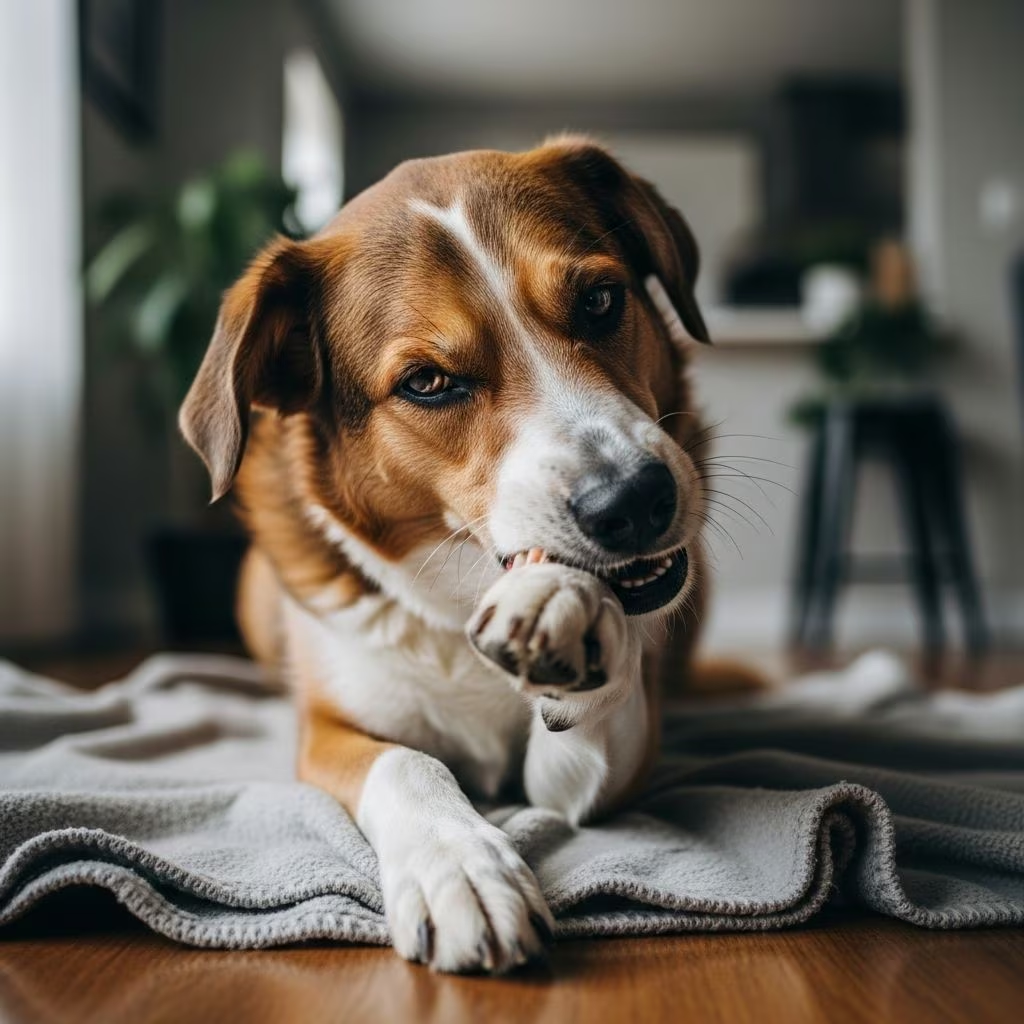
Dogs biting their nails is a common behavior that often signals underlying discomfort, health issues, or emotional distress. While occasional nibbling might seem harmless, excessive nail biting can lead to injuries, infections, and pain. Understanding the root causes—ranging from physical ailments like allergies and overgrown nails to behavioral factors such as anxiety—is crucial for pet owners. This comprehensive guide explores the primary reasons dogs engage in this habit, how to identify symptoms, and practical steps to address it effectively. By recognizing these signs early, you can help your furry friend achieve relief and prevent long-term complications.
Common Causes of Nail Biting in Dogs
Dogs bite their nails for various reasons, often tied to physical irritation, pain, or psychological factors. Identifying the trigger requires observing your dog’s environment, diet, and behavior patterns. Below, we break down the most frequent culprits.
Allergies and Skin Irritations
**Allergies** stand out as one of the leading causes of nail biting and paw chewing in dogs. These hypersensitive reactions trigger intense itching, prompting dogs to gnaw at their paws for relief. There are several types:
- Food Allergies: Common allergens include proteins like chicken, beef, fish, eggs, soy, or grains such as wheat and corn. These provoke immune responses leading to itchy skin, redness, and inflammation around the paws. Dogs chew nails to soothe the discomfort, often worsening the issue.
- Environmental Allergies (Atopy): Pollen, dust mites, mold, grass, and other airborne irritants cause atopic dermatitis. Symptoms include red, itchy paws, hot spots, and excessive licking or biting. Paws are particularly affected due to frequent ground contact.
- Contact Dermatitis: Exposure to irritants like pesticides, soaps, or chemicals can inflame paw pads, leading to chewing.
Additional environmental factors exacerbate allergies. **Reduced humidity** in winter dries out skin, causing flakiness and itchiness. Cold winds and exposure to icy surfaces further irritate paws, making nail biting a self-soothing response.
Overgrown, Ingrown, or Broken Nails
Nail problems directly cause discomfort, compelling dogs to bite them. Regular trimming is essential, as neglect leads to complications:
- Overgrown Nails: Untrimmed nails press into paw pads, altering gait and causing pain during walks or runs. They can snag on objects, splitting painfully.
- Ingrown Nails: Curled nails pierce surrounding flesh, risking infection. Dogs lick or bite to ease the pain.
- Broken or Split Nails: Active dogs often fracture nails while playing or digging, exposing sensitive quick tissue that bleeds and throbs. Chewing attempts to alleviate this.
Owners should check nails monthly, trimming if they click on floors or curl excessively.
Parasitic Infections
Parasites like fleas, ticks, and mites infest paws, causing relentless itching. Fleas trigger flea dermatitis—red, inflamed skin—leading to biting. Ticks are visible, but microscopic mites evade notice until infestations cause chewing. Even without visible pests, parasites demand vigilance.
Check for black flea dirt, redness, or swelling. Prompt treatment prevents secondary infections.
Injuries and Foreign Objects
Something as simple as a thorn, foxtail, or sharp stone lodged in the paw pad can spark obsessive biting. Orthopedic issues like arthritis or hip dysplasia indirectly contribute by shifting weight to sore paws.
Inspect paws daily, especially after outdoor play. Limping alongside biting warrants immediate vet attention.
Fungal and Bacterial Infections
Infections often follow injuries or allergies. **Fungal infections** (e.g., yeast) make nails rough, soft, or deformed. **Bacterial infections** cause swelling, oozing, fractures, and pus. Chewing spreads bacteria, creating a vicious cycle.
Symptoms include limping, foul odor, and discharge. Vets prescribe antifungals or antibiotics.
Stress, Anxiety, and Boredom
Behavioral causes mimic human nail-biting. **Anxiety** from separation, loud noises (thunder, fireworks), vet visits, or routine changes manifests as compulsive chewing. **Boredom** in understimulated dogs leads to self-soothing habits.
Signs include pacing, whining, or destructive behavior. Enrichment helps mitigate this.
How to Tell If It’s Serious
Not all nail biting requires alarm, but persistent habits signal trouble. Watch for:
- Bleeding, swelling, or limping.
- Red, inflamed, or oozing paws.
- Hair loss, scabs, or foul smells.
- Behavioral shifts like lethargy or aggression.
- Chewing one paw disproportionately.
If symptoms persist beyond 24-48 hours or worsen, consult a vet. Early intervention prevents escalation.
What to Do If Your Dog Is Biting Their Nails
Address nail biting systematically:
- Examine Paws: Clean with antiseptic, check for debris/injuries. Trim overgrown nails carefully using dog clippers; avoid the quick.
- Vet Visit: Rule out infections/parasites via exam, skin scrapes, or allergy tests.
- Treat Allergies: Switch to hypoallergenic food, use medicated shampoos, or administer antihistamines/immunotherapy as prescribed.
- Parasite Control: Apply vet-recommended preventives monthly.
- Manage Environment: Use humidifiers in dry seasons, booties in cold weather, hypoallergenic bedding.
- Behavioral Fixes: Increase exercise (30-60 min daily walks/runs), provide puzzle toys, chew alternatives. Consider anxiety wraps or calming supplements.
- Protect Paws: Apply bitter sprays (e.g., apple cider vinegar) or cone collars temporarily.
| Cause | Symptoms | Treatment |
|---|---|---|
| Allergies | Itchy, red paws; watery eyes | Diet change, meds |
| Overgrown Nails | Clicking floors, limping | Regular trimming |
| Infections | Oozing, swelling | Antibiotics/antifungals |
| Anxiety | Compulsive during stress | Enrichment, training |
Prevention Tips for Healthy Paws
Proactive care minimizes nail biting:
- Trim nails every 4-6 weeks.
- Maintain flea/tick prevention year-round.
- Feed balanced, novel-protein diets.
- Provide 1-2 hours daily mental/physical stimulation.
- Moisturize paws with vet-approved balms.
- Schedule annual vet checkups for early detection.
Consistency yields results; most dogs improve within weeks.
Frequently Asked Questions (FAQs)
Is it normal for dogs to bite their nails occasionally?
Yes, mild grooming is normal, but excessive biting indicates an issue. Monitor frequency and intensity.
Can nail biting cause infections?
Absolutely—chewing introduces bacteria, leading to painful abscesses. Clean and protect promptly.
How do I stop my dog from biting nails at night?
Use booties or bitter sprays; address anxiety with bedtime routines and calming aids.
Does diet affect nail biting?
Yes, food allergies are common triggers. Trial hypoallergenic kibble for 8-12 weeks.
When should I see a vet for nail biting?
If accompanied by limping, swelling, or lasting over days. Don’t delay.
References
- Why do dogs bite their feet and nails? Causes & Solutions — PeaksnPaws. 2023. https://www.peaksnpaws.com/blogs/dog-chews-toys/why-dogs-bite-their-feet-and-nails-causes-and-solutions
- Why is my dog biting their nails? — Purely Pets Insurance. 2023. https://www.purelypetsinsurance.co.uk/blogs/why-is-my-dog-biting-their-nails/
- Compulsive Licking, Biting, and Scratching in Dogs — WebMD. 2024-01-15. https://www.webmd.com/pets/dogs/dogs-and-compulsive-scratching-licking-and-chewing
- Why Is My Dog Chewing Their Nails And Licking Their Paws? — BARK. 2023. https://bark.co/blogs/health/why-is-my-dog-licking-their-paws
- Why is my Dog Biting Their Nails? — Levan Road Veterinary Hospital. 2023. https://levanroadvet.com/blog/dog-biting-nails/



