

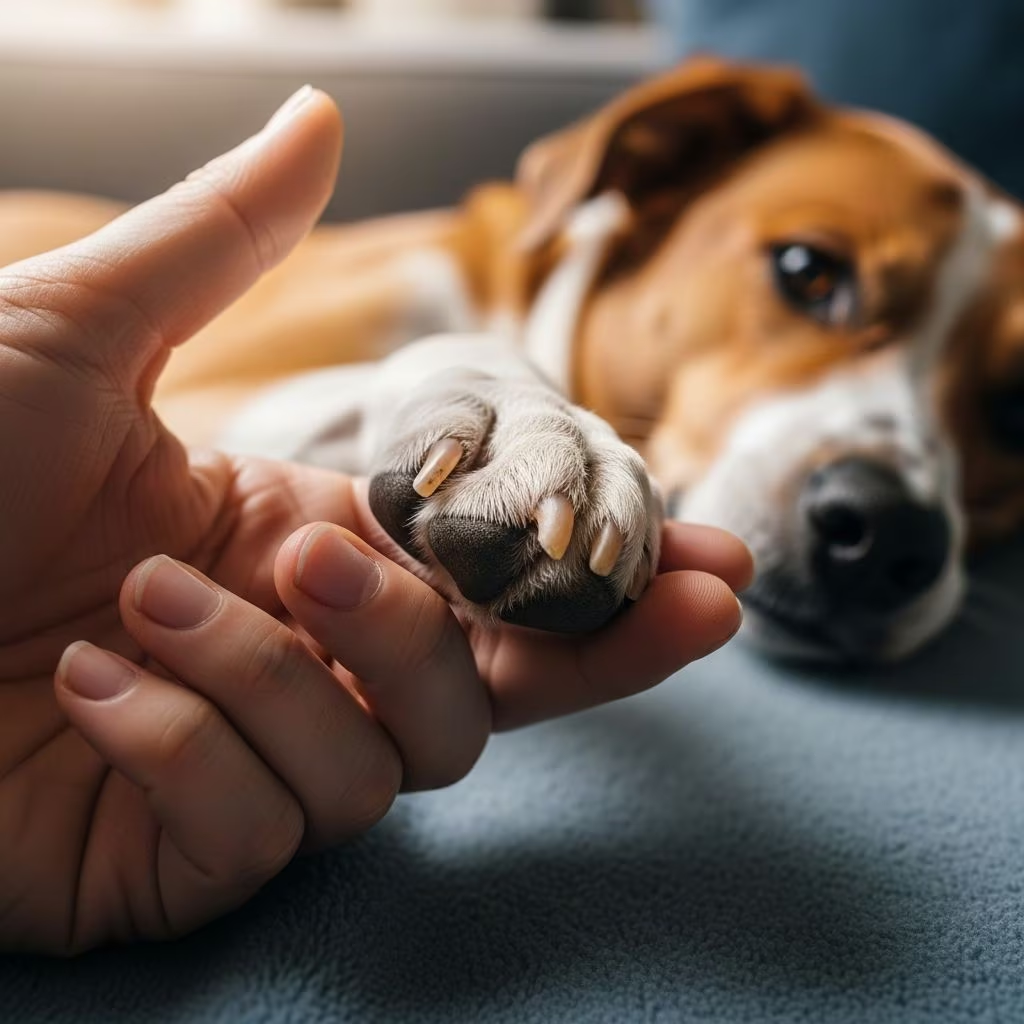
Dogs biting their nails is a common behavior that can range from occasional nibbling to obsessive chewing. This habit often signals underlying issues like discomfort, allergies, or emotional distress, prompting dogs to self-soothe by gnawing on their paws and nails. Understanding the root causes is crucial for pet owners to provide timely intervention and prevent complications such as infections or pain. This comprehensive guide explores the primary reasons dogs engage in nail-biting, backed by veterinary insights, and offers actionable solutions to address each cause effectively.
Common Causes of Nail Biting in Dogs
Dogs bite their nails for various physical and psychological reasons. Identifying the trigger requires observing accompanying symptoms like limping, redness, excessive licking, or behavioral changes. Below, we break down the most frequent culprits.
Allergies and Skin Irritations
Allergies top the list as a leading cause of nail biting, triggering intense itching that dogs relieve by chewing their paws. There are three main types:
- Food Allergies: Reactions to proteins like chicken, beef, or grains cause skin inflammation and itching, often concentrated on paws. Symptoms include red, inflamed skin; switching to a hypoallergenic diet can resolve this.
- Environmental Allergies (Atopy): Pollen, dust mites, mold, or grass provoke atopic dermatitis, leading to paw-focused chewing. Dogs may also show watery eyes or ear infections; vets may recommend antihistamines or immunotherapy.
- Contact Dermatitis: Exposure to irritants like pesticides, soaps, or grasses causes localized itching.
Dry skin from low humidity, cold weather, or wind exposure worsens these issues, making paws flaky and irresistible to chew.
Overgrown, Ingrown, or Broken Nails
Nail problems directly cause discomfort, compelling dogs to bite in an attempt to trim or soothe them. Key issues include:
- Overgrown Nails: Without regular trimming, nails press into paw pads, causing pain during walks and potential curling into skin.
- Ingrown Nails: Curled nails pierce surrounding flesh, leading to pain and infection risk; dogs chew to alleviate pressure.
- Broken or Split Nails: Active dogs often snag nails, exposing sensitive quick tissue that bleeds and hurts, prompting licking and biting.
Regular nail maintenance prevents these; aim for trims every 4-6 weeks or use a grinder for safety.
Parasitic Infections
Fleas, ticks, mites, and other parasites burrow into skin, causing relentless itching concentrated on paws and nails. Flea dermatitis, for instance, results in red, inflamed hotspots that dogs chew obsessively. Even invisible mites like demodex can trigger this; check for black flea dirt or excessive scratching. Prompt flea preventatives and vet-prescribed treatments are essential to break the cycle.
Injuries and Foreign Objects
Paws are prone to trauma from thorns, glass, or rough play, leading to limping and nail biting as dogs try to remove debris or ease pain. A stuck foxtail or splinter can cause compulsive chewing; inspect pads thoroughly and seek vet care for embedded objects.
Fungal and Bacterial Infections
Infections often follow injuries or allergies, with fungal types causing soft, rough nails and bacterial ones leading to swollen, oozing claws. Symptoms include limping, discharge, and foul odor; untreated cases spread and worsen nail biting. Vets diagnose via culture and prescribe antifungals or antibiotics.
Stress, Anxiety, and Boredom
Psychological factors mimic human nail-biting, with dogs turning to paws during stress from separation, loud noises, or routine changes. Boredom in understimulated dogs leads to compulsive habits; signs include pacing or destructive chewing elsewhere. Enrichment like puzzle toys helps.
Orthopedic Pain and Other Medical Issues
Underlying conditions like arthritis or hip dysplasia cause compensatory paw chewing due to gait discomfort. Pain from yeast infections or tumors is rarer but serious; holistic vet exams rule these out.
How to Stop Your Dog from Biting Their Nails
Addressing nail biting starts with pinpointing the cause through observation and veterinary consultation. Here’s a step-by-step approach:
- Inspect Paws Daily: Check for redness, swelling, foreign objects, or nail damage. Clean gently with antiseptic wipes.
- Trim Nails Properly: Use dog-specific clippers or a Dremel; cut small amounts to avoid the quick. Professional grooming every 6-8 weeks maintains length.
- Treat Allergies: Trial hypoallergenic food for 8-12 weeks; use medicated shampoos or apoquel for atopy per vet advice.
- Parasite Control: Monthly topicals or orals like Nexgard prevent infestations.
- Manage Infections: Follow vet-prescribed meds; soak paws in Epsom salt for mild cases.
- Reduce Stress: Provide exercise (30-60 min daily), mental toys, and calming aids like Adaptil diffusers.
- Protect Paws: Booties shield from irritants; moisturizers combat dry skin.
Monitor progress; if biting persists beyond two weeks of home care, advanced diagnostics like allergy testing or X-rays may be needed.
When to See a Vet
Consult a veterinarian immediately if nail biting accompanies limping, bleeding, pus, hair loss, or behavioral shifts. Chronic cases signal deeper issues; early intervention prevents secondary infections. Expect exams, cytology, or bloodwork for accurate diagnosis.
| Symptom | Possible Cause | Action |
|---|---|---|
| Red, itchy paws | Allergies/Parasites | Vet allergy test, flea treatment |
| Broken nail, bleeding | Injury | Immediate trim/stabilize, vet if deep |
| Swollen, oozing nails | Infection | Antibiotics/antifungals |
| Obsessive without physical signs | Anxiety/Boredom | Behaviorist, enrichment |
Prevention Tips for Healthy Paws
Proactive care keeps nails intact:
- Consistent nail trims and paw inspections.
- Balanced diet with omega-3s for skin health.
- Year-round parasite prevention.
- Adequate exercise and socialization to curb anxiety.
- Seasonal paw balms for weather protection.
Frequently Asked Questions (FAQs)
Is it normal for dogs to bite their nails occasionally?
Occasional nibbling during grooming is normal, but excessive biting indicates a problem requiring attention.
Can nail biting cause infections?
Yes, chewing introduces bacteria, leading to painful infections; clean and protect promptly.
How often should I trim my dog’s nails?
Every 4-6 weeks, or when you hear clicking on floors.
Does diet affect paw chewing?
Absolutely; food allergies are common triggers—consult a vet for elimination diets.
Can anxiety meds help with nail biting?
For compulsive cases, vets may prescribe anti-anxiety meds alongside behavior modification.
This guide empowers you to decode and resolve your dog’s nail-biting habit, ensuring happier, healthier paws. Persistent issues warrant professional care for tailored solutions.
References
- Why do dogs bite their nails? Causes & Solutions — PeaksNPaws. 2023. https://www.peaksnpaws.com/blogs/dog-chews-toys/why-dogs-bite-their-feet-and-nails-causes-and-solutions
- Why is my dog biting their nails? — Purely Pets Insurance. 2023. https://www.purelypetsinsurance.co.uk/blogs/why-is-my-dog-biting-their-nails/
- Dogs and Compulsive Scratching, Licking, and Chewing — WebMD. 2024-01-15. https://www.webmd.com/pets/dogs/dogs-and-compulsive-scratching-licking-and-chewing
- Why Is My Dog Chewing Their Nails And Licking Their Paws? — BARK. 2023. https://bark.co/blogs/health/why-is-my-dog-licking-their-paws
- Why is my Dog Biting Their Nails? — Levan Road Veterinary Hospital. 2023. https://levanroadvet.com/blog/dog-biting-nails/
- Is your dog biting their nails obsessively? Here’s what to do — BetterPet. 2023. https://www.betterpet.com/learn/dog-biting-nails
- Why Is My Dog Biting Its Nails? — SpiritDog Training. 2023. https://spiritdogtraining.com/behavior/why-is-my-dog-biting-its-nails/



