

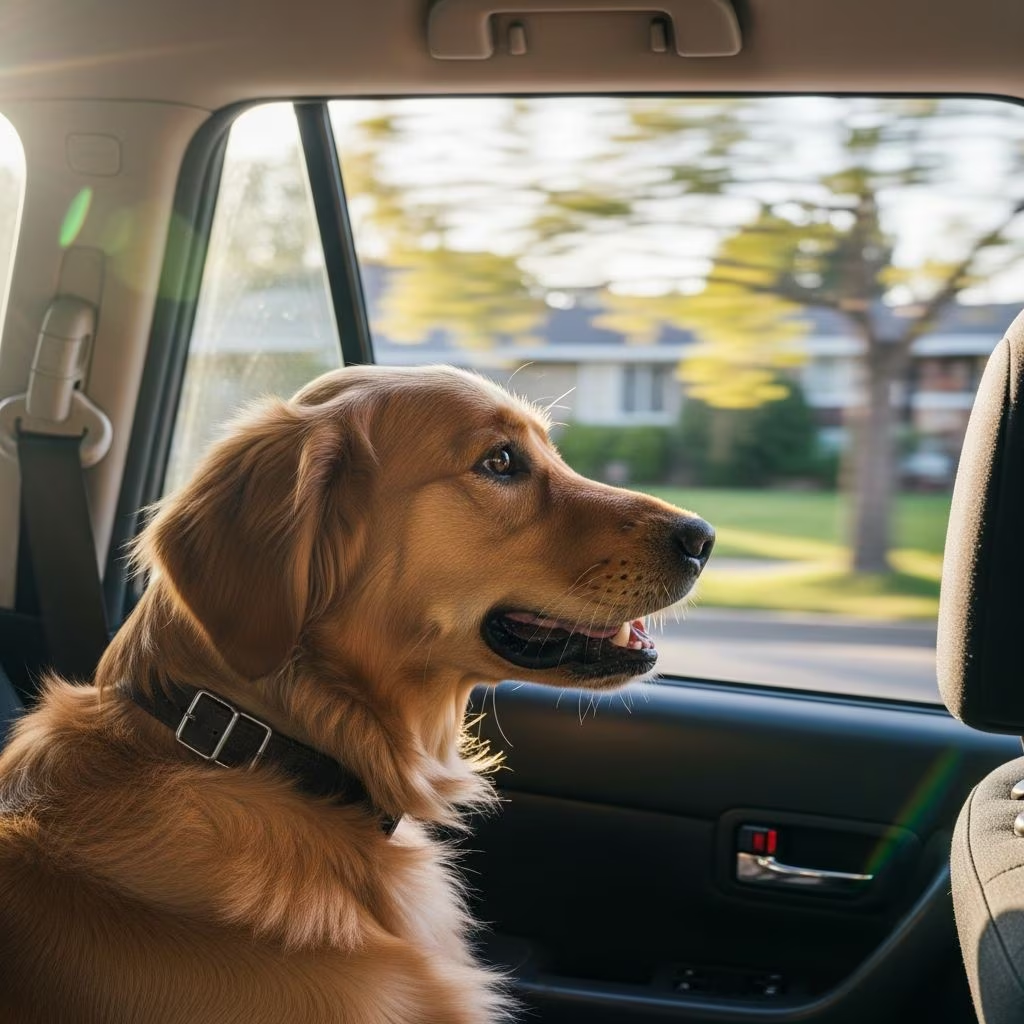
Dogs barking in the car can turn every drive into a stressful ordeal for both pet and owner. Whether it’s high-pitched yips of excitement or deep, repetitive woofs at passing traffic, understanding the root causes is the first step to a peaceful ride. This comprehensive guide explores the common reasons dogs vocalise during car trips and provides practical, evidence-based solutions to curb the behaviour.
Common Reasons Dogs Bark in Cars
Canine communication through barking serves multiple purposes, but in vehicles, it often stems from heightened emotions amplified by motion, confinement, and external stimuli. Veterinary behaviourists note that context, body language, and bark pitch are key indicators. High-pitched, frantic barks typically signal excitement or frustration, while lower, rhythmic ones may indicate alertness or boredom.
Fear and Anxiety
The most prevalent cause is **car-related anxiety**, where unfamiliar motion, sounds, or past negative associations trigger a fear response. Dogs may associate cars with vet visits or abandonment, leading to tense, whiny barks accompanied by panting, trembling, or lip-licking. Studies show environmental noises like engine rumbles exacerbate stress, increasing heart rates similarly to startling sounds such as baby cries.
- Pacing or inability to settle in the car
- Tail tucking and avoidance of entering the vehicle
- Barking intensifies at starts, stops, or turns
Smaller breeds or rescues with trauma histories are particularly prone, but any dog can develop this if early rides were unpleasant.
Excitement and Overstimulation
Conversely, some dogs bark out of sheer **joy** at the prospect of adventure. Tail-wagging, playful bounces, and high-pitched yelps greet car trips as gateways to walks or parks. Passing scenery—other dogs, cyclists, or pedestrians—provides endless triggers, turning the dog into an overexcited commentator.
This ‘excited barking’ is rhythmic and repetitive, often escalating with speed or traffic density. Energetic breeds like Terriers or Herding dogs thrive on stimulation but lack an ‘off’ switch in confined spaces.
Territorial or Alert Barking
Dogs view cars as mobile territories, barking to ward off ‘intruders’ like pedestrians or vehicles. This protective instinct manifests as deep, warning barks with stiff posture and forward ears. Urban environments amplify it, with frequent passersby mimicking threats.
Boredom and Frustration
Long drives without engagement lead to **boredom barking**—monotone, persistent woofs from understimulated minds. Confined space prevents natural outlets like sniffing or chasing, building frustration akin to crate whining.
Motion Sickness
Physical discomfort from **motion sickness** prompts distressed vocalisations. Symptoms include drooling, vomiting, or uneasy whines, often mistaken for anxiety. Puppies outgrow it, but adults may need medication or acclimation.
How to Stop Your Dog from Barking in the Car
Effective intervention combines management, enrichment, and positive training. Punishment fails, as it heightens stress and reinforces attention-seeking. Instead, focus on prevention and reward-based modification.
Step 1: Desensitisation and Counterconditioning
**Desensitisation** gradually exposes your dog to the car at low intensity, rebuilding positive associations. Start with the engine off:
- Sit with doors open, rewarding calm with treats.
- Progress to short engine runs without driving.
- Take brief trips, increasing duration as tolerance builds.
**Counterconditioning** pairs car presence with rewards, shifting emotions from fear to anticipation. Use high-value treats like chicken only in the car. Consistency is crucial—expect an initial ‘extinction burst’ of increased barking before improvement.
Step 2: Create a Calm Environment
Optimise the car setup for security:
| Solution | Benefit |
|---|---|
| Secure harness or crash-tested crate | Reduces movement-induced anxiety |
| Window coverings or one-way film | Blocks visual triggers |
| White noise machine or calming music | Masks external sounds |
| Familiar blanket with your scent | Provides comfort |
Feed meals in the car to foster positivity. Avoid feeding heavy meals pre-trip to prevent sickness.
Step 3: Training Exercises
Teach a ‘quiet’ cue or ‘look at me’:
- When barking starts, calmly say ‘quiet’ and reward silence.
- Use a clicker for precise timing.
- Practice ‘settle’ on a mat with chew toys for mental fatigue.
For demand barking, ignore until quiet, then engage. Daily obedience sessions build impulse control transferable to cars.
Management During Drives
Keep dogs ‘under threshold’—below trigger intensity. If reactivity spikes, increase distance via route planning. Redirect with toys or verbal check-ins, praising focus on you.
Advanced Solutions for Stubborn Cases
If basics fail, consider:
- Professional Help: Certified behaviourists use protocols like BAT (Behaviour Adjustment Training).
- Calming Aids: Thunder shirts, Adaptil diffusers, or vet-prescribed anti-anxiety meds for severe phobia.
- Enrichment Boost: Pre-trip exercise drains energy; puzzle feeders occupy during rides.
Track progress in a journal noting bark triggers, duration, and interventions for pattern insights.
FAQs
Is it normal for dogs to bark in the car?
Occasional barking is normal communication, but excessive or distressed barking signals unmet needs like anxiety or boredom.
My puppy barks in the car—will it stop?
Puppies often outgrow motion sickness and habituate with consistent positive exposure. Start training early for best results.
What if my dog only barks at specific things?
Targeted desensitisation to those triggers (e.g., other dogs) combined with counterconditioning resolves reactivity.
Can medication help?
For diagnosed anxiety, vets may prescribe short-term aids alongside behaviour modification. Never self-medicate.
How long until training works?
Weeks to months, depending on severity. Patience through extinction bursts yields lasting quiet.
Prevention for New Dog Owners
Introduce cars positively from day one: short, fun trips with praise. Socialise to vehicles early to preempt issues. Regular vet checks rule out medical causes like pain prompting barks.
Understanding barking as a symptom, not misbehaviour, empowers owners. With science-backed techniques, car rides can become cherished bonding time rather than cacophony.
References
- What Does It Mean When Your Dog Barks at You? — Adopt a Pet. 2023. https://www.adoptapet.com/blog/behavior-training/what-does-it-mean-when-your-dog-barks-at-you
- Why Is Your Dog Barking the Same Way Over and Over Again? — Kinship. 2023. https://www.kinship.com/dog-behavior/dog-barks-same-way
- How to Fix Your Dog’s Non-Stop Barking — Kinship. 2023. https://www.kinship.com/dog-behavior/stop-dog-barking
- How to Not Lose It When Your Dog Won’t Stop Barking — Kinship. 2023. https://www.kinship.com/dog-behavior/how-to-deal-with-constant-barking
- Dogs Barking and Babies Crying: The Effect of Environmental Noise — PMC (National Library of Medicine). 2024-01-15. https://pmc.ncbi.nlm.nih.gov/articles/PMC10849013/



