

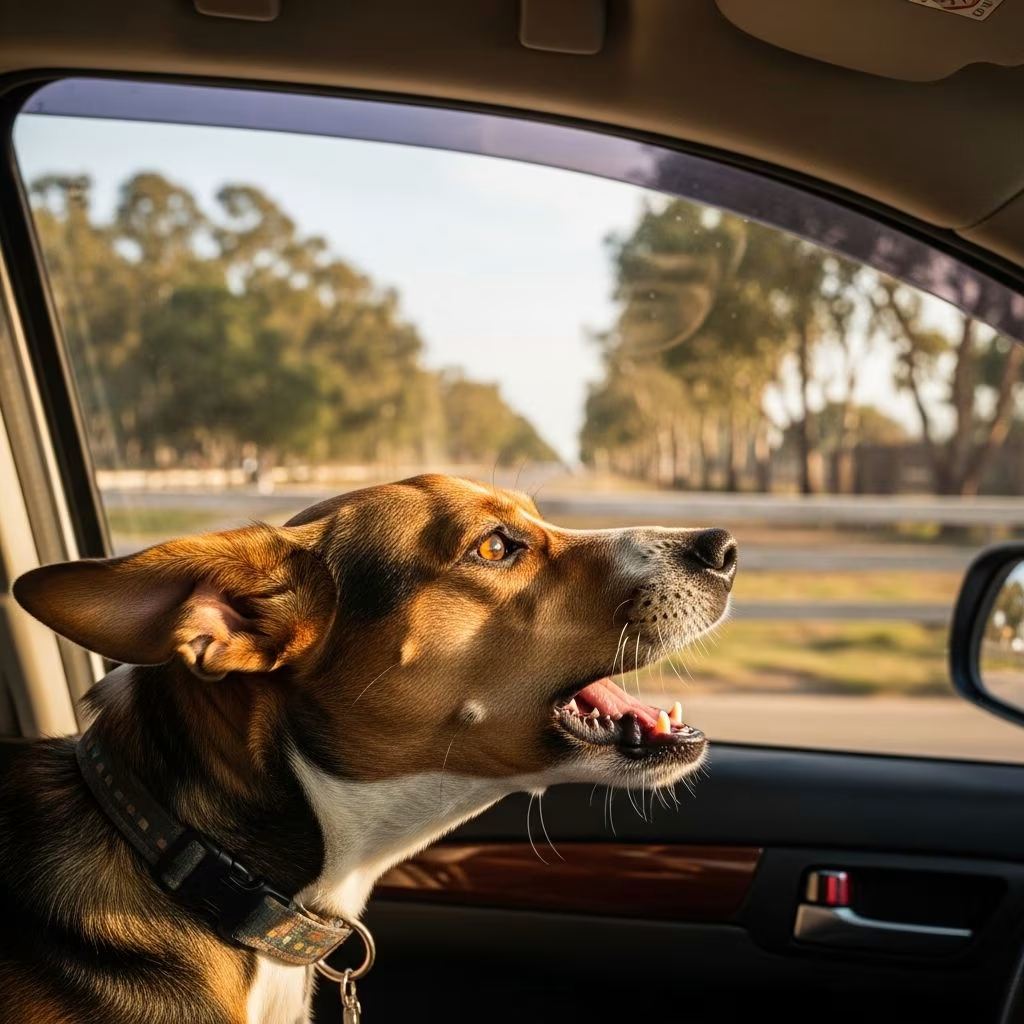
Dogs bark in cars for various reasons, primarily stemming from anxiety, excitement, territorial instincts, or unmet needs like boredom or motion sickness. Understanding these triggers through context, body language, and bark pitch helps address the root cause effectively.
Common Reasons Dogs Bark in Cars
Car rides can overwhelm dogs, leading to barking as their primary communication tool. Research shows barking is context-dependent, varying in pitch, rhythm, and frequency to convey emotions or states. Here’s a breakdown of the most frequent causes:
- Anxiety and Fear: Many dogs associate cars with stress, such as vet visits or separation. High-pitched, frantic barks accompany signs like panting, trembling, lip-licking, or a tucked tail. Unfamiliar environments amplify this, making the car feel unsafe.
- Excitement: High-energy dogs bark joyfully at passing scenery or people. These are typically high-pitched, repetitive barks during play-like anticipation, especially for walks or parks.
- Territorial or Alert Barking: Dogs view the car as their territory, barking at pedestrians, other dogs, or vehicles. Deeper, rhythmic barks signal protection, with stiff posture and focused staring.
- Boredom or Frustration: Long drives without stimulation lead to demanding barks. Repetitive, escalating sounds occur when dogs can’t access toys or attention.
- Motion Sickness or Discomfort: Some dogs whine or bark due to nausea from car motion, often with drooling or vomiting signs.
Observing bark tone—high for excitement/fear, low for warnings—and body language is key to decoding intent.
How to Stop Dog Barking in the Car: Step-by-Step Guide
Stopping car barking requires positive reinforcement, not punishment, which increases stress and worsens behavior. Focus on management, enrichment, desensitization, and training for long-term calm.
1. Preparation Before the Drive
- Exercise your dog vigorously beforehand to reduce excess energy.
- Use calming aids like pheromone collars or anxiety wraps 30 minutes prior.
- Familiarize with a comfy crate or harness secured in the back seat, away from front distractions.
2. During the Drive: Immediate Interventions
Keep dogs “under threshold” by blocking visual triggers with window covers or positioning. Reward quiet moments with treats; ignore or redirect barking without eye contact or scolding.
| Trigger | Response Strategy | Expected Outcome |
|---|---|---|
| Passing dogs/people | Increase distance; mark with “yes!” and treat for calm looks | Redirects focus, reduces reactivity |
| High-speed excitement | Play soft music or white noise; offer chew toys | Masks external sounds, provides mental diversion |
| Separation anxiety | Short, gradual departures with treats; build tolerance | Reduces panic association |
3. Desensitization and Counter-Conditioning
Gradually expose your dog to car stimuli at low intensity. Sit in a parked car with treats, progressing to engine idling, short drives. Pair triggers with rewards to rewire positive associations. Expect an initial “extinction burst” of increased barking—stay consistent.
Training Techniques for Quiet Car Rides
Build alternative behaviors using reward-based methods.
- “Quiet” Command: Teach by holding a treat to nose until quiet, then reward. Practice in low-distraction settings before car use.
- Mat Training: Condition dog to relax on a mat with treats; place in car for security.
- Demand Bark Prevention: Ignore requests; enrich with puzzle toys or snuffle mats to meet needs proactively.
Consistency across family members prevents mixed signals. Track progress in a journal noting triggers, responses, and improvements.
Tools and Products to Reduce Car Barking
- Calming Aids: Adaptil diffusers or ThunderShirts mimic maternal pheromones, reducing anxiety (effective in studies on stress behaviors).
- Secure Restraints: Crash-tested harnesses or crates limit movement and views.
- Enrichment Toys: Kongs stuffed with peanut butter or LickiMats keep dogs occupied.
- Sound Barriers: White noise machines or car soundproofing covers muffle alerts.
- CBD Treats: Vet-approved, natural calmers for severe cases (consult professional first).
When to Seek Professional Help
If barking persists despite consistent efforts, or includes aggression/destruction, consult a certified behaviorist. Rule out medical issues like pain or hearing loss via vet check. Severe separation anxiety may need medication alongside training.
Frequently Asked Questions (FAQs)
Is it normal for dogs to bark in the car?
Yes, barking is a natural canine communication, but excessive car barking often signals unmet needs or stress. It’s manageable with training.
How long does desensitization take?
Varies by dog; mild cases improve in weeks, severe in months. Patience and daily sessions yield best results.
Will punishing barking work?
No—punishment heightens fear and damages trust. Reward quiet behavior instead.
What if my dog barks only on highways?
Likely speed-induced excitement or fear. Use noise blockers and gradual exposure starting slow.
Are some breeds more prone?
Yes, guard breeds (e.g., German Shepherds) bark territorially; hounds bay vocally. Training applies universally.
Long-Term Prevention for Happy Road Trips
Integrate regular positive car experiences, like short joy rides to parks sans vet links. Monitor health—updated vaccines reduce stress trips. With time, cars become neutral or positive spaces, turning barkers into chill passengers.
By addressing root causes with science-backed methods, you’ll foster calmer drives, strengthening your bond. Start small, stay positive, and enjoy the journey.
References
- What Does It Mean When Your Dog Barks at You? — Adopt a Pet. 2023-05-15. https://www.adoptapet.com/blog/behavior-training/what-does-it-mean-when-your-dog-barks-at-you
- Barking in family dogs: an ethological approach — PubMed (Family Process). 2009-01-01. https://pubmed.ncbi.nlm.nih.gov/19181546/
- Why Is Your Dog Barking the Same Way Over and Over Again? — Kinship. 2024-08-20. https://www.kinship.com/dog-behavior/dog-barks-same-way
- How to Fix Your Dog’s Non-Stop Barking — Kinship. 2024-07-10. https://www.kinship.com/dog-behavior/stop-dog-barking
- How to Not Lose It When Your Dog Won’t Stop Barking — Kinship. 2024-06-05. https://www.kinship.com/dog-behavior/how-to-deal-with-constant-barking
- What Is Considered Excessive Dog Barking? — Adopt a Pet. 2023-09-12. https://www.adoptapet.com/blog/behavior-training/what-is-considered-excessive-dog-barking



