

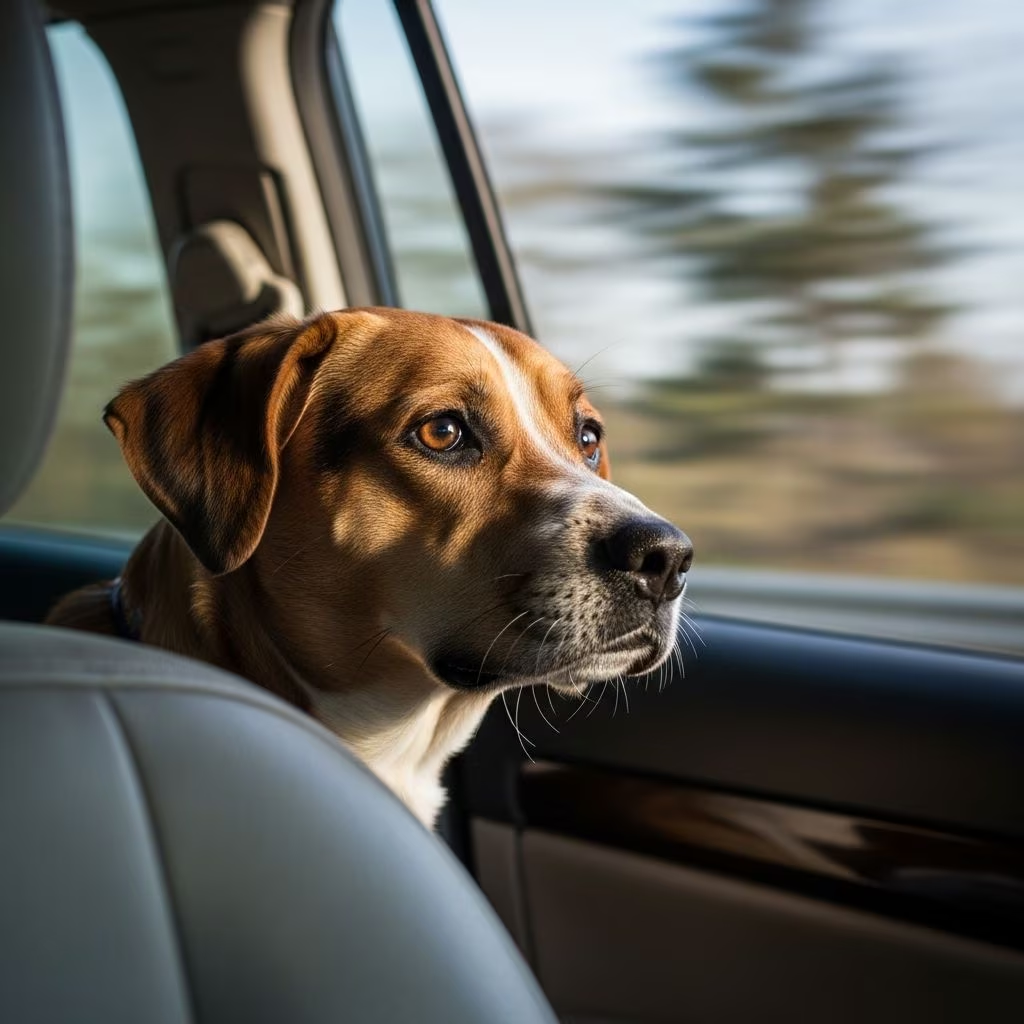
Dogs whining or crying in the car is a common issue that frustrates many pet owners. This vocalization often signals discomfort, anxiety, or excitement during travel. Understanding the root causes helps address the behaviour effectively, ensuring safer and more enjoyable journeys for everyone.
Understanding Dog Whining and Crying
Dogs communicate through various sounds, and whining or crying—high-pitched vocalizations—serve as their way to express needs or emotions. Unlike human tears tied to sadness, dog ‘crying’ typically refers to whimpering or whining rather than emotional tears. Dogs do not produce tears for emotional reasons; instead, watery eyes stem from biological issues like allergies or blocked tear ducts. In the car context, whining often arises from unfamiliar sensations, confinement, or stress.
Whining can indicate multiple triggers: excitement, anxiety, pain, boredom, or attention-seeking. Puppies learn to whine from their mothers, carrying this into adulthood as a communication tool. Context is crucial—observe body language like pacing, trembling, or tail position to decode the message.
Common Reasons Dogs Whine and Cry in the Car
Several factors specific to car travel provoke whining. Here’s a breakdown of the most prevalent causes:
- Motion Sickness: Many dogs, especially puppies, experience nausea from car movement, leading to whining, drooling, or vomiting. This is common in breeds with sensitive inner ears.
- Anxiety and Fear: The car’s motion, sounds, or confinement can trigger stress. Dogs with separation anxiety or noise phobias (e.g., engine rumble) whine to express fear.
- Excitement or Anticipation: If car rides mean walks or vet visits, dogs may whine from overexcitement, similar to greeting loved ones.
- Need for Bathroom Breaks: Long drives without stops cause discomfort, prompting whining near doors or unusual restlessness.
- Boredom or Confinement: Cramped spaces without stimulation lead to frustration, escalating to whining or barking.
- Pain or Medical Issues: Underlying conditions like arthritis worsen in cars; sudden whining with limping warrants a vet check.
| Cause | Signs | Common in |
|---|---|---|
| Motion Sickness | Drooling, vomiting, lethargy | Puppies, brachycephalic breeds |
| Anxiety | Trembling, panting, pacing | Rescue dogs, fearful pups |
| Excitement | Wagging tail, jumping | High-energy breeds |
| Bathroom Need | Sniffing, circling | All dogs on long trips |
| Pain | Guarding area, yelping | Senior dogs, injured pets |
Signs Your Dog is Anxious in the Car
Recognizing anxiety early prevents escalation. Key indicators include:
- Panting heavily despite cool temperatures.
- Whining combined with trembling or flattened ears.
- Attempting to escape or hiding under seats.
- Drooling excessively or dry heaving.
- Avoiding eye contact or cowering.
These behaviours differ from excitement whining, which pairs with playful energy. Chronic signs may indicate separation anxiety, where the car symbolizes owner departure.
How to Stop Your Dog Whining in the Car
Addressing whining requires identifying the cause and implementing targeted strategies. Start with positive associations and gradual desensitization.
Prepare for Success
- Short Practice Rides: Begin with brief trips to fun destinations like parks, rewarding calm behaviour with treats.
- Secure Restraints: Use crash-tested harnesses or crates to reduce motion and provide security.
- Comfort Items: Provide familiar blankets or toys scented with your smell.
Soothe Motion Sickness
For nausea-prone dogs:
- Feed a light meal 3-4 hours before travel.
- Position in the back seat facing forward for stability.
- Consult vets for anti-nausea meds like Cerenia (prescription only).
- Use ginger snaps or vet-approved supplements.
Reduce Anxiety
- Calming Aids: pheromone diffusers (Adaptil), anxiety wraps (ThunderShirt), or CBD treats (vet-approved).
- Desensitization Training: Play car engine recordings at low volume, gradually increasing while rewarding quietness.
- Music Therapy: Classical music or dog-specific playlists reduce stress hormones.
Prevent Boredom
Keep pups engaged:
- Kong toys stuffed with peanut butter.
- Puzzle feeders or sniff mats.
- Frequent stops for exercise and potty breaks every 1-2 hours.
Avoid punishment, as it heightens fear. Consistency is key—ignore attention-seeking whines but reward silence.
Training Tips for Happy Car Rides
Build positive car associations through structured training:
- Introduce the Car Stationary: Let your dog explore with treats inside a parked car.
- Engine On: Sit with them, offering praise for calm demeanour.
- Short Drives: 5-minute trips increasing duration, always ending positively.
- Crate Training: Practice crating at home first; many whine during initial confinement.
- Professional Help: For severe cases, consult certified trainers or veterinary behaviourists.
Patience yields results—most dogs improve within weeks. Track progress in a journal noting triggers and responses.
Medical Causes and When to See a Vet
Not all whining is behavioural. Rule out health issues:
- Joint Pain: Whining on movement suggests arthritis.
- Ear Infections: Head shaking with cries.
- GI Upset: Vomiting or diarrhoea post-rides.
- Eye Issues: Excessive tearing from allergies or glaucoma.
See a vet if whining is sudden, persistent, or with symptoms like lethargy, appetite loss, or aggression. Diagnostics may include exams or bloodwork.
Frequently Asked Questions (FAQs)
Why does my dog only whine in the car?
Car-specific triggers like motion, confinement, or past negative experiences (e.g., vet trips) cause this. Desensitization helps rewire associations.
How long does it take to train a dog not to whine in the car?
Typically 2-4 weeks with consistent daily short sessions, varying by dog’s age and temperament.
Is it safe to give my dog medication for car whining?
Only vet-prescribed options like anti-anxiety or anti-nausea drugs. Never use human meds.
Can puppies outgrow car whining?
Yes, many do by 6-12 months with proper training, though some need ongoing management.
What if my dog pants and whines excessively?
This signals high stress or heat exhaustion—stop, cool down, and hydrate immediately.
Long-Term Solutions for Stress-Free Travel
For avid travellers:
- Invest in travel crates with ventilation.
- Join dog-friendly road trip communities for tips.
- Schedule regular vet check-ups for travel health certs.
- Combine exercise pre-trip to tire them out.
Ultimately, turning car rides into positive experiences strengthens your bond and makes outings fun. With empathy and consistency, whining fades, paving the way for adventure-ready pups.
References
- Can Dogs Cry Tears? Understanding Dog Emotions & Whining — Purina. 2023-05-15. https://www.purina.com/articles/dog/behavior/understanding-dogs/can-dogs-cry
- Why Is My Dog Whining? — Zoetis Petcare. 2024-02-10. https://www.zoetispetcare.com/blog/article/why-dog-whining
- Understanding Dog Whining: Causes and How to Stop It — Brown Vet Hospital. 2023-11-20. https://brownvethospital.com/blog/dog-whining/
- Why Is My Dog Whining So Much? — Bowman Veterinary Hospital. 2024-01-05. https://www.bowmanvet.com/blog/why-is-my-dog-whining-so-much/
- Why Do Dogs Whine? 5 Reasons and Ways to Help — Nylabone. 2023-08-12. https://www.nylabone.com/dog101/why-do-dogs-whine
- How To Stop Your Dog From Whining | Chewtorials — YouTube (Anti-Cruelty Society channel). 2022-07-18. https://www.youtube.com/watch?v=w5u05A5OKg0



