

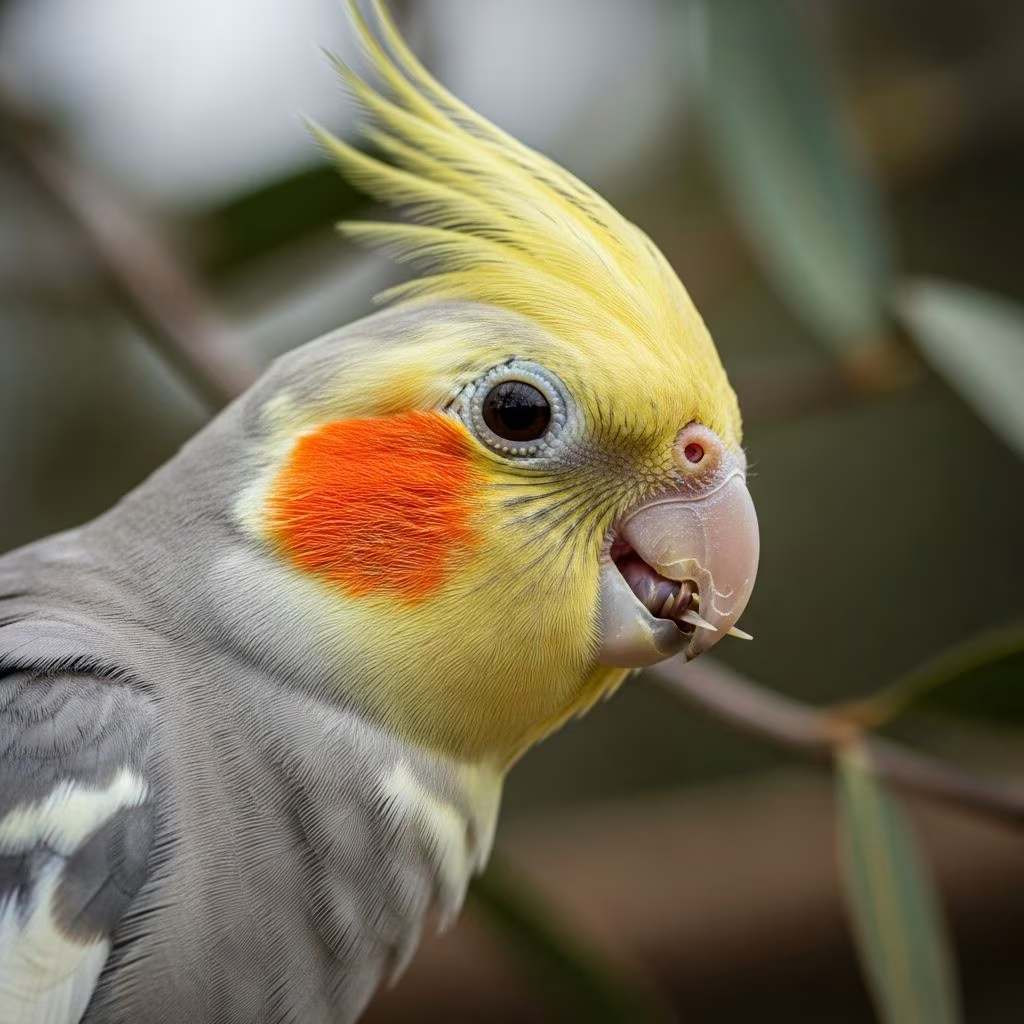
Why Do Cockatiels Grind Their Beaks? Understanding Your Pet’s Behavior
If you have noticed your cockatiel making a distinctive grinding or crunching sound with their beak, you may have wondered whether something is wrong. The good news is that beak grinding is a completely normal and healthy behavior in cockatiels and other parrots. Rather than being a sign of distress or pain, beak grinding typically indicates that your feathered companion is content, relaxed, and preparing for rest. Understanding this behavior will help you recognize when your cockatiel is comfortable and will give you greater insight into their emotional state.
What Is Beak Grinding?
Beak grinding occurs when a cockatiel rubs their upper and lower beaks together in a side-to-side motion, creating a soft, raspy, or crunching sound. This behavior is often accompanied by other signs of relaxation, including fluffed plumage, tucked feet, and a generally calm demeanor. The grinding motion is gentle and deliberate, distinguishing it from aggressive beak snapping or clicking. When you observe your cockatiel grinding their beak, they are typically perched comfortably, often with one leg tucked up into their body feathers, which is a classic resting posture for birds.
The sound produced during beak grinding is usually soft and subtle, though it may be more audible in quiet environments. Many bird owners find this sound quite soothing and calming, as it often signals that their pet is in a peaceful state of mind. The consistency and rhythm of the grinding can vary from bird to bird, but the behavior itself remains consistent across cockatiel individuals.
Why Cockatiels Grind Their Beaks
Scientists have not yet definitively established all the reasons why cockatiels engage in beak grinding, but extensive observation of bird behavior has revealed several compelling explanations. The most widely accepted theory is that beak grinding serves as a pre-sleep ritual, similar to how humans might follow a bedtime routine. Cockatiels appear to use this behavior to help themselves settle down and prepare for sleep, often grinding their beaks right before they doze off.
Contentment and Relaxation
The primary indicator associated with beak grinding is contentment. When your cockatiel grinds their beak, they are communicating through body language that they feel safe, secure, and comfortable in their environment. This behavior demonstrates that your bird trusts you and their surroundings enough to enter a state of relaxation. A grinding cockatiel is not experiencing stress or anxiety; rather, they are in a positive emotional state that pet owners should welcome and appreciate.
Pre-Sleep Ritual
Beak grinding typically occurs as part of a consistent nighttime routine, often appearing like clockwork before your cockatiel settles in for sleep. Many cockatiels also engage in this behavior before taking daytime naps. This pattern strongly suggests that beak grinding functions as a self-soothing mechanism that helps birds transition from wakefulness to sleep. The routine nature of this behavior indicates that it may be an instinctive action that has evolved to help birds prepare their minds and bodies for rest.
Natural Maintenance
While some bird owners speculate that beak grinding helps maintain and trim the beak naturally, there is currently no conclusive scientific evidence supporting this theory. Although the grinding motion might have a minor effect on beak condition, it is not considered the primary reason for the behavior. Birds maintain their beaks through other means, such as chewing on appropriate toys and cuttlebones, which are specifically designed for beak care.
Body Language Associated with Beak Grinding
Understanding the complete picture of your cockatiel’s body language when they grind their beak is essential for accurate interpretation. Several physical signs accompany healthy beak grinding and help confirm that your bird is in a relaxed state:
- Fluffed-up feathers that make the bird appear rounder and softer
- One foot tucked up into body feathers
- Closed or half-closed eyes
- Preening behavior or gentle feather grooming
- Wing stretching or yawning
- Sitting quietly on the perch without vocalization
- Lack of any obvious signs of distress or agitation
When you observe your cockatiel displaying multiple signs from this list simultaneously, you can be confident that the beak grinding indicates genuine relaxation and contentment. Your bird is essentially communicating that they feel at ease and secure in your presence.
What Beak Grinding Is NOT
It’s important to clarify several misconceptions about cockatiel beak grinding to avoid unnecessary worry about your pet’s health and wellbeing.
Not Painful or Harmful
Beak grinding does not cause pain or discomfort to your cockatiel. If the behavior caused pain, your bird simply would not perform it. Birds are naturally averse to activities that cause them pain, so the voluntary and consistent nature of beak grinding is itself evidence that the behavior is comfortable and harmless.
Not a Sign of Stress
Unlike teeth grinding in humans, which can be associated with anxiety, stress, or sleep disorders, beak grinding in cockatiels is not linked to psychological or emotional distress. In fact, it indicates the opposite—a calm and content bird. If your cockatiel is stressed, they will display very different behaviors.
Not an Attempt to File or Trim the Beak
While some might assume that beak grinding is designed to keep the beak worn down and appropriately sized, this is a misnomer. Birds maintain their beaks through other methods, particularly by chewing on toys, wooden perches, and cuttlebones. If you’re concerned about your cockatiel’s beak condition, providing appropriate chewing materials is the most effective approach.
Distinguishing Beak Grinding from Other Behaviors
Cockatiels produce various sounds and perform multiple behaviors involving their beaks. Understanding the differences between these behaviors will help you accurately interpret what your bird is communicating.
Beak Clicking
Clicking occurs when your cockatiel rapidly opens and closes their beak, producing sharp clicking sounds. Unlike the gentle grinding of a relaxed bird, beak clicking is most often associated with playfulness or excitement. However, the context matters significantly, as clicking can sometimes indicate aggression or a threat. Observe your bird’s overall body language and the situation surrounding the clicking to determine whether it represents positive excitement or a warning.
Beak Banging
When your cockatiel strikes their beak against objects, toys, or even mirrors, they are typically seeking attention. Beak banging can also be part of courtship behavior in paired birds or those exposed to potential mates. This behavior is accompanied by other display behaviors such as foot stomping, raised and extended crest feathers, and strutting movements. It differs from beak grinding in both the method and the emotional context.
Beak Snapping
Beak snapping is a clear sign of aggression in a highly agitated or threatened bird. This sharp, deliberate snapping of the beak is a warning signal that your cockatiel is upset and may bite if provoked. Never ignore beak snapping, as it is a bird’s way of communicating that they need space and should not be handled at that moment.
Signs of Stress to Distinguish from Beak Grinding
While beak grinding indicates contentment, stressed cockatiels display entirely different behaviors. It’s important to recognize these stress signals so you can address any underlying concerns:
- Loss of appetite or refusal to eat
- Significant changes in vocalization patterns
- Excessive pacing or restless movement
- Feather plucking or self-mutilation
- Aggressive biting or lunging
- Tail bobbing or rapid movement
- Flattened crest feathers
- Flight stance or attempt to escape
- Fanned tail feathers
- Pinned or dilated iris
- Hissing or other aggressive vocalizations
If your cockatiel displays any of these stress indicators, especially in combination with each other, consult with an avian veterinarian to identify and address the underlying cause. Stress in birds can lead to serious behavioral and health problems if not properly managed.
When to Be Concerned About Beak Grinding
While beak grinding is generally a positive behavior, certain patterns warrant closer attention and possible veterinary evaluation.
Excessive or Continuous Grinding
Beak grinding becomes a potential concern when your cockatiel engages in it excessively or continuously, particularly outside of normal resting periods. Normal beak grinding occurs for short intervals before sleep or during relaxation. If your bird is grinding constantly throughout the day, this may indicate an underlying health or behavioral issue.
Accompanied by Behavioral Changes
If excessive beak grinding is accompanied by changes in vocalization patterns, appetite loss, or altered behavior, schedule a veterinary examination. These combinations of symptoms may indicate pain, illness, or nutritional deficiencies that require professional assessment.
Visible Beak Damage
Observable damage to the beak, including overgrowth, cracking, peeling, or asymmetry, warrants veterinary evaluation regardless of beak grinding behavior. Beak damage can result from nutritional deficiencies, infections, or metabolic disorders that need professional treatment.
Supporting Natural Behaviors with Enrichment
To encourage healthy beak grinding and overall contentment in your cockatiel, provide an enriching environment that supports natural behaviors.
Appropriate Chewing and Foraging Toys
Offer a variety of toys designed for safe chewing and exploration. These toys provide mental stimulation and give your cockatiel appropriate outlets for their natural chewing instincts. Rotate toys regularly to maintain novelty and engagement.
Varied Perching Options
Provide natural wood perches of different diameters and textures. These allow your bird to exercise their feet and grip muscles while supporting natural behaviors. Natural perches also facilitate beak maintenance through gentle wear.
Proper Sleep Environment
Ensure your cockatiel has a quiet, dark space where they can settle down for the night without disruption. Proper sleep is essential for their physical and emotional health, and beak grinding is often part of their sleep preparation routine. Most cockatiels need 10-12 hours of sleep per night for optimal health.
Cockatiel Habits and Routines
Cockatiels are creatures of habit that thrive on consistent routines. Understanding their natural rhythms helps you recognize normal behaviors and anticipate their needs. Most cockatiels maintain regular schedules for feeding, vocalizing, and resting. Morning and late afternoon are typically times when cockatiels call and sing most actively, while evening is usually reserved for winding down and preparing for sleep. Beak grinding fits naturally into this evening routine as a calming ritual that signals the transition to rest.
Frequently Asked Questions (FAQs)
Q: Is beak grinding painful for my cockatiel?
A: No, beak grinding is not painful. If it were, your cockatiel would not voluntarily perform this behavior. It is a sign of contentment and relaxation.
Q: How often should my cockatiel grind their beak?
A: Normal beak grinding typically occurs daily as part of your cockatiel’s pre-sleep routine. The frequency may vary by individual bird, but regular grinding is a positive sign of good emotional health.
Q: Can beak grinding indicate illness?
A: Normal beak grinding does not indicate illness. However, excessive grinding combined with other symptoms like appetite loss or behavioral changes may warrant veterinary evaluation to rule out underlying health issues.
Q: Is beak grinding the same as teeth grinding in humans?
A: No. Human teeth grinding is often associated with stress and sleep disorders, whereas beak grinding in birds indicates relaxation and contentment. These are fundamentally different behaviors with different underlying causes.
Q: Should I try to prevent my cockatiel from grinding their beak?
A: No, you should not prevent beak grinding. This is a healthy, natural behavior that indicates your cockatiel is content and preparing for sleep. Encouraging this behavior by maintaining a calm evening environment supports your bird’s wellbeing.
Q: What should I do if my cockatiel grinds their beak excessively?
A: If beak grinding is excessive or continuous, especially outside normal sleep times, consult with an avian veterinarian. Provide appropriate toys and enrichment, and ensure your bird has a proper sleep schedule and quiet rest environment.
References
- Is Beak Grinding in Cockatiels Bad? Vet-Verified Bird Behavior — Hepper. 2024. https://articles.hepper.com/beak-grinding-cockatiels/
- Why Do Cockatiels Grind Their Beaks? — Chewy Editorial Team. 2025. https://www.chewy.com/education/bird/cockatiel/why-do-cockatiels-grind-their-beaks
- Why Do Parrots Grind Their Beaks — TheParrotTeacher. July 22, 2024. https://www.youtube.com/watch?v=Md7OIcTD328



