

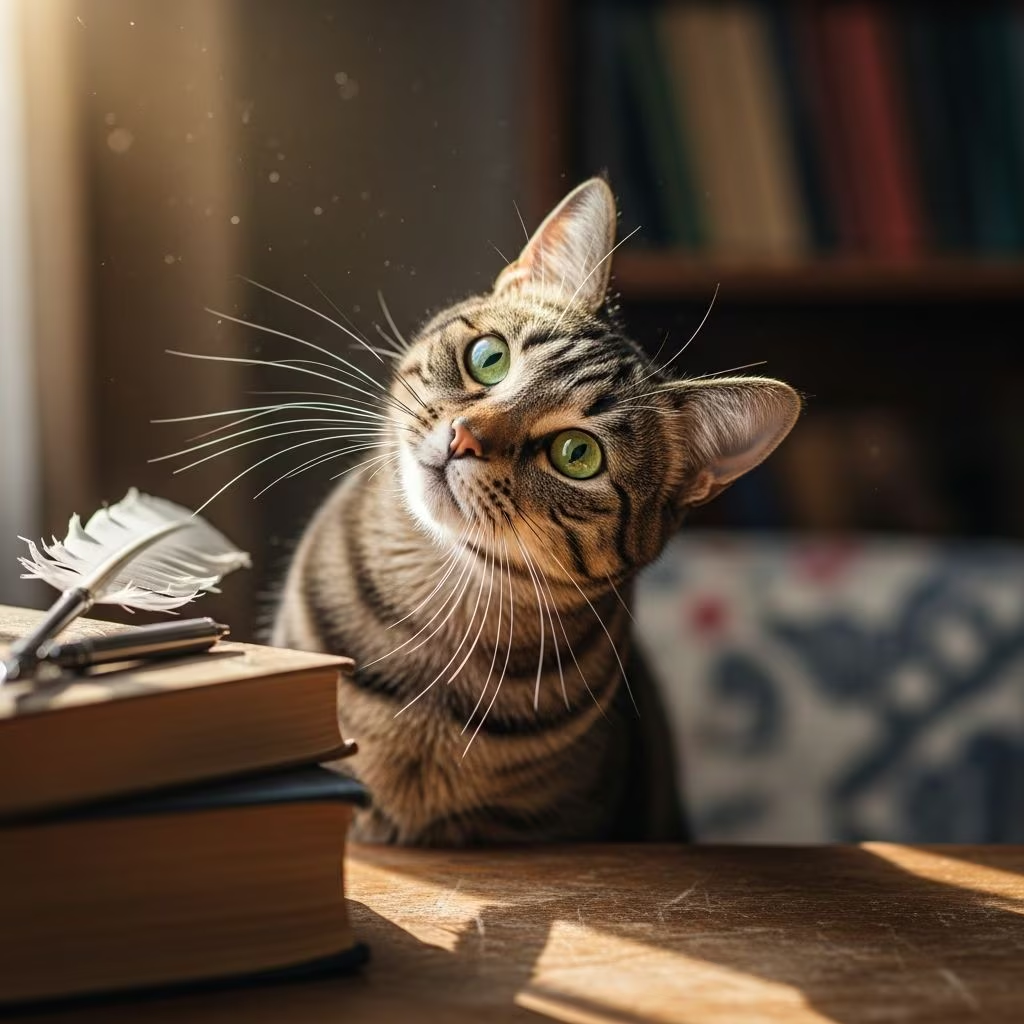
Cats captivate us with their enigmatic behaviours, from profound emotional bonds to playful antics and misunderstood signals. This comprehensive guide dives into the ‘why’ behind common feline traits, drawing on research and expert insights to help cat parents better understand their companions.
Nearly Half of Cat Parents Would Choose Their Pet Over People
New research highlights the extraordinary depth of human-cat relationships. Nearly one in five UK cat parents (18 percent) describe their feline as their “reason for being,” while 65 percent feel others don’t fully grasp this bond. Over four in ten (41 percent) value their cat more than people, and 35 percent find cats easier to understand than humans.
This disconnect stems from cats’ unique personalities, as noted by Dr. Tammie King from the Waltham Petcare Science Institute. “Every cat is unique; different things make different cats happy,” she explains, emphasizing the need to celebrate these traits. Such bonds inspire devotion: 49 percent of cat parents buy specialized furniture like thrones or heated sofas for their pets. Cats provide emotional support rivaling human connections, making them integral family members.
Cats vs Dogs: Key Behavioural Differences
Cats and dogs offer distinct companionship styles. Cats embody independence, self-entertaining with ease and thriving in small spaces like apartments. They require low maintenance, no walks, and remain relatively quiet, beyond occasional meows.
- Independence: Cats entertain themselves and handle alone time well during travel.
- Space efficiency: Ideal for urban living, transforming nooks into playgrounds.
- Grooming and care: Lower upkeep than dogs, with litter tray convenience.
- Companionship: Selective cuddles provide comfort without constant demand.
However, cats prefer solitary activities over dogs’ pack-oriented bonding. They generally cost less and live longer.
| Aspect | Cats | Dogs |
|---|---|---|
| Independence | High | Low |
| Space Needs | Small | Large |
| Exercise | Indoor play | Daily walks |
| Noise Level | Quiet | Vocal |
| Lifespan | Longer | Shorter |
This comparison underscores why cats suit busy lifestyles.
Why Do Pets Love Playing With Wrapping Paper?
Wrapping paper fascinates cats due to its sensory appeal. The crinkling sound mimics prey, triggering hunting instincts even in indoor cats. New textures, sounds, and movements provide stimulation.
Experts like Dr. Aimee Warner note cats seek novel experiences; the paper’s rustle and feel excite them. Shannon Kenny adds it could signal territory marking via pheromones or simple exploration. Boredom amplifies this, leading to chewing or shredding if unstimulated.
- Sensory triggers: Crinkle sounds evoke prey.
- Tactile fun: Unique texture for paws and body.
- Instinctual play: Movement imitates hunting.
- Boredom buster: Fills stimulation gaps.
Providing toys replicates this safely.
Debunking Common Cat Myths
Cats’ mystique fuels misconceptions. Far from aloof loners, they form strong social bonds with humans and other cats, thriving on interaction despite independence. Ancient Egyptians revered them for good reason.
- Myth: Cats are solitary. Reality: Social animals who bond deeply.
- Myth: They only purr when happy. Purring can signal stress too.
- Myth: Always land on feet unharmed. They right themselves but risk injury.
- Myth: Milk is essential. Many are lactose intolerant.
Understanding context dispels these.
Why Cats Need Daily Play: Benefits and Tips
Daily play is vital for cats’ well-being, combating winter blues with less daylight. It prevents obesity, reduces aggression, and curbs destructive behaviours.
Joey Lusvardi, certified behaviour consultant, states play meets hunting needs, averting ankle attacks. Albert Colominas notes bored cats turn to mischief without outlets.
- Physical health: Burns calories, fights obesity.
- Mental stimulation: Reduces stress and boredom.
- Behaviour control: Lowers aggression and destruction.
Tips: Use interactive toys 15-20 minutes daily, mimic prey movement.
Humans Struggle Reading Cats’ Negative Emotions
People excel at spotting happy cats but miss sadness cues. A study with 630 participants viewing cat videos revealed poor recognition of discontent or solicitation.
Charlotte de Mouzon explains misinterpretations like hand-licking as affection (it’s often “stop petting”) or stress-purring. Context matters: unusual hiding signals issues. Love may bias owners toward positivity.
- Happy cues: Easily read (purring, rubbing).
- Sad cues: Missed (tail flicking, ears back).
- Context key: Know your cat’s baseline.
Cat Breeds and Behaviour: Science-Backed Links
Breed influences traits like aggression or shyness, per research. Purebreds show less cat-aggression due to early socialization by breeders. Environment trumps genetics often.
- Aggression to family: Varies by breed.
- Stranger shyness: Some breeds bolder.
- Early life impact: Socialization crucial.
More studies needed on breed-environment interplay.
Common Cat Behaviours Explained
Cats communicate via meows, kneading, licking, and sleeping patterns. Meowing targets humans; kneading recalls nursing comfort. Licking bonds or grooms; excessive may signal stress. Sleeping 12-16 hours conserves energy.
Body language decodes needs: tail up (happy), swishing (irritated).
Frequently Asked Questions (FAQs)
Why do cat parents prefer their pets over people?
18% see cats as their “reason for being” due to deep, intuitive bonds others misunderstand.
Are cats truly independent compared to dogs?
Yes, they self-entertain, suit small spaces, and need no walks.
Why are cats obsessed with crinkly paper?
Crinkles mimic prey sounds, providing sensory and hunting stimulation.
Do cats really prefer being alone?
No, they form strong social bonds despite independent streaks.
How much play do cats need daily?
15-20 minutes of interactive play prevents behavioural issues.
Why can’t owners spot sad cats?
Biases and subtle cues like ear positions are often missed.
Does cat breed determine personality?
Partially; socialization plays a bigger role.
References
- Nearly Half of Cat Parents Would Choose Their Pet Over People — Kinship. 2023. https://www.kinship.com/uk/news/cat-bonds-stronger-than-human-relationships-study
- Cats vs Dogs: Behaviour, Intelligence and Care Comparison — Kinship. 2023. https://www.kinship.com/uk/pet-behaviour/cats-vs-dogs
- Why Do Pets Love Playing With Wrapping Paper? — Kinship. 2023. https://www.kinship.com/uk/pet-behaviour/cats-dogs-playing-with-wrapping-paper
- The Truth Behind Common Myths About Cats — Kinship. 2023. https://www.kinship.com/uk/cat-behaviour/cat-myths
- Why Cats Need Daily Play: Benefits & Expert Tips — Kinship. 2023. https://www.kinship.com/uk/cat-behaviour/why-cats-need-play-daily
- Cats Happy vs. Unhappy: Humans Bad at Reading Sadness — Kinship. 2023. https://www.kinship.com/uk/cat-behaviour/humans-bad-reading-cat-negative-emotions
- Scientists Discover a Link Between Breed and Behaviour in Cats — Kinship. 2023. https://www.kinship.com/uk/cat-behaviour/cat-breed-behaviour



