

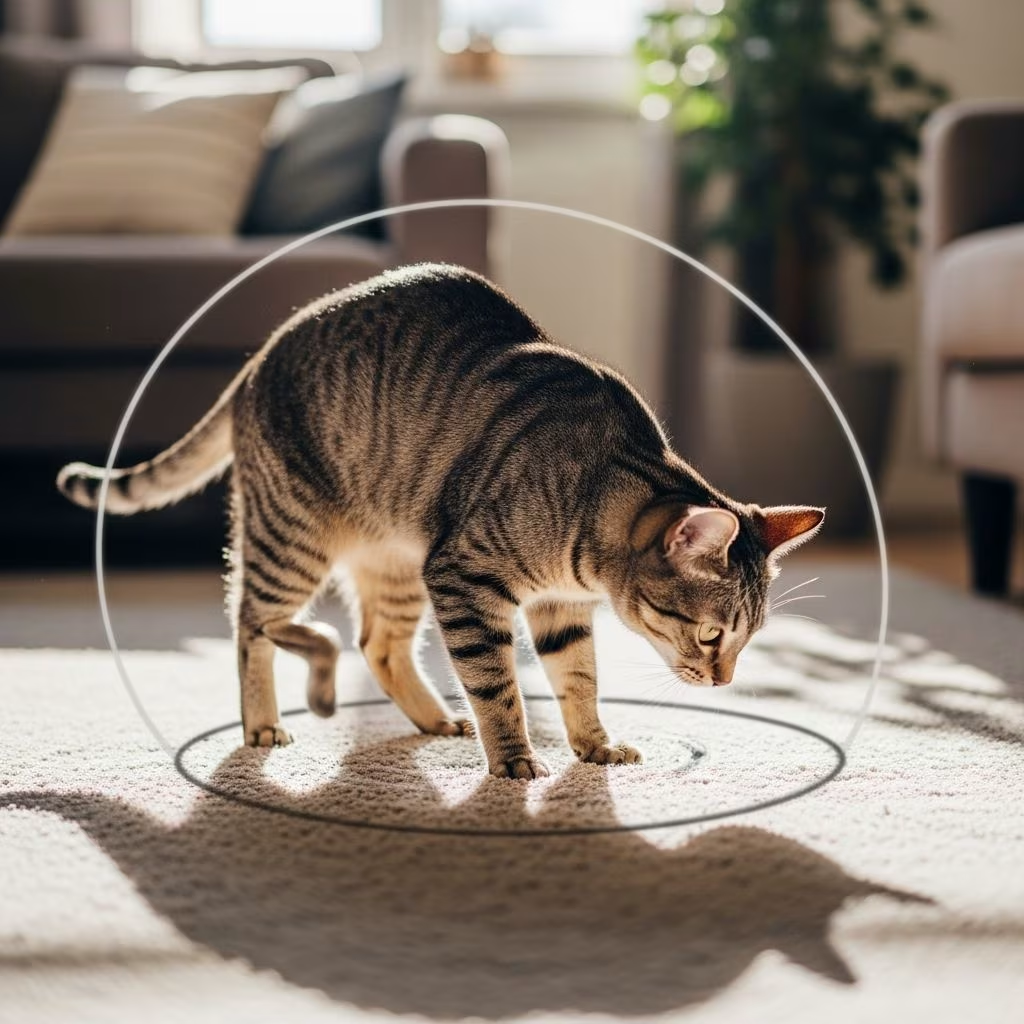
Cats exhibit many quirky behaviors that charm and puzzle their owners, but few are as consistently observed as the ritual of walking in circles before settling down for a nap. This pre-sleep circling, often lasting 30 seconds to a couple of minutes, is a universal feline habit seen in both domestic pets and their wild relatives. Far from random, this behavior stems from deep-rooted instincts honed over thousands of years of evolution. In this comprehensive guide, we’ll delve into the primary theories, environmental influences, potential health concerns, and when to consult a vet. Understanding this ritual not only demystifies your cat’s actions but also strengthens the bond between you and your furry companion.
Theories Behind Cats Walking in Circles Before Lying Down
The circling behavior is multifaceted, with several interconnected theories explaining its persistence in modern cats. Each draws from observations of wild felines and veterinary insights into domestic cat physiology.
1. Instinct from Wild Ancestors: Preparing the Sleeping Spot
One of the foremost explanations traces back to cats’ wild heritage. Wild cats, such as African wildcats (the ancestors of domestic cats), nested in tall grass, leaves, or dirt. Circling flattens vegetation, roots out rocks, sticks, or prickly debris, and creates a safe, comfortable depression for rest. This instinct ensures the spot is level and secure before vulnerability sets in during sleep.
Domesticated cats retain this behavior despite plush beds or sofas. Even in carpeted homes, they pat down blankets or cushions, mimicking ancestral nest-building. Veterinary behaviorists note this as an unlearned, hardwired response triggered by the intent to rest.
2. Scent Marking with Paw Glands
Cats possess eccrine sweat glands in their paw pads, concentrated with unique pheromones. As they circle, these glands deposit scent, marking the area as their territory. This subtle claiming deters other cats or animals, providing psychological security. In multi-cat households or with dogs, this ritual reinforces personal space.
Feline experts emphasize that this olfactory signaling is crucial for cats, who rely more on smell than sight for territory assessment. The circling motion maximizes scent coverage, creating a familiar ‘scent blanket’ for relaxation.
3. Safety Checks: Detecting Predators and Pests
In the wild, sleeping exposes cats to predators. Circling allows them to sniff for threats—predator scents, rival cats, or prey—while visually scanning 360 degrees. Paw pressure also flushes out insects, snakes, or small critters hiding in the grass. Domestic cats perform this to confirm no household ‘threats’ like toys or crumbs lurk beneath.
This vigilance aligns with cats’ crepuscular nature, heightening senses before rest. It also orients them to wind direction for optimal scent detection.
4. Comfort and Temperature Regulation
Circling tests surface texture, firmness, and temperature. Cats pat to feel for lumps or cool/warm spots, adjusting bedding accordingly. In cold weather, tight circles trap body heat; in warmth, they expose cooler ground by displacing covers.
Observant owners notice cats flipping blankets or burrowing post-circle, fine-tuning their micro-environment for optimal comfort.
5. Muscle Stretching and Routine
Less emphasized but notable, circling loosens muscles after activity, akin to a warm-down. For senior cats, it may combat stiffness. As creatures of habit, cats ritualize routines for security, with circling as a bedtime ceremony.
The Influence of Environment on Circling Behavior
A cat’s surroundings significantly modulate circling intensity and duration. Understanding these factors helps owners optimize rest spots.
- Surface Type: Soft surfaces like carpets or beds elicit more circling than hard floors, offering tactile feedback via paws.
- Temperature: Cooler rooms prompt longer circles to generate heat; warm spots shorten them.
- Familiarity: Favorite spots see routine circling; new areas get extended inspection.
- Household Dynamics: Stress from changes (new pets, moves) increases pacing-like circling.
Providing varied textures—window perches, heated beds, cat trees—satisfies instincts while reducing frustration.
When Circling Might Indicate a Problem
Normal circling is brief, purposeful, and nap-ending. Deviations warrant attention:
| Normal Circling | Concerning Circling |
|---|---|
| Brief (10-60 seconds), settles comfortably | Excessive (5+ minutes), repeated rising |
| Relaxed posture, followed by kneading/sleep | Stooped gait, reluctance to lie down |
| Occurs in preferred spots | Disoriented, in unusual locations |
Joint Stiffness and Arthritis
Senior cats (10+ years) may circle excessively due to osteoarthritis, struggling to find pain-free positions. Signs include stooping, limping, or sleeping curled tightly—a discomfort indicator per behaviorists. Vets recommend joint supplements, soft bedding, and ramps.
Neurological or Vestibular Issues
Persistent, unbalanced circling signals ear infections, vestibular disease, or tumors, causing disorientation. Accompanied by head tilting or vomiting, seek immediate vet care.
Stress and Anxiety
New stressors trigger anxious pacing mistaken for circling. Calming aids and environmental enrichment help.
Vet-Verified Facts: Is It Always Normal?
Veterinarians confirm circling is instinctual and harmless in healthy cats. Dr. Universe notes it aids environmental observation. Monitor changes; annual checkups catch issues early. Breeds like Persians (prone to joint woes) may show variations.
Frequently Asked Questions (FAQs)
Is it normal for my cat to walk in circles before lying down?
Yes, it’s a normal instinct for safety, comfort, and marking.
Why does my senior cat circle more than before?
Aging joints cause discomfort; consult a vet for arthritis screening.
Does circling mean my cat is stressed?
Only if excessive or paired with other signs like hiding.
Can I stop my cat from circling?
No need—it’s beneficial. Provide soft, safe spots to satisfy instincts.
How long should circling last?
Typically under 2 minutes; longer may indicate issues.
Enhancing Your Cat’s Resting Experience
To support natural behaviors:
- Offer multiple cozy beds with varied textures.
- Maintain stable routines.
- Use pheromone diffusers for security.
- Regular vet visits for early detection.
By appreciating this ritual, owners gain insight into their cat’s well-being, fostering a harmonious home.
References
- Why Do Cats Walk in Circles Before Lying Down? Vet-Verified Facts — Catster. 2023. https://www.catster.com/cat-behavior/why-do-cats-walk-in-circles-before-lying-down/
- Why Do Cats Walk In Circles Before Eventually Lying Down? — Senior Cat Wellness (YouTube). 2022-06-02. https://www.youtube.com/watch?v=hPVCmBV6mao
- Why Do Cats Walk In Circles Before Lying Down? — YuMOVE. 2023. https://yumove.co.uk/blogs/cat-expert-advice/why-do-cats-walk-in-circles-before-lying-down
- Have a Cat Walking in Circles? Causes and Treatment — Chewy. 2023. https://www.chewy.com/education/cat/health-and-wellness/my-cat-has-started-walking-in-circles
- Why do cats and dogs spin around before they sit? — Ask Dr. Universe, Washington State University. 2021-01-22. https://askdruniverse.wsu.edu/2021/01/22/why-do-cats-and-dogs-spin-around-before-they-sit/



