

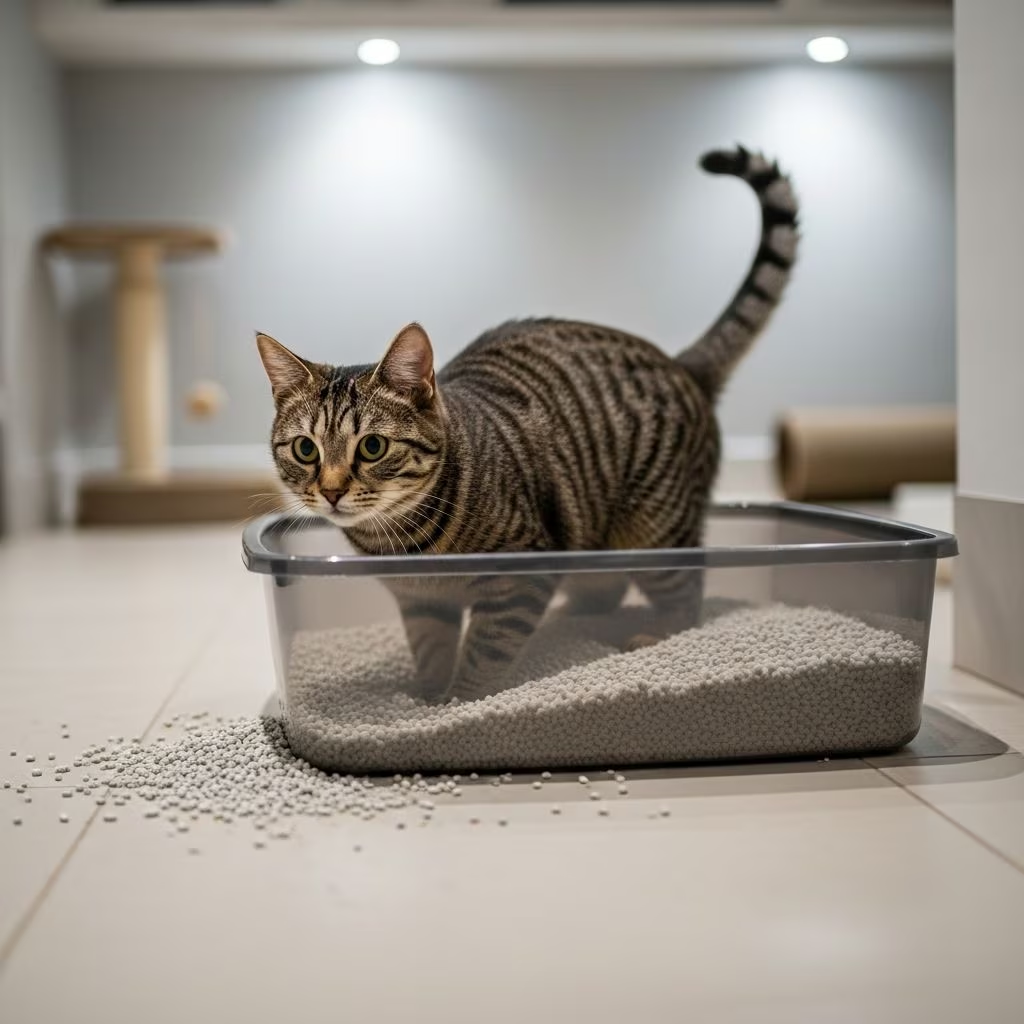
Why Do Cats Use Litter Boxes? A Complete Guide
Cats have a natural instinct to use litter boxes that dates back to their wild ancestors. Unlike dogs that may eliminate anywhere in the house, cats are naturally inclined to bury their waste in loose soil or sand. This instinctive behavior makes litter box training one of the easiest aspects of cat ownership. Understanding why cats use litter boxes and what various behaviors mean can help you provide the best possible litter box experience for your feline companion. The use of litter boxes is rooted in both evolutionary biology and practical environmental preferences that have shaped cat behavior over thousands of years.
The Natural Instinct Behind Litter Box Use
Cats are naturally clean animals that prefer to eliminate waste in designated areas away from where they eat and sleep. This instinct comes from their wild ancestors, who buried their waste to avoid detection by predators and to maintain their den’s cleanliness. Wild cats still exhibit this behavior today, seeking out soft earth or sand to dig in before eliminating. When we provide a litter box filled with loose material, we’re essentially mimicking their natural environment, which is why most cats take to litter boxes with minimal training.
The territorial aspect of litter box use is also important. Cats use their elimination patterns to mark territory and communicate with other cats. By burying their waste, cats reduce odors that might signal their presence to competitors or predators. This behavior is so ingrained that even indoor cats, who face no real predators, maintain this instinctive need to cover their waste. The litter box becomes a safe space where they can satisfy this biological imperative in a controlled environment.
Understanding Cat Litter Box Preferences
Research shows that cats have specific preferences when it comes to litter box size and litter type. Studies indicate that cats prefer litter boxes measuring 50 centimeters or larger, allowing them adequate space to move around comfortably. A box that’s too small can cause cats to avoid using it, leading to inappropriate elimination elsewhere in the home. This is why the rule of thumb for multi-cat households is one litter box per cat, plus one extra box, ensuring that each cat has access to a clean, spacious option.
When it comes to litter material, cats typically prefer clumping clay litter over other types. This preference likely relates to texture and the ability to dig and bury waste effectively. However, individual cats may have different preferences, and some may favor unscented litter or alternative materials. Observing your cat’s behavior and being willing to experiment with different litter types can help you identify their ideal choice.
Why Cats Love Clean Litter Boxes
Cats are fastidious creatures that strongly prefer freshly scooped litter boxes. According to certified cat behavior consultants, cats will often use their litter boxes immediately after they’ve been scooped, and some cats may even wait for their owners to scoop before using the box. This preference for cleanliness isn’t just about hygiene; cats appreciate the feeling and smell of fresh litter. A dirty or soiled box can cause cats to seek alternative elimination sites, contributing to one of the most common behavioral problems cat owners face.
Daily scooping is essential for maintaining a cat’s litter box satisfaction. Covered litter boxes, while aesthetically pleasing to owners, are often cleaned less frequently—sometimes only every five days compared to daily scooping for uncovered boxes. This infrequency can lead to house-soiling and litter box avoidance. To keep your cat happy and prevent behavioral issues, commit to scooping at least once daily and completely changing the litter weekly.
Common Litter Box Behaviors and What They Mean
Cats exhibit various behaviors in and around their litter boxes that communicate their satisfaction or dissatisfaction with the setup. Recognizing these behaviors helps you address problems before they escalate:
- Gargoyling: When cats use their paws to perch on the sides of the litter box rather than standing inside, they may be telling you the box is too small, contains too many clumps, has insufficient litter depth, or the texture doesn’t suit their sensitive paws.
- Waffling: Hesitation before entering or using the box suggests something about the box is unappealing to your cat, whether it’s cleanliness, location, or box design.
- Box Banging: Scratching or pawing surfaces other than the litter itself may indicate issues with the box hood, overall size, or cleanliness.
- The Litter Kicker: Vigorous kicking of litter around or out of the box is natural behavior, but it may indicate the box is too small or the litter depth is excessive. Using less litter or switching to a high-sided box can help contain this behavior.
- Port-a-Potty Behavior: When cats avoid using the box, take longer to eliminate, and exit quickly without burying waste, they may be responding to a dirty or unappealing box or environmental stressors like noise.
The Post-Bowel Movement Zoomies Phenomenon
Many cat owners are familiar with the amusing sight of their cats racing around the house at high speed immediately after using the litter box. These sudden bursts of energy, commonly called the “zoomies,” have several possible explanations. One theory suggests that the vagus nerve, which is stimulated during bowel movements, creates a sense of euphoria and lightness that cats express through rapid running and play. This physiological response is similar to what humans experience after certain bodily functions.
Another theory proposes that cats enjoy clean litter boxes and feel compelled to escape the box immediately after soiling it. From their perspective, the box is no longer clean and desirable, prompting them to zoom away. A third explanation involves medical issues; cats experiencing constipation, diarrhea, or pain during elimination may exhibit zoomies as a response to discomfort. Most cat behavior experts lean toward the physiological explanation combined with the cat’s desire to distance itself from the soiled box.
Medical vs. Behavioral Causes of Litter Box Problems
When cats stop using their litter boxes, the cause is typically either medical or behavioral. Understanding which category applies to your situation is crucial for addressing the problem effectively.
Behavioral Causes
Dirty or poorly placed litter boxes are among the most common behavioral causes of litter box avoidance. Cats prefer quiet, clean locations away from loud appliances and busy household areas. Box placement should prioritize your cat’s comfort over aesthetic considerations.
Insufficient number of boxes creates competition and stress in multi-cat households. The general guideline of one box per cat plus one extra helps prevent territorial conflicts and ensures all cats have access.
Stress and anxiety can trigger litter box problems. Changes like moving homes, adding new pets, rearranging furniture, or altering daily routines may cause sufficient stress to disrupt normal elimination behavior.
Negative associations develop when cats are startled or frightened while using the box. Even after the frightening event is resolved, cats may continue to avoid the box.
Medical Causes
Medical conditions including urinary tract infections, diabetes, kidney disease, and digestive issues can cause litter box avoidance. Painful elimination is particularly problematic because cats may develop negative associations with the box itself, even after the medical condition is treated.
The Importance of Litter Box Location and Setup
Strategic placement of litter boxes significantly impacts whether cats will use them consistently. Boxes should be located in quiet, low-traffic areas away from the cat’s food and water bowls. Cats naturally avoid soiling areas where they eat, so placing litter boxes near food dishes encourages litter box avoidance. Providing multiple boxes in different locations throughout the home ensures that cats always have convenient access, reducing the likelihood of inappropriate elimination.
Environmental factors like noise from appliances, proximity to active family areas, and inadequate privacy can all discourage litter box use. Some cats also prefer uncovered boxes because they allow better visibility of the surrounding environment, providing a sense of security and the ability to watch for potential threats while eliminating.
Covered vs. Uncovered Litter Boxes
The debate over covered versus uncovered litter boxes continues among cat owners and professionals. While some research suggests cats don’t have a strong preference when boxes are kept scrupulously clean and are sufficiently large, practical considerations favor uncovered boxes. Covered boxes are often cleaned less frequently than uncovered ones, and larger cats tend to prefer uncovered options. Additionally, covered boxes limit visibility, which can increase stress for multi-cat households where one cat might ambush another near the box.
If you choose a covered box, ensure it’s large enough to provide comfortable space and commit to daily scooping to maintain cleanliness standards that will encourage consistent use.
Creating a Positive Litter Box Experience
To optimize your cat’s litter box experience and prevent problems:
- Provide boxes that are at least 50 centimeters in length to accommodate your cat comfortably
- Use clumping clay litter unless your cat demonstrates a preference for alternatives
- Scoop daily and perform complete litter changes weekly
- Place boxes in quiet, private locations away from food and water
- Offer one box per cat plus one extra in multi-cat households
- Monitor litter depth and adjust based on your cat’s digging behavior
- Minimize environmental stressors and maintain consistent daily routines
- Address medical issues promptly, as pain during elimination can create lasting negative associations
When to Seek Professional Help
If your cat stops using the litter box despite your best efforts to optimize it, consult your veterinarian first to rule out medical conditions. If medical issues are excluded, work with a certified cat behavior consultant who can assess your specific situation and provide tailored recommendations. Some cats may have developed strong negative associations requiring gradual desensitization and behavior modification.
Frequently Asked Questions
Q: How many litter boxes should I have if I own multiple cats?
A: The rule is one litter box per cat, plus one extra. This prevents territorial conflicts and ensures all cats have access to clean facilities.
Q: Why does my cat use the litter box immediately after I scoop it?
A: Cats prefer clean litter boxes and may feel a sense of security and connection with their owners during this time. Fresh litter is simply more appealing than soiled litter.
Q: What’s the best litter type for cats?
A: Research indicates cats prefer clumping clay litter, though individual preferences vary. If your cat avoids the box, try different types to find their preference.
Q: Why does my cat have the zoomies after using the litter box?
A: The most likely explanation is that bowel movements stimulate the vagus nerve, creating a sense of euphoria that cats express through rapid running and play.
Q: Should I use a covered or uncovered litter box?
A: Uncovered boxes are generally preferable as they allow better visibility and air circulation, plus they tend to be cleaned more frequently. If using a covered box, ensure daily scooping.
Q: What should I do if my cat suddenly stops using the litter box?
A: First, consult your veterinarian to rule out medical conditions like urinary tract infections or pain during elimination. If medical issues are excluded, evaluate the box location, cleanliness, size, and litter type.
References
- Weird and Wonderful Reasons Behind Your Cat’s Litter Box Behaviors — Fear Free Happy Homes. https://www.fearfreehappyhomes.com/litter-box-behaviors/
- Litter box size and litter type preference and their associated effects on the excretion behavior of cats — PubMed Central (NCBI). 2024. https://pubmed.ncbi.nlm.nih.gov/40204471/
- Litter Box Issues in Cats: Medical vs. Behavioral Causes — Partners Vet. https://partnersvetavl.com/litter-box-issues-in-cats-medical-vs-behavioral-causes/
- What Do Your Cat’s Litter Box Behaviors Mean? — Purina US. https://www.purina.com/tidy-cats/cat-litter-box-behavior
- 5 Things to Know About Litter Box Behavior — Glen Oak Animal Hospital. https://www.glenoakanimalhospital.com/services/blog/5-things-know-about-litter-box-behavior
- What does the science say about cats and covered litter boxes? — American Veterinary Society of Animal Behavior. https://avsab.org/what-does-the-science-say-about-cats-and-covered-litter-boxes/
- Litter Box Problems — ASPCA. https://www.aspca.org/pet-care/cat-care/common-cat-behavior-issues/litter-box-problems



