

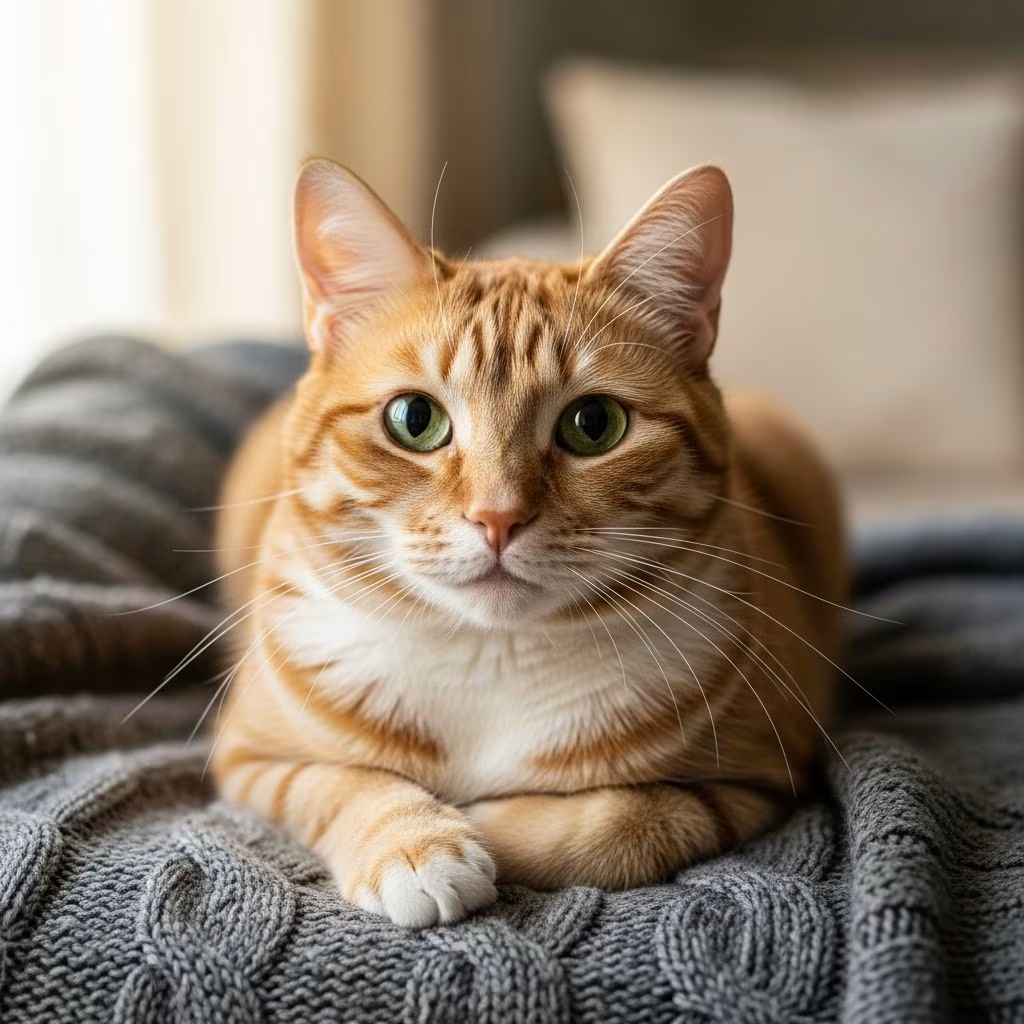
Why Do Cats Tuck Their Paws? The Cat Loaf Explained
Have you ever walked into a room to find your cat sitting in a picture-perfect “loaf” position—paws tucked neatly underneath, body compact like a warm, fuzzy bread roll? Your kitty friend is loafing. Despite how typical this behavior is, many pet parents are baffled by it. Is your cat relaxed? Are they cold? Are they scheming or plotting something mischievous? The answer to why cats tuck their paws is more nuanced than you might think, involving comfort, temperature regulation, protection, and sometimes even health concerns.
Paw tucking is natural and instinctive for many cats. Kittens, adult cats, and even big felines in the wild have been observed sitting in variations of this pose. It’s part of feline body language—subtle, often misunderstood, and loaded with meaning depending on the context. Understanding this iconic pose can help you better interpret your cat’s emotions and needs, strengthening the bond between you and your furry companion.
What Does Paw-Tucking Look Like?
A proper cat loaf is hard to miss once you know what to look for. The classic loaf position involves several distinctive characteristics that make it instantly recognizable to any cat enthusiast.
- Front paws tucked entirely under the chest
- Back legs folded close to the body
- Tail wrapped neatly around or tucked underneath
- No limbs visible from the side
However, cats display variations of this position based on their mood and comfort level. Some cats opt for a partial loaf, when one paw sticks out lazily, suggesting a slightly more relaxed or playful state. Others master the tight loaf, when everything is tucked precisely, resembling a perfect dinner roll—a posture that often indicates a cat fully committed to relaxation or self-protection. Whatever the form, the intention remains consistent: comfort, calm, and a touch of compact-stealth mode.
Five Common Reasons Why Cats Tuck Their Paws
1. Relaxation and Comfort
The most common reason your cat tucks their paws is to be more comfortable and relaxed. This is a sign they feel safe in their environment and surroundings. When a cat is loafing, they’re at ease but not entirely asleep; it’s more like they’re resting in standby mode. Your cat may adopt this position when lying on their favorite blanket, sunny windowsill, or near you on the couch. The tucked position allows them to compress their body into a compact, cozy form that feels inherently satisfying to them.
According to veterinary behaviorists, a proper bread-loaf position is relaxed without tenseness or rigidity. When your cat is in this genuinely comfortable state, you’ll notice accompanying signs of contentment such as slow blinking, purring, or a relaxed facial expression. These positive body language cues confirm that your cat is truly at peace.
2. Regulating Body Temperature
Cats don’t just loaf to be adorable; they’re conserving warmth through strategic body positioning. Tucking in their paws and curling their body reduces exposed surface area, helping them retain heat more effectively. By tucking the feet under the body, they are protected from exposure to the cold, preserving body heat for their sensitive extremities.
You may notice more loafing and tucked paws during colder months or near drafty windows. Conversely, on warm days, you might observe your cat stretching out more dramatically, spreading their limbs to increase surface area and release heat. This thermoregulatory behavior demonstrates how sophisticated feline body language can be—cats instinctively adjust their posture based on environmental temperature.
3. Reducing Vulnerabilities and Staying Alert
Loafing can be a strategic defensive move. Cats reduce injury risks in uncertain environments when they tuck their limbs in and cover their vulnerable belly. Even domesticated house cats are hard-wired to remain semi-defensive, carrying instincts from their wild ancestors where exposure could mean danger.
Interestingly, cats with tucked paws aren’t always wholly relaxed in the traditional sense. They’re resting, keeping one eye (and ear) on the world around them. Despite their calm exterior, a loafing cat is ready for action. With their legs tucked under, they can spring into motion at a moment’s notice. This “ready position” allows them to launch themselves into play, chase an intruder, or escape a perceived threat quickly. So when you see your cat loafing, remember they’re not just being cute—they’re also prepared for any sudden red dot attacks or unexpected interruptions.
4. Creating a “Do Not Disturb” Signal
Sometimes, a loafing cat is a cat that wants some peace and quiet. The loaf position serves as an adorable way of saying, “I’m just going to sit here looking like a baked good. Please, no petting.” When cats assume this position, they’re often signaling that they prefer to be left alone for a while. This is particularly important to respect, as forcing interaction with a cat in this mood can lead to irritation or defensive behavior.
5. Hiding an Illness or Discomfort
While the loaf is usually innocent and adorable, there are times when it indicates something more serious. Cats may be using self-soothing behaviors when they loaf frequently but seem tense, withdrawn, or won’t let you near their paws. They might be experiencing pain or discomfort that isn’t immediately obvious.
A cat who loafs frequently but seems tense or avoids movement may be in pain. This is especially true if they tuck tightly for long periods and avoid normal activities. The distinction between a healthy loaf and a concerning one often comes down to context and accompanying symptoms. A cat displaying hunched shoulders, sunken eyes, labored breathing, or reluctance to move warrants immediate veterinary attention.
How to Support Your Loafing Cat
Understanding why your cat loafs allows you to better support their wellbeing. Here are practical strategies to ensure your cat’s comfort and health:
Provide Warm Resting Spots
Cats love cozy spaces. Place soft blankets or cat beds in sunny spots or near heaters to encourage your cat to relax comfortably. Window perches are particularly appealing, as they combine warmth from sunlight with visual enrichment from outdoor activity. Heated cat beds can be especially valuable during winter months when your cat’s thermoregulatory needs increase.
Monitor Body Language
Pay attention to other signs of relaxation, like slow blinking or purring, to confirm your cat is at ease. Similarly, watch for warning signs that your cat wants solitude—a tucked position combined with ears rotated backward or tail tension might indicate “leave me alone” rather than “come pet me.” Learning to read these nuanced signals helps you respect your cat’s boundaries.
Inspect for Injuries
If your cat is consistently tucking one paw or showing signs of limping, gently check for swelling, cuts, or other issues that may need attention. Regular paw inspections can catch problems early, preventing them from developing into more serious conditions. Look for signs of infection, parasites, or injuries that might cause your cat pain.
When to Get Veterinary Support
Most of the time, a cat tucking their paws is perfectly normal and nothing to worry about. However, there are situations when you should seek professional advice from a veterinarian:
- If your cat shows signs of pain, such as limping, vocalizing, or avoiding weight on a paw
- If the paw tucking is accompanied by other unusual behaviors, like hiding, lethargy, or loss of appetite
- If you notice any visible injury, swelling, or redness on their paws
- If the loaf position appears strained with hunched shoulders, sunken eyes, or labored breathing
- If your cat refuses to let you touch or inspect their paws when they normally would
Changes in behavior often signal health issues in cats, who are experts at hiding illness. If your normally playful cat begins loafing constantly while avoiding interaction, or if their loafing posture appears tense and uncomfortable, professional evaluation is warranted.
It’s Not Just Cats: Similar Behaviors in Other Animals
Cats aren’t the only animals that tuck their paws and loaf in the animal kingdom. This behavior appears across multiple species, suggesting evolutionary advantages to the position. Rabbits often tuck their legs under their bodies to relax and feel secure, similar to cats. Birds, too, will sit on both feet with feathers fluffed when resting or trying to stay warm, creating a compact form that conserves heat and protects vulnerable areas.
Even dogs sometimes do a modified version of loafing, though with less grace and more drool. These animal behaviors all serve a common purpose: comfort, protection, and energy conservation. This convergent evolution of the tucking behavior across diverse species underscores its fundamental importance to animal wellbeing.
Understanding Your Cat’s Unique Personality
If your cat doesn’t loaf often, don’t panic. Cats express their personalities in different ways, and not all cats favor the loaf position equally. Some cats prefer sprawling out dramatically across your lap or stretching their full length on cool tile floors. These individual preferences are normal and don’t indicate anything wrong with your pet.
The beauty of feline behavior lies in its diversity. Some cats are naturally more reserved and protective, preferring the security of the loaf position, while others are confident enough to sprawl openly. Your cat’s chosen resting positions reflect their unique temperament, past experiences, and current emotional state. By observing and respecting these preferences, you demonstrate attentiveness to your cat’s individual needs.
Bottom Line
Loafing cats are sending you clues about how they feel. Whether it’s a sign of trust, a cozy attempt at staying warm, or a subtle way to reduce exposure in unfamiliar territory, tucked paws and a perfect loaf position are iconic pieces of feline body language. Understanding this behavior deepens your connection with your cat and helps you provide better care for their physical and emotional wellbeing. The next time you see your cat perfectly positioned like a fluffy loaf of bread, you’ll know exactly what they’re communicating—and you can appreciate both the cuteness and the wisdom behind it.
Frequently Asked Questions
Q: What is a cat loaf?
A: A “cat loaf” refers to a position where a cat tucks their paws and limbs underneath their body, resembling a fluffy loaf of bread. It’s one of the most recognizable feline resting positions and typically indicates a cat feels comfortable and safe.
Q: Why do cats lie with their paws tucked?
A: Cats tuck their paws when they’re relaxed, staying warm, protecting vulnerable limbs while resting, feeling secure, or preparing to respond quickly to their environment. The specific reason depends on context and accompanying body language signals.
Q: What is it called when cats tuck their paws?
A: This cozy pose is affectionately called “loafing.” It’s a typical feline resting position that cat owners and veterinarians recognize worldwide as a common cat behavior.
Q: What does it mean when a cat sits like a loaf?
A: It usually means your cat feels calm and secure, although they’re still alert and ready to respond if needed. However, context matters—some cats loaf when they feel threatened or in pain, so observe other body language cues.
Q: Should I be concerned if my cat always tucks one paw?
A: If your cat consistently tucks one paw and shows signs of discomfort, limping, or avoiding weight on that paw, it’s worth checking for injuries or consulting a veterinarian to rule out pain or injury.
Q: Is it normal for cats to tuck their paws?
A: Yes, it’s perfectly normal. Cats often tuck their paws when they feel relaxed, comfortable, and secure. It’s one of the most common and natural feline resting positions observed in cats of all ages.
Q: What does it mean when cats curl their paws?
A: Curled paws often indicate relaxation and comfort, though in some cases, they can signal joint pain or discomfort. Context is key—observe whether your cat appears tense or relaxed, and watch for other pain indicators.
References
- Why Do Cats Loaf? — PetMD. 2024. https://www.petmd.com/cat/behavior/why-do-cats-loaf
- Why Do Cats Tuck Their Paws? The Cat Loaf Explained — Kinship. 2024. https://www.kinship.com/cat-behavior/why-do-cats-tuck-their-paws
- Cat Loaf Pose: What is it & Why Do Cats Loaf? — Purina US. 2024. https://www.purina.com/articles/cat/behavior/understanding-cats/why-do-cats-loaf
- Why Do Cats Tuck Their Paws? — Dial A Vet. 2024. https://www.dialavet.com/blog/why-do-cats-tuck-their-paws
- Cat Loaf Mystery: Why Do Cats Tuck Their Paws? — Basepaws. 2024. https://basepaws.com/blog/cat-loaf-mystery-why-do-cats-tuck-their-paws



