

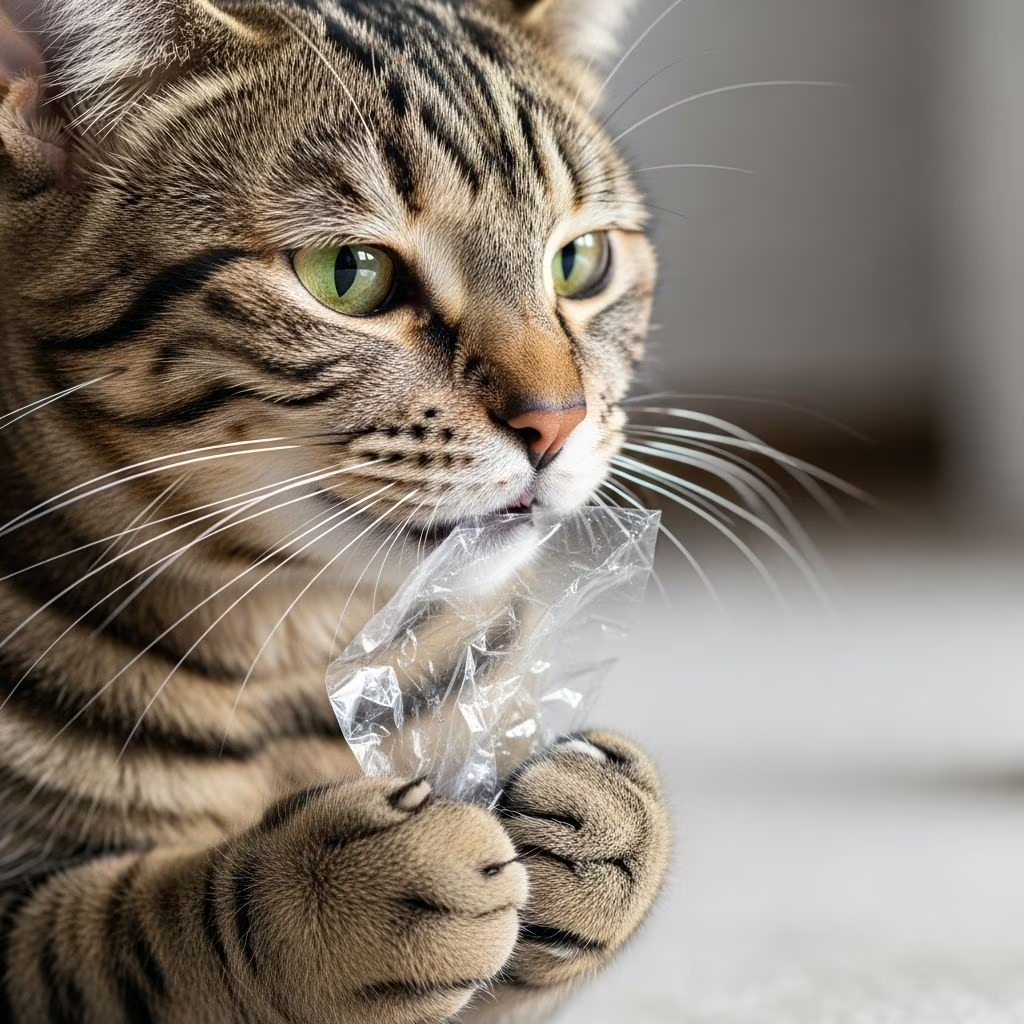
Cats often display quirky behaviors, and one puzzling habit many owners notice is their feline friends attempting to chew or eat plastic items like bags, wrappers, or containers. This behavior, sometimes linked to pica—a condition where cats ingest non-food objects—can stem from various causes including sensory appeal, nutritional issues, boredom, or underlying health problems. While it might seem harmless at first, swallowing plastic poses serious risks like intestinal blockages and toxicity. Understanding the root causes and implementing preventive measures is essential for your cat’s safety and well-being.
In this comprehensive guide, we’ll delve into the primary reasons cats are drawn to plastic, the potential health dangers involved, and actionable steps to curb this habit. Drawing from veterinary insights, we cover everything from the crinkly sound of plastic bags to serious conditions like feline leukemia that may trigger pica.
Reasons Why Cats Try to Eat Plastic
Cats explore the world primarily through their mouths, and plastic’s unique properties make it an irresistible target. Here are the most common explanations for this behavior:
The Sound and Texture of Plastic
Plastic items, especially bags and wrappers, produce a distinctive crinkly sound when manipulated, which captivates cats’ acute hearing. This noise mimics the rustling of prey in grass or leaves, activating their hunting instincts. The texture—smooth yet grippy—provides tactile satisfaction as cats bite and chew, offering sensory stimulation absent from standard toys.
For indoor cats with limited environmental variety, this auditory and textural allure turns everyday plastic into a plaything. Kittens and young cats are particularly prone, using their mouths to investigate novel objects during play.
The Scent of Plastic
Many plastic items retain lingering food odors from previous contents, such as fish, meat, or treats. Cats’ sense of smell, which is 14 times stronger than humans’, detects these traces easily, drawing them to chew in hopes of accessing remnants. Additionally, some plastics emit chemical scents resembling pheromones or animal fats, further enticing curious felines.
Grocery bags or food container lids are prime examples; even after washing, faint aromas persist, making plastic a scent-based attraction point.
Nutritional Deficiencies and Pica
Pica is a key driver, where cats compulsively eat non-nutritive substances due to dietary shortfalls in vitamins, minerals, or fiber. This can signal deeper issues like anemia, gut disease, feline leukemia virus (FeLV), feline immunodeficiency virus (FIV), diabetes, hyperthyroidism, or dental pain. Breeds like Siamese and Burmese are genetically predisposed to pica.
If your cat’s diet lacks balance—perhaps from poor-quality food or inadequate portions—they may seek alternatives. Veterinary bloodwork can identify deficiencies, often resolved with diet adjustments or supplements.
Curiosity, Boredom, and Lack of Enrichment
Bored indoor cats turn to plastic for entertainment, lacking outlets for chewing, gnawing, or crunching. Without interactive toys, climbing structures, or play sessions, they explore household items orally. Curiosity peaks during kittenhood, but persists in understimulated adults.
- Indoor lifestyles limit natural stimuli like hunting or foraging.
- Insufficient dental exercise leads to seeking crunchy textures.
- Lack of mental challenges results in destructive habits.
Stress, Anxiety, Pain, or OCD-Like Behaviors
Environmental changes, such as new pets or moves, induce stress, prompting comfort-chewing. Pain from dental issues or illnesses manifests as unusual gnawing. Some cats exhibit obsessive-compulsive disorder (OCD)-like patterns, fixating on plastic despite ample alternatives.
Fluoxetine (Prozac) may be prescribed for severe compulsive cases after ruling out medical causes.
The Dangers of Cats Eating Plastic
While nibbling might appear playful, ingestion leads to grave risks. Plastic doesn’t digest and can cause life-threatening complications.
Intestinal Blockages
Swallowed pieces obstruct the esophagus, stomach, or intestines, causing vomiting, lethargy, appetite loss, and abdominal pain. Untreated blockages lead to tissue damage, rupture, or death, often requiring surgical intervention. Small pieces pass but larger ones demand immediate vet attention.
Toxicity from Chemicals
Plastics contain phthalates, BPA, and other endocrine disruptors leaching toxins, disrupting hormones and harming liver/kidneys over time. Residues from cleaning products or food amplify risks, causing gastrointestinal upset or chronic issues.
Other Complications
Choking hazards, dental fractures, and secondary infections from cuts occur. Pica-related vomiting or weight loss signals emergencies.
| Risk | Symptoms | Potential Outcome |
|---|---|---|
| Blockage | Vomiting, pain, lethargy | Surgery or fatality |
| Toxicity | Diarrhea, seizures | Organ damage |
| Choking | Gagging, distress | Asphyxiation |
How to Stop Your Cat from Eating Plastic
Prevention combines environmental management, enrichment, and health checks. Act promptly to redirect habits safely.
Provide Safe Alternatives
Offer cat-safe chew toys mimicking plastic’s texture/sound, like crinkle balls or dental chews. Interactive puzzles and treat-dispensing toys combat boredom.
- Frozen wet food in puzzle feeders for crunch.
- Cardboard scratchers for gnawing.
- Vertical spaces like cat trees for exploration.
Secure Your Environment
Store plastics in closed cabinets or bins. Create plastic-free zones and use deterrents like double-sided tape or citrus sprays. Supervise during high-risk times, like unpacking groceries.
Address Diet and Health
Consult vets for nutritional assessments; switch to high-quality, balanced foods. Routine check-ups detect pica causes early.
Reduce Stress
Incorporate pheromone diffusers, more playtime, and stable routines. Identify triggers like loud noises.
Monitor and Seek Professional Help
Track behavior; if persistent, vets may recommend behaviorists or medications.
Frequently Asked Questions (FAQs)
Is it normal for cats to chew plastic?
Occasional nibbling from curiosity is common, but frequent eating signals pica or issues needing vet evaluation.
Why do Siamese cats eat plastic more?
These breeds have genetic pica tendencies due to high curiosity and intelligence.
What if my cat ate plastic?
Monitor for symptoms; seek emergency care for vomiting or distress.
Can plastic chewing cause cancer?
Chronic toxin exposure raises risks, but blockages are immediate threats.
How to prevent pica in cats?
Balanced diet, enrichment, and vet check-ups are key.
By addressing why cats try to eat plastic—whether sensory thrills, boredom, or health woes—you protect their health. Proactive steps like enrichment and vet visits ensure a safer, happier home. Persistent issues warrant professional guidance.
References
- Why does my cat eat plastic? – Embrace Pet Insurance — Embrace Pet Insurance. 2023-05-15. https://www.embracepetinsurance.com/waterbowl/article/why-does-my-cat-eat-plastic
- Why Does My Cat Eat Plastic? Possible Causes & Tips – Purina — Purina. 2024-02-10. https://www.purina.com/articles/cat/behavior/understanding-cats/why-do-cats-eat-plastic
- Is Your Cat Eating Plastic? Here’s Why – Petcube — Petcube. 2023-11-20. https://petcube.com/blog/why-do-cats-eat-plastic/
- Why Do Some Cats Eat Plastic? — River Landings Animal Clinic. 2022-08-05. http://www.riverlandingsanimalclinic.com/news/why-do-some-cats-eat-plastic
- Pica in Cats: What It Is, Symptoms, and Treatment – PetMD — PetMD. 2025-01-10. https://www.petmd.com/cat/conditions/behavioral/pica-cats



