

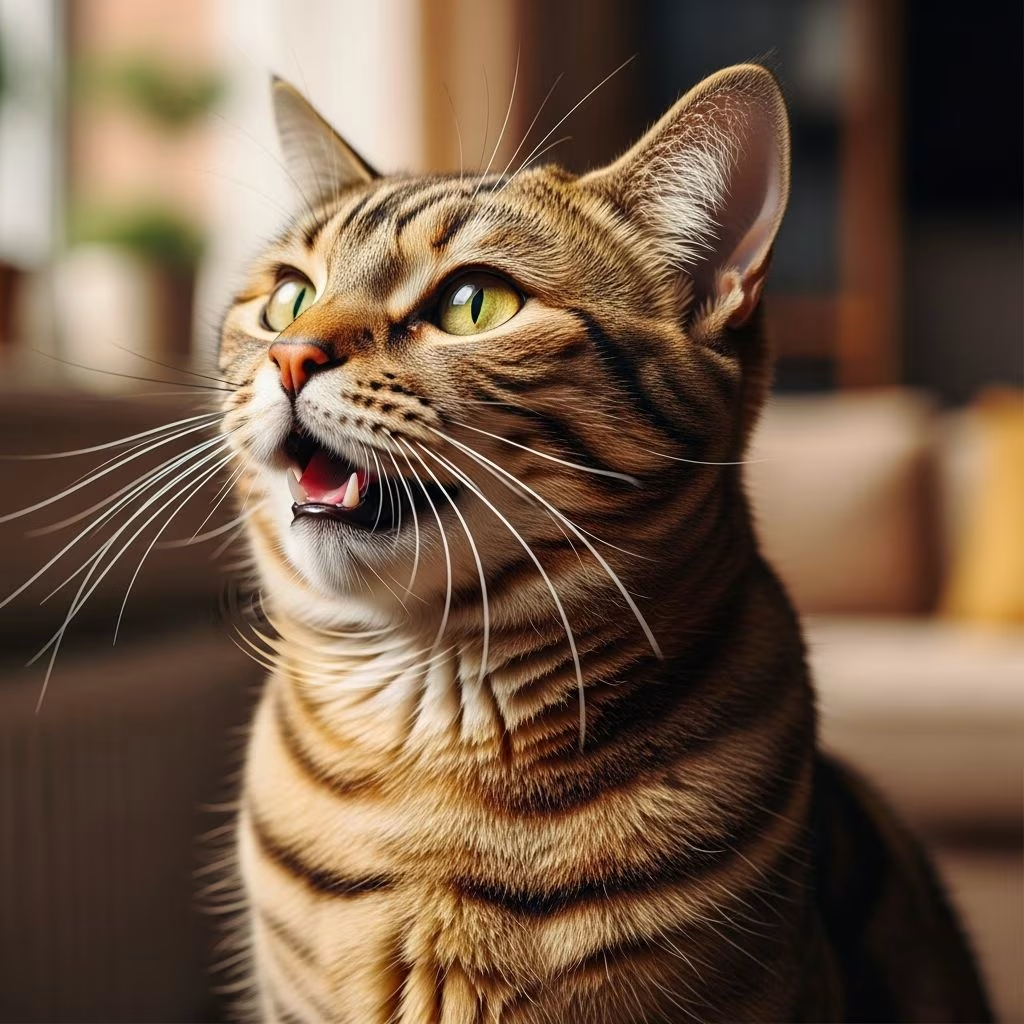
Cat trilling is a delightful, high-pitched vocalization that many cat owners recognize as a sign of their feline friend’s happiness and affection. Unlike the deep rumble of a purr or the demanding meow, a trill is a short, chirrup-like sound produced with the mouth closed, often resembling a bird’s chirp or a soft rolling “rr.” This unique noise serves multiple purposes in cat communication, helping cats express emotions, bond with family, and interact with their environment.
Understanding why cats trill can deepen the bond between you and your pet. Trilling is generally a positive sound, associated with contentment, greetings, and social invitations. However, context matters—observing your cat’s body language alongside the trill provides the fullest picture of their intent. In this comprehensive guide, we’ll explore the science behind trilling, common reasons cats make this sound, specific scenarios like trilling at owners or birds, breed tendencies, and when to consult a vet.
What Is Cat Trilling?
Cat trilling, also known as chirring or chirruping, is a brief, melodic vocalization created when cats vibrate their vocal cords with their mouths closed. This produces a high-pitched, rolling sound that’s softer than a meow but more distinct than a purr. Physiologically, it involves rapid alternation of the vocal folds, blending elements of purring and meowing into a unique expression.
Research shows trilling is linked to positive emotions. In one study, cats anticipating treats produced closed-mouth sounds like trills and purrs, while those expecting unpleasant experiences made open-mouthed growls.Trilling specifically correlates with feelings of friendliness, playfulness, and security. Swedish researchers in the MEOWSIC study identified variations: high-pitched chirrs with rising melodies, lower grunts, and coo-like murmurs without rolling Rs. These nuances help cats convey subtle messages.
Trilling is innate but learned in context—kittens pick it up from mothers, adapting it for adult interactions. Not all cats trill equally; personality, breed, and early socialization influence frequency. Importantly, trills are sounds reflecting emotions, not structured language, but they effectively prompt responses from humans or other cats.
Why Do Cats Trill? 7 Common Reasons
Cats trill for diverse, mostly positive reasons. Here’s a breakdown of the seven most common motivations, supported by feline behavior insights:
- Greeting You: The Happy Hello
When your cat trills upon your return home, it’s a warm welcome expressing joy at seeing you. This affectionate greeting mimics human smiles, signaling “I’m glad you’re here!” Body language like rubbing or tail-up posture reinforces the positivity. - Expressing Happiness and Contentment
Trilling often accompanies moments of pure bliss, such as during petting, play, or mealtime. It’s a vocal “smile,” indicating your cat feels relaxed and pleased. Studies confirm trills emerge in rewarding contexts, like snack anticipation. - Seeking Attention or Food
A trill can be a polite nudge for interaction, pets, or dinner. Cats comfortable with owners use it to say, “Hey, notice me!” If paired with pacing near the food bowl, it’s a hunger cue—though meowing is more common for demands. - Mother-Kitten Communication
Mother cats trill to call, guide, or reassure kittens, fostering safety and bonding. Kittens respond preferentially to their own mother’s trill over others or even her meows, highlighting its specificity. - Signaling Desire to Play or Explore
Playful trills invite games or adventures, often with zoomies or toy-batting. The “follow me” trill leads humans or cats to fun spots, echoing maternal guidance. - Excitement or Hunting Instinct
During play-hunting or spotting prey like birds, trills express thrill. It’s a mix of arousal and communication, alerting companions to the excitement. - Affection and Comfort
The comfort trill soothes during cuddles, affirming security and love. Adult cats extend this to humans and other pets, strengthening social ties.
Why Do Cats Trill at You?
If your cat directs trills your way, consider it a compliment—they view you as family. Common scenarios include greetings after absence, during pets (contentment), or as attention bids. A head-butt trill combo screams “pet me now!” Respond positively to encourage more; ignoring might shift them to meows.
Females may trill more due to maternal instincts, even spayed. Context clarifies: a relaxed trill means happiness; one with agitation could signal mild discomfort, though rare.
Why Does My Cat Trill When They Jump?
Trilling during jumps typically signals excitement or attention-seeking, not pain. It’s common in playful leaps, expressing joy mid-air. Unless accompanied by limping, yowling, or hiding—hallmarks of injury—it’s benign. Monitor for changes; sudden new trills warrant a vet check.
Why Do Cats Trill at Birds?
Trilling at birds combines hunting excitement and social sharing. The sound mimics prey chirps, stimulating instincts, while alerting you to the “find.” It’s positive frustration—your cat’s thrilled but can’t pounce. Provide toys to channel this energy.
Why Does My Cat Trill But Not Meow?
Some cats favor trilling over meowing, reflecting personality or learned preference. If content and healthy, it’s their “happy dialect.” Kittens of trilling mothers often inherit the trait. No cause for alarm unless vocalization drops entirely, potentially signaling illness.
What Cat Breeds Trill the Most?
While any cat can trill, vocal, affectionate breeds shine:
| Breed | Trill Tendency | Why They Trill |
|---|---|---|
| Siamese | High | Extremely talkative; use trills for greetings and attention. |
| Maine Coon | High | Gentle giants chirrup affectionately to bond. |
| Bengal | Moderate-High | Playful energy leads to excited trills. |
| Siberian | Moderate | Loyal and vocal in family settings. |
| Birman | Moderate | Sweet-natured with melodic expressions. |
Individual variation trumps breed—observe your cat’s unique voice.
Should I Be Concerned If My Cat Trills?
Trilling is rarely worrisome; it’s a hallmark of well-being. Concern arises if:
- Sudden increase/decrease in vocalizing.
- Paired with aggression, hiding, or appetite loss.
- Trilling replaces all sounds amid lethargy (possible respiratory issue).
Spayed/neutered cats trill similarly to intact ones. Females in heat may trill more alongside other signs like restlessness—consult vets for unspayed pets. Always pair observation with professional advice for health worries.
How to Encourage More Trilling
Love those trills? Foster them via:
- Consistent greetings with pets/treats upon return.
- Interactive play with wand toys.
- Quiet cuddle time.
- Positive responses to their initiations.
Building trust amplifies this sweet sound, enhancing your bond.
Frequently Asked Questions (FAQs)
What does it mean when a cat trills at you?
A trill at you means greeting, happiness, or attention-seeking—your cat loves you!
Do all cats trill?
No, but many do, especially social ones. It’s more common in those with trilling mothers.
Is cat trilling a sign of pain?
Rarely; pain prompts yowls or silence. Context with body language is key.
Why do some cats trill more than others?
Breed, personality, and upbringing influence it. Vocal breeds like Siamese trill often.
Can trilling indicate illness?
Only if changed suddenly with other symptoms—vet check recommended.
References
- Cat Trilling: What It Means and Why Cats Do It — Lake City Animal Hospital. 2023-05-15. https://lakecityanimalhospital.com/blog/cat-trilling/
- Why do cats trill? — Cat in the Box LLC. 2024-02-10. https://thecatisinthebox.com/blogs/kitty-contemplations/why-do-cats-trill
- Trilling in Cats – What Is It and Why Do Cats Do It? — TrustedHousesitters. 2024-08-22. https://www.trustedhousesitters.com/blog/pets/why-do-cats-trill/
- Why Do Cats Trill at You? — Rover.com. 2023-11-03. https://www.rover.com/blog/why-do-cats-trill/
- Cat Trilling: What Is It and What Does It Mean? — Cats.com. 2024-01-18. https://cats.com/cat-trilling



