

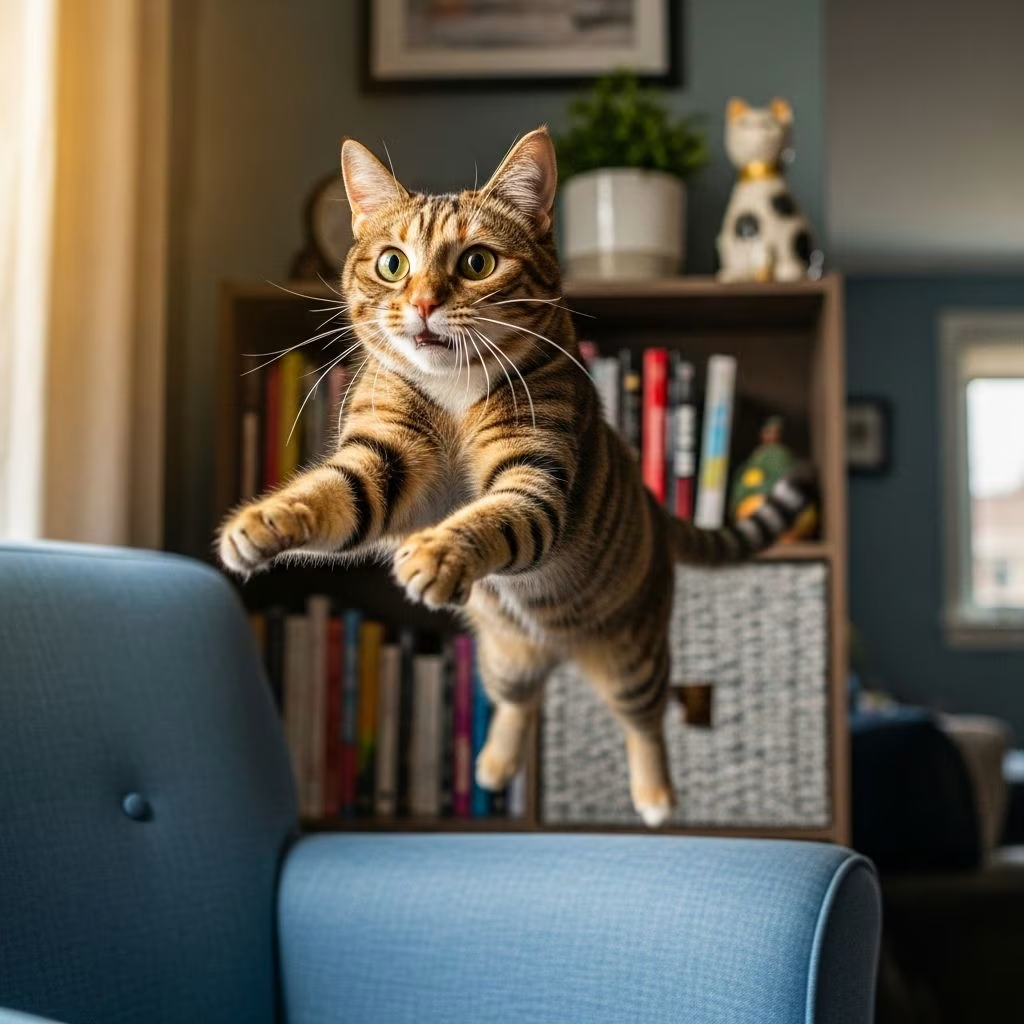
Cats trill before jumping primarily to express excitement, seek attention, motivate themselves, or signal nervousness. This high-pitched vocalization, produced with a closed mouth, is a friendly ‘murmur’ sound common in domestic cats.
In the wild, cats are mostly silent, reserving purrs, hisses, and yowls for specific communications. Domestic cats, however, vocalize more frequently, especially during activities like jumping. Trilling—a chirruping or squeaky sound—often occurs when a cat is pleased, cheerful, or engaging with humans.
The 4 Reasons Why Cats Trill When They Jump
Understanding why your cat trills before leaping helps decode their language. Here are the four main vet-reviewed reasons, drawn from observed behaviors in domestic environments.
1. Commanding Attention
Trilling before a jump is often your cat’s way of saying, “Notice me!” If you’re distracted, they might trill and leap in front of you to demand attention. This vocal cue alerts household members that playtime or interaction is desired.
Cats primarily meow and trill to communicate with humans, not other cats. A trill mid-prep for a jump can be a greeting or a nudge for pets and cuddles, reinforcing the human-cat bond.
2. Satisfaction or Motivation
Like humans exhaling during a workout or cheering a success, cats trill to psych themselves up for a jump. This self-motivation boosts confidence, helping them leap higher, faster, or more precisely—especially for challenging distances.
The trill acts as a ‘pep talk,’ produced from the momentum of crouching and wiggling shoulders before launch. It’s common when jumping to high perches or pursuing ‘prey’ like toys.
3. Excitement & Happiness
Jumping excites cats, prompting trills of anticipation. Whether leaping for food on a counter, treats from you, or to chase a bird outside a window, the sound vocalizes joy and eagerness.
This positive vocalization reflects strong bonding and recognition, often seen when jumping to be near you or favorite spots. Not all cats do it, but those who trill show happiness in the moment.
4. Fear or Nervousness
Not every trill signals joy; some indicate anxiety. If a cat misjudges a jump’s distance—especially downward from heights—they may trill mid-air or upon landing from overwhelm or a slight tumble.
Though cats handle heights well, high drops can startle them. A nervous trill combines with meows, signaling uncertainty before or during the leap.
Understanding Cat Trilling in General
Trilling is a ‘murmur’ vocalization (mouth closed), second most common after meowing per a 2019 study. It’s friendly, used for greetings, bonding, and recognition with people or kittens.
- Affection: Trills greet owners, saying “I’m glad to see you!”
- Attention/Food: Signals needs comfortably.
- Mother-Kitten: Mothers trill to guide offspring.
- Play/Explore: Invites interaction or expresses curiosity.
Cats trill inter-cat too, greeting feline friends before play-jumps.
Why Cats Jump: Related Behaviors
Jumping ties into trilling contexts. Cats jump for multiple reasons, often with vocal cues.
| Reason for Jumping | Description | Trill Association |
|---|---|---|
| Marking Territory | High jumps claim spaces like counters, akin to scratching. | May trill to declare presence. |
| Gauging Distance | Test limits from perches, peering out windows. | Motivational trill for precision. |
| Warming Muscles | Prep for hunting/landing, controlling falls crouched. | Excitement trill during warm-up. |
| Self-Defense | Leap at threats like dogs from heights. | Rare trill if territorial. |
Is Trilling Before Jumping Normal?
Yes, it’s a normal, healthy behavior—not all cats trill, but it’s common in expressive ones. Observe context: tail position, ears, body language. Excessive trilling with hiding or aggression may signal stress; consult a vet.
Encourage positive trills with play structures, high perches, and interactive toys to channel energy safely.
Frequently Asked Questions (FAQs)
What does it mean when my cat trills before jumping?
It usually means excitement, motivation, attention-seeking, or mild nervousness. Context like ear position helps interpret.
Do all cats trill when they jump?
No, not all; it’s more common in vocal, bonded cats. Kittens learn from mothers.
Why does my cat trill when jumping down?
Often nervousness from height or misjudged distance, even if they land fine.
Is cat trilling a sign of pain?
Rarely; pain trills are distressed. Happy trills are soft, chirpy. Monitor changes.
How can I encourage healthy jumping and trilling?
Provide cat trees, window perches, laser toys. Ensure safe landings to build confidence.
Final Thoughts
Trilling before jumps enriches cat-human communication, revealing emotions from joy to jitters. By recognizing these cues, you strengthen your bond and meet their needs better. Observe your cat’s unique patterns for personalized insights.
References
- Why Your Cat Trills When They Jump: 5 Vet-Approved Reasons — Hepper. 2023. https://articles.hepper.com/why-your-cat-trills-when-they-jump/
- Why Do Cats Trill When They Jump? 4 Vet-Reviewed Reasons — Catster. 2023. https://www.catster.com/cat-behavior/why-do-cats-trill-when-they-jump/
- Cat Trilling: What It Means and Why Cats Do It — Lake City Animal Hospital. 2024. https://lakecityanimalhospital.com/blog/cat-trilling/
- Why Do Cats Trill? This Behavior Explained — PawTracks. 2023. https://www.pawtracks.com/cats/cat-trilling/



