

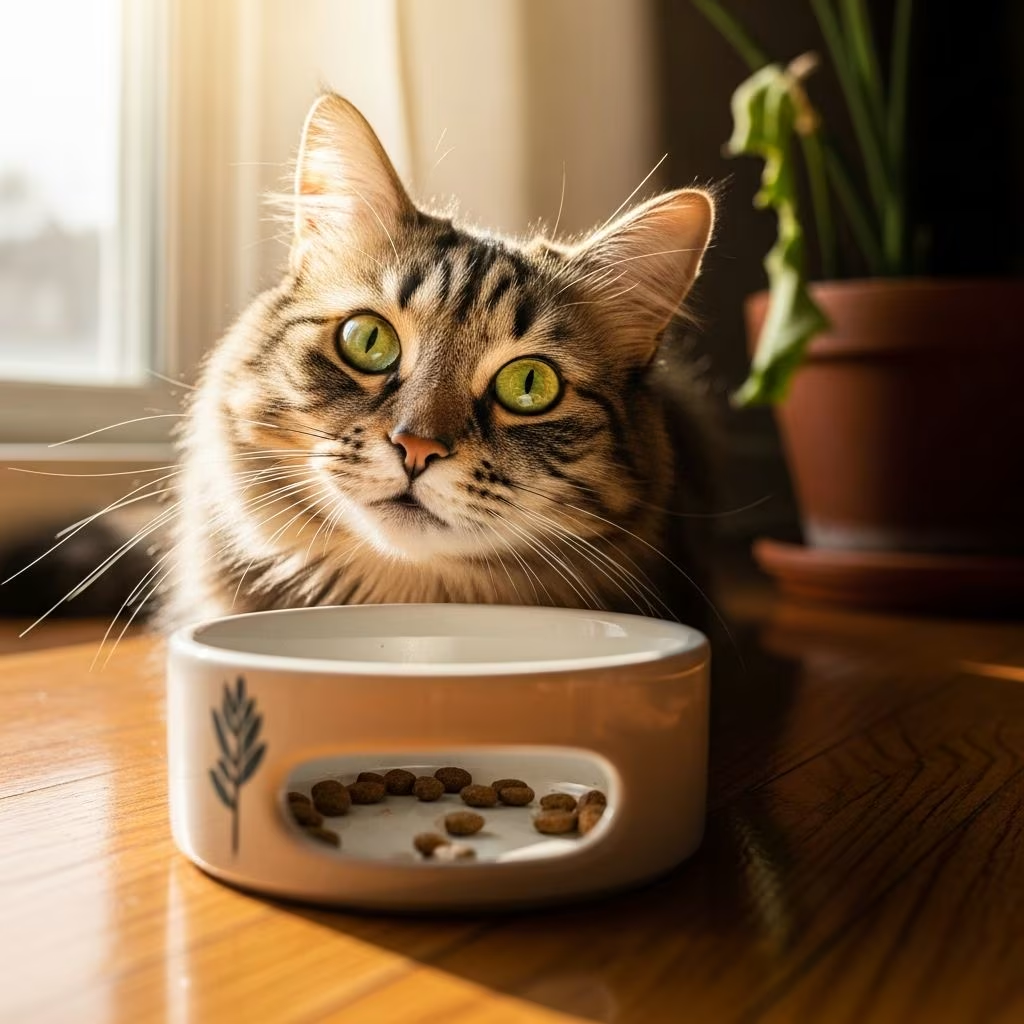
Why Do Cats Think Their Food Bowl Is Empty?
One of the most puzzling behaviors cat owners encounter is watching their feline companion stare intently at a bowl clearly filled with food, meowing persistently as if it’s completely empty. This behavior confuses many pet parents and can become frustrating when it happens repeatedly throughout the day. Understanding the reasons behind this peculiar habit is essential for addressing it effectively and ensuring your cat receives proper nutrition and care. The answer isn’t always straightforward, as multiple factors could contribute to your cat’s perception that their bowl is empty.
Understanding Your Cat’s Vision and Perception
One of the most significant reasons cats may think their food bowl is empty relates to their unique visual capabilities. While cats are known as skilled hunters with excellent night vision, their eyesight has notable limitations when it comes to close-range focus. Cats actually possess a blind spot directly below their nose and chin, which means they cannot see food particles located in certain areas of their bowl. This anatomical limitation forces cats to rely on alternative sensory methods to locate and consume their food.
When a cat lowers their head to eat, the food directly beneath their nose becomes invisible to them. Instead of pushing food around to find it, many cats simply assume the bowl is empty when they cannot visually detect kibble in their line of sight. This explains why some cats appear to focus exclusively on the center of the bowl while ignoring food around the edges. The food may literally be outside their visual range, making it impossible for them to see and consume it.
The Whisker Stress Phenomenon
Perhaps one of the most important discoveries about cat feeding behavior is the concept of whisker stress, also known as whisker fatigue. A cat’s whiskers, or vibrissae, are far more than decorative features—they serve a critical sensory function. These specialized tactile hairs contain extremely sensitive nerve endings that help cats navigate their environment, detect prey, sense weather changes, and identify potential threats.
When cats eat from bowls that are too narrow or too deep, their sensitive whiskers brush against the sides of the bowl during feeding. This contact causes discomfort and irritation, discouraging cats from eating all the food in the bowl. According to veterinarian and author Ingrid King, “Whiskers are extremely sensitive, and when a food bowl is too narrow and too deep, a cat is forced to put her face all the way into the bowl to reach her food. This causes her whiskers to bump against the side of the bowl, which causes discomfort.”
Some cats develop such strong negative associations with their current bowls that they refuse to eat from them altogether. If your cat only eats from the very center of the bowl and leaves food around the edges untouched, whisker stress may be the culprit. This isn’t pickiness—it’s physical discomfort preventing your cat from accessing the food properly.
Survival Instincts and Food Hoarding Behavior
Cats retain many instincts from their wild ancestors, and food-related anxiety is one of them. Some cats exhibit hoarding behavior, attempting to reserve food for later consumption. In the wild, cats bury or hide their hunted prey to protect it from predators and scavengers. This survival mechanism remains encoded in domestic cats, particularly those rescued from uncertain circumstances where food availability was unpredictable.
Rescued cats or those with a history of food scarcity may perpetually worry about their next meal, even in homes where food is provided reliably. These cats might push food around their bowl in an attempt to “bury” it, or they may search frantically for additional food sources. The behavior isn’t a reflection of your care; rather, it’s a deeply ingrained survival response. Cats who display this pattern may never fully overcome their food anxiety, but understanding the root cause helps owners respond with patience and compassion.
Behavioral and Psychological Factors
Beyond physical sensory limitations, psychological factors play a significant role in why cats act like their food bowls are empty. Cats are creatures of routine and comfort, relying on predictable patterns to feel secure. Their internal clocks alert them when mealtime is approaching, even if they were fed just hours earlier. Your cat might be sitting by an empty bowl not because they’re genuinely hungry, but because their circadian rhythm tells them food should appear.
Additionally, attention-seeking behavior cannot be overlooked. If your cat has learned that meowing at their bowl results in your immediate response—even if it’s just to check on them—they may repeat this behavior strategically. Cats are intelligent and quickly learn which actions produce desired outcomes. If staring at a full bowl and meowing successfully gets you to visit their feeding area, the behavior becomes reinforced.
Boredom is another psychological factor worth considering. Some cats become disinterested in their current food due to monotony and may perform “hungry” behaviors simply to stimulate excitement or change in their routine. The act of you refilling or reorganizing their bowl creates novelty that appeals to their natural curiosity.
Food Quality and Preferences
Cats are notoriously finicky eaters, and their rejection of food in a seemingly full bowl might indicate they’re simply unimpressed with what’s available. Just as humans have distinct taste preferences, cats develop strong opinions about their food. A cat refusing to eat food that’s been sitting in the bowl for a while might be responding to changes in texture, aroma, or perceived freshness.
Stale kibble loses its appeal, and wet food can develop off-putting textures as it sits. Your cat may recognize these changes and refuse to eat, then communicate their dissatisfaction by sitting by the bowl and demanding something better. Some cats also prefer their food at specific temperatures or textures, making them appear picky when their actual preference simply wasn’t met.
Health Considerations and When to Seek Veterinary Advice
While most instances of cats acting hungry despite full bowls relate to behavioral or sensory issues, persistent unusual behavior warrants veterinary evaluation. Certain health conditions can increase appetite or create the sensation of constant hunger. Hyperthyroidism, diabetes, digestive issues, and parasitic infections can all cause cats to eat more frequently or seem perpetually unsatisfied.
If your cat’s behavior is accompanied by other symptoms—such as weight loss, excessive thirst, lethargy, or changes in litter box habits—scheduling a veterinary appointment becomes important. Your vet can rule out underlying medical conditions and provide guidance tailored to your specific cat’s needs. Never assume behavior is purely behavioral without professional assessment, especially if it’s a new development.
Practical Solutions to Address This Behavior
Once you’ve identified potential reasons your cat thinks their bowl is empty, you can implement targeted solutions:
Switch to a Wide, Shallow Dish
The single most effective solution for cats exhibiting these behaviors is changing their food bowl. Replace deep, narrow bowls with wide, shallow dishes that reduce whisker contact and improve visibility. Some cat owners find success using flat plates with slightly raised edges, which minimizes whisker stress while allowing easier access to all the food. This simple change often produces dramatic improvements in eating behavior and food consumption.
Try Different Food Options
Experiment with different food brands, flavors, and textures to determine your cat’s preferences. What works for one cat might not appeal to another. Some cats prefer wet food, while others do better with kibble. Rotating between flavors occasionally prevents monotony and keeps meals interesting. Fresh food served at room temperature often appeals more than cold food straight from the refrigerator.
Create the Illusion of Freshness
Simple psychological tricks can be remarkably effective. Shuffle the food around in the bowl to redistribute it and create the appearance of a freshly refilled dish. Many cat owners report this strategy works consistently, convincing their cats that new food has arrived. The theatrical element of pretending to refill the bowl adds to the effect, engaging your cat’s attention and appetite.
Implement Portion Control
Rather than filling the bowl completely, provide smaller portions multiple times throughout the day. This ensures your cat finishes everything served, prevents food from becoming stale, and aligns with cats’ natural hunting patterns of frequent small meals. Portion control also helps with weight management and makes it easier to monitor your cat’s actual food consumption.
Use Enrichment and Puzzle Feeders
Interactive feeding toys and puzzle feeders serve multiple purposes. They transform mealtime into a stimulating activity, reduce boredom-related food behaviors, and slow down cats who eat too quickly. These tools also align with cats’ natural hunting instincts, making the feeding experience more satisfying and engaging than simply eating from a static bowl.
Environmental and Routine Considerations
The placement of food bowls matters more than many cat owners realize. Ensure the bowl is positioned in a location with good lighting so your cat can see the food clearly. Place water bowls away from food bowls, as cats prefer separating these areas. Maintain consistent feeding times so your cat’s internal clock synchronizes with your schedule, reducing anxiety about meal availability.
If you have multiple cats, observe their interactions during feeding. Cats may behave as if hungry not because they actually are, but because they’re competing for resources or mimicking the eating behavior of other cats. In multi-cat households, providing separate feeding stations can eliminate this source of stress and confusion.
Frequently Asked Questions
Q: Why does my cat stare at their food bowl and meow even though it’s full?
A: Your cat may be unable to see all the food due to their blind spot below their nose, experiencing whisker stress from their bowl’s shape, or seeking attention. They might also be following their internal clock indicating mealtime, or their food may need replacing due to freshness concerns.
Q: Is it normal for cats to act hungry when their bowl is full?
A: While common, this behavior isn’t necessarily normal and often indicates an issue requiring adjustment. Whether it’s a behavioral quirk, a bowl design problem, or underlying health concerns, addressing it helps ensure your cat eats properly and stays healthy.
Q: Can whisker stress really make cats refuse to eat?
A: Yes, absolutely. Whisker stress is real and can cause significant discomfort. Cats may refuse to eat or only eat from the bowl’s center to avoid whisker contact with the sides, making a bowl change essential for affected cats.
Q: Should I be concerned if this behavior starts suddenly?
A: Sudden changes in feeding behavior warrant veterinary evaluation to rule out health issues like hyperthyroidism or digestive problems. Schedule an appointment if the behavior is new or accompanied by other symptoms.
Q: How can I tell if my cat is genuinely hungry or just seeking attention?
A: Observe your cat’s overall behavior and weight. A healthy weight and normal activity levels suggest attention-seeking behavior, while weight loss or lethargy may indicate genuine hunger or health issues requiring veterinary assessment.
Q: Will puzzle feeders help with this behavior?
A: Yes, puzzle feeders can help by making eating more engaging, slowing down fast eaters, and satisfying hunting instincts. They’re particularly beneficial for cats with boredom-related behaviors.
References
- Is This Normal: Why Do Cats Act Like Their Food Bowl Is Empty? — MewOofun. 2024. https://www.mewoofun.com/blogs/blogs/is-this-normal-why-do-cats-act-like-their-food-bowl-is-empty
- Why Do Cats Always Think Their Food Bowls Are Empty? — Meowingtons. 2024. https://www.meowingtons.com/blogs/lolcats/why-do-cats-always-think-their-food-bowls-are-empty
- Deciphering Cat Body Language Around Food — Wellness Pet Food. 2024. https://www.wellnesspetfood.com/blog/deciphering-cat-body-language-around-food/



