

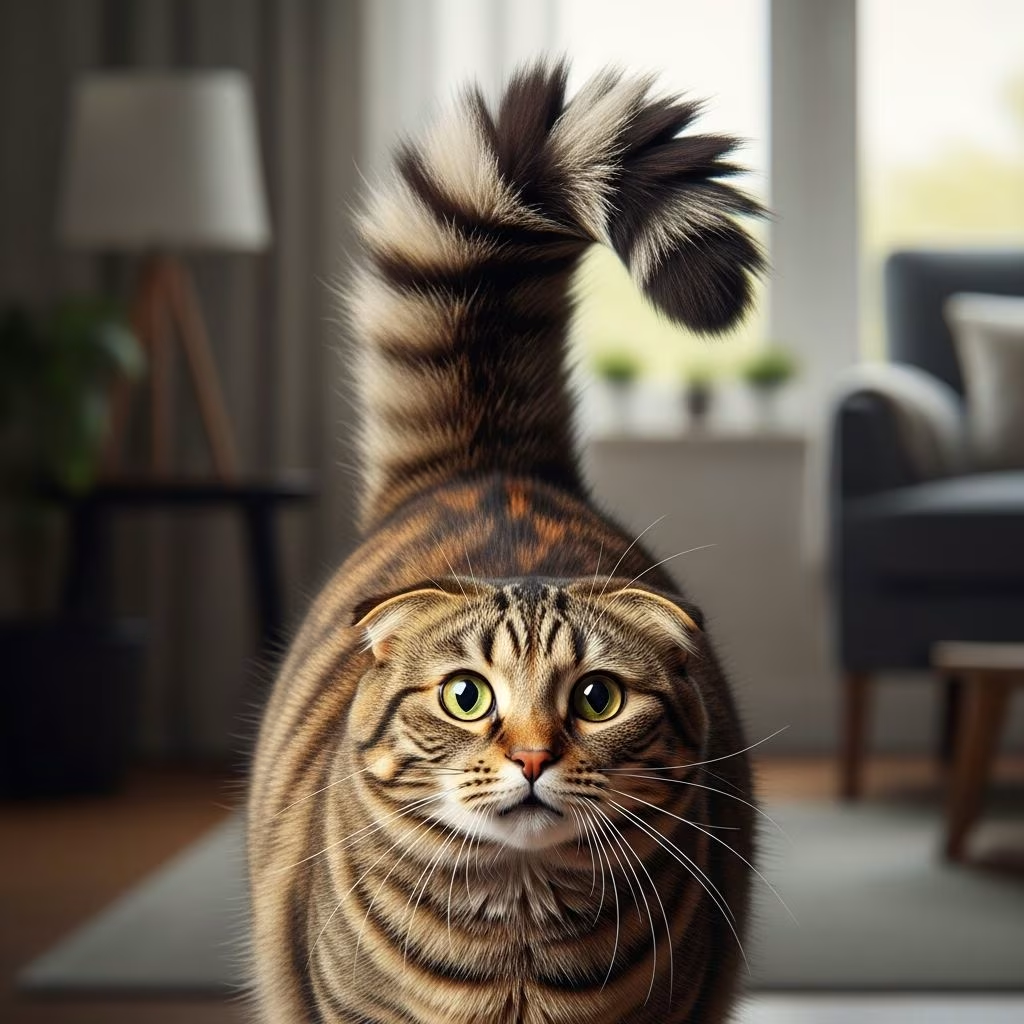
A cat’s tail puffing up, often called a “bottle brush tail,” is a striking sight that can alarm owners. This phenomenon, known scientifically as **piloerection**, occurs when the fur on the tail stands on end due to involuntary muscle contractions around hair follicles. Cats use this response to communicate emotions or react to stimuli, making their tail appear larger and more intimidating.
Understanding why cats’ tails puff up helps owners interpret their pet’s feelings and respond appropriately. It’s an instinctive behavior shared across mammals, triggered by the sympathetic nervous system during stress or excitement. While often linked to negative emotions like fear, it can also signal playfulness or surprise. This article breaks down the causes, science, and management tips.
What Is Piloerection in Cats?
**Piloerection** refers to the standing up of fur, creating a puffed appearance. In cats, it’s most noticeable on the tail, back, or base of the tail. Tiny arrector pili muscles attached to each hair follicle contract in response to adrenaline from the fight-or-flight response, trapping air and making the cat look bigger.
This involuntary reaction mimics human “goosebumps.” Cats don’t consciously control it; it’s an automatic survival mechanism inherited from wild ancestors. The tail, being a key communication tool with over 20 muscles, puffs up prominently during heightened states. Not all cats react the same—some “unflappable” felines rarely puff, while skittish ones do so frequently.
Piloerection isn’t limited to the tail; it can affect patches of fur elsewhere. Duration varies: a quick puff from surprise lasts seconds, while sustained puffing indicates ongoing threat.
Reasons Why Cats Puff Up Their Tails
Cats puff their tails for multiple reasons, primarily defensive but also playful or physiological. Here’s a breakdown:
- Aggression or Defense: To appear larger against threats like rival cats, dogs, or strangers. Accompanied by hissing, growling, arched back, and flattened ears. It’s a warning to deter fights and avoid injury.
- Fear or Survival Instinct: Most common trigger. Fear from predators, unfamiliar people, or situations prompts puffing to intimidate. Cats prefer bluffing over combat.
- Surprise or Startle Response: Sudden noises (e.g., dropped objects) or ambushes cause instant puffing. The cat assesses danger while looking bigger.
- Playful Behavior: Kittens and adults puff during enthusiastic play, practicing hunting/defense skills. Seen with toys or littermates; less intense than fear responses.
- Environmental Changes: New smells, visitors, rearrangements, or loud sounds trigger nervousness. Overstimulation from petting can also cause it.
- Temperature Regulation or Pain: Cold traps insulating air; allergies or injuries irritate skin, causing localized puffing.
- Excitement or Stress: High energy or chronic anxiety leads to puffing. Frequent occurrences warrant vet checks.
| Reason | Accompanying Signs | Duration | What to Do |
|---|---|---|---|
| Aggression/Defense | Hissing, growling, arched back | Sustained | Give space, remove threat |
| Fear/Surprise | Wide eyes, crouching, fleeing | Brief | Calm environment, comfort |
| Play | Chasing, pouncing, relaxed ears | Intermittent | Encourage safe play |
| Environmental/Stress | Frequent puffing, hiding | Variable | Reduce stressors, enrich space |
How to Tell What a Puffed Tail Means
Context is key. Observe body language: aggressive puffs pair with forward ears and stiff posture; fearful ones with pinned ears and retreat. Playful puffs show twitching tail tips and forward movement. If isolated (no other signs), it might be cold or irritation.
Monitor frequency. Occasional puffs are normal; chronic ones suggest anxiety, pain, or health issues like hyperthyroidism or allergies. Consult a vet if accompanied by lethargy, appetite loss, or skin problems.
Are Certain Cat Breeds More Prone?
No breed is inherently more prone, but personality and coat type influence visibility. Long-haired breeds like Persians show dramatic puffs; short-haired ones less so. Skittish breeds (e.g., Siamese) or individuals react more to stimuli. Environment trumps genetics—busy homes increase occurrences. Tailless breeds like Manx can’t puff but use other cues like ear position.
What Should You Do When Your Cat’s Tail Puffs Up?
Don’t punish—it’s instinctive. Instead:
- Identify triggers: Note patterns (e.g., doorbell).
- Create safety: Provide hiding spots, pheromone diffusers.
- Desensitize gradually: Expose to stimuli at low levels with treats.
- Enrich environment: Toys, scratching posts reduce boredom-stress.
- Vet visit: Rule out medical causes for persistent puffing.
For play puffs, engage safely. Never corner a defensive cat—back away slowly.
Frequently Asked Questions (FAQs)
Is a puffed-up tail always a sign of fear in cats?
No, while common in fear, it also signals aggression, surprise, play, cold, or pain. Context and body language clarify.
Can a cat’s tail puff up due to excitement or playfulness?
Yes, excitement during play mimics defensive puffs as kittens/adults practice skills.
Are certain cat breeds more prone to having their tails puff up?
It’s more about personality and environment than breed. Skittish cats puff more.
What if my cat doesn’t have a tail?
Tailless breeds use ears, whiskers, and posture for communication.
Is tail puffing harmful to cats?
No, it’s natural and harmless unless chronic, indicating underlying issues.
Conclusion
A puffed-up cat tail is a window into your pet’s emotions. By recognizing triggers like fear, play, or stress, you can foster a calmer home. Observe holistically for the best care.
References
- Why Do Cats’ Tails Puff Up? Causes and What to Do — Kinship. 2023. https://www.kinship.com/cat-behavior/why-do-cats-tails-puff-up
- What Does It Mean When a Cat Puffs Up Their Tail? — TrustedHousesitters. 2023. https://www.trustedhousesitters.com/blog/pets/why-do-cats-puff-up-their-tails/
- Why Is My Cat’s Tail All Puffed Up? — Mental Floss. 2017-10-31. https://www.mentalfloss.com/article/524452/what-makes-cats-tail-puff-when-its-scared
- The Tail of the Tale: Why Your Cat’s Tail Wags, Lashes, and Thumps — Rutherford Veterinary Hospital. 2023. https://rutherfordvet.com/cat-tails/
- Why Cats Puff Their Tails — Two Crazy Cat Ladies. 2023. https://twocrazycatladies.com/cat-behavior/why-cats-puff-their-tails/



