

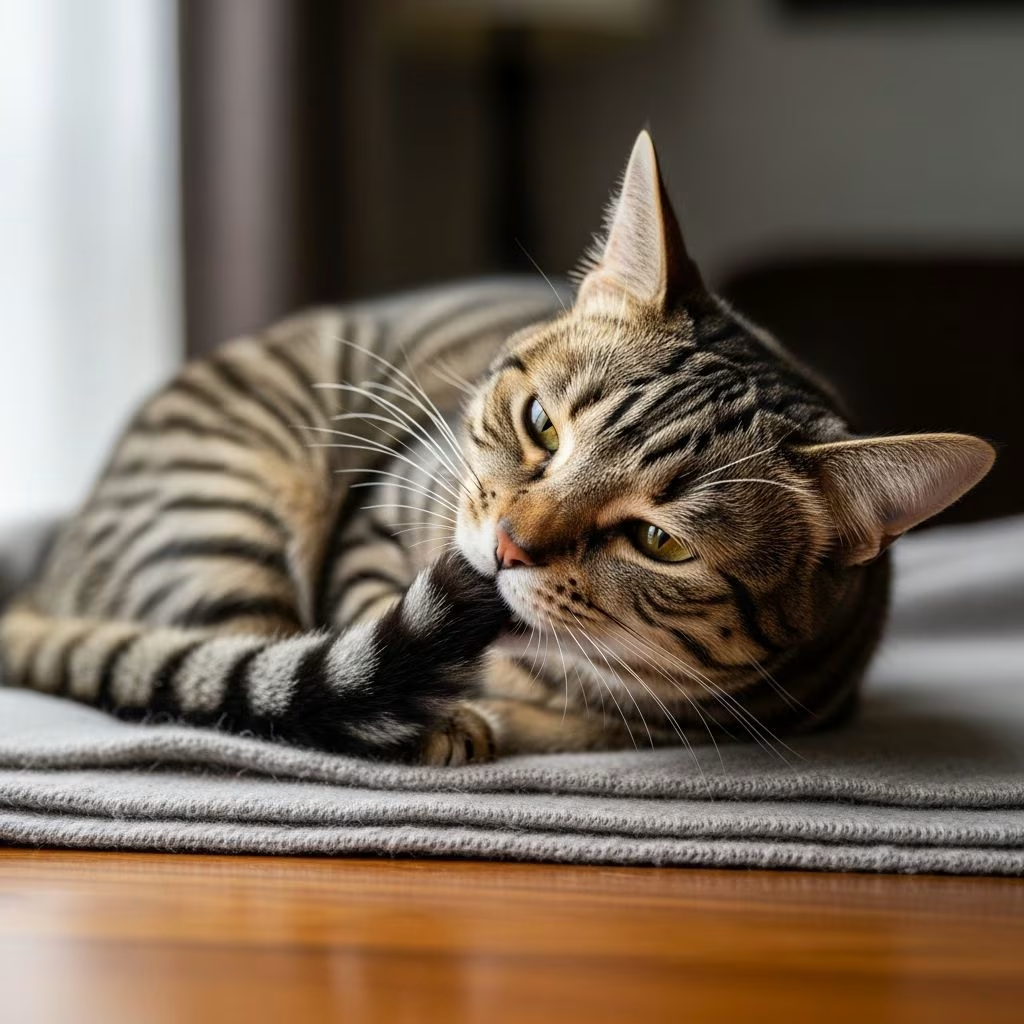
Tail-sucking in cats is a puzzling yet common behavior observed across all ages, though it’s often linked to nursing kittens. Adult cats may suck their tails habitually, before activities, or when unwell, prompting concern for owners. This comprehensive guide explores the seven primary reasons behind this feline quirk, drawing from veterinary insights to help you understand and address it effectively.
The 7 Reasons Why Cats Suck Their Tails
1. Playfulness
When cats feel playful, they frequently engage with their tails by grabbing, chasing, and even sucking on them. This behavior mirrors interactions with toys or other cats, where the tail’s erratic movements captivate their attention, mimicking a teaser toy or another animal’s appendage. Kittens and young cats are particularly prone, but adults may do it during high-energy play sessions. Observing your cat pouncing on its own tail before suckling can indicate pure joy and physical activity rather than distress.
Encouraging play with interactive toys like feather wands can redirect this energy positively, preventing overfocus on the tail. If playfulness is the cause, the behavior is typically brief and harmless, accompanied by other signs of excitement such as dilated pupils, twitching ears, and vocalizations.
2. Boredom
Boredom drives cats to self-entertain, and tail-sucking serves as an accessible outlet when environmental stimulation is lacking. Indoor cats with limited play opportunities may turn to their tails for amusement, escalating from gentle sucking to excessive grooming if needs remain unmet. This frustration can lead to self-mutilation, characterized by hair loss, skin irritation, and bald patches on the tail base.
To combat boredom, provide species-appropriate enrichments like puzzle feeders, climbing trees, window perches, and daily interactive play sessions lasting 15-20 minutes. Rotating toys prevents habituation, ensuring mental engagement. Monitor for progression to overgrooming, which signals deeper issues beyond mere idleness.
- Signs of boredom-induced tail-sucking: Repetitive behavior in quiet environments, lack of interest in toys, lethargy between episodes.
- Prevention tips: Introduce scent games, hide treats, or adopt a companion cat if feasible.
3. Instinct
Suckling is an innate behavior rooted in kittenhood, persisting post-weaning around 6-8 weeks. Kittens nurse for nutrition, comfort, and security, often extending this to tails, paws, or fabrics. While most outgrow it, some adults retain the instinct, triggered by familiar textures or scents reminiscent of mother’s milk. This harmless habit evokes early feelings of safety without nutritional need.
Breeds like Siamese, Burmese, Tonkinese, and Balinese show higher predisposition due to genetics, with early weaning exacerbating retention into adulthood. If occasional and non-destructive, no intervention is required; it’s a vestige of natural development.
4. Allergies
Allergies cause intense itching on the tail, prompting sucking or biting for relief. Common allergens include fleas, food proteins, environmental pollen, or contact irritants like cleaning products. Look for accompanying symptoms to confirm:
- Hair loss, especially symmetric patterns.
- Frequent scratching or rubbing against surfaces.
- Overgrooming leading to scabs or sores.
- Red, inflamed skin.
Veterinary diagnosis via skin scrapes, allergy tests, or elimination diets is essential. Treatments range from flea preventatives and hypoallergenic diets to medicated shampoos and antihistamines. Untreated allergies worsen, risking secondary infections.
5. Pain or Discomfort
Cats mask pain adeptly, using tail-sucking as self-soothing via endorphin release from licking. Potential sources include arthritis in the tail vertebrae, injuries from falls or fights, infections, abscesses, or urinary issues radiating discomfort. Excessive sucking causing irritation indicates underlying problems.
Watch for subtle cues: Limping, reduced appetite, hiding, aggression when tail touched, or litter box avoidance. Prompt vet exams with X-rays or bloodwork pinpoint causes, enabling treatments like pain meds, antibiotics, or joint supplements. Early intervention prevents chronic issues.
| Pain Indicator | Possible Cause | Action |
|---|---|---|
| Guarding tail | Injury/Abscess | Vet exam, imaging |
| Licking + limping | Arthritis | Anti-inflammatories |
| Straining to urinate | Bladder issues | Urinalysis |
6. To Promote Relaxation
Positive associations from kitten nursing carry over, with tail-sucking inducing calm akin to a security blanket. Cats may do this pre-sleep, in cozy spots, or during purring/kneading sessions, releasing feel-good hormones for stress-free downtime. It’s common in contented environments, differing from anxious over-suckling by its gentle, infrequent nature.
Owners report cats curling up, sucking tails softly while drooling or rumbling purrs, signaling bliss. Enhancing relaxation with soft bedding, pheromone diffusers, or quiet routines supports this benign habit without escalation.
7. Anxiety or Stress
High arousal from changes like moves, new pets, or loud noises triggers displacement behaviors, where tail-sucking substitutes for unattainable coping actions. Endorphins from grooming soothe, but chronic cases lead to psychogenic alopecia (stress-induced hair loss).
Risk factors: Early weaning, multi-cat conflicts, resource scarcity. Signs include hiding, vocalizing, inappropriate elimination. Management involves environmental tweaks—separate feeding areas, Feliway diffusers, routine stability—and vet-prescribed anti-anxiety meds if severe. Behavioral consults address roots.
Reader FAQ
Q: Is tail-sucking normal in adult cats?
A: Yes, often due to retained instincts or relaxation, especially in certain breeds. Occasional episodes are harmless; monitor for excess.
Q: When should I worry about my cat sucking its tail?
A: Concern arises with hair loss, wounds, behavioral changes, or sudden onset—indicating allergies, pain, or stress. Consult a vet promptly.
Q: How can I stop excessive tail-sucking?
A: Enrich environment, rule out medical issues, use distraction toys. For stress, pheromone products or professional behavior help.
Q: Are some cats more prone to this?
A: Oriental breeds like Siamese are genetically predisposed, often suckling fabrics or tails lifelong.
Q: Does it relate to nursing on blankets?
A: Absolutely—same instinct; tails provide convenient, always-available comfort objects.
Conclusion
Cat tail-sucking spans benign play, instinct, and relaxation to serious signals like pain, allergies, or anxiety. While occasional is fine, vigilance for escalation ensures health. Tailor responses: Boost play for boredom, vet checks for physical woes, stability for stress. Understanding empowers owners to foster happier felines.
References
- Why Do Cats Suck Their Tails? 7 Vet-Reviewed Reasons — Catster. 2023-10-15. https://www.catster.com/cat-behavior/why-do-cats-suck-their-tails/
- Why Cats Suckle, and How To Stop It — Chewy Education (Veterinarian reviewed). 2024-05-20. https://www.chewy.com/education/cat/training-and-behavior/how-can-i-stop-cats-suckling-behavior
- Is Your Cat Suckling Blankets as an Adult? — PetMD (Veterinarian authored). 2024-08-12. https://www.petmd.com/cat/behavior/why-do-cats-suckle-on-blankets
- Cat Suckling: Why is My Cat Still Trying to Nurse as an Adult? — Lake City Animal Hospital (Veterinary clinic). 2023-11-05. https://lakecityanimalhospital.com/blog/cat-suckling/
- Why Do Cats Suckle Their Tails? — React-A-Cat (YouTube Veterinary Short). 2023-07-10. https://www.youtube.com/shorts/2Bbxga_JN8Q



