

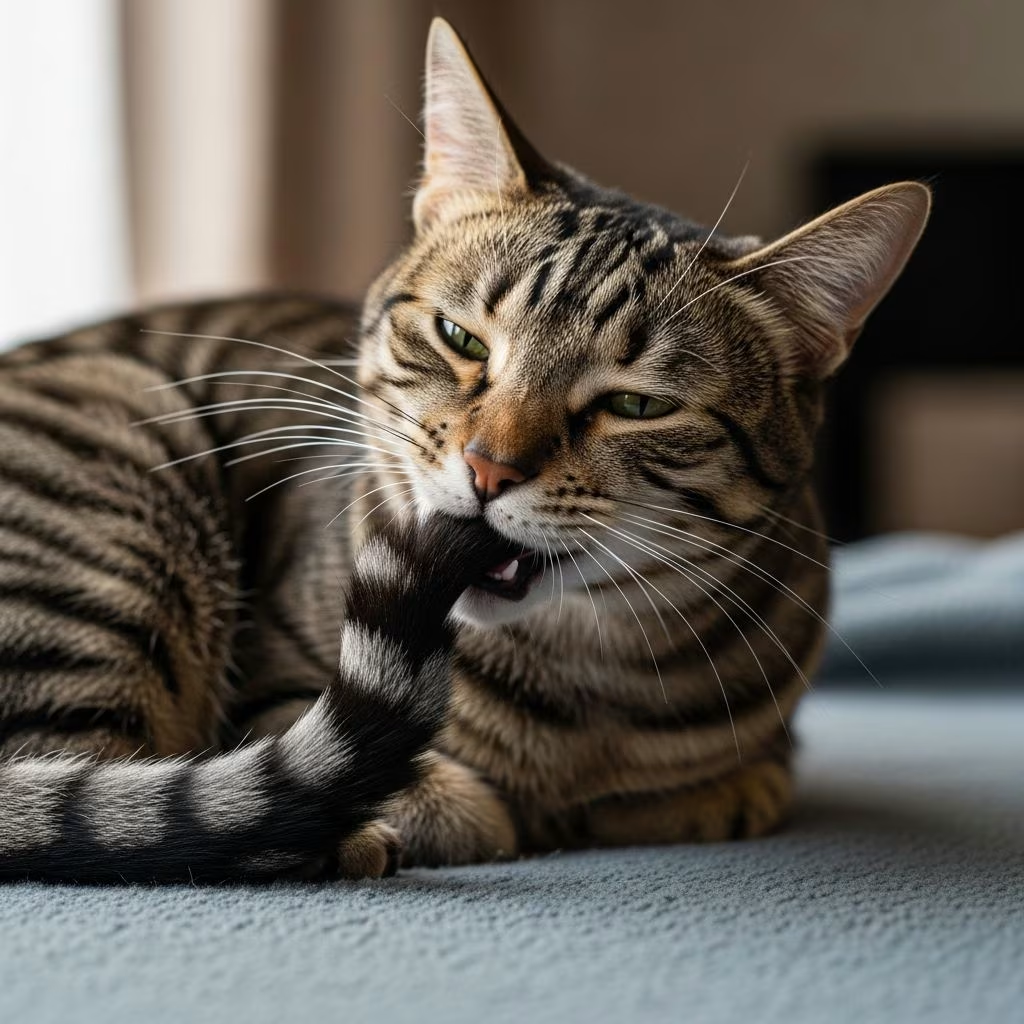
Tail-sucking in cats is a puzzling yet common behavior observed across all ages, though it’s often linked to nursing kittens. Adult cats may suck their tails habitually, before activities, or when unwell. This comprehensive guide explores **seven vet-reviewed reasons** for this behavior, helping you determine if it’s harmless or a sign of concern.
The 7 Reasons Why Cats Suck Their Tails
Understanding why your cat engages in tail-suckling requires examining instinctual, environmental, and health-related factors. Below, we break down each possibility with insights from veterinary experts.
1. Playfulness
When cats feel **playful**, they often chase and suck on their tails as part of energetic fun. This is frequent during sessions with toys like wands or teasers, where the tail’s swift movements mimic prey. Cats might grab their tail mid-play, mistaking it for another cat’s appendage or a toy. Kittens especially exhibit this, but adults do too when excited. Observe if it coincides with batting at strings or laser pointers—it’s typically benign self-entertainment.
To encourage healthy play, provide interactive toys that engage their hunting instincts without self-targeting. Rotating toys prevents habituation and reduces tail fixation.
2. Boredom
**Boredom** drives cats to self-entertain by sucking tails when mental stimulation is lacking. Indoor cats with few outlets may turn to their tail for relief from frustration. Without enrichment, this can escalate to overgrooming, causing hair loss, skin irritation, or self-mutilation.
Signs include lethargy, excessive sleeping, or destructive behaviors. Combat boredom with:
- Puzzle feeders for foraging simulation.
- Window perches for bird-watching.
- Daily play sessions (15-30 minutes).
- Scratching posts and climbing trees.
Species-appropriate enrichment meets their needs as obligate carnivores with high curiosity.
3. Instinct
**Instinct** plays a major role, as suckling evokes the comfort of nursing from their mother. Kittens weaned around 6 weeks may continue for weeks, suckling tails or objects for security. This kneading-suckling combo, often with purring, persists in some adults, resembling human comfort habits like thumb-sucking.
Early weaning heightens this; kittens separated prematurely show prolonged suckling into adulthood. It’s harmless unless obsessive, providing emotional solace tied to early bonding.
4. Allergies
**Allergies** cause itchy tail skin, prompting sucking for relief. Feline allergies manifest as:
- Hair loss (alopecia).
- Frequent scratching or biting.
- Overgrooming hotspots.
- Scabs, sores, or redness.
Common allergens include fleas, food, pollen, or fabrics. Tail bases are prone due to oil glands. Veterinary skin scrapes or allergy tests confirm causes. Treatments involve hypoallergenic diets, flea preventives, or medicated shampoos. Monitor for eosinophilic plaques or miliary dermatitis.
5. Pain or Discomfort
Cats suck tails to **self-soothe pain**, releasing endorphins via licking. Causes include arthritis, injuries, infections, abscesses, or urinary issues. They hide pain masterfully, so new tail-suckling warrants a vet visit, especially with limping, appetite loss, or litter box avoidance.
Examine for swelling, wounds, or heat. Diagnostics like X-rays or bloodwork pinpoint issues. Pain management might involve NSAIDs, joint supplements, or surgery. Early intervention prevents chronic overgrooming psychogenic alopecia.
6. To Promote Relaxation
**Relaxation** motivates suckling, recapturing nursing’s calm. Adult cats may suck tails to unwind, fall asleep, or settle in cozy spots, associating it with maternal security. Paired with kneading, it’s a positive self-comfort ritual, common in cozy beds or post-meal.
Unlike stress-induced, this is rhythmic and brief. Enhance with pheromone diffusers or soft blankets mimicking fur.
7. Anxiety or Stress
**Anxiety or stress** triggers suckling as displacement behavior, where cats perform irrelevant actions amid conflict. Endorphins soothe, but excess leads to tail-chewing or fabric addiction. Triggers: changes like moves, new pets, or resource scarcity.
Breeds like Siamese, Burmese, Tonkinese show genetic predisposition. Stress signs: hiding, aggression, litter issues, or overgrooming. Mitigate with:
| Strategy | Benefits |
|---|---|
| Environmental enrichment | Reduces boredom-induced stress |
| Feliway diffusers | Mimics calming pheromones |
| Consistent routines | Provides security |
| Vet behaviorist consult | Addresses OCD-like patterns |
Is Tail Suckling Harmful?
Occasional suckling for instinct or relaxation is benign. Worry if excessive: bald patches, wounds, or sudden onset signal allergies, pain, or stress. Breeds like Orientals are prone but not immune to issues.
When to See a Vet
Consult a vet if:
- Suckling causes skin damage or hair loss.
- Accompanied by lethargy, vomiting, or behavior shifts.
- New in adults or intensifies.
Rule out medical causes first; behaviorists handle psychological ones.
How to Stop Tail Suckling
Address roots:
- Enrich environment: Toys, perches, companions.
- Manage stress: Pheromones, routines.
- Treat health: Meds for allergies/pain.
- Distraction: Redirect to toys; ignore mildly.
Avoid punishment; it worsens anxiety. Track patterns in a journal for vet insights.
Frequently Asked Questions (FAQs)
Is it normal for adult cats to suck their tails?
Yes, often instinctual or comforting, but monitor for excess.
Why do Siamese cats suckle more?
Genetics make Oriental breeds prone to prolonged suckling.
Can tail suckling indicate illness?
Yes, via allergies, pain, or stress; vet check recommended.
How to prevent overgrooming from suckling?
Enrich life, treat causes, use e-collars short-term.
Does early weaning cause suckling?
Yes, increasing stress-related persistence.
References
- Why Do Cats Suck Their Tails? 7 Vet-Reviewed Reasons — Catster. 2023. https://www.catster.com/cat-behavior/why-do-cats-suck-their-tails/
- Why Cats Suckle, and How To Stop It — Chewy. 2023. https://www.chewy.com/education/cat/training-and-behavior/how-can-i-stop-cats-suckling-behavior
- Is Your Cat Suckling Blankets as an Adult? — PetMD. 2023. https://www.petmd.com/cat/behavior/why-do-cats-suckle-on-blankets
- Cat Suckling: Why is My Cat Still Trying to Nurse as an Adult? — Lake City Animal Hospital. 2023. https://lakecityanimalhospital.com/blog/cat-suckling/
- Cat Behavior Problems – Chewing and Sucking — VCA Animal Hospitals. 2023. https://vcahospitals.com/know-your-pet/cat-behavior-problems—chewing-and-sucking



