

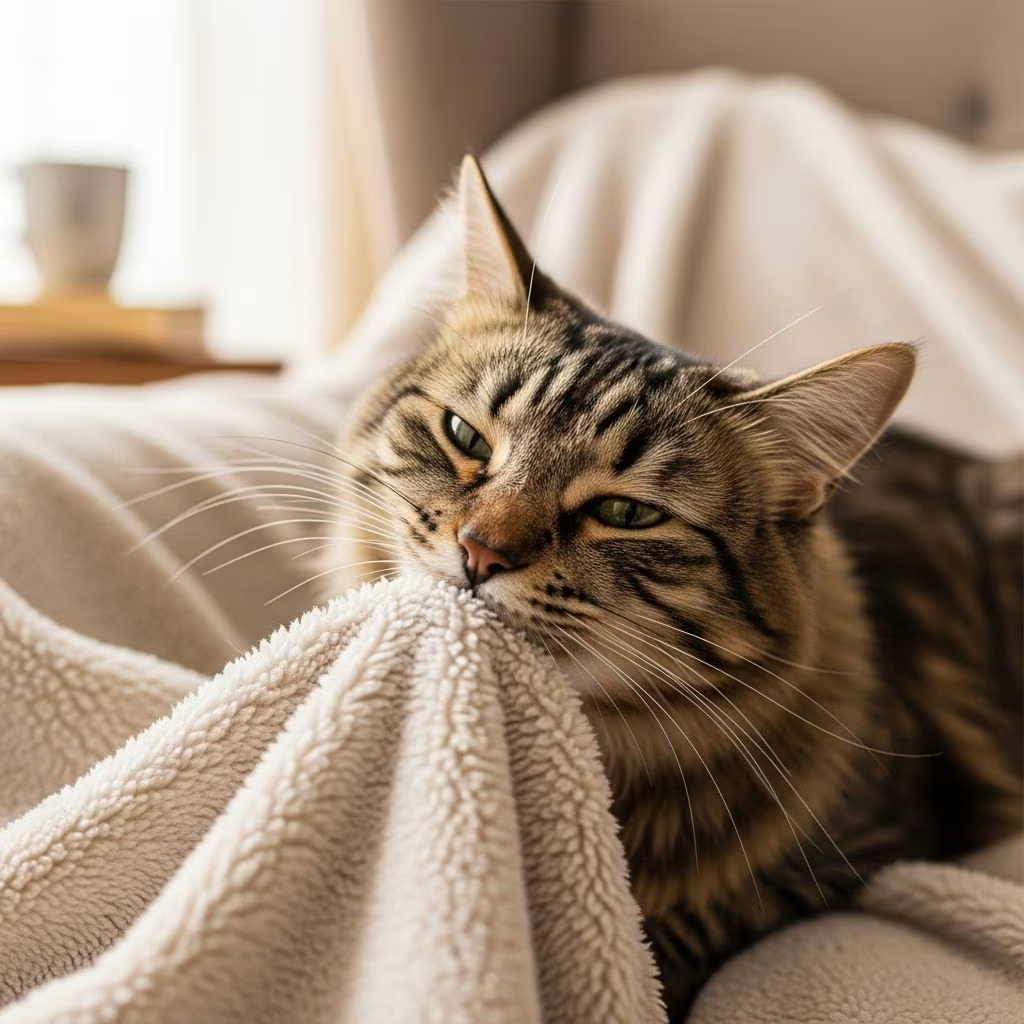
Cats sucking on blankets is a peculiar yet common behavior that many pet owners observe. This action, often accompanied by kneading or ‘making biscuits,’ mimics the nursing motion kittens use when feeding from their mother. While it may seem odd, it stems from deep-rooted instincts and can serve various purposes in adult cats.
Understanding this habit helps cat parents distinguish between harmless quirks and potential signs of underlying issues. In this comprehensive guide, we’ll explore the primary reasons cats engage in blanket suckling, associated risks, breed predispositions, and practical management strategies.
What Is Wool Sucking in Cats?
Wool sucking, also known as blanket nursing or fabric suckling, involves a cat rhythmically sucking on soft materials like blankets, sweaters, or towels while often kneading with their paws. This behavior replicates the suckle-and-knead action performed by kittens to stimulate milk flow from their mother.
Though termed ‘wool sucking,’ it extends beyond wool fabrics to any soft, fuzzy texture that evokes the sensation of a mother’s fur or belly. Experts note it’s most prevalent in cats weaned prematurely but can persist lifelong.
Reasons Why Cats Suck on Blankets
Several factors contribute to this behavior. Here’s a breakdown of the most common explanations:
- Early Weaning and Comfort Seeking: Cats separated from their mothers before 8-12 weeks often retain nursing behaviors into adulthood. Suckling releases oxytocin, promoting relaxation and mimicking the security of kittenhood.
- Stress and Self-Soothing: When anxious, cats suckle to self-soothe, similar to how humans might fidget or chew nails. This calms them by recreating a safe, nurturing experience.
- Contentment and Bonding: A relaxed cat may suckle as a sign of happiness, especially on owners’ laps, indicating strong affection and trust.
- Scent Marking: Kneading deposits pheromones from paw glands, marking the blanket as territory while the sucking motion comforts.
- Dietary Deficiencies: Nutrient gaps, like fiber shortages, can prompt pica-like fabric chewing, though true sucking differs.
- Thirst or Dental Issues: Rarely, dehydration or oral pain leads to sucking for relief, often with bad breath or dry food-only diets.
Table: Common Triggers for Blanket Suckling
| Trigger | Description | Signs |
|---|---|---|
| Early Weaning | Weaned before 8 weeks | Lifelong habit, starts young |
| Stress/Anxiety | Environmental changes | Increased during moves or new pets |
| Contentment | Happy, relaxed state | Purring, half-closed eyes |
| Breed Genetics | Oriental breeds prone | Hereditary in Siamese, Burmese |
Cat Breeds Prone to Blanket Sucking
Certain breeds exhibit heightened tendencies toward wool sucking due to genetics. Siamese, Burmese, Balinese, and Himalayan cats are notorious for this trait, possibly linked to intensified bonding instincts or retained juvenile behaviors.
The Cornell Feline Health Center highlights that these Oriental breeds retain kitten-like traits longer, including suckling. Mixed breeds with Siamese ancestry may also display it. If your cat is one of these breeds, the behavior is likely benign unless excessive.
Is Cat Blanket Sucking Normal?
Occasional suckling is normal and harmless, reflecting instinctual comfort-seeking. However, monitor for excessiveness, which might signal:
- Sudden onset in adult cats (possible medical issue).
- Compulsive repetition disrupting daily life.
- Accompanied by aggression, lethargy, or appetite loss.
Veterinarians emphasize it’s rarely problematic if the cat remains healthy and happy.
Risks and Dangers of Blanket Suckling
While mostly safe, risks include:
- Ingestion Hazards: Swallowing threads can cause linear foreign body obstructions, bunching intestines or perforating walls—potentially fatal.
- Pica Development: Escalation to eating non-food items signals nutritional or GI issues.
- Dental Damage: Threads tangling around teeth or tongues.
Opt for pet-safe fabrics without loose threads. Supervise and redirect if needed.
When to See a Vet for Suckling Behavior
Consult a veterinarian if suckling is:
- New in an older cat.
- Paired with vomiting, diarrhea, weight loss, or hairballs.
- Obsessive, preventing eating/sleeping.
- Linked to thirst (ensure fresh water access).
Rule out hyperthyroidism, dental disease, or anemia. A behaviorist can address anxiety.
How to Stop Cats from Sucking on Blankets
Discourage without punishment to avoid stress:
- Provide Alternatives: Offer kitten milk replacers, soft toys, or fleece blankets designed for suckling.
- Enrich Environment: Add scratching posts, puzzle feeders, and playtime to reduce boredom/stress.
- Diet Check: Ensure balanced nutrition with vet-recommended food; add fiber if needed.
- Positive Reinforcement: Distract with treats/toys during episodes; reward calm behavior.
- Comfort Routines: Establish grooming/affection sessions to fulfill bonding needs.
For severe cases, pheromone diffusers like Feliway or behavior modification plans help.
FAQs
Why does my kitten suck on blankets more than my adult cat?
Kittens weaned early suckle more as they haven’t fully transitioned. Adults may outgrow it unless genetically predisposed.
Is blanket sucking a sign of separation anxiety?
Possibly, if excessive during owner absences. Combine with other signs like vocalizing or destructiveness.
Do all Siamese cats suck on blankets?
Not all, but many due to breed genetics. It’s a known characteristic.
Can suckling lead to health problems?
Yes, via ingestion risks. Monitor fabrics and vet checkups prevent issues.
Should I punish my cat for suckling?
No—it’s instinctual. Redirect gently to build trust.
Conclusion
Cat blanket suckling is typically a benign remnant of kittenhood, offering comfort and expressing contentment. While breeds like Siamese are prone, excessive or sudden instances warrant veterinary attention to exclude health concerns. By providing safe outlets and enrichment, you can manage this endearing quirk effectively, strengthening your bond with your feline friend.
References
- Why Does My Cat Suck on Blankets? — Rover.com. 2023-05-15. https://www.rover.com/blog/why-cat-sucks-blankets/
- Why Do Cats Suck on Blankets? A Veterinarian Explains — Cats.com. 2024-02-20. https://cats.com/why-do-cats-suck-on-blankets
- Why Do Adult Cats Suck on Blankets? EXPLAINED — Catster YouTube Channel. 2023-11-10. https://www.youtube.com/watch?v=DYtSFKNao_o
- Why Cats Suckle, and How To Stop It — Chewy.com. 2024-01-08. https://www.chewy.com/education/cat/training-and-behavior/how-can-i-stop-cats-suckling-behavior
- Why do cats suck on blankets? — Modkat. 2023-09-12. https://modkat.com/blogs/modkat-purrr/why-do-cats-suck-on-blankets



