

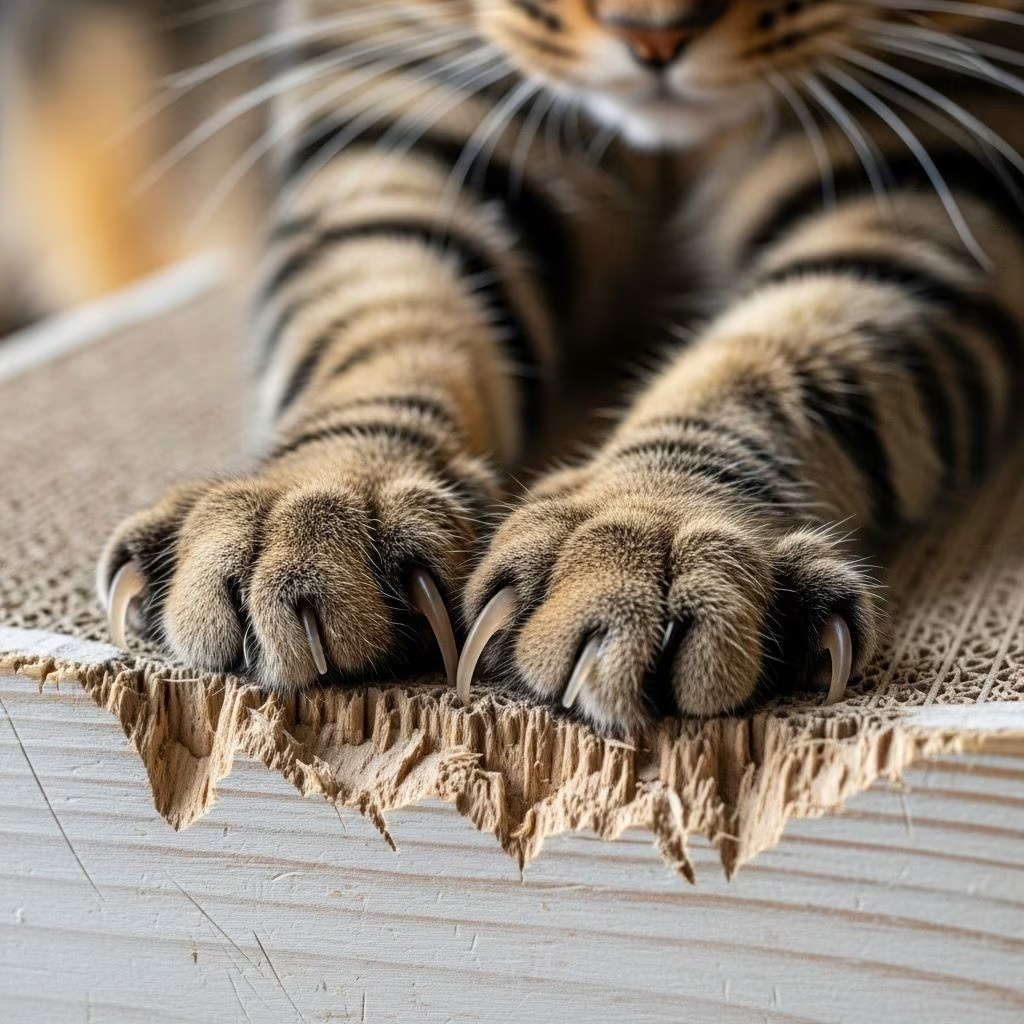
Cats frequently stretch their claws, a behavior that serves multiple purposes rooted in their physiology, instincts, and social needs. This action, often seen after waking or during greetings, helps maintain physical health while communicating with owners and other cats.
The Physical Reasons Cats Stretch Their Claws
Stretching claws primarily aids in physical maintenance. Cats extend their claws during stretches to keep muscles flexible, improve circulation, and lubricate joints, preventing stiffness after rest periods. This full-body extension realigns the spine and promotes blood flow, essential for their agile lifestyle.
Claw extension also sharpens and conditions nails naturally. By flexing claws against surfaces or paw pads, cats shed outer nail layers, keeping claws sharp for climbing, hunting, and self-defense. This kneading-like motion stretches toe muscles and maintains nail flexibility.
Territorial Marking and Scent Glands
Cats possess scent glands in their paw pads, releasing pheromones when they stretch and scratch. This deposits chemical markers signaling ownership to other cats, a subtle territorial claim even in homes.
Standing stretches against posts or furniture combine stretching with scratching, flexing muscles while marking. This instinctive behavior reinforces security in their environment.
Greeting and Social Bonding
When cats stretch claws toward owners, it signals affection and comfort. This exaggerated stretch draws attention, requesting interaction, pets, or treats, showing trust and happiness.
In multi-cat homes, open stretching indicates peace and lack of threat. Belly-up stretches expose vulnerability, a high-trust gesture, though touching may not always be welcome.
Stress Relief and Comfort
Stretching releases tension, acting as self-soothing amid stressors like noises or changes. It promotes relaxation, akin to human yoga, helping cats regain calm.
Kneading with claw flexing evokes kittenhood nursing comfort, now a contentment sign in adults.
Different Types of Cat Stretches Involving Claws
- Full-Body Stretch: Front legs forward, back arched, claws extended—common post-nap for muscle realignment and circulation.
- Standing Stretch: Rear legs planted, front paws up on surfaces, claws out for marking and vertical flexing.
- Belly-Up Stretch: Rolled over, paws flexed skyward—trust display, claws visible but not aggressive.
- Kneading Stretch: Alternating paw presses with claw flexes on soft surfaces, combining comfort and marking.
When Stretching Claws Might Indicate a Problem
Normal stretching is frequent and fluid, but changes warrant attention. Excessive stretching with vocalizing, appetite loss, or mobility issues may signal pain like arthritis or abdominal discomfort.
| Normal Behavior | Potential Problem Signs |
|---|---|
| Regular after sleep, relaxed posture | Excessive, stiff movements, limping |
| Accompanied by purring, playfulness | With hiding, aggression, reduced eating |
| Claws flex smoothly | Obsessive kneading, avoidance of stretch |
Reluctance to stretch suggests stiffness or injury; consult a vet for persistent changes.
How Stretching Reflects Feline Instincts
Wild ancestors stretched before hunts to warm muscles for pouncing. Domestic cats retain this, prepping for play or exploration.
Body language-wise, slow claw stretches signal non-threat, promoting harmony.
Encouraging Healthy Stretching Habits
- Provide scratching posts for safe claw maintenance and marking.
- Ensure ample space like cat trees for full stretches.
- Offer soft blankets for kneading without damage.
- Monitor for over-stretching; enrich environment to reduce stress.
Frequently Asked Questions (FAQs)
Why does my cat stretch its claws when it sees me?
This is a greeting showing comfort and desire for attention, often with pheromones marking you as family.
Is claw stretching a sign of pain?
Usually not, but excessive or altered patterns with other symptoms like limping may indicate issues; vet check recommended.
How can I tell if stretching is territorial?
Claws on vertical surfaces with rubbing—scent glands activate for marking.
Should I trim my cat’s claws if they stretch a lot?
Regular trims prevent overgrowth, but allow natural shedding via posts.
Why do cats knead with claws out while stretching?
Kneading stretches muscles, marks territory, and recalls kitten comfort.
This comprehensive look reveals claw stretching as vital for cat well-being. Observe your feline’s habits to deepen your bond and spot needs early. (Word count: 1678)
References
- WHY YOUR CAT STRETCHES WHEN SEEING YOU — YouTube. 2023. https://www.youtube.com/watch?v=cXV-iFBLflY
- Cat Stretching: Why They Do It and What It Means — Fulton County Vet Clinic. 2024-05-15. https://fultoncountyvetclinic.com/blog/cat-stretching/
- My cat’s been flexing its claws against its paw pad for a … — Dial A Vet. 2024. https://www.dialavet.com/vet-answers/cat-flexing-claws-paw-pad-behavior-66950
- The Mystery of Cat Stretching: Reasons Why Your Cat Stretches — Cats.com. 2023-11-20. https://cats.com/physiological-and-psychological-reasons-for-your-cats-stretching-behavior



