

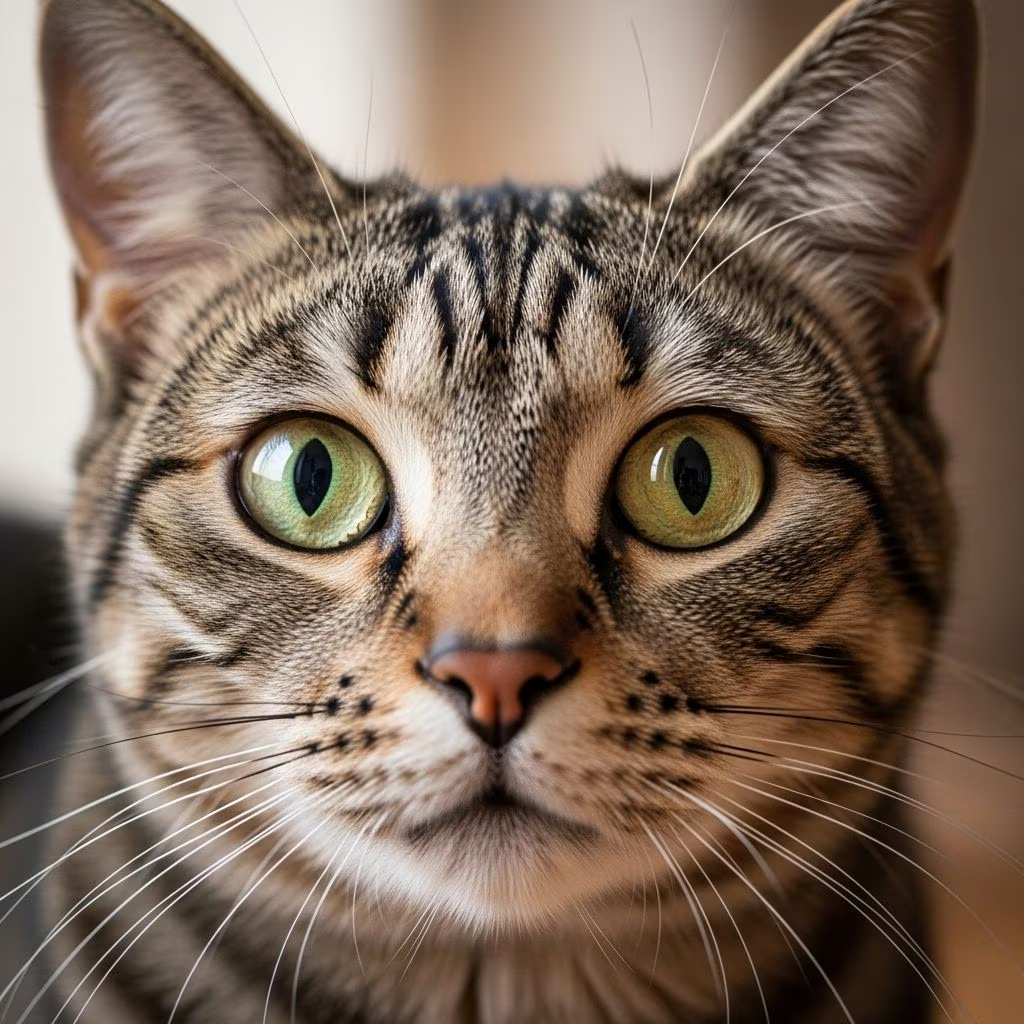
Cats are enigmatic creatures, renowned for their piercing stares that can leave owners puzzled, amused, or even unsettled. Whether your feline companion is fixing you with an unblinking gaze, intently watching a blank wall, or seemingly staring into thin air, there’s often a logical explanation rooted in their biology, instincts, and emotions. This comprehensive guide explores **11 key reasons why cats stare**, drawing from veterinary insights and feline behavior studies. Understanding these behaviors not only deepens the bond with your pet but also helps identify when a stare might signal a health concern.
Cats’ stares are far from random; they stem from their evolutionary adaptations as predators with exceptional sensory capabilities. Their eyes, equipped with structures like the tapetum lucidum—a reflective layer behind the retina—grant them superior low-light vision up to six times better than humans. Combined with acute hearing and scent detection, these traits make cats vigilant observers of their world. Let’s dive into the most common reasons behind those mesmerizing stares.
1. They’re Showing Affection
One of the sweetest reasons cats stare is to express love and trust. When your cat locks eyes with you, especially accompanied by slow blinks and a relaxed body posture, it’s their way of saying, “I feel safe with you.” This “cat kiss” involves half-closed eyes and deliberate slow blinks, signaling positive emotions. A study on feline communication confirms that mutual slow blinking between cats and humans fosters affection and reduces tension.
To reciprocate, try slow-blinking back at your cat. Position yourself at eye level, narrow your eyes gently, and hold the gaze briefly before looking away. Many owners report their cats responding with purrs or approaching for pets, strengthening the human-feline bond. This affectionate staring often occurs during quiet moments, like when you’re lounging on the couch, turning a simple glance into a heartfelt exchange.
2. They Love You (And a Slow Blink Means “I Love You”)
Building on affection, a prolonged stare with slow blinks is a profound declaration of love in cat language. Unlike dogs, who use tail wags and licks, cats convey emotions subtly through eye contact. Their stare here is soft and steady, often paired with kneading paws or a gentle head butt afterward. Veterinary behaviorists note this as a sign of deep attachment, particularly in well-socialized indoor cats.
If your cat stares while purring or rubbing against you, it’s peak bonding time. Encourage this by offering treats or play sessions post-stare, reinforcing the positive association. Far from creepy, this behavior highlights cats’ capacity for profound emotional connections, dispelling myths of them being aloof.
3. They’re Protecting You (Like Mama Cat)
Mother cats stare intently at their kittens to safeguard them from threats, a protective instinct that carries over to their human families. Your cat may stare at you during vulnerable moments—like when you’re asleep or eating—to monitor for danger. This vigilant gaze stems from their territorial nature, ensuring their “pride” remains safe.
Observe if the staring intensifies at night or when you’re stationary. It’s a compliment, indicating they view you as family worth guarding. Respect this by providing safe spaces like cat trees for them to oversee their domain.
4. They Want Something (Usually Food)
A classic stare-down at mealtime? Your cat is communicating hunger or a desire for treats. Cats are masters of non-verbal cues, using direct eye contact to solicit attention or food. This behavior mimics wild felines signaling pack members for shares of a kill.
Paired with meows or pawing, it’s impossible to ignore. Feed on schedule to prevent habitual staring, but note persistent hunger stares could indicate dietary needs—consult a vet for portion adjustments.
5. They’re Hunting Instincts at Play
Despite domestication, cats remain predators. Staring is their focus mode before pouncing, tracking tiny movements like dust motes or insects. You’ll see ear twitches and tail flicks as they hyper-focus, pupils dilating for precision.
This explains wall or floor stares—potential prey lurks. Provide toys mimicking movement, like feather wands, to satisfy this drive and prevent boredom-induced fixation.
6. They’re Being Curious
Curiosity fuels many stares, as cats investigate novelties: your phone’s glow, a window bird, or your odd human habits. Their wide 200-degree field of vision and peripheral sensitivity detect subtleties we miss.
A tilted head often accompanies this exploratory stare. Embrace it by engaging with interactive toys, turning curiosity into playtime.
7. They Have Better Senses Than Us
Cats perceive a world beyond human limits. They see ultraviolet light, reflected in fabrics or urine marks, and detect microscopic movements via hyper-sensitive vision. Sounds like rodents in walls or pheromones trigger stares at “nothing”.
The tapetum lucidum amplifies light, making shadows dance. Hollow modern walls amplify noises, turning blank spaces into sensory hotspots.
8. They’re Overstimulated or Stressed
An intense, unblinking stare with dilated pupils, flattened ears, or tail thrashing signals overstimulation or stress. This “back off” warning prevents escalation to swats or hisses.
Give space during these moments; petting can provoke bites. Signs include stiff posture—diffuse tension with quiet environments or pheromone diffusers.
9. They’re Asserting Dominance
In multi-cat homes, stares establish hierarchy. Prolonged eye contact challenges rivals, with the first to blink submitting. Against owners, it’s territorial monitoring.
Direct stares can mimic aggression; avert eyes to de-escalate. Neutering reduces intensity.
10. Medical Reasons
While normal, sudden or excessive staring warrants vet checks. Cognitive dysfunction in seniors causes vacant stares; vision issues like cataracts alter gazes; neurological problems add twitching.
Watch for bumping objects, appetite loss, or hiding. Early detection via exams, including bloodwork, improves outcomes.
11. They Sit or Sleep With Eyes Open
Cats’ nictitating membrane (third eyelid) lets them rest eyes open, appearing to stare while dozing. This conserves energy for quick alertness.
Common in safe environments, it’s not vacant—gentle touch tests responsiveness.
Why Do Cats Stare at Walls?
Wall stares often track unseen stimuli: insects, sounds, scents, or light flickers. Superior hearing picks HVAC hums; UV reflections intrigue. Modern homes amplify these.
Rarely problematic, but with disorientation, check for health issues.
Why Do Cats Stare at Nothing?
“Nothing” stares arise from sensory superiority: peripheral motion, pheromones, or micro-movements. Light shifts or ghosts (per folklore) factor in, but science points to senses.
- UV Vision: Sees invisible patterns.
- Micro-Movements: Dust or air currents.
- Sounds/Smells: Hidden cues.
Frequently Asked Questions (FAQs)
Should I Stare Back at My Cat?
Direct staring challenges cats; slow blink instead to show affection. Prolonged contact stresses them.
What Does It Mean When Cats Stare at You With Their Mouth Open?
This Flehmen response analyzes scents, mouth aiding pheromones—not aggression.
Why Do Cats Stare at You and Then Meow?
Attention-seeking for food, play, or cuddles. Respond consistently.
Should I Be Worried if My Cat Stares at Me?
Usually affectionate; worry with symptoms like lethargy—vet visit advised.
Do Cats Stare at Nothing Because They See Ghosts?
No scientific basis; superior senses explain it. Anecdotes persist, but biology prevails.
References
- Reasons Behind Cats Staring at Nothing and What They Actually See — The Refined Feline. 2023. https://www.therefinedfeline.com/reasons-behind-cats-staring-at-nothing-and-what-they-actually-see/
- Cat Staring: Decoding Your Cat’s Behavior — Pumpkin Pet Insurance. 2023. https://www.pumpkin.care/post/why-does-my-cat-stare-at-me
- Why Does My Cat Stare at Me? 7 Reasons Explained — Birdsbesafe. 2023. https://www.birdsbesafe.com/blogs/news/why-does-my-cat-stare-at-me
- Why Does My Cat Stare at Me? — Montgomery Veterinary Associates. 2023. https://mvavets.com/blog/why-does-my-cat-stare-at-me/
- Why Do Cats Stare at Nothing? — VCA Animal Hospitals. 2023. https://vcahospitals.com/resources/behavior-cat/why-do-cats-stare-at-nothing



